Yes, You Can Wash Your Hair Every Day

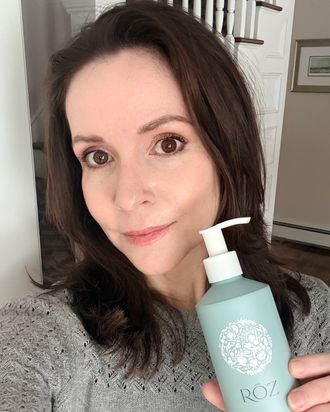
I’ve always marveled at women who can go days without washing their hair. I have friends who can get a wash and blowout on a Monday and not shampoo again until Friday. Me? I try to go every other day, but by the end of day two, my roots are visibly greasy.
The only time I could ever skip a few washes was when I was pregnant. All three times, my hair was thicker (hair stays in the growth phase during pregnancy), so my scalp oil was distributed across more strands. Plus a surge in estrogen can suppress the effects of androgens, the hormones responsible for sebum production.
My baby days are over, so between my oily-prone roots and exercising most days of the week, I’m back to daily washes most of the time. I find my fine hair has more body and bounce and just looks better when it’s clean — and my scalp, which gets itchy and flaky at times, feels fresher.
However, there’s a commonly held belief that washing your hair less often is better for your scalp and strands and washing too often can even stimulate sebum production. I see social-media videos about “training your scalp” to produce less oil by stretching out your washes. Trust me: I’ve tried with no success. So I asked some pros — a dermatologist, a trichologist (someone who focuses on scalp and hair health), and a hairstylist — to weigh in on daily washing. Here, what they said.
There’s nothing wrong with a daily wash
After speaking with our experts, I learned I’m not breaking any rules by washing my hair daily. I’m following them for my specific scalp and hair type. “Daily washing is not inherently damaging,” says Dr. Joyce Park, a board-certified dermatologist. It’s most beneficial for people with very oily scalps, fine hair that gets greasy quickly; those who do frequent workouts or have hairline acne or seborrheic dermatitis (dandruff). And it can even improve scalp health, Park says: “In oily- or dandruff-prone patients, regular washing can help normalize yeast overgrowth and reduce inflammation.” The yeast that causes dandruff feeds on scalp oils, so you don’t want sebum to build up on the scalp.
What you wash hair with is more important than how often you wash
“The success of daily washing depends entirely on the shampoo you use, not the frequency itself,” says Shab Caspara, a trichologist and the founder of Caspara Studio in New York City. Daily washes can improve scalp health if the cleanser is gentle and non-stripping, she says. “Frequent use of aggressive shampoos that contain strong sulfates or high sodium-chloride formulas strips the scalp, triggers irritation, and worsens an oil imbalance.” These detergentlike shampoos disrupt protective lipids and the scalp’s microbial balance, which can actually cause rebound oil production (read: more oil).
She recommends looking for shampoos that contain gentle surfactants like sodium lauroyl sarcosinate or cocamidopropyl betaine and avoiding formulas in which sulfates and sodium chloride are the primary cleansing agents.
Shampoos with salicylic acid or clay-based cleansers can also help regulate oil and clear follicle-blocking buildup. “A good routine is alternating a gentle daily cleanser with a periodic deeper cleanse or clarifier,” she says.
To support the scalp barrier and calm inflammation, Park suggests looking for added ingredients such as niacinamide, zinc derivatives, panthenol, ectoine, or peptides: “A little bit of targeted scalp support goes a long way if you are washing daily.”
From a color perspective, salon owner and colorist Rita Hazan recommends hydrating ingredients such as glycerin and jojoba oil to keep hair healthy, “but please stay away from sulfates,” she says, noting they can strip color and dull shine over time.
No, you can’t train your scalp
“I get asked this question a lot as my patients see this myth perpetuated on social media,” says Park. “No, you cannot ‘train’ your sebaceous glands through willpower — or washing less.” Oil production is hormonally driven, she explains. You can increase oil production (rebound oil production), but, as mentioned above, that has everything to do with the type of shampoo you’re using and not how often you wash your hair.
Wash this way
How you wash your hair matters, too. Caspara recommends shampooing twice, regardless of how often you wash. “The first wash breaks down oil, sweat, pollution, dead skin, and product buildup,” she says. “The second wash actually cleanses the scalp and leaves the follicles clear.” This ensures the shampoo reaches the scalp instead of just cleaning the surface of dirty hair.
Hazan adds that daily washers don’t need to aggressively scrub their lengths to feel clean. “Wash the scalp and roots and let the lather waterfall down the length of your hair,” she says. “That way, you’re cleansing where oil and sweat live without drying out the ends.” Hazan also suggests using a silicone scrub brush to exfoliate the scalp at least once a week.
Daily shampoos
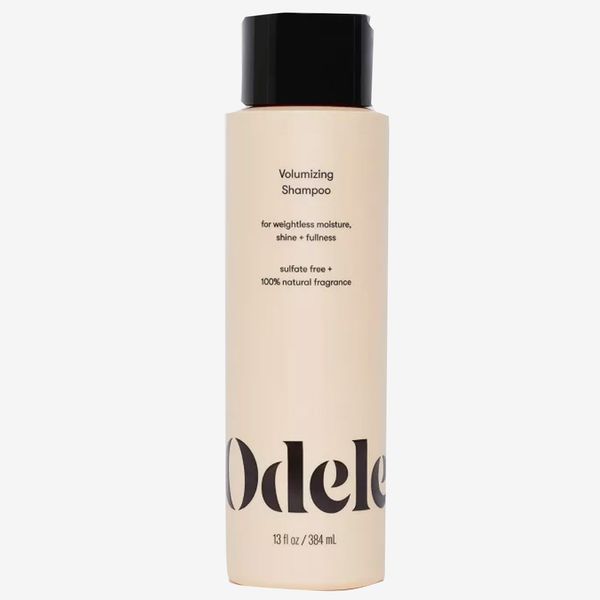
New! You can now save this product for later.
This has been in my shower for months now. Volumizing shampoos primarily work by cleaning excess oil and buildup so hair has more lift and bounce. This one is made with gentle cleansers that clean roots without stripping. It works just as well as salon shampoos I’ve tried — at a fraction of the price.
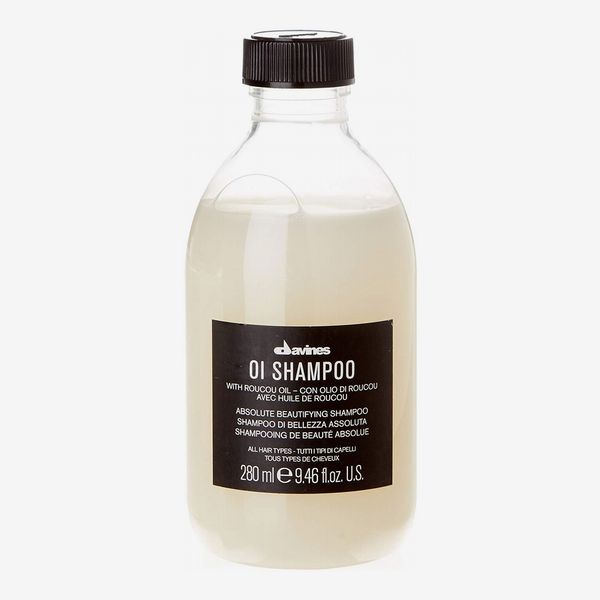
New! You can now save this product for later.
I received this shampoo in a gift bag and was excited to see it’s billed as a daily shampoo. It works on all hair types and textures and keeps hair hydrated and protected with roucou oil.
New! You can now save this product for later.
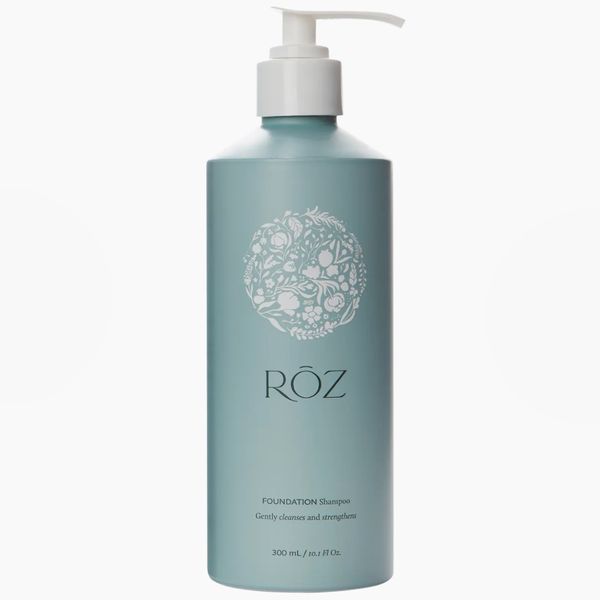
I was new to this brand when I tested it for our Best in Class shampoo story and was impressed. It’s super-gentle with coconut-based surfactants and designed for everyday use. But unlike some gentle shampoos, my hair actually feels really clean after using it as well as soft and shiny.
New! You can now save this product for later.
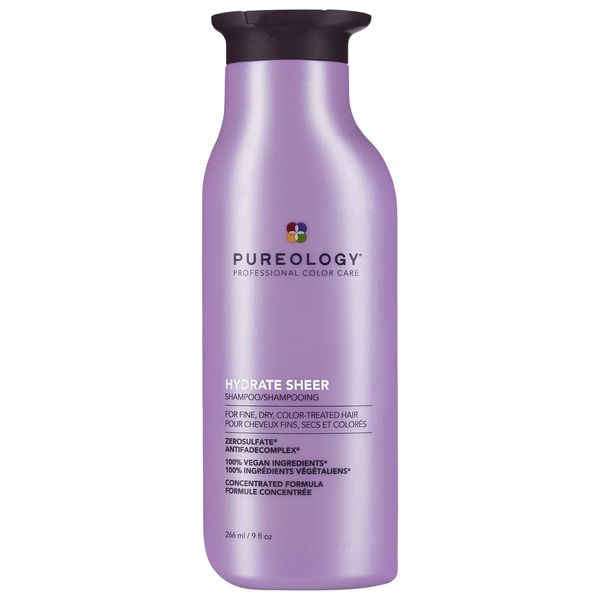
I don’t have color-treated hair right now, but when I do, I use Pureology shampoos, including this one, a lightweight hydrating shampoo that isn’t too heavy for fine hair. It’s sulfate free and silicone free and contains jojoba oil to moisturize hair plus the brand’s Antifade Complex to keep color vibrant longer.
More From The Strategist
- Hark, the Advent Calendars Arrived (Very) Early This Year
- The Best Things Strategist Editors Have Bought This Year (So Far)
- 63 Things You Should Never Buy Full Price
- The Strategist Fall 100
The Strategist is designed to surface useful, expert recommendations for things to buy across the vast e-commerce landscape. Every product is independently selected by our team of editors, whom you can read about here. We update links when possible, but note that deals can expire and all prices are subject to change.