A Guys’ Trip to the Yucatán
Everyone knows that person who spends weeks sniffing around travel blogs, going deep into Tripadvisor rabbit holes, collecting Google docs from friends of friends, and creating A Beautiful Mind–style spreadsheets to come up with the best vacations and itineraries possible. In this recurring series, we find those people who’ve done all the work for you and have them walk us through a particularly wonderful, especially well-thought-out vacation they took that you can actually steal.
Ahead of my friend’s wedding, I planned a kind of bachelor trip to Mexico’s Yucatán Peninsula with him and three of our high-school skateboarding buddies, all of us now in our late 30s. We based ourselves in the capital city of Mérida, renting a sprawling Colonial mansion from John Prentice Powell, a former model and antiques dealer who seems to know all of the American artists in town. From there, we took day trips in different directions before ending with a few nights on Isla Holbox, a car-free island with a long pristine sandbar and stellar ceviche.
The trip took place in late March, a nice window right after peak spring-break crowds and before the really unbearable heat sets in. Prices on flights and accommodations were fairly reasonable as a result. Here, how we spent the week.
Day 1
4 p.m.: Land in Cancún
We flew into the Cancún airport, crammed into a Chevy Cruze, and drove to the colonial town of Valladolid, where we stayed the night en route to Mérida.
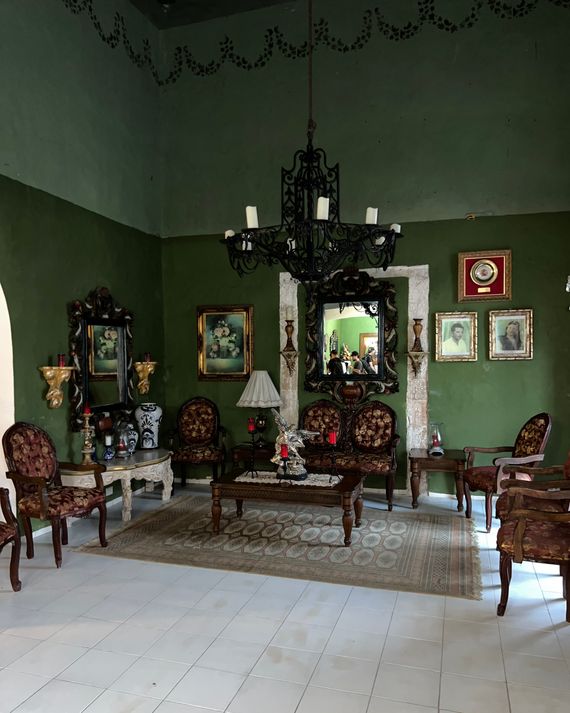
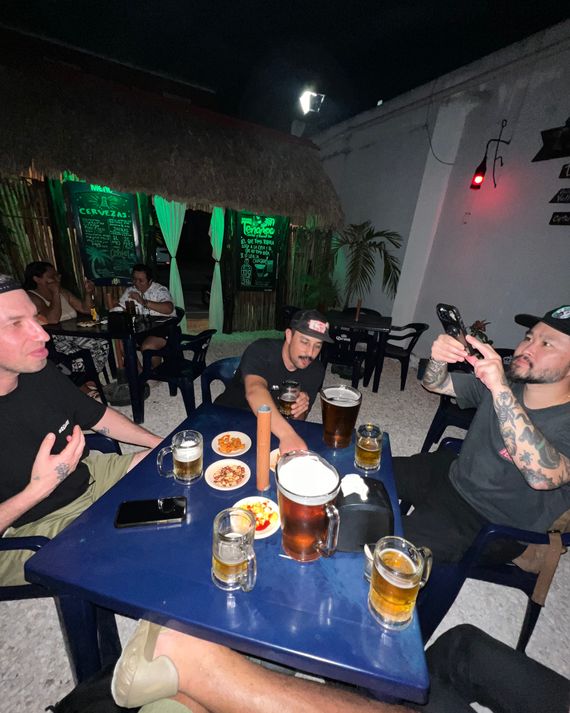
We checked into Palacio Cantón (Calle 40 between 35 and 37, Centro), a former church with a tiled courtyard and belle epoque furniture. Drinks were on the terrace at Tenampa (Calle 41 230A, between 48 y 50, Sisal), where pitchers of beer came with free botanas, like chilled jicama dusted with chile. As much as I love sliced fruit, I’m leery of eating it at bars, so I took a couple of Pepto tablets. For the rest of the trip, one of my friends kept roasting me, sarcastically reminding me to take my tablets at the first sign of anything edible.
La Joyita (Calle 41 193B, Centro), an old-school cantina across from the town’s historic church, served cold Pacificos and spicy ceviche to a mix of locals and backpackers.
Day 2
11 a.m.: Do a self-guided tour of Chichén Itzá
I’d always skipped Chichén Itzá, Mexico’s most-visited archaeological site, assuming it’d be too crowded, but my less curmudgeonly friends insisted.
The crowds were indeed present, and everyone’s tour guides mimicking the call of the quetzal bird every few minutes made the experience far from serene. Regardless, the pyramid is breathtaking and a Wonder of the World for good reason. I was glad we saw it. We left through the 545-foot-long Great Ball Court, the Olympic stadium of ball courts, imagining the ritual sacrifices that may or may not have awaited the winners.
3 p.m.: Have a modern Mayan meal
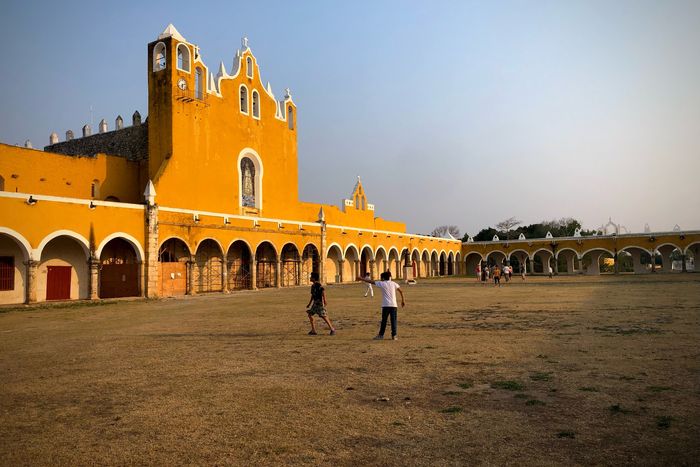
An hour’s drive away is Izamal, a town painted almost entirely in oxide yellow. We had a late lunch at Kinich(Calle 27 299, Centro, Izamal), a modern Mayan restaurant recommended by food writer Nicholas Gill.
We had the sikil p’aak, a nutty pumpkin-seed dip; cochinita pibil; and the highlight, papadzules, or tortillas stuffed with chopped eggs, coated in pumpkin-seed sauce, and topped with a smoky, crumbly longaniza sausage. We walked off our meal at the massive Convent of San Antonio de Padua(Calle 31-A, Centro), a 16th-century monastery constructed atop the ruins of a Mayan pyramid with a vast open-air atrium.
7:30 p.m.: Get settled in Mérida
By sunset, we were in Mérida for a quick tour of Casona de la Mejorada, the mansion we rented from John Prentice Powell. John ran an antiques shop on Broome Street and lived in Paris making custom buttons for Hermès before settling in the Yucatán, where he started restoring historic houses.
It really was an oasis: an 18th-century stone house with four bedrooms, a pool and shaded patio, a formal dining room for 12, and a rear loggia overlooking a garden and an artist’s studio. The décor mixed Yucatán heritage with global antique finds.
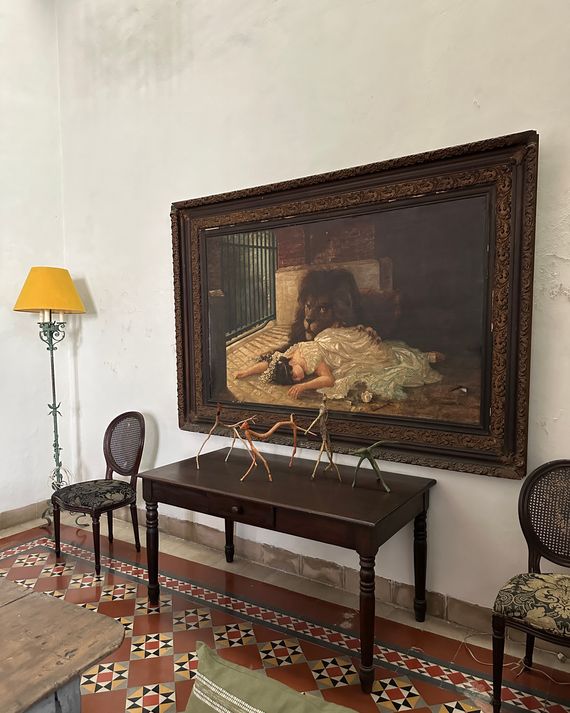
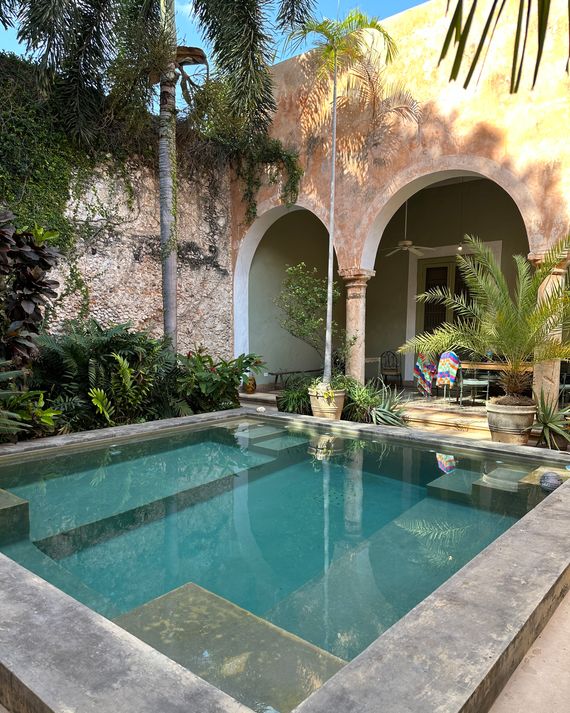
We sipped tequila in the kitchen, took a dip in the pool, then went out for tacos and micheladas at El Gallito (Calle 45 between 60 and 62, Centro). The practice of cutting sliced pork on a vertical skewer, or trompo, originates with Lebanese immigrants to the area in the late 19th century. The tangy version served here was marinated with local naranja agria, or sour orange.
The night ended at Flamel (Calle 57 484-B between 54 and 56, Parque Santa Lucía), a moody, if slightly 2010s, speakeasy where mezcal cocktails arrived in smoke-filled vessels and the staff wore waxed aprons.
Day 3
10 a.m.: Eat a corn-based breakfast at Pancho Maiz
Our big event for the day was a guided tour of the Celestún lagoon to see the flamingos at sunset, so we decided to take it easy and linger in town.
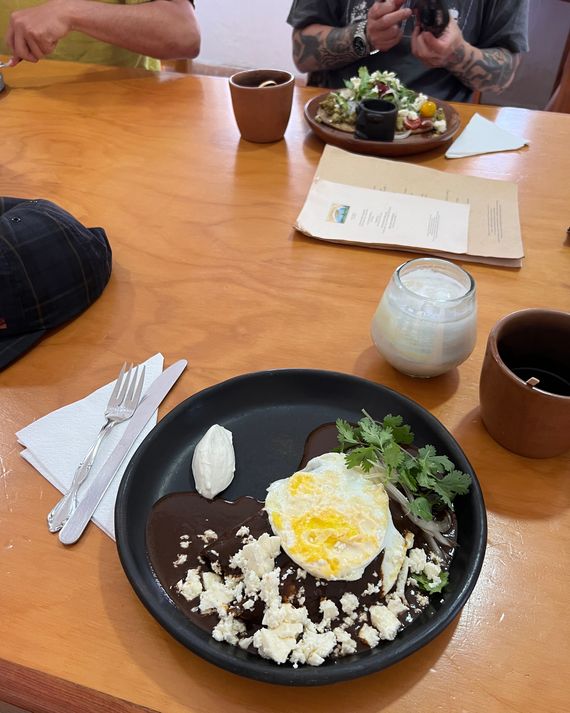
Breakfast was at Pancho Maiz (Calle 59 437-A, Parque de la Mejorada, Centro), a tortillería turned restaurant with a mission to preserve heirloom-corn varieties once commonly found and bartered across the Yucatán. With those rich sauces that sang several notes at once, this was my favorite meal of the trip by far.
12 p.m.: Tour the oldest building in town
To beat the heat, we ducked into Casa Montejo (Calle 63 506, Centro), a 16th-century palace once home to conquistador Francisco de Montejo, the first governor of the Yucatán. It was purchased in the 1980s by the National Bank of Mexico and turned into a museum. Built with Mayan pyramid stones, it’s one of the oldest Spanish Colonial buildings anywhere in Mexico.
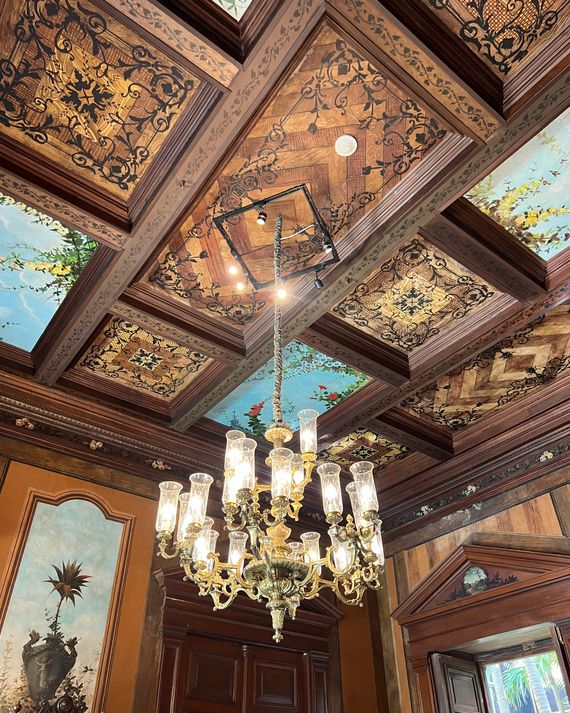
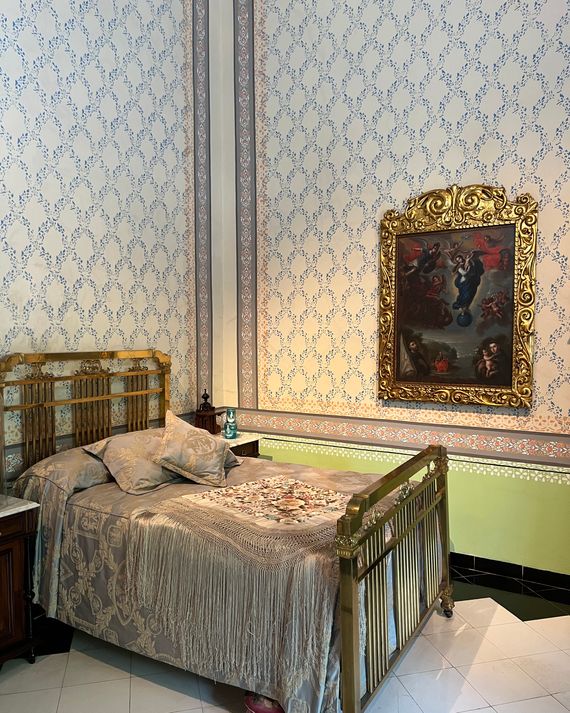
As we stepped out facing the zocalo, or main square, a friend pointed out the limestone façade, a jumble of Gothic, Moorish, Roman, and Renaissance flourishes, including a menacing pair of Spanish sentries standing on severed heads, said to be either Mayans or old-world heretics, depending on whom you ask.
1 p.m.: Eat seasonal-fruit ice cream and people-watch
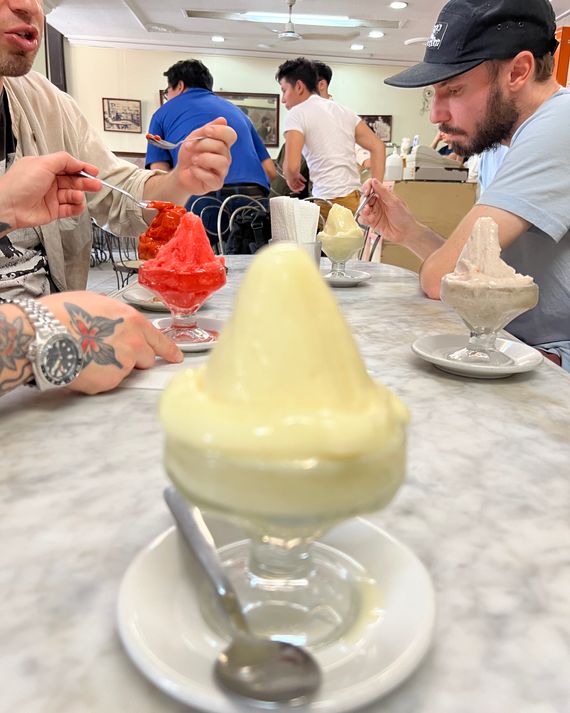
Across the plaza, we stopped at Dulcería y Sorbetería Colón (Calle 61 and 62, Centro), a 120-year-old ice-cream parlor once visited by Martha Stewart. The shop rotates through seasonal flavors like zapote, coconut, corn, lime, and something called Moorish cream, but we all liked the guava and durazno— peach with real chunks — the best.
3 p.m.: Go bird-watching in a kayak, watch out for jaguars
We returned to the house for a swim before driving 90 minutes to Celestún, a fishing village at the edge of the Celestún Biosphere Reserve. Hundreds of bird species live or migrate here, including the flamingos that arrive in droves each winter. They are occasionally preyed upon by jaguars, whose populations have quadrupled in recent years thanks to conservation efforts, but are still tricky to spot.
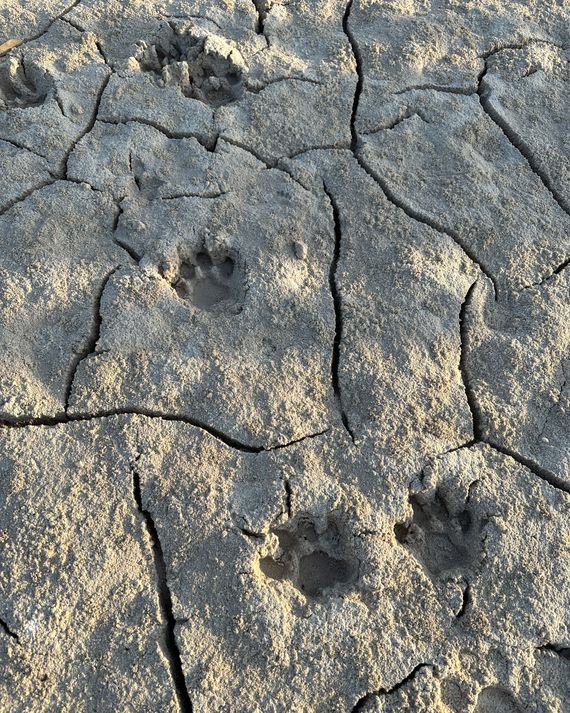
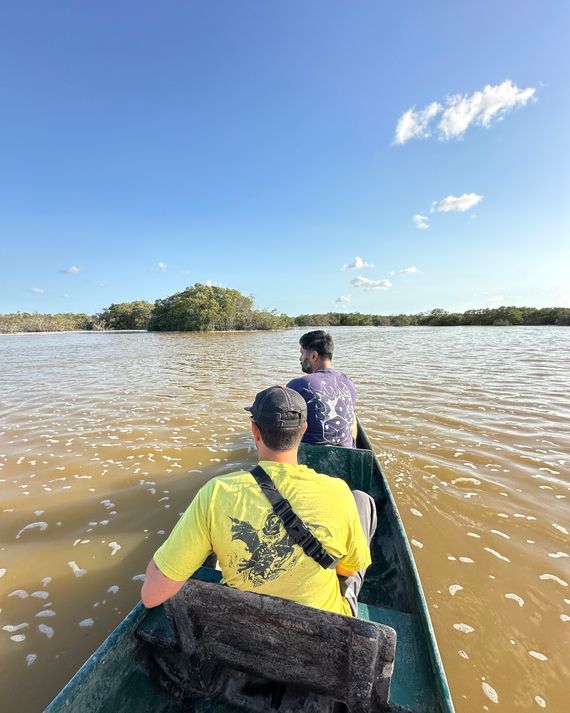
Our guide was the patient and knowledgeable Alex Dzib, a Cornell-trained biologist and local who has consulted on nature documentaries here for Netflix and the BBC. We floated through the lagoon as Alex pointed out different birds as well as a mangled pile of pink feathers near the water’s edge that signaled a fresh jaguar kill.
This and some fresh mud tracks were as close as we got to seeing the elusive predators, but at sunset flocks of flamingos began streaking across the sky, landing in the shallows like a coral-colored tide. We disembarked on a sandy bank opposite them and watched a gorgeous sunset frame their slumbering pink silhouettes.
Day 4
11 a.m.: Sample food at Mérida’s second-largest flea market
Breakfast was at the local markets. I walked over to Mercado Santiago for Taquería La Lupita (Calle 57 Supermanzana Interior, Parque Santiago). I came here for one dish, the lechón de horno tacos — suckling pig marinated in garlic, spices, and sour orange, topped with crispy skin — and took them to go.
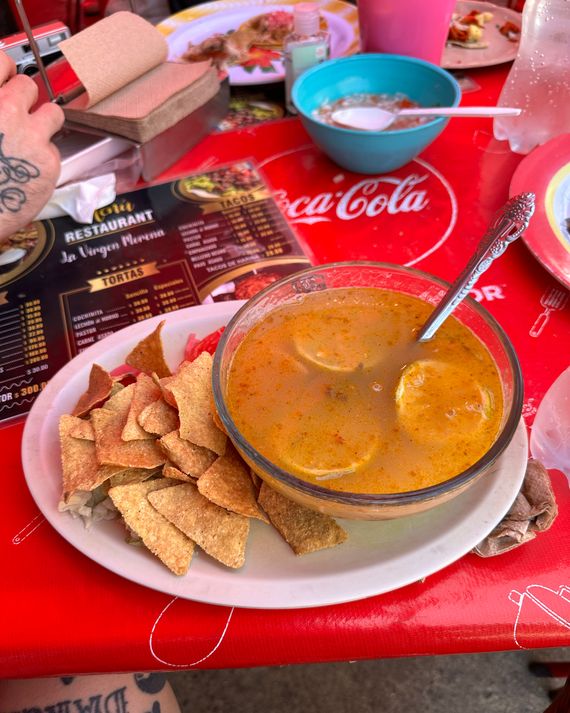
1:30 p.m.: Swim in a cenote at a historic hacienda
At John’s suggestion, we visitedHacienda Mucuyché(Calle 86 S/N, Mucuyché), a manicured waterpark-adjacent property owned by the Mexican resort company Xcaret.
The cenote was gorgeous: clear, cool water flowing through a cavernous indoor-outdoor chamber linked by a man-made canal. We floated for a while before realizing we had to rush to Uxmal, one of the region’s best-preserved Mayan ruins, before closing time.
4 p.m.: Visit an abandoned hacienda
We arrived too late for Uxmal, but our fixer, Carolina, suggested a nearby hacienda I’d seen on design writer and photographer Susana Ordovás’s Instagram. Down the road from the waterpark, Hacienda Uayalceh is located on a dusty road in the town of Abalá.
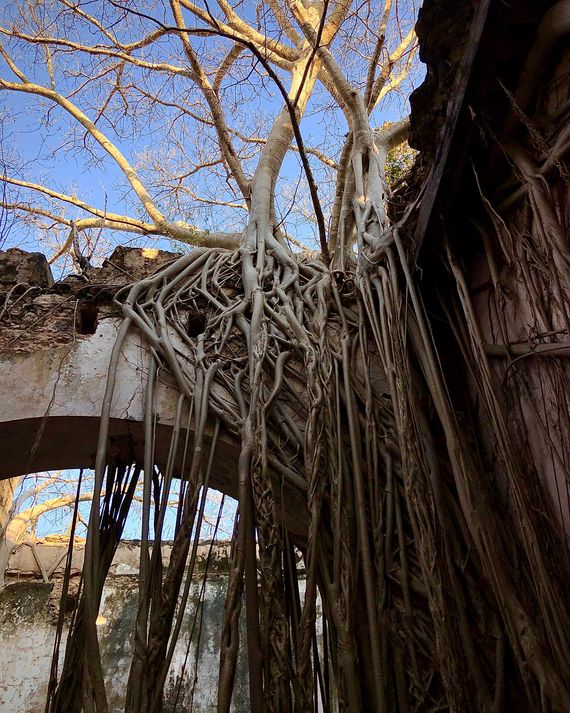
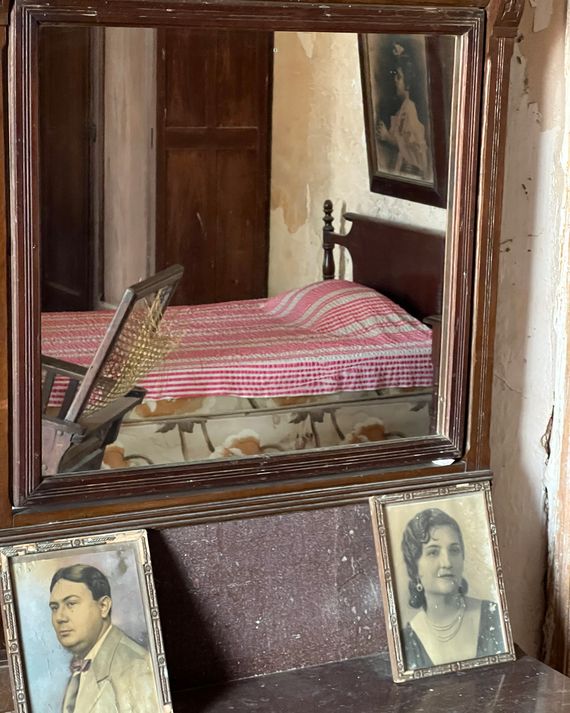
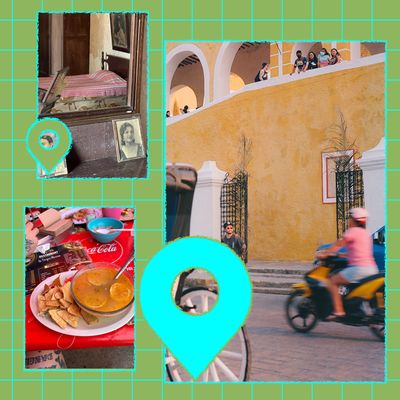
Don Fernando, or “Nando,” the caretaker, emerged from the top of the steps and led us inside. The house showed its age but felt preserved in amber since it was a working plantation until the mid–20th century, with portraits on the wall, a child’s bed made up beneath a fading photo, a telenovela murmuring from Nando’s TV. My friends quickly left, but I lingered. The rooms felt oddly familiar, like my grandparents’ apartment in an old Mumbai opera house.
7 p.m.: Eat surf and turf, mole style, on Restaurant Row
Most restaurants on Mérida’s Calle 47, known as Restaurant Row, were booked, but we found a table at Micaela Mar y Leña(Calle 47 458, Centro), a vibrant restaurant serving seafood and wood-fired meats. I inhaled a beef shank in mole honey with mashed potatoes and crushed chicharrones, while my friends had tacos and grilled octopus.
I tried to take it easy on drinking but caved for a cocktail of corn liquor, pineapple, and sour orange — zippy, sweet, and life-affirming.
Day 5
7 a.m.: Go for a coffee run, take Instagram photos
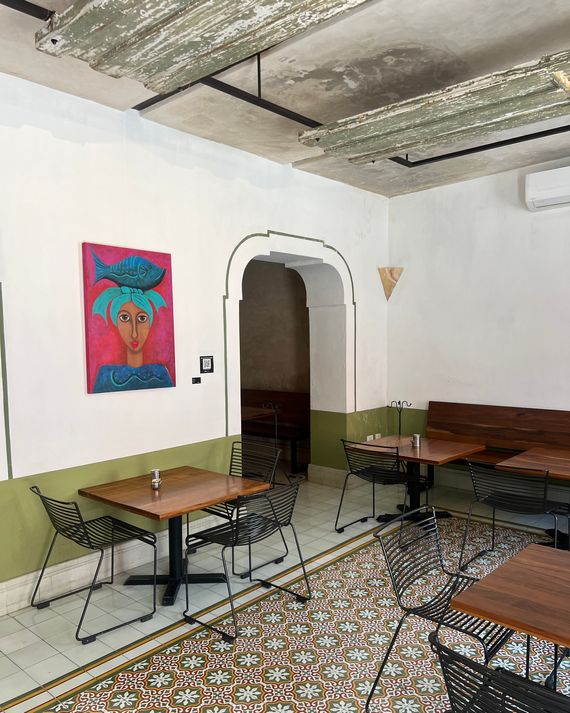
I went for a run up the Paseo de Montejo, Mérida’s answer to the Champs-Élysées, lined with Colonial mansions that look part New Orleans, part Havana. I stopped at Pan & Køf.feé (Calle 43 x 58 485 between 60, Santa Ana), an artisanal bakery with a leafy courtyard, dunking a pistachio croissant into a thick mocha made with smoky local chocolate.
11:30 a.m.: Visit the dead at the town’s oldest and most colorful cemetery
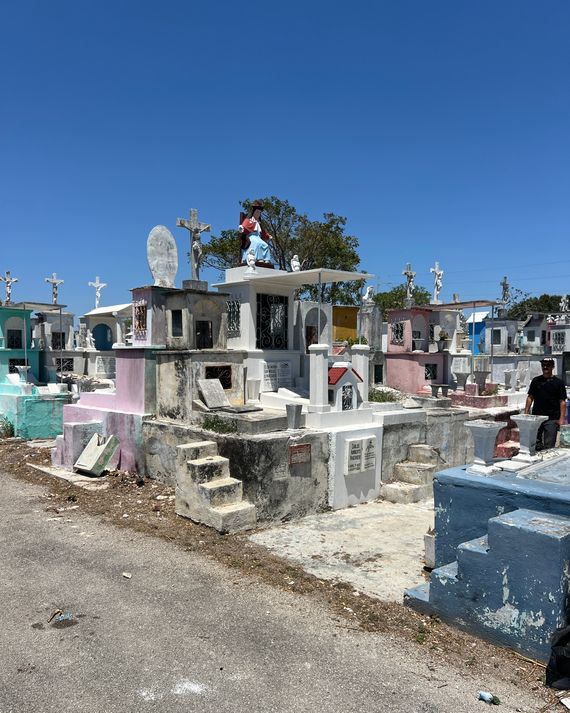
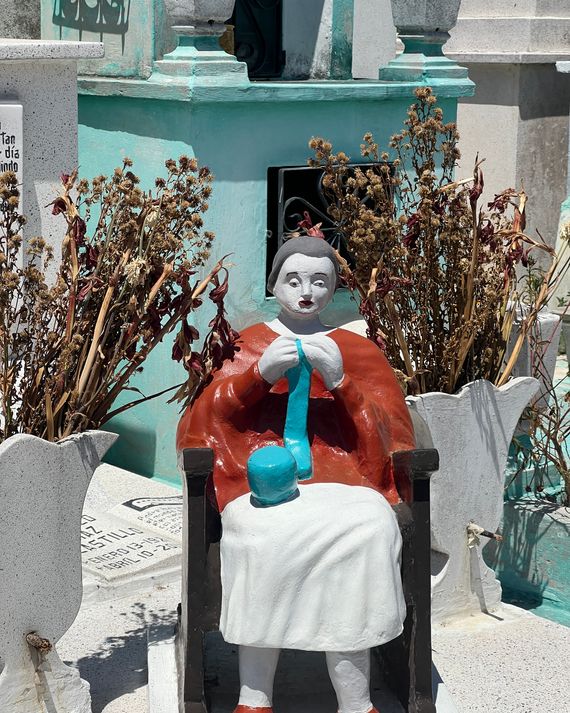
On our way out of town, we stopped at Cementerio General(Calle 81A x 90, Centro), Mérida’s oldest cemetery, a maze of colorful graves and ornate mausoleums that are more like celebratory shrines than funereal monuments.
3 p.m.: Try not to die descending a Mayan pyramid
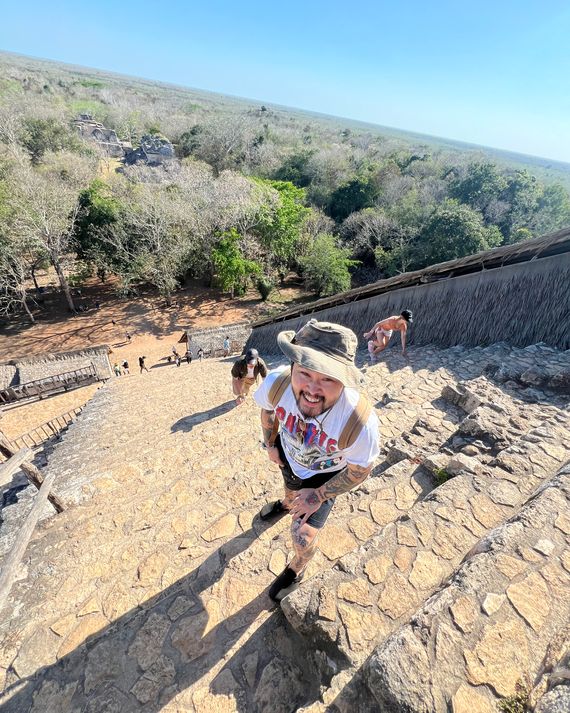
After getting turned away at Uxmal the day before, I figured we’d have better luck with a less-visited complex of ruins. Not far from Valladolid, Ek Balamwas once the capital of a thriving Mayan kingdom. Like other Mayan sites, the city was mysteriously abandoned and remains only partially excavated.
But unlike with the other ruins, you can still climb the structures here, provided you’re fit enough to climb 100-plus rocky steps.
At the top, the view stuns you into silence with a canopy of forest stretching in every direction.
6:30 p.m.: Catch the ferry to Isla Holbox
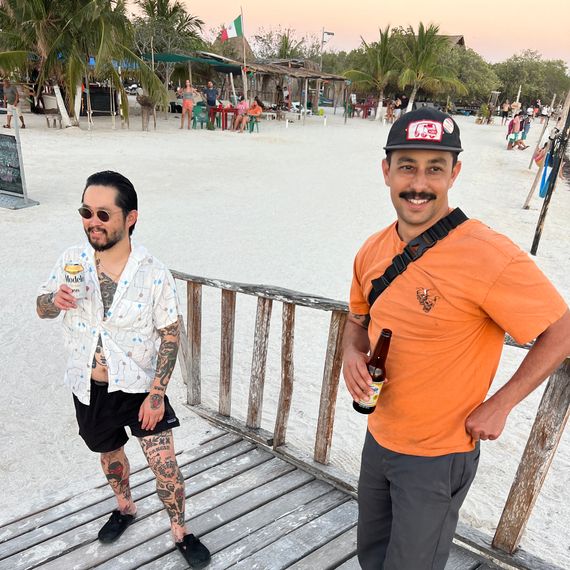
We just made the last ferry from Chiquilá to Holbox. Dune buggies (cars aren’t allowed) took us toXaloc Resort(Calle Chac-Chi N Esquina, Playa Norte), a rustic ecotourist hotel with rooms from $95. We had dinner at Santos Fuegos (Avenida Pedro Joaquín Coldwell Corner with Calle Chabelita), a wood-fired restaurant by Uruguayan chef Rodrigo Balbiani. We split braised-beef empanadas with habanero sauce, a pesto margherita flatbread, and mezcal negronis. I was hungry and not expecting much from the place, judging by its digital-nomad aesthetic, but instead was pleasantly surprised by how complex the food was.
Day 6
2 p.m.: Check into Casa Margot, enjoy some downtime
We took dune-buggy taxis to Casa Margot (now Casa Lumini,Pedro Joaquin Coldwell s/n y Pez Vela). The rooms were clean, concrete, and — most important — air-conditioned.
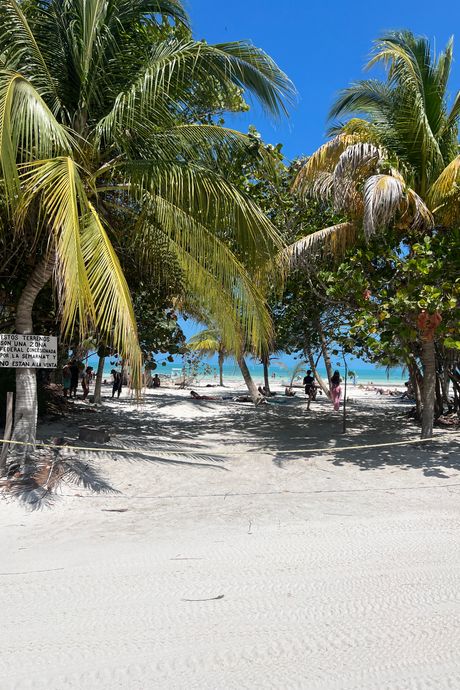
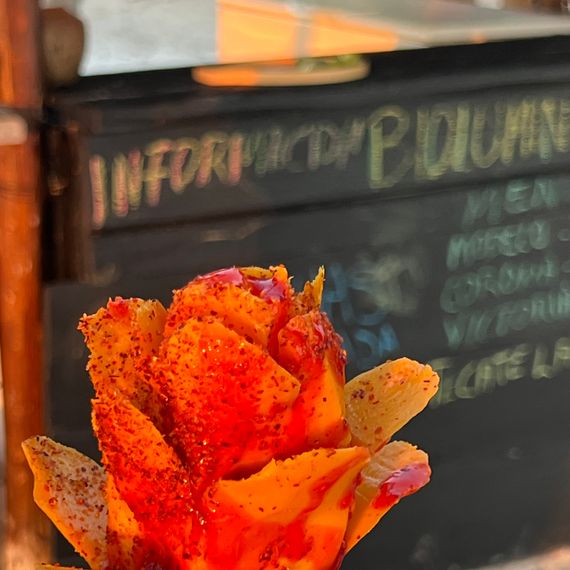
After lunch I borrowed one of the hotel’s bikes and rode to Punta Cocos, a quiet beach known for snorkeling and bioluminescence boat tours. I ordered coconut water and a ripe mango carved into a rose and drenched in chamoy from two friendly vendors who performed the whole prep like a dance.
Day 7
7 a.m.: Walk along a sandbar in the middle of the ocean
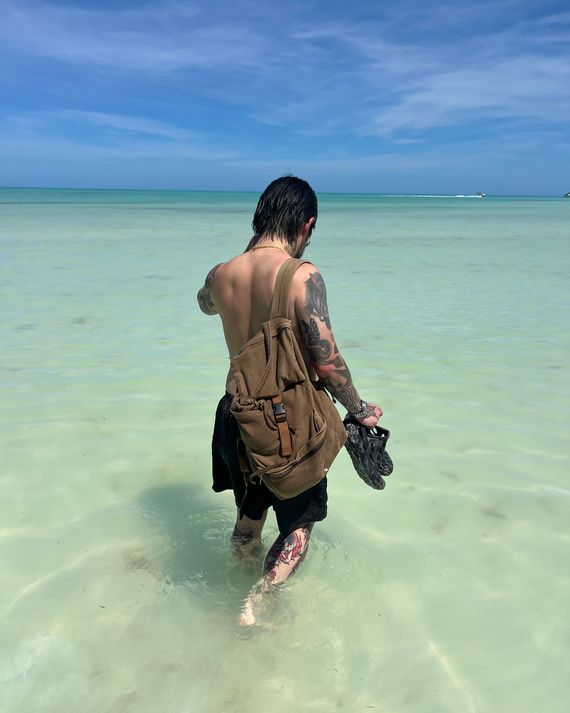
I’d read about a sandbar at the far end of the island that emerges at low tide and stretches for miles into the sea and cycled out to it. Walking that far out into the ocean felt surreal — an infinite horizon, cool morning air, the warm water lapping at my feet.
11 a.m.: Post up at a private beach
We headed toward Punta Mosquito, a hidden beach at the eastern end ofthe island’s sandbar. From afar it looked packed, but up close there was plenty of space with tiny islands of sand dotted with people and clear water on all sides. One of my friends said it felt like we’d wandered into a Corona ad.
3 p.m.: Gorge on fresh ceviche and beers at a seafood shack
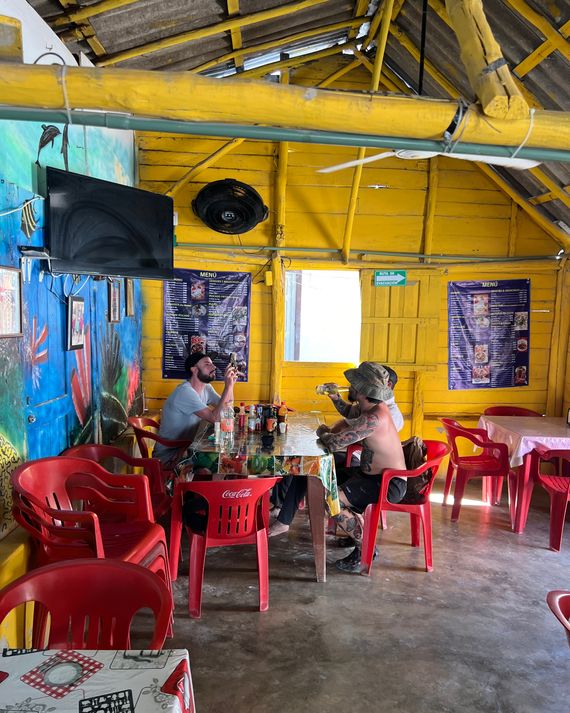
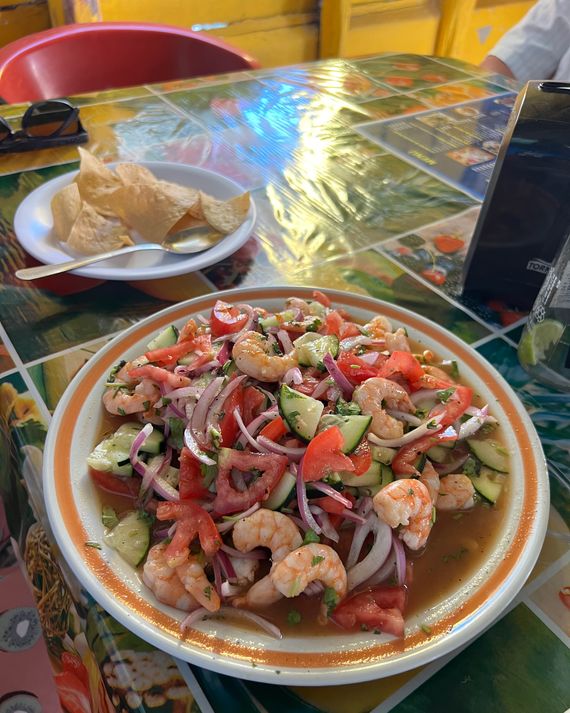
Walking back took twice as long since it was now high tide and the water was at our waists. Still, blissful. Starving, we found La Barracuda (Calles Esmedregal), a seafood shack with plastic tables covered in laminated photos of the food. We ordered two huge plates of shrimp ceviche, chips, and a bucket of beer.
9 p.m.: Have dinner and drinks at the island’s trendiest restaurant
We walked back into town, and I convinced one friend to join me for what would end up being the best drinks on the island at LUUMA(Avenida Damero), a tastefully designed restaurant connected to the posh Casa Las Tortugas hotel.
The cocktail list (tequila with pineapple husk and chile de arbol, gin with hoja santa) was irresistible. We ordered too many, but getting lost in the sauce felt like the right way to end a trip that never went quite as expected and was better for it.
More From The Strategist
- Hark, the Advent Calendars Arrived (Very) Early This Year
- The Best Things Strategist Editors Have Bought This Year (So Far)
- 63 Things You Should Never Buy Full Price
- The Strategist Fall 100
The Strategist is designed to surface useful, expert recommendations for things to buy across the vast e-commerce landscape. Every product is independently selected by our team of editors, whom you can read about here. We update links when possible, but note that deals can expire and all prices are subject to change.