There’s a Promising New Alternative to Effective-But-Harsh Retinols
Save this article to read it later.
Find this story in your account’s ‘Saved for Later’ section.
Retinol is widely considered the gold standard for treating a plethora of skin-care issues, such as the appearance of fine lines, sun damage, and acne. But it comes with considerable downsides: Retinol can be harsh, leading to irritation, flaking skin, peeling, and redness. That’s why it comes with a suite of warnings about using it only two or three times a week and remaining diligent about wearing sunscreen.
Still, a lot of people’s skin can’t tolerate it. In particular, anyone with rosacea or eczema. Which is why dermatologists, aestheticians, and skin-care companies have been looking for alternative ingredients that can still yield the same results as retinoids, with several products coming out this year.
But first: Retinol products work because they’re derivatives of vitamin A. And because the terminology gets confusing: Retinoids cover a broader category of chemicals and products; retinol is a more specific kind of vitamin A, and the one most often seen in over-the-counter products. “Retinol — the active form of vitamin A in the body — works to increase cell turnover, build collagen, improve discoloration, hydrate skin, and reduce acne,” says New York dermatologist Dendy Engelman. Any alternative product would need to do something similar, and bind to retinoid receptors just as actual retinols do, which kick-start the production of key proteins in skin to do all those magical things mentioned above. A few such alternates exist already: “Retinol alternatives can be other types of retinoids, like retinyl aldehyde, retinyl palmitate, or Hydroxypinacolone Retinoate,” says cosmetic chemist Ni’Kita Wilson. “Or they can be plant-based ingredients with retinol-like activity, like bakuchiol.”
Bakuchiol, an extract of the Babchi plant long used in Ayurvedic medicine, is promising for two main reasons: Bakuchiol is one of the few alternatives for which studies back up the pseudo-retinol effects of anti-aging and skin brightening. One study in the British Journal of Dermatology found that it could reduce signs of sun damage equally as well as retinol, while another paper in International Journal of Cosmetic Science reported improvements in lines and wrinkles, skin elasticity, and pigmentation. Raja Sivamani, a clinical dermatologist at UC Davis who led a recent study comparing bakuchiol and retinol, says these results are because bakuchiol seems to be activating the genes that regulate collagen and elastin production — the same ones retinol activates.
The second reason is that so far, bakuchiol doesn’t seem to irritate and redden skin the way retinol often does. “We do have to presume that they are gentler since there hasn’t been any irritation that I can find reported so far,” says Loretta Ciraldo, a dermatologist in south Florida. (Doctors I spoke with also say that bakuchiol is so far reportedly safe during pregnancy. But as with anything related to pregnancy, ask your doctor.) She adds that she thinks that could also mean the results will be less dramatic than actual retinoid products. That’s reasonable — the redness retinol causes has to do with all that cell turnover. But for those who use them just to experience uncomfortable flaking and redness, an all-natural alternative should be welcome news. Four new products, below.
Retinol alternatives with bakuchiol
New! You can now save this product for later.
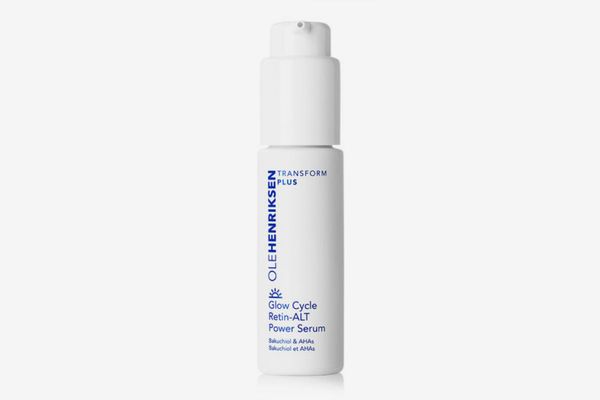
Bakuchiol is combined with alpha hydroxy acids (AHAs, which smooth and brighten skin) in this new serum. Joshua Zeichner, director of cosmetic and clinical research in dermatology at Mount Sinai Hospital, is a fan of AHAs in general, which have tons of research to back up their benefits. “In addition to exfoliating cells on the surface of the skin, they’ve been shown to help stimulate collagen,” he explains.
New! You can now save this product for later.
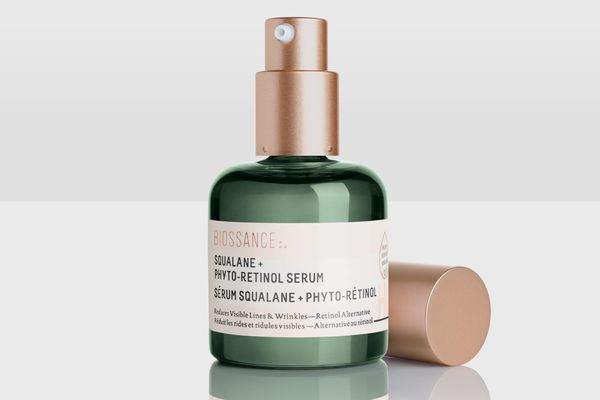
This lightweight serum works especially well for dry skin because the bakuchiol gets a boost from squalane oil, which nourishes, and niacinamides, of which Engelman is a fan. “Niacinamides are a form of vitamin B3 that have similar effects of retinol,” she says. “However, they fortify skin from the get-go without sensitivity or irritation.”
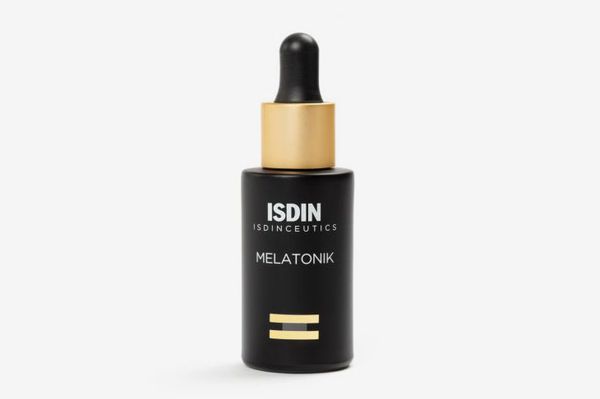
New! You can now save this product for later.
Bakuchiol and vitamin C means this product has extra brightening properties. “Vitamin C is an antioxidant that boosts collagen in your skin, which helps to reduce fine lines and wrinkles,” says aesthetician Shani Darden. “It will also help to decrease pigmentation.” If your primary skin concern is dark spots or dullness, this is the one for you.
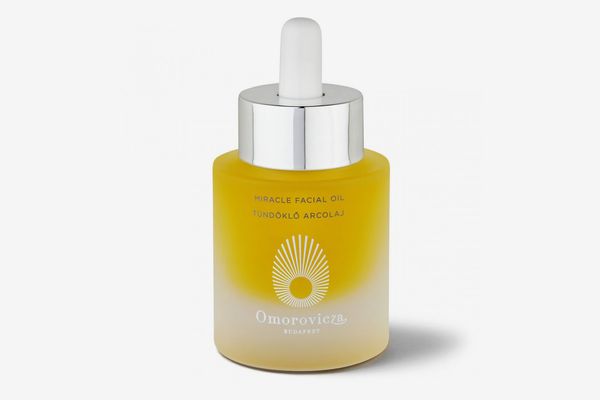
New! You can now save this product for later.
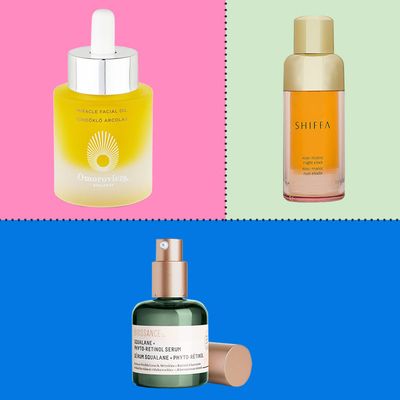
To protect aging skin, this oil combines bakuchiol and antioxidants. The bakuchiol helps maintain collagen production, while the antioxidants, which neutralize the skin-damaging free radicals produced by stressors like UV light and pollution, help keep that collagen intact.
And one alternative that’s technically a retinoid
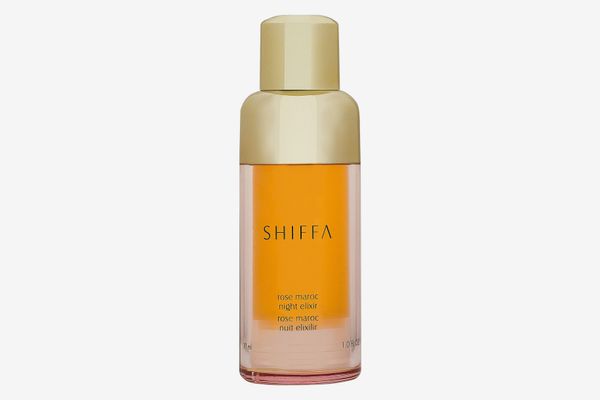
New! You can now save this product for later.
This blend of botanical oils also contains granactive retinoid — which, yes, is a retinoid. But unlike retinol (which has to be converted before it starts working) it goes straight to the target. “Granactive retinoid binds directly with the retinoid receptors in the skin, thus producing similar benefits to retinol, but without the negative side effects,” Wilson says. If you’re prone to sensitivity, this is also infused with soothing chamomile to keep redness to a minimum.
The Strategist is designed to surface the most useful, expert recommendations for things to buy across the vast e-commerce landscape. Some of our latest conquests include the best acne treatments, rolling luggage, pillows for side sleepers, natural anxiety remedies, and bath towels. We update links when possible, but note that deals can expire and all prices are subject to change.
Every editorial product is independently selected. If you buy something through our links, New York may earn an affiliate commission.