Everything You Need to Keep Your Retainer or Mouth Guard Clean

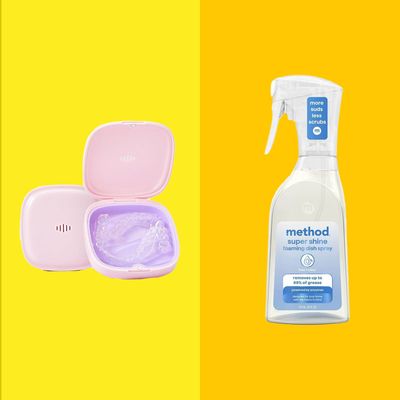
There’s a lot of maintenance that comes along with wearing a mouth guard, retainer, or aligners. “It surprises me that someone might forget to spend time cleaning their dental appliances, but it happens way more than it should,” says Dr. Avi Israeli of Sage Dental. While deeply unsexy, it’s a necessary step in keeping your teeth as squeaky-clean as possible. Plus it’ll ensure your mouth guard stays in tip-top shape longer. I spoke with three oral-health experts —Israeli and orthodontists Dr. Karin Grinbaum and Dr. Renee Moran — about the best practices. Below, their advice on daily rinses, deep-cleaning, and some products that make the entire process a little easier.
For plastic aligners and retainers
New! You can now save this product for later.
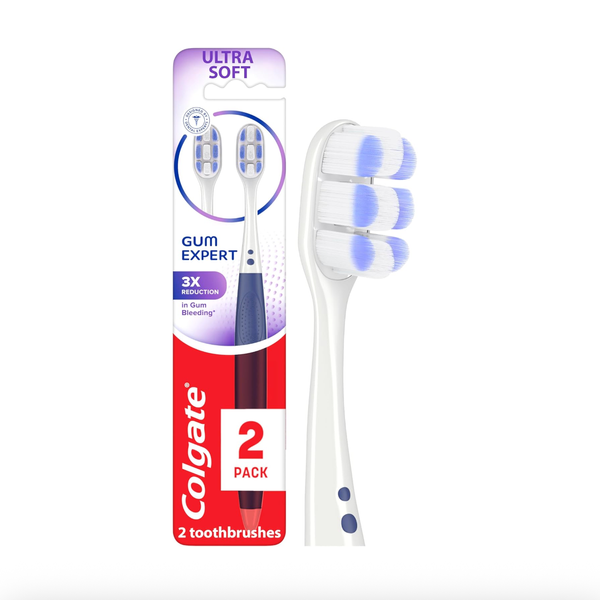
At the very minimum, you should be rinsing your mouth guard with lukewarm water and brushing it gently once a day. All the experts I spoke to said a standard drugstore toothbrush will do; just make sure it has soft bristles. This prevents scratching the plastic.
New! You can now save this product for later.
New! You can now save this product for later.
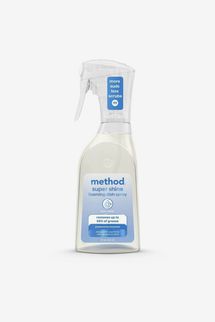
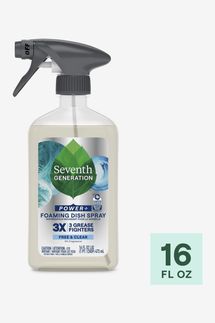
Use a small amount of clear, mild, or unscented dish soap or antibacterial hand soap to brush your retainer daily. Both types of soap work well to remove biofilm without leaving any tiny scratches. Grinbaum prefers a foam soap over a liquid one because the latter can get stuck in crevices and is hard to wash out, which can cause a soapy taste. Foam soap is easier to wash out because it’s not as thick and sticky.
New! You can now save this product for later.
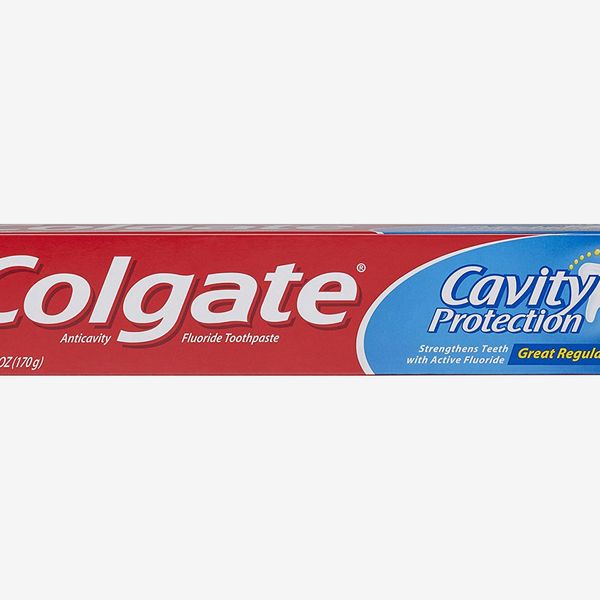
Some of the experts I spoke to said toothpaste was okay to use in lieu of soap. Just make sure it’s a smooth, non-whitening toothpaste since whitening toothpastes tend to be more abrasive. The more abrasive, the more likely it is to scratch your mouth guard. And if you’re unsure if the toothpaste you already have is abrasive or not, here’s a handy chart.
New! You can now save this product for later.
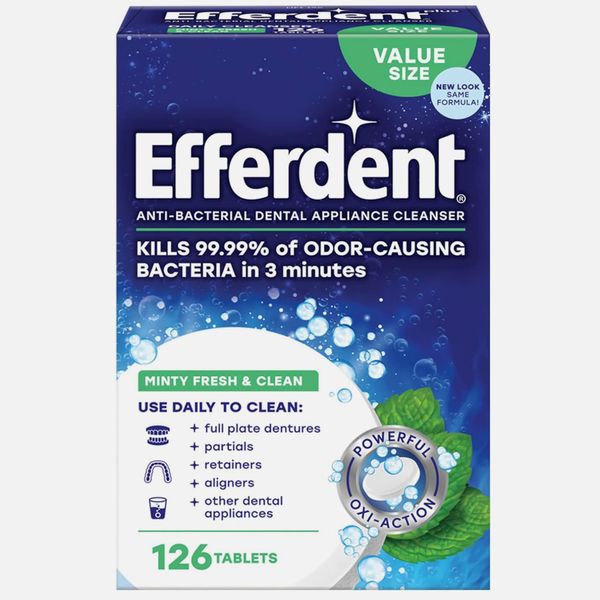
“If you wear your retainer and don’t clean it, saliva dries, and layers of saliva have calcium phosphate, which causes buildup,” says Grinbaum. “It’s basically like plaque that turns into calculus on your retainer, and once you have that, it’s very hard to clean.” The only way to get rid of this buildup is to break it down with something like a denture-cleaning solution. After leaving your mouth guard in the solution for ten to 15 minutes, brush it with soap and water to remove the rest of the buildup. Moran also recommends this as a weekly deeper-cleaning practice, even if you don’t have buildup on your retainer.
New! You can now save this product for later.
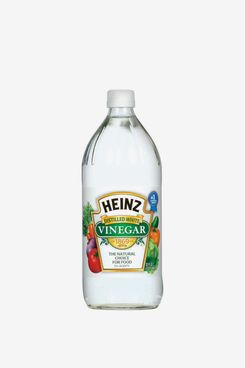
Israeli says diluted-vinegar solution works just as well. “It’ll clear up bad odor and some bacteria that quietly sneaks into the spaces,” he says. “Can you imagine carrying a colony of bacteria every day?” Grinbaum adds that you may need to scrub a bit harder to get rid of the film if there’s a lot of buildup on your mouth guard.
New! You can now save this product for later.
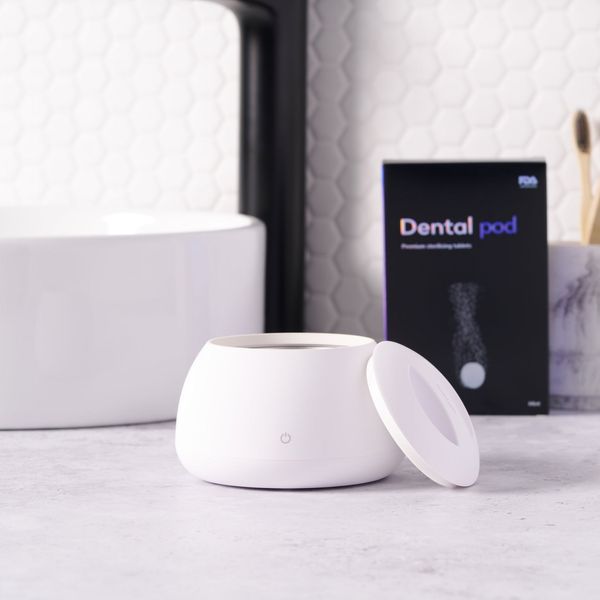
All of my experts said an ultrasonic cleaner isn’t necessary, but a decent one can be effective at loosening stubborn buildup. Grinbaum just cautions those who are using this for plastic aligners instead of for an acrylic mouth guard or a retainer: Some of the ultrasonic cleaners get hot after a few months of use, and hot water can melt or deform the aligners. If you are looking for a reputable ultrasonic cleaner, the Zima one has been recommended before by orthodontist Dr. Jamie Royal.
New! You can now save this product for later.
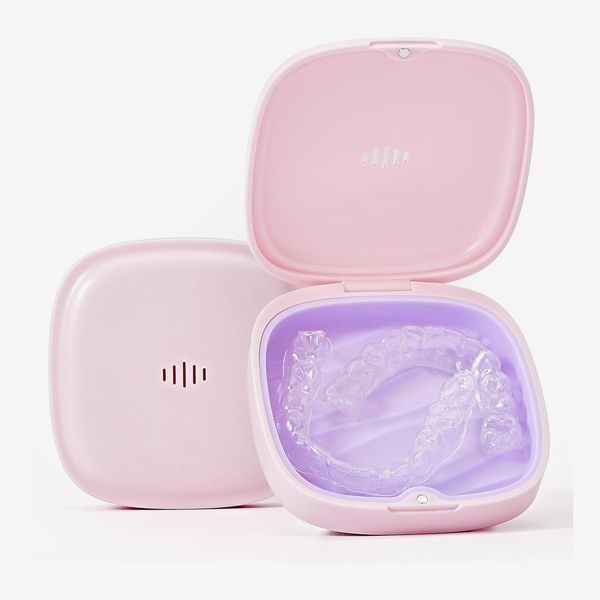
Having a proper case is important. Grinbaum says ventilation is key since humidity can cause mold. On top of that, my experts emphasized the importance of cleaning your case with soap and water regularly. “I’d even recommend cleaning it every day,” says Israeli. “The case is your appliance’s keeper, so never disregard those funky smells, discoloration on the sides, or rough edges.” And when in doubt, it’s best to buy a new one.
For fixed retainers
New! You can now save this product for later.
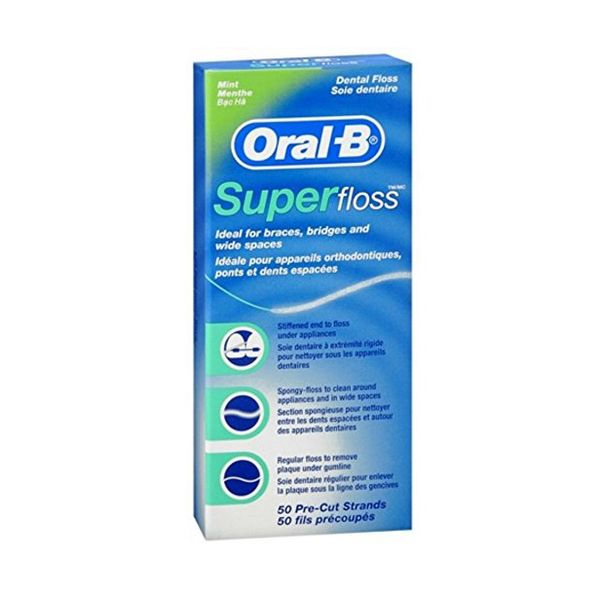
Fixed aligners don’t require nearly as many tools or things to keep them clean. But they come with their own cleaning obstacles. “Because you can’t floss from the top to the bottom of the tooth, you have to go underneath the wire,” says Grinbaum. She recommends using Super Floss, which has a thicker end you can thread under the wire, as an alternative to regular string floss.


New! You can now save this product for later.
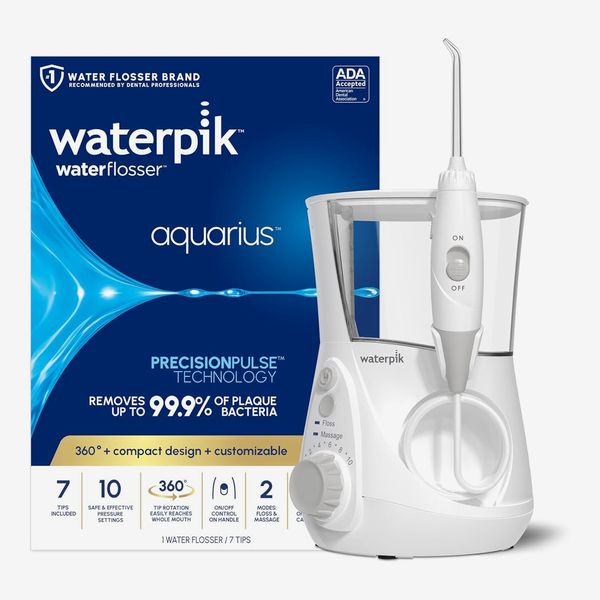
Grinbaum and Moran both recommend a water flosser, not as a total replacement for flossing but as an alternative for when you’re short on time. It at least cleans the area and flushes debris around the wires. Neither had a specific water flosser in mind, so here’s our best-overall pick. It has plenty of pressure settings and a 360-degree rotating tip so you can easily maneuver it and blast away any plaque buildup.
More From The Strategist
- Hark, the Advent Calendars Arrived (Very) Early This Year
- The Best Things Strategist Editors Have Bought This Year (So Far)
- 63 Things You Should Never Buy Full Price
- The Strategist Fall 100
The Strategist is designed to surface useful, expert recommendations for things to buy across the vast e-commerce landscape. Every product is independently selected by our team of editors, whom you can read about here. We update links when possible, but note that deals can expire and all prices are subject to change.