My Midea U-Shaped AC Got Recalled. Here’s What I Did About It.
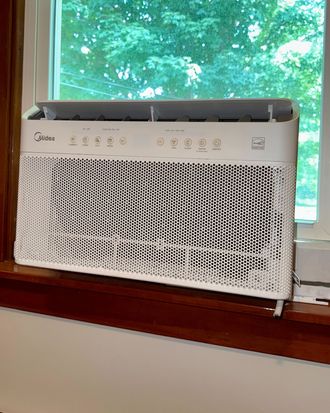
I woke up this morning with an itchy throat that I attributed to the wildfire smoke blowing south from Canada. By mid-morning, however, I learned the real culprit was probably my beloved Midea U-shaped AC, which I had just installed last night for the summer in Vermont and had named the best overall window AC in our guide. A colleague sent me the voluntary recall announcement as soon as it arrived, and after following the instructions, I confirmed my unit was affected. More concerning, while the 2024 Midea U I have in Brooklyn was clean when I checked it last month, this 2021 unit’s fan blades were full of moldy splotches I could not unsee — or unsmell. Thankfully, Midea makes it easy to get a lightly prorated refund (in the form of a prepaid Mastercard), which I was able to apply for in just a few minutes. Here’s how you can do the same.
How do I find out if my Midea U is recalled?
The first step is to go to this special website Midea has set up for validating recall claims. There, you will find a list of affected models that you can check against the sticker on the side of your unit. If your AC is on the list, you must then enter the model number and the serial number to confirm its coverage. If you encounter an error, double-check that you’ve selected the correct model number before calling support. (I was getting an error because I had originally selected MAW08AV1QWT instead of MAW08V1QWT.)
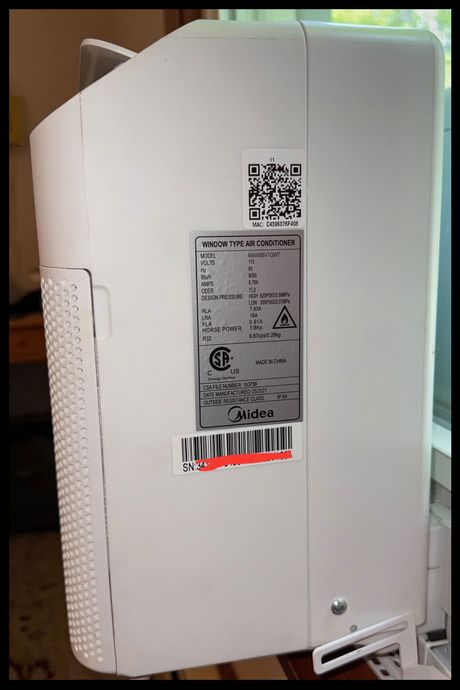
It’s worth noting too that this recall applies to all affected models, regardless of whether you were the original purchaser. It can be many years out of warranty (as mine was), purchased used, or received as a gift. No receipt or proof of purchase is necessary as long as the model and serial number are covered.
How do I check my Midea U for mold?
Once I had confirmed my eligibility for the recall, I was given the choice of a repair visit sometime in the next two to four weeks (this varies by geography) or a refund in three to five weeks. Before choosing, I decided to give the unit a thorough inspection according to Midea’s instructions, and I’m glad I did.
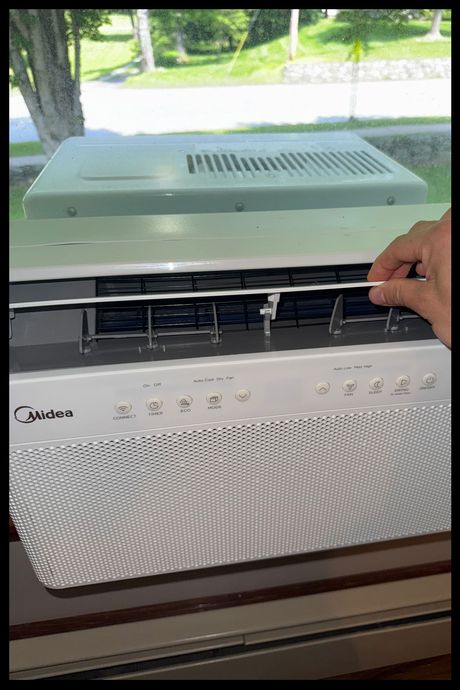
The first step is to unplug the unit, manually open the louver (where the cold air comes out), and remove the air-intake grill and filter.
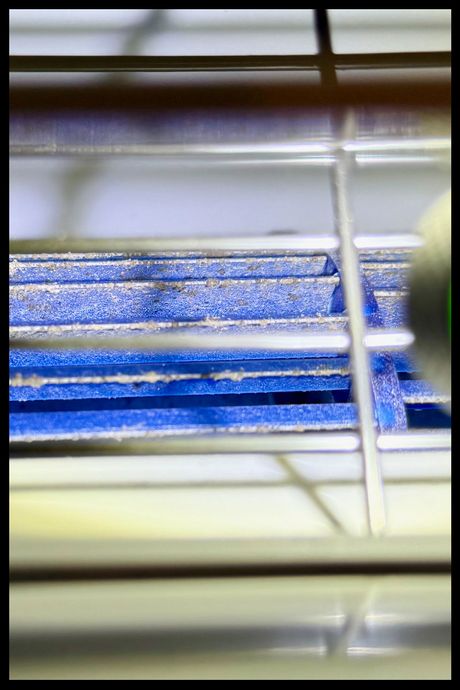
Next, using your phone light or a dedicated flashlight, peer into the vent outlet to take a look at the blue fan blades. Some dust is fine, but the blades should be blue. If you see splotches, they are most likely mold, and you will smell an unmistakably dank odor. In my case, the edge of every blade was covered in splotches and the odor was obvious.
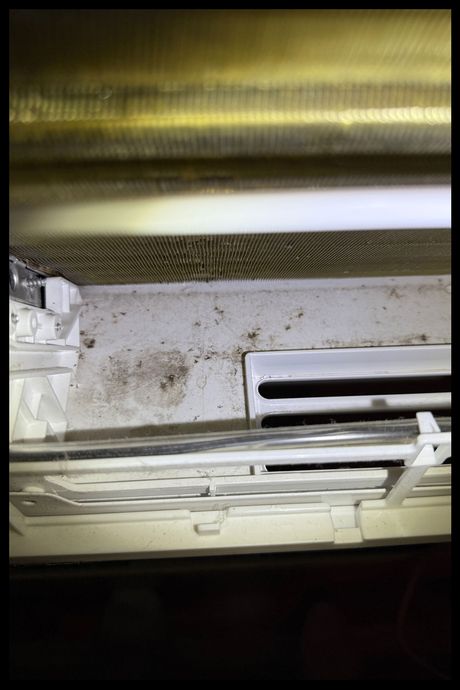
The next step is to check the zone beneath the vent, taking a close look at the condenser fins and drip tray. My drip tray looked a bit dirtier than expected, but it didn’t smell like mold or mildew. And the fins looked pristine.
Should I schedule a repair or get a refund?
I liked the idea of getting this thing repaired so it wouldn’t go to waste — after all, it was still functioning as quietly and effectively as ever. But nothing wigs me out more than the sight and smell of fungal growth where it shouldn’t be. Once I saw and smelled those splotches up close, there was no question I would opt for the refund, especially since there’s no way to clean the blades without breaking part of the unit.
I paid $350 for my 8,000 BTU unit in 2022 and was offered $305 in the form of a prepaid Mastercard for it after three years of service, which seemed more than fair. However, to qualify, I would need to prove to Midea that I had permanently disabled the unit by cutting the power cord.
As for my 2024 unit, I’ll have to see if it qualifies when I’m back in Brooklyn. If it does, I will likely opt for the service kit — unless it has developed mold since I last checked it in early May.
Should I still do the recall if my AC is clean?
If you closely inspected your AC and didn’t find any mold or mildew, you may continue to use your Midea U, but I would still recommend signing up for the recall. Just request a repair instead of a refund. Depending on your specific model, Midea will either send you a redesigned drain plug and a bubble level for fixing your unit (all future Midea U units will include this kit) or dispatch a technician to drill a drain hole and install the kit to the correct specifications.
How do I get the refund?
Once I filled out my information and confirmed I wanted a refund, the next screen informed me that I would be receiving a text or an email with instructions on how to submit evidence that I had actually cut the power cord.
The follow-up text came within five minutes and included a link to download the Truepic Vision app. It installed quickly and walked me through the necessary camera and location permissions. I was then presented with instructions on how to take a photo meeting the necessary requirements. But first, I would need to do the deed.
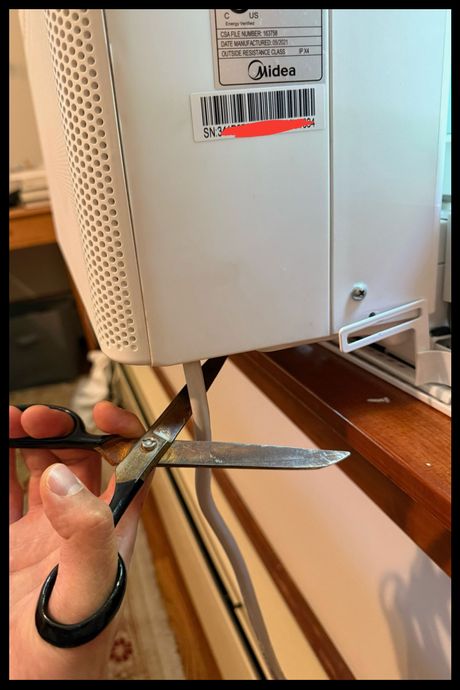
The AC was already unplugged after my inspection, but it’s prudent to double-check these things. Then I got a sharp, heavy-duty pair of scissors from the junk drawer to do the actual cutting. The instructions say to cut close to the unit so you can get a picture with the cut cord and the serial number in the same frame. This was genuinely difficult to do with the tool I chose. If you have cable cutters, I would recommend using those instead.
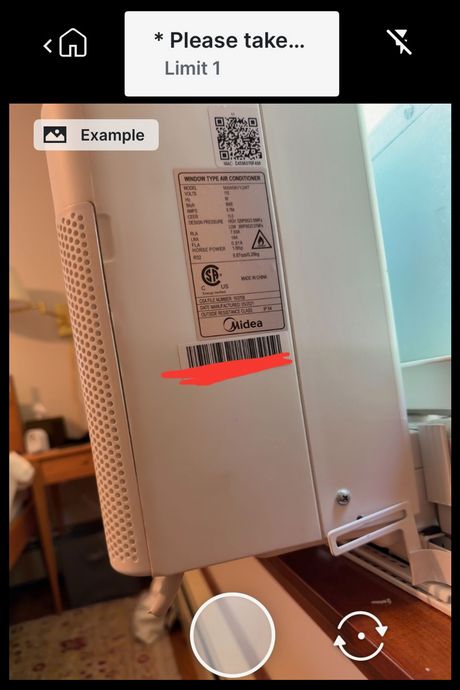
With the cord cut, I simply had to take the picture and hit “submit.” The confirmation came within seconds.
What happens after I submit my refund request?
Midea says it should take about three to five weeks to process most refunds. Once you receive your refund, you can dispose of the unit according to local regulations. The FAQ also mentions the option to send it back using a prepaid shipping label if you prefer. My hope is that doing the latter might lead the functioning parts of the unit to be recycled or reused, but Midea has yet to respond to my requests for information.
What’s the best replacement for the Midea U?
New! You can now save this product for later.
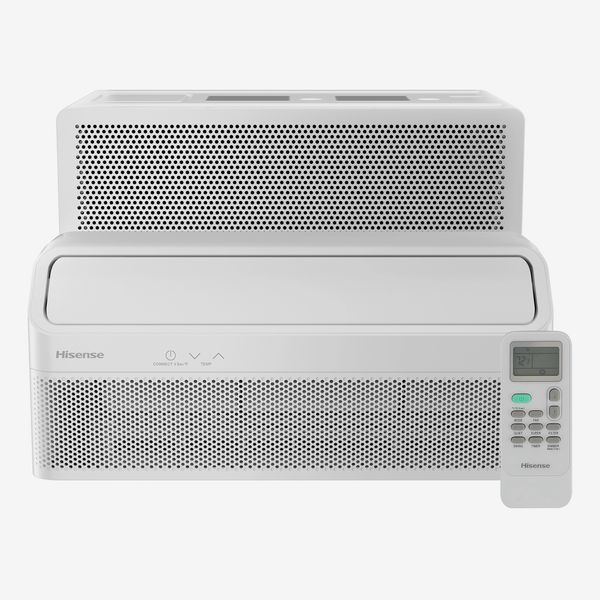
The Hisense Ultraslim is a brand-new model for 2025 that iterates on Midea’s unique sound-separating design. It has more of an L-shape than a U-shape but is at least as quiet as the U in my experience. However, it’s widely available only in a 12,000 BTU configuration, which means it’s more expensive and best suited for larger rooms of around 450 to 550 square feet. Hisense makes an 8,000 BTU version, but it’s available only at Costco, which is what I’ll be getting for my bedroom as a replacement for the Midea. While I do have some reservations about recommending a new design that hasn’t been proved through several seasons of use, it does come with a two-year warranty — twice as long as that of most ACs.
New! You can now save this product for later.
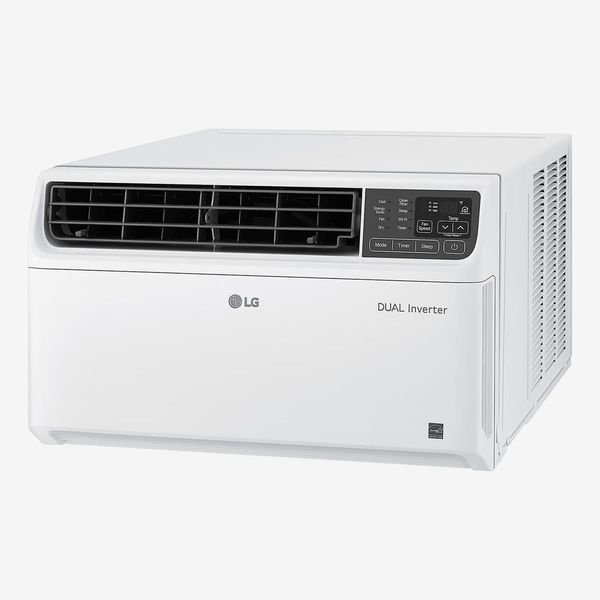
If this whole episode has you thinking twice about newfangled AC designs no matter how quiet they may be, then LG made the first Stateside inverter AC in 2019, and it has been a best seller ever since. It’s still quieter than any AC with a normal compressor, even if it isn’t the quietest model out there. And it’s available in a wide range of cooling capacities, from as little as 6,000 BTUs up to 23,500 BTUs. I also feature a number of other normal-shaped picks in our full review.
More From The Strategist
- Hark, the Advent Calendars Arrived (Very) Early This Year
- The Best Things Strategist Editors Have Bought This Year (So Far)
- 63 Things You Should Never Buy Full Price
- The Strategist Fall 100
The Strategist is designed to surface useful, expert recommendations for things to buy across the vast e-commerce landscape. Every product is independently selected by our team of editors, whom you can read about here. We update links when possible, but note that deals can expire and all prices are subject to change.