The Best Skin-Care Routine for Teens With Acne, According to Dermatologists

In this article
For teens, entering the world of skin careand building a routine can be confusing. Add acne to the equation, and the whole task can seem impossible. Not only are these teens dealing with a skin-care complaint that can seriously affect their confidence, but they’re being bombarded with hundreds of products, each of which claim to help. This abundance of choice backfires, dermatologists told me. A wide range of products actually leads to a lot of teens entering into a frustrating cycle: By buying and trying every new skin-care product, they seriously damage their skin in the process and make their acne worse.
But I’m here to help. I’ve used my three years of skin-care writing expertise, and chatted with dermatologists, to nail down the skin-care steps and products to best help teens with acne. Now, when I say acne, I’m talking about anything from angry red pustules to bumpy closed comedones and pesky whiteheads and blackheads. The treatment that’s best for a teen will depend on the type of acne that they’re developing — and below I’ve made it clear which product is best suited for which type of zit.
Below, I’ve built an entire skin-care routine, from the basics that every teen (and everybody, for that matter) will benefit fromusing daily, to more targeted treatments for preventing acne, as well as products to use during a breakout, and to prevent acne-scars. Each step of the way, I’ve kept teenage budgets in mind. Throughout, I’ve peppered advice from my dermatologists about how to best treat acne, some common mistakes, and words of encouragement, such as their advice on when to seek help from a professional. “If you’re seeing dark marks or scarring, if it comes on very suddenly, if it’s very painful, then it’s best to see a dermatologist right away — because not all red bumps are acne,” says Carmen Castilla, M.D. “Also if it’s really affecting their self-esteem or self-confidence, it’s better to come in.”
If you already know the type of product you’re interested in (and the kind of acne that you have), you can jump straight ahead to that section. And make sure to also read my more general guide to teen skin care, as well as our pieces on dealing with acne at any age.
Updated on January 21, 2025: Added a new section on acne scars; updated prices and checked stock for all products.
If you only buy three things:
Cleanser
Everybody should cleanse — always once at night, and potentially once in the morning (only if you have particularly oily skin and feel the need). For this, you’ll want a simple, gentle product — CeraVe is hard to beat. You can also incorporate a cleanser that’s targeted toward acne treatment, which will have ingredients like salicylic acid (an exfoliating BHA) or benzoyl peroxide (a topical antiseptic).
You might be wondering, Why can’t I just use my acne-focused cleanser every day? That’s because although the percentage is low, using a targeted cleanser every day is too much for young skin. “Every day is probably too much. Anytime you’re introducing something new with an active ingredient, introduce it slowly. See how you tolerate it, and see if it works,” says Dr. Jeremy Brauer, founder at Spectrum Skin and Laser. “If you benefit from using it only a couple of times a week, fantastic. If you find that you need to use it more often, then you can do so.”
And not to complicate things, but if you’re incorporating an SPF (which you should be) or if you wear makeup, I advise you to start double cleansing. Your first cleanse will be with an oil-based cleanser, to break down any lingering SPF, makeup, or grime, then your second cleanse will actually get to work on your skin — so it should be a water-based cleanser, to break down and remove sweat and dirt.
New! You can now save this product for later.
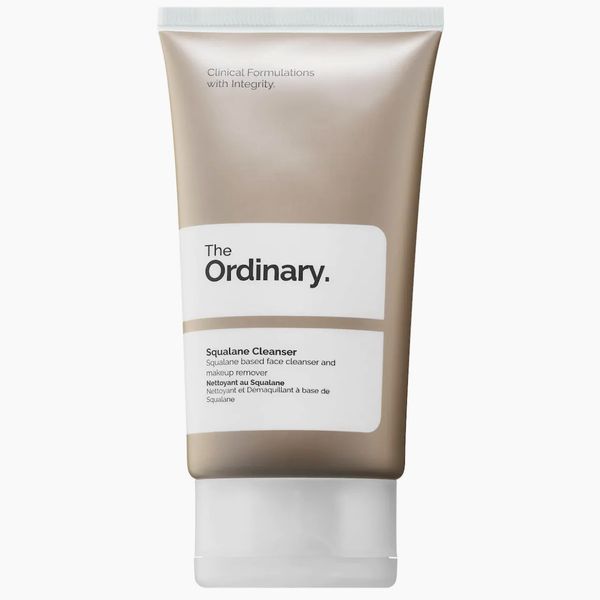
This is a simple, noncomedogenic, soap-free cleanser for your first cleanse. Then, you move on to either a gentle cleanser or a targeted cleanser for your second cleanse.
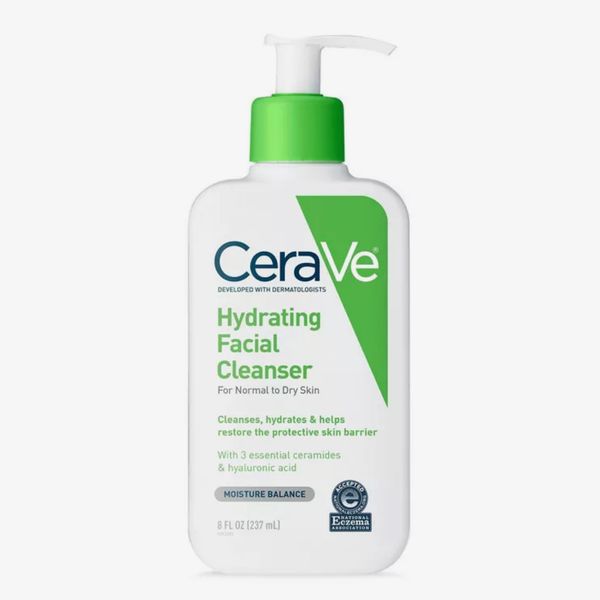
New! You can now save this product for later.
CeraVe Hydrating Facial Cleanser
CeraVe makes my favorite gentle cleanser: Its hydrating formula contains ceramides and glycerin, so it won’t dry your skin out as it cleanses. If you have oilier skin, you might prefer its foaming cleanser — it’s still hydrating but gives the pores a bit more of a strip.
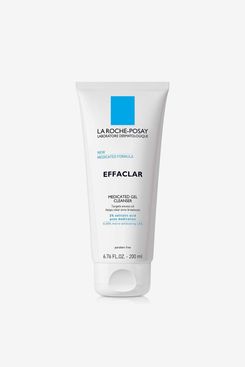
New! You can now save this product for later.
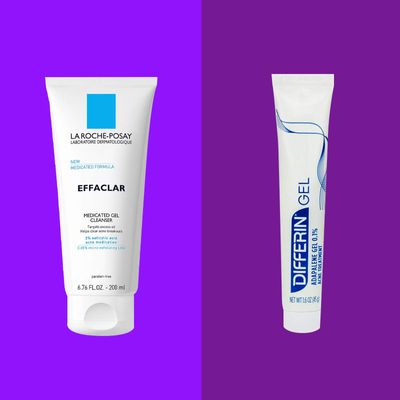
If your acne is showing up as closed comedones (tiny raised bumps on the surface of the skin), blackheads, or whiteheads, salicylic acid is the ingredient to incorporate into your skin-care routine. “This is usually the first sign of acne teens experience, and they’re very common along the forehead,” says Castilla. “Salicylic acid will help exfoliate the skin and unclog the pores.” Four dermatologists recommended this cleanser from La Roche-Posay — it contains 2 percent salicylic acid, the percentage Dr Jaimie Glick, M.D., says she always recommends to teens as it’s effective yet not too strong (but still not gentle enough for daily use, think three to four times a week).
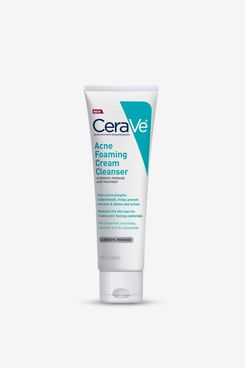
New! You can now save this product for later.
If your acne is red, angry, and showing up as pustules, benzoyl peroxide will be the best ingredient to introduce. Three of my dermatologists recommended this cleanser from CeraVe as an effective, non-irritating choice. “Benzoyl peroxide can be very drying but this a gentler formulation,” says Castilla. “It contains hyaluronic acid to help maintain hydration and ceramides that help support a healthy skin barrier.” Those with drier, sensitive skin types might prefer to incorporate benzoyl peroxide in the cleansing step, as opposed to a spot treating step, as it is much gentler on the skin. A word of warning, though: Benzoyl peroxide can stain towels and bedsheets — so lock the guest towels away.
Moisturizer
Moisturizing is another universal step, but it really becomes vital when you’re introducing acne-targeting ingredients to your routine. “For the most part, these ingredients are all drying and irritating,” says Castilla. “A good moisturizer is going to help your skin tolerate them.”
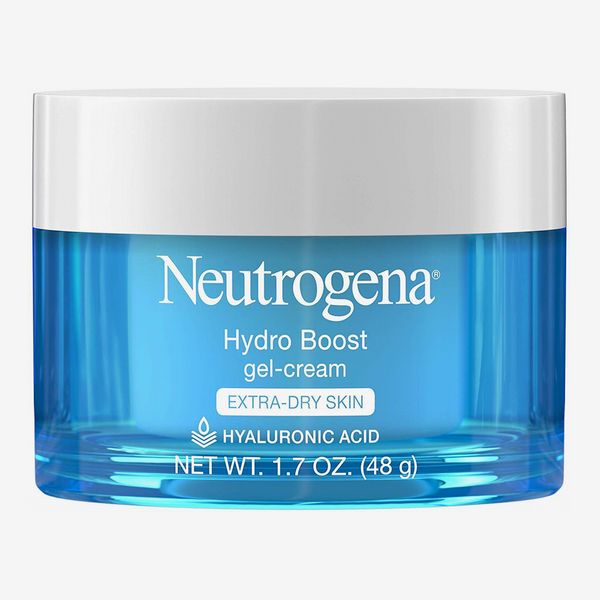
New! You can now save this product for later.
If you have oilier skin, several of my dermatologists recommended a gel-based moisturizer. In fact, most of them named this one by Neutrogena as their favorite. Dr. Margarita Lolis told me she recommends it as it’s simple, and kind to skin. “You want to use a moisturizer that does not have many ingredients. They can irritate or even serve as allergens since your skin barrier is already compromised,” she says. “I recommend staying away from any fragrance, parabens, lanolin, formaldehyde, etc. Look for moisturizers that contain humectants and ceramides, as this one does.”
New! You can now save this product for later.
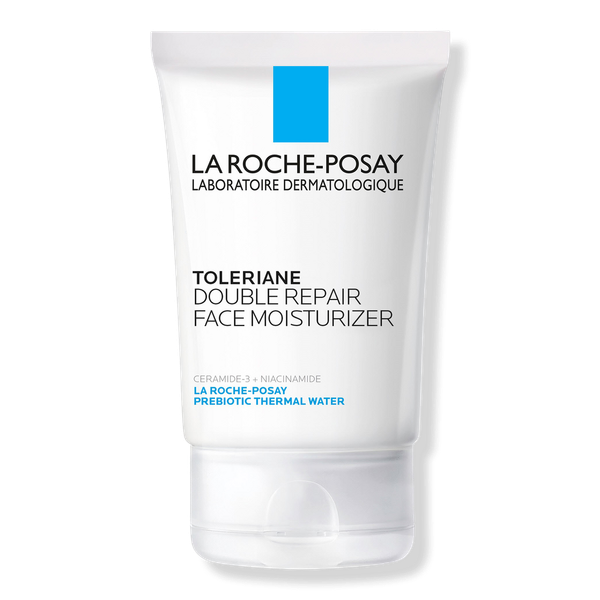
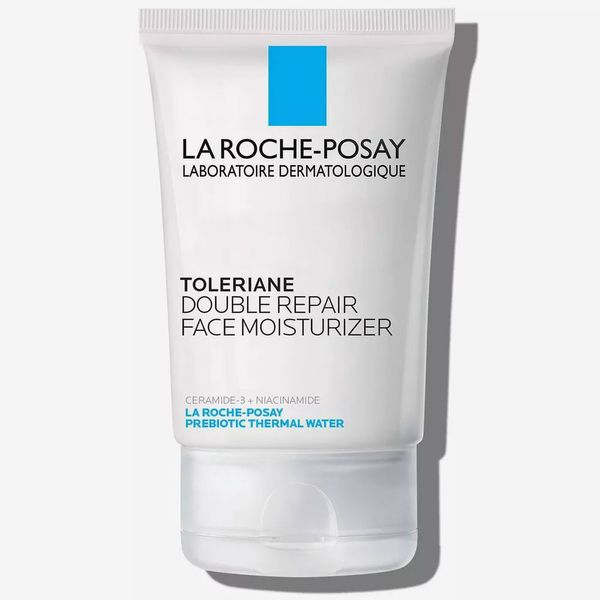
This creamier moisturizer is suited to drier skin types. Dr. Lolis, Dr. Castilla, and dermatologist Vladyslava Doktor all recommend it to their acne-prone patients with dry to extremely dry skin types. “It’s good for sensitive skin, and has ceramides, which are basic moisturizing ingredients,” says Dr. Doktor. The moisturizer also contains niacinamide, which is an anti-inflammatory (and should help with redness). I also like its Cicaplast Baume B5 moisturizer, which I’ve been using for three years or so on my extremely dry, acne-prone skin — but I have known it to break some people out. I’d advise teens to incorporate new products into the routine one by one — that way if you suddenly break out, you’ll know the culprit.
SPF
No matter your skin type, you need to finish your skin-care routine with SPF. But, as with moisturizing, this becomes even more important when you’re using acne-targeting ingredients. That’s because retinoids(more on that, below)and benzoyl peroxide increase the skin’s sensitivity to UV damage. Sun damage can also lead to the darkening of any scars that acne may leave behind. So if teens haven’t been using SPF, now is the time to get into the habit.
New! You can now save this product for later.
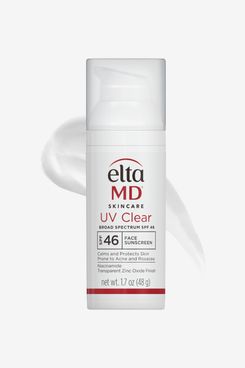
My preferred SPF comes from Elta-MD, which is a sunscreen targeted towards acne-prone skin. It’s a mineral sunscreen that uses zinc oxide to form a physical barrier between the skin and the sun. It’s by no means cheap, but it’s been recommended to me by dozens of dermatologists, who tell me teens won’t be put off by its consistency. “It feels like silk going on, is perfectly seamless, transparent, and lightweight,” says Philadelphia-based dermatologist Dr. Nazanin Saedi. Finding a product that isn’t sticky and that they’ll actually enjoy is half the battle.
Spot treatment
Spot treatments are for — you guessed it — treating individual spots or active breakouts. One of the biggest pieces of advice I can offer you is to avoid picking, squeezing, or just generally futzing around with your spots. This is what causes them to scar, and can also introduce more bacteria into the area, leading to more breakouts. Resist the urge, pop a pimple patch over it, and you’ll thank yourself down the line (as satisfying and tempting as it may feel to pop!).
New! You can now save this product for later.
Neutrogena Rapid Clear Stubborn Acne Spot Gel
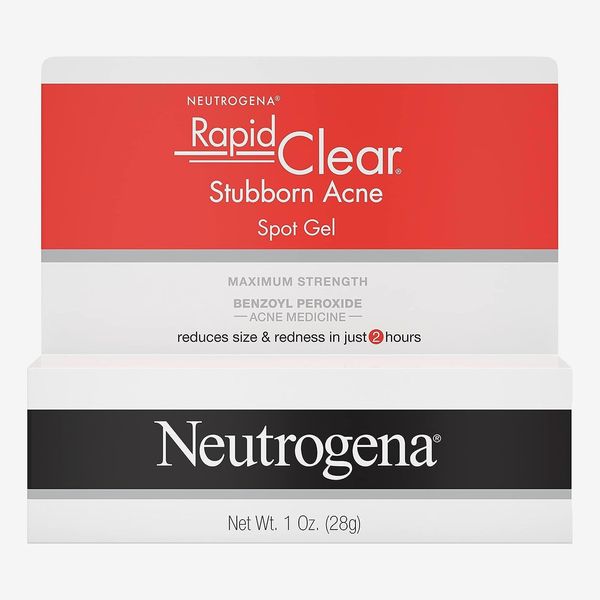
If you want to really target a zit, use this cream after cleansing, but before moisturizing. This spot treatment has a 10 percent concentration of benzoyl peroxide, compared to the above cleanser’s four percent. This means it’s much more effective but, as Dr. Saedi warns, “can cause irritation if you use too much and get it on unaffected skin.” Use it sparingly, dabbing it on your red angry pimples, and make sure to keep the area and the skin around it well moisturized (and again, far away from the fancy guest towels).
New! You can now save this product for later.
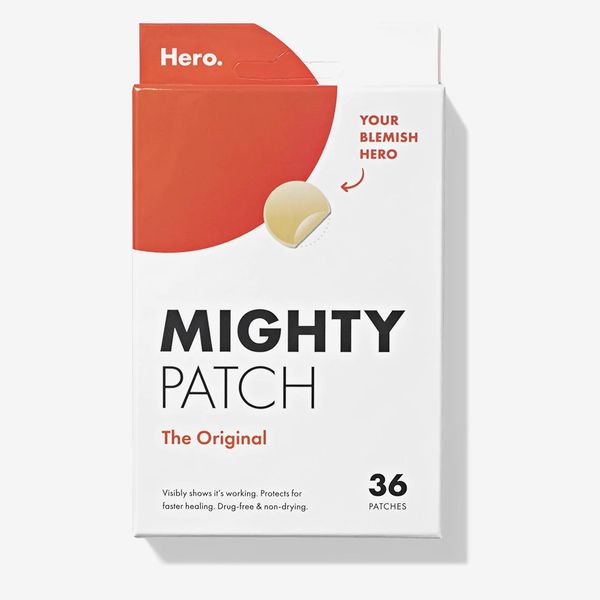
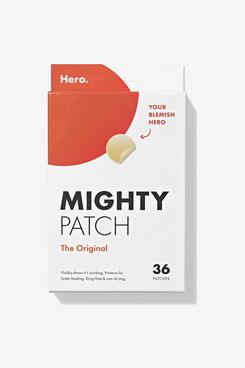
A piece of advice from every skin-care professional whom I have ever interviewed: Don’t pick your spots! Tempting as it is, picking can lead to scarring, and pesky bacteria from picking-fingers can actually make your breakouts worse. When teens feel the urge to pick a spot that has already surfaced, I recommend slapping a pimple patch on the area instead. It will work best on freshly prepped skin so use it at the very end of your routine. These patches from Hero Cosmetics will shield the pimple from potential pollution, reduce the urge to pick, and use hydrocolloid to draw gunk from within the breakout to the surface. They’re also almost invisible.
New! You can now save this product for later.
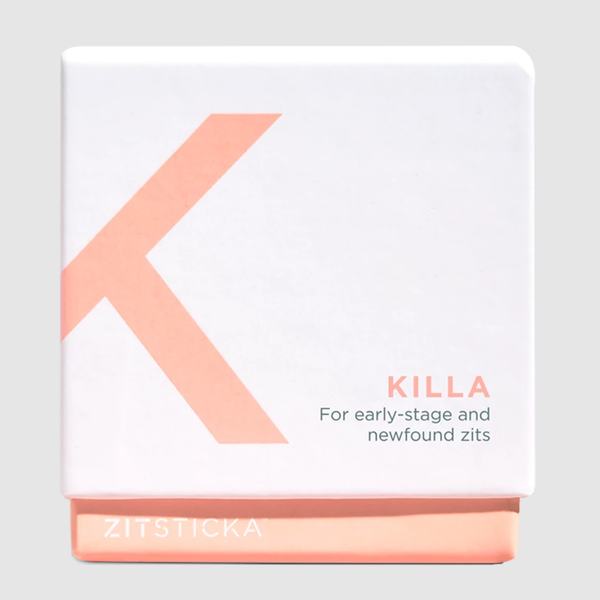
For deeper spots that haven’t surfaced yet, a patch with microdarts can speed up the process. These ones from ZitSticka deliver salicylic acid, niacinamide, and hyaluronic acid via micro darts into the skin. They help increase skin-cell turnover, reduce inflammation, and speed up the entire healing process.
Retinoid
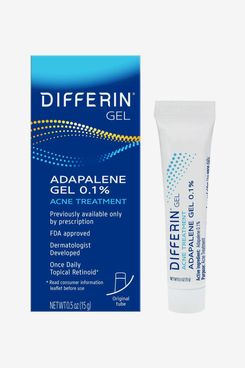
Retinoids is an umbrella term for a group of vitamin-A-derived products that stimulate cell turnover, and help reduce the look and texture of acne. While retinoids are beneficial for all kinds of acne, it’s a particularly popular choice for those dealing with painful cystic acne, which is often triggered by changes in hormones. Retinol and retinal are both kinds of retinoids, as is adapalene, which is the retinoid found in Differin gel.Differin gel is so popular as, while it was once available only by prescription, you can now purchase it over the counter.
New! You can now save this product for later.
Differin, as mentioned, is great at stimulating skin-cell turnover, but it can also be very irritating, and many people using it for the first time can notice redness or a purge period. That’s why it’s important to introduce it to your routine slowly, says Dr. Brauer. “We’re not racing, we’re taking the tortoise approach.” If you’re using this, slot it in after cleansing, and before moisturizing. “I would advise that a little goes a long way, just a pea size for the entire face with moisturizer on top,” says dermatologist Brooke Jeffy, M.D. “If struggling with irritation, application on dry (not damp) skin can help as can sandwiching it between layers of moisturizer.” If retinoids simply don’t agree with your skin, you might want to chat with your doctor about starting a form of hormonal birth control — which has also been shown to help tame this kind of acne.
Scarring
Scars happen. For some people, they come as a result of picking at your spots, other people are just unlucky. Either way, don’t despair — there are products that will help fade your scars. But prevention is truly the best cure. I’ve picked my spots. You’ve picked your spots. But for scarring’s sake, it’s really best to try to avoid the temptation. And don’t forget sunscreen!
New! You can now save this product for later.
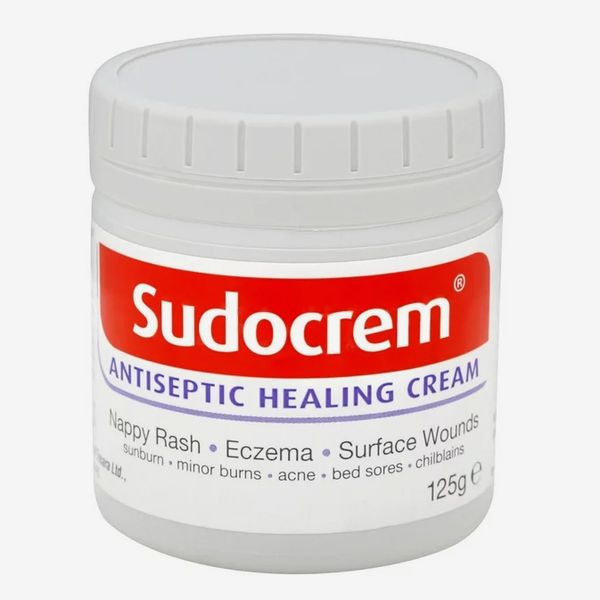
I first started sleeping in a mask of diaper cream on the suggestion of dermatologist Dr. Shereene Idriss. Diaper cream is packed with zinc oxide, and as my fellow beauty writer Tembe Denton-Hurst reported, “Zinc oxide is good for hyperpigmentation in particular and is thus a favorite of dermatologists for patients with melasma.”Yes, it’s used on babies, but it’s also used by wound experts (and an acne scar is a type of wound). I sleep in a thin mask of this every few days, and within a week my angry red scars look considerably faded. If you can’t find Sudocrem in your drugstore (it’s bigger over in the U.K.), any zinc-oxide-rich diaper cream will do.
New! You can now save this product for later.
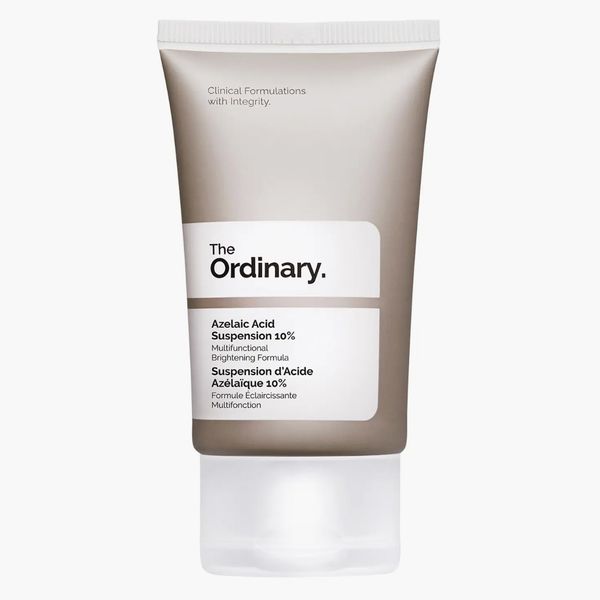
Azelaic acid is a great ingredient for both preventing acne (it can kill bacteria) and improving the appearance of scars (it’s also great for redness).Dr. Michele Farber of Schweiger Dermatology explains that “azelaic acid works by inhibiting the formation of an enzyme called tyrosinase, which in turn stops the mechanism that produces skin-darkening melanin.” I like this affordable option from The Ordinary.
The Strategist is designed to surface the most useful, expert recommendations for things to buy across the vast e-commerce landscape. Some of our latest conquests include the best acne treatments, rolling luggage, pillows for side sleepers, natural anxiety remedies, and bath towels. We update links when possible, but note that deals can expire and all prices are subject to change.