It’s Barrier-Repair Season. Here Are 3 Things to Look for in a Moisturizer.

Now that the temperatures are dropping, it’s time to get serious about skin hydration. Shopping around for a good moisturizer can be tough though, especially with a dizzying number of options on the market. To help, I’ve broken down the three main moisturizing agents: humectants, emollients, and occlusives. Each functions differently (though there is some overlap I’ll get into), so it’s helpful to know exactly what to look for when considering a new lotion. I spoke to cosmetic chemist Dr. Julian Sass, who broke down the benefits and common ingredients within each category. Plus, he gives us some tips on how to really lock in hydration this winter and his preferred drugstore moisturizer.
Humectants draw in moisture
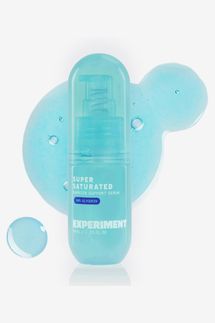
When a humectant and water are combined in a formula, it allows water to get drawn into the upper layers of the skin — from the air and the dermis (deeper layers of the skin) — resulting in hydrated skin. The two most popular humectants are glycerin and hyaluronic acid. Other humectants include urea, aloe vera, seaweed, and honey. We’ve talked about glycerin and how it’s hyaluronic acid’s inexpensive alternative, but Sass doesn’t recommend buying pure glycerin and adding it to water for a DIY serum. “It’s very sticky and tacky. Also, when you have pure glycerin on your skin, it actually has an exothermic reaction. Your skin will feel hot for a moment,” he says. “It’s not harmful, but it’s not the nicest sensation.” On top of that, keeping glycerin stable and sanitary is an issue without added preservatives that are found in serums. Still, you can find plenty of glycerin and hyaluronic-acid serums for cheap.
New! You can now save this product for later.
New! You can now save this product for later.
You’ll also often see humectants added in cleansers. This adds hydration and also helps to decrease irritation that can happen from stripping cleansing agents, Sass explains. On top of that, certain humectants can boost the foaming from cleansers, so it adds a functional purpose. The bubbles from a cleanser are thicker and last longer, making for a more pleasant face or body wash experience.
Emollients soften skin
Emollients are lipidlike or fatty substances that fill gaps between skin cells to create a stronger skin barrier. It also results in smoother-looking, softer skin. While they don’t attract moisture like humectants, they help boost the skin’s resistance to irritants, since the outermost layer of the skin is stronger overall. Emollients are found as fatty acids, natural oils (including jojoba, sunflower, rosehip, shea butter, cocoa butter, and argan oil), synthetics like silicones and esters, and bioactive lipids (lipid molecules that boost collagen and elastin, regulate inflammation, and help with wound healing) like ceramides.
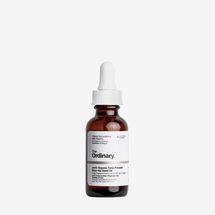
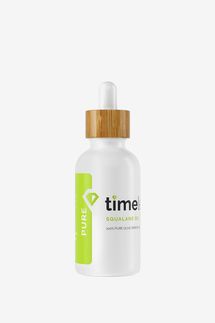
Some emollients (but not all) also help with transepidermal water loss and can veer into occlusive territory (more on that below). “It’s hard to draw the line between emollients and occlusives because their makeup is very similar and how we use them in a formula is very similar,” he says. “It’s a sliding scale and certain oils are on different places along that scale depending on how silky soft your skin feels afterward versus trapping water into the skin.” Emollients that are more on the occlusive side (and wouldn’t be ideal for a facial oil) are olive oil and castor oil. Ones that smooth out skin and are best for things like facial massages, are rosehip oil, squalene, and grape-seed oil. These can be bought as single-ingredient products (unlike humectants), if you want an inexpensive way to add it into your skin-care routine.
New! You can now save this product for later.

New! You can now save this product for later.
Occlusives seal moisture in
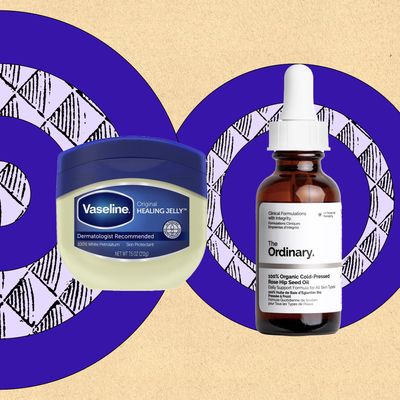
Occlusives form a physical, semi-impermeable barrier on the skin and prevent water loss (similar to emollients). By retaining water on the outermost layer of the skin, they trap existing moisture in the skin, which can help barrier repair in deeper epidermal layers. The gold standard occlusive is petrolatum, since it causes the least amount of transepidermal water loss. And some occlusives that have emollient properties (skin-smoothing benefits) are mineral oil, beeswax, shea butter, and cocoa butter.
Most moisturizers have all three …
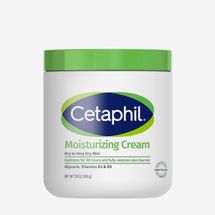
Most face and body moisturizers have all three: a humectant, emollient, and occlusive. The finishes and weight of each moisturizer depends on the types and ratios of emollient and occlusive used. “A formula with a really lightweight dimethicone, results in probably a lighter gel cream, versus one that uses shea butter that’s going to feel a lot heavier and on the occlusive side,” Sass explains. One way to differentiate between heavier and lighter-weight moisturizers is looking at how far up occlusives like petrolatum, shea butter, and dimethicone are on the ingredient list. His personal favorite for the winter is Cetaphil’s moisturizing body and face cream, because it’s full of occlusives and is a heavier lotion that keeps his skin feeling hydrated longer. And if you’re on the drier side, Sass also recommends applying moisturizer on damp skin. “You’re allowing more of that water on your skin to get trapped and be absorbed. You’ll end up with skin that feels more hydrated,” he says.
New! You can now save this product for later.
… But if you’re extremely dry, top your moisturizer with an occlusive ointment
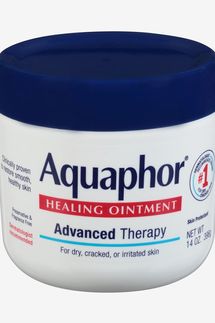
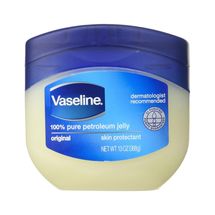
For the severely dry or eczema-prone, you might want to add an extra occlusive (on top of a moisturizer) as your last step. The physical barrier of an occlusive helps prevent transepidermal water loss and ensures you’re getting as much hydration locked in. Sass says balms, Aquaphor, or Vaseline are perfect for this.

New! You can now save this product for later.
New! You can now save this product for later.
Oily skin types need a lightweight formula
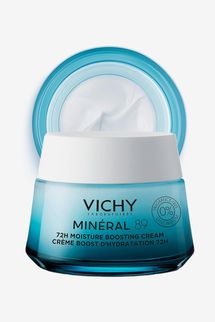
On the other side of the spectrum, oilier skin types might benefit most from a moisturizer that’s less occlusive heavy and might want to veer away from adding an occlusive as a last step. Sass says occlusives won’t cause breakouts for every person with oilier skin, but from a textural perspective, a lightweight gel moisturizer makes more sense. “If you’re really oily or acne-prone, ending your routine with a thick layer might not feel comfortable on the skin,” he says. “You can still get good moisturization in a gel cream without needing to look for something richer.”
New! You can now save this product for later.
More From The Strategist
- Hark, the Advent Calendars Arrived (Very) Early This Year
- The Best Things Strategist Editors Have Bought This Year (So Far)
- 63 Things You Should Never Buy Full Price
- The Strategist Fall 100
The Strategist is designed to surface useful, expert recommendations for things to buy across the vast e-commerce landscape. Every product is independently selected by our team of editors, whom you can read about here. We update links when possible, but note that deals can expire and all prices are subject to change.