The Emergency-Preparedness Items I’m Buying As a First-Time Homeowner

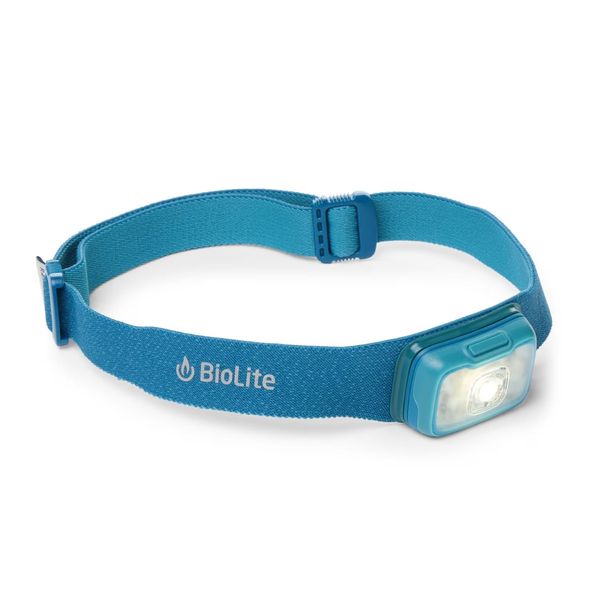
My fiancé and I closed on our first home last month, and the entire experience has been super exciting yet stressful. Before we even got the keys, many of our family members and friends had told us new-homeownership horror stories and recommended items we should buy and keep on hand to avoid them. I quickly began compiling a list of these things, which included a fire extinguisher, a tall ladder for changing our smoke-detector batteries, water-leak sensors, and even a few reliable plungers. I knew a well-stocked emergency tool kit — with a wrench, screwdrivers, utility knife, duct tape, work gloves, and a headlamp — was critical. But as I heard more recommendations for items I’d never considered, I wondered what else we could be missing.
To figure out everything we’d need just in case, I spoke to disaster-prevention experts about the things homeowners (and renters) should have around for different scenarios, like basement floods and small fires. Just note that any emergency-preparedness products are rechargeable, which often means they contain lithium-ion batteries. Purchasing lithium-ion-battery-powered devices safely requires looking for items with a stamp from the Nationally Recognized Testing Laboratory (NRTL) program, according to Kelly Ransdell, the director of public education at the National Fire Protection Association (NFPA). The NRTL certification was created by the Occupational Safety and Health Administration (OSHA) to ensure your electrical appliances, electronics, and home systems — from your electric toothbrush to your power tools and security cameras — undergo independent third-party testing to verify safety standards.
If you’re not sure where to begin, creating a go bag in case you must evacuate your home quickly is a key preparation step, according to Mina Arnao, founder of More Prepared, a provider of emergency-survival and disaster-readiness solutions based in Southern California. Along with your go bag, a stay-at-home kit is important too. It should contain things like bulk nonperishable meals and a larger water supply. Stephanie Fox, the national spokesperson for the American Red Cross, suggests compiling everything that’s already in your go bag — her checklist is below — but in a more robust version that can sustain and comfort your family for up to two weeks.
1. Water: one gallon per person per day
2. Food: nonperishable, easy-to-prepare, and accommodating of dietary restrictions or allergies
3. Flashlight with extra batteries
4. A radio, either battery-powered or hand-crank
5. First-aid kit
6. Prescription medications (seven-day supply) and medical devices
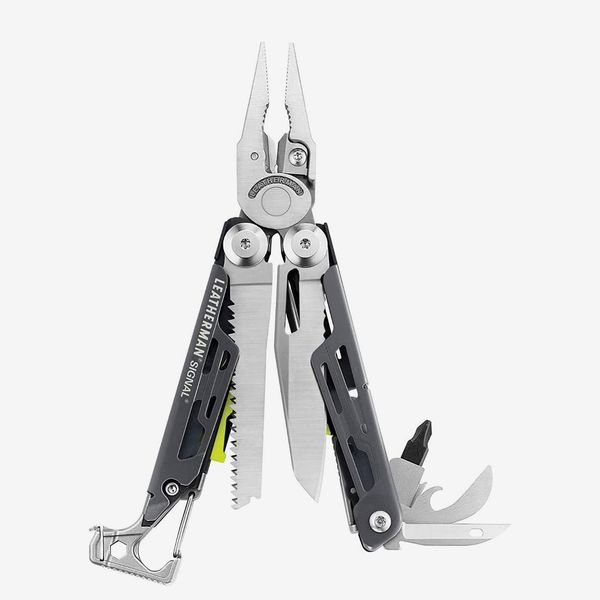
7. Multipurpose tool
8. Sanitation and personal-hygiene items
9. Copies of personal documents (medication list and pertinent medical information, proof of address, deed or lease to home, passports, birth certificates, insurance policies)
10. Cash
New! You can now save this product for later.
New! You can now save this product for later.
New! You can now save this product for later.
New! You can now save this product for later.
New! You can now save this product for later.
New! You can now save this product for later.
If you’ve made it this far and you’re still thinking about ways to prep, you are already a step ahead. As emergency-planning and home-safety expert Carrie, known as the Housewife Prepper online, told me, “The first few minutes of a burst pipe, small fire, power outage, storm, or other emergency can make a huge difference, and having the right equipment already in your home can prevent a manageable problem from becoming an expensive one.”
What should I keep on hand for a kitchen fire?
Smoke alarms are the key tool in fire prevention. Ransdell told me checking the expiration date on your smoke alarms is vital for new homeowners, especially if you’re living in an older house. “Depending on the brand,” she says, that “will either be ten years to the date they were manufactured or ten years from the date they were activated.” She adds that if you ignore this step, the detectors may work during your testing but not activate properly during a fire if the device has expired. Navy veteran Gabe Soltero, a director of operations at disaster-response organization Team Rubicon, also mentioned considering a plug-in alarm to detect gas leaks (like natural gas and propane) in addition to smoke and carbo- monoxide detectors.
New! You can now save this product for later.
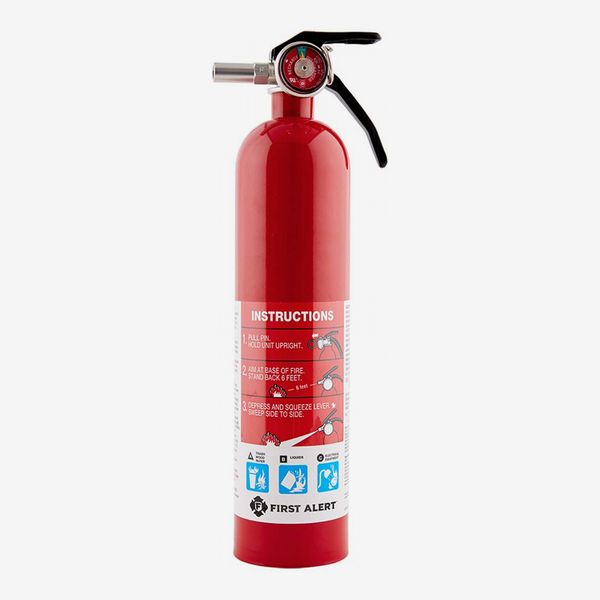
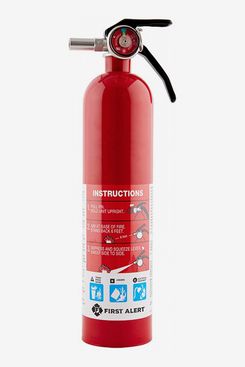
I bought this commercial-grade First Alert fire extinguisher — the multipurpose brand mentioned in our guide to the best items to stock for any emergency — to keep under our kitchen sink in case we have a kitchen fire or any other small fire emergencies.
New! You can now save this product for later.
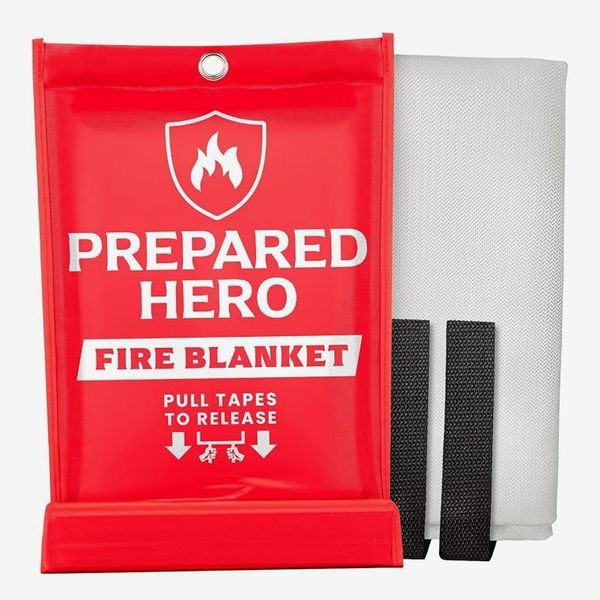
You’ll want to have fire blankets, which Arnao recommends to effectively smother a smaller fire (like a fire on the stovetop) and prevent it from spreading. They also don’t create any mess, unlike fire extinguishers.
What should I have for major storms or flooding in my home or basement?
New! You can now save this product for later.
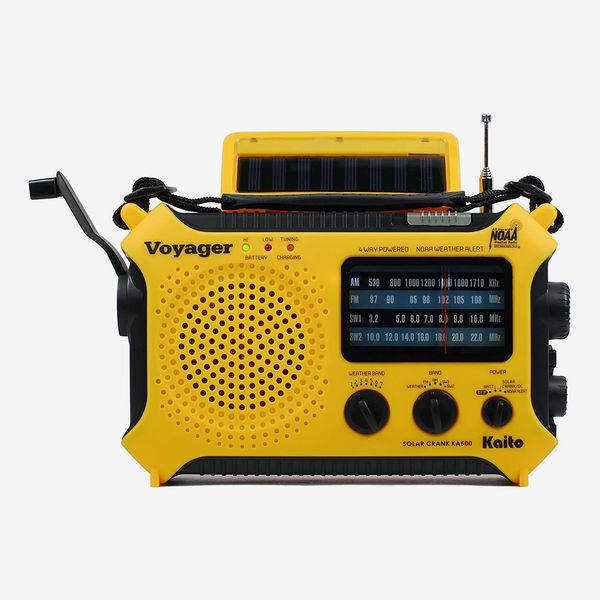
Mykel Hawke, a former U.S. Army Special Forces captain and the author of several survival books, suggests owning a backup communication device, such as a family radio, to receive emergency alerts if cell-phone towers are down. In our guide to the best emergency radios, this Kaito model came recommended because it has standard AM/FM bands plus shortwave radio, which can be helpful in non-weather emergencies. “Shortwave-band signals bounce off the atmosphere and can travel long distances, so if you’re in a situation where all nearby communication is cut off — a coup, for example, or an earthquake that knocks out radio towers — you might be able to pick up a radio broadcast from another part of the world that offers updates on the situation in your area,” says contributor Jennifer Conrad. It can also be charged in multiple ways, including by solar panel, hand-crank generator, USB connection, a AA backup-battery compartment, or an AC/DC adapter.
New! You can now save this product for later.
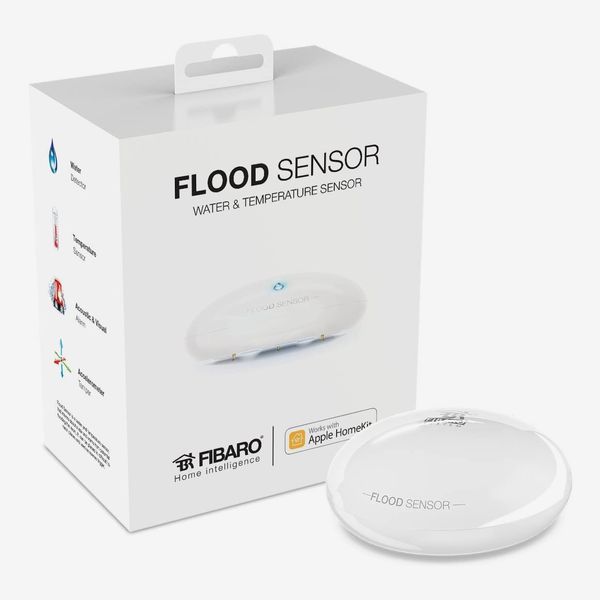
A few friends who are also homeowners recommended water-leak sensors. Carrie told me it’s best to place these detectors around water heaters, washing machines, and toilets; under sinks; and near other vulnerable areas because they can catch small leaks quickly before irreversible water damage occurs. The Fibaro water sensor was previously recommended on our site by April Ramoni, a coordinator with Team Rubicon. It has an acoustic alarm and is compatible with Apple HomeKit technology, so your smartphone can also receive alarm notifications.
New! You can now save this product for later.
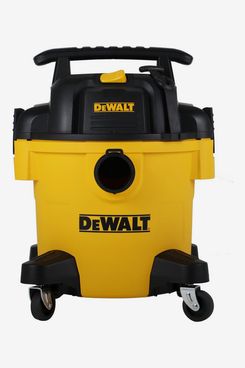
A wet/dry vacuum (or shop vacuum) — which is designed to remove water and debris — is another piece of gear you’ll want to have around for quickly dealing with water from leaks, flooding, or appliance failures. For the average homeowner, this DeWalt one, which we included in our guide to the best wet/dry vacs, should do the trick. At under 16 pounds, it’s easy to maneuver and compact for household storing.
New! You can now save this product for later.
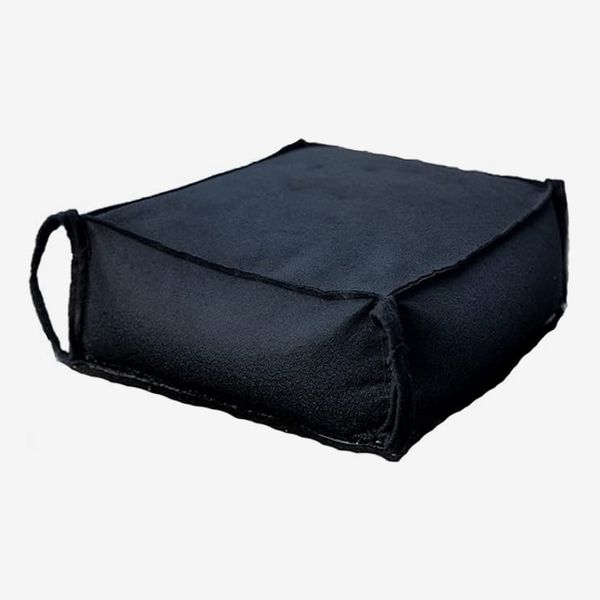
Arnao listed flood-control barriers as helpful tools to temporarily block or divert water away from your home. These gel-filled Minnow bags from Garrison Flood Control are a sandbag alternative designed to absorb water and swelling in under five minutes to create a barrier at an entrance or doorway.
What about power outages? What do I need?
According to Carrie, a backup power source — such as a solar generator or a tri-fuel generator — can be super helpful for keeping essential appliances and devices, like your refrigerator and cell phone, running during an outage.
New! You can now save this product for later.
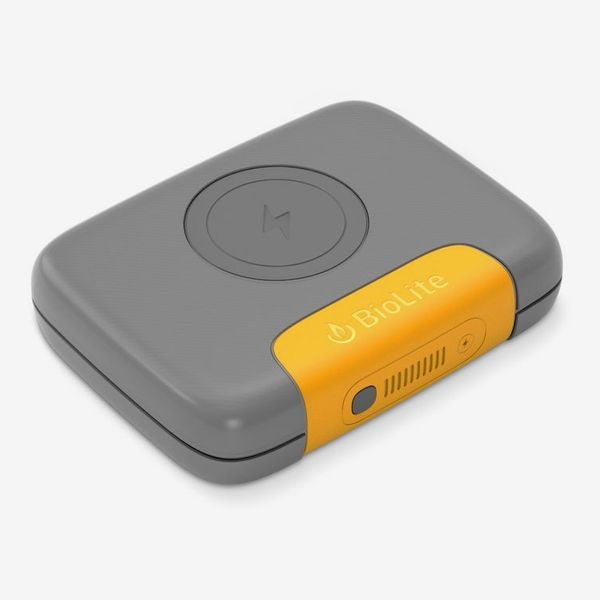
A portable charger like the rugged BioLite Charge 100 Max will make the perfect power station for phones, tablets, and laptops. “With a capacity of 25,000 mAh, the Charge 100 Max can recharge a MacBook Pro twice or an iPhone 17 Pro Max nearly five times,” says our tech writer Jordan McMahon.
New! You can now save this product for later.
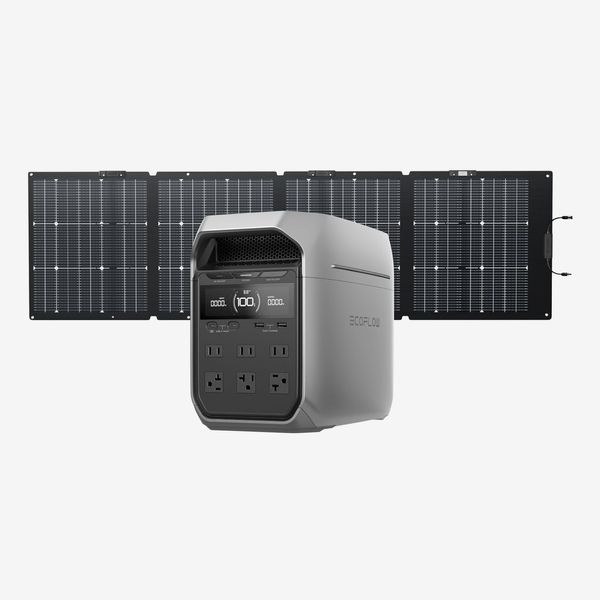
EcoFlow Portable Power Station DELTA 3 Plus - With 220W Solar Panel
We named EcoFlow’s Delta 3 Plus our best portable solar-powered generator overall because it offers a combination of reliability and ease of use. “It’s capable enough out of the box to run critical appliances, light enough for one person to carry, has a very fast recharge time, has a user-friendly app, and can charge from multiple solar panels for extended use during outages,” say our contributors Steven John and Sal Vaglica.
New! You can now save this product for later.
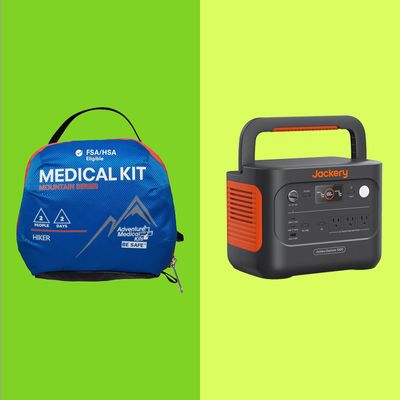
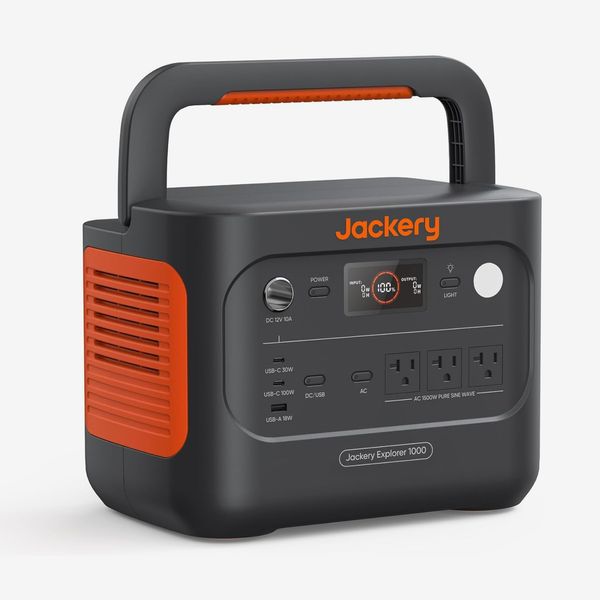
If you just need to power a few devices and want something easier to transport, Jackery’s portable power station can be charged using an AC power cord or 12V car adapter or attached to the brand’s compatible solar panels for continuous power. It can charge multiple devices simultaneously, including cell phones, AC units, and fridges.
New! You can now save this product for later.
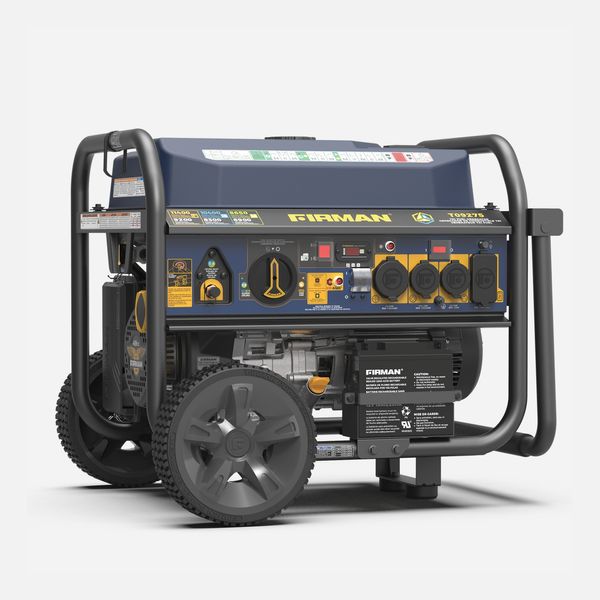
Firman Power Equipment Tri-Fuel Portable Generator 11400W Electric Start 120V/240V With CO Alert
Carrie recommends this portable generator that runs on gasoline, propane, or natural gas. It puts out enough power to run most of the essentials in your home and includes a built-in carbon-monoxide-detection system that will automatically shut down the generator if CO levels are too high (though you’ll always want to use a fossil-fuel generator outdoors and in an area with plenty of ventilation).
New! You can now save this product for later.
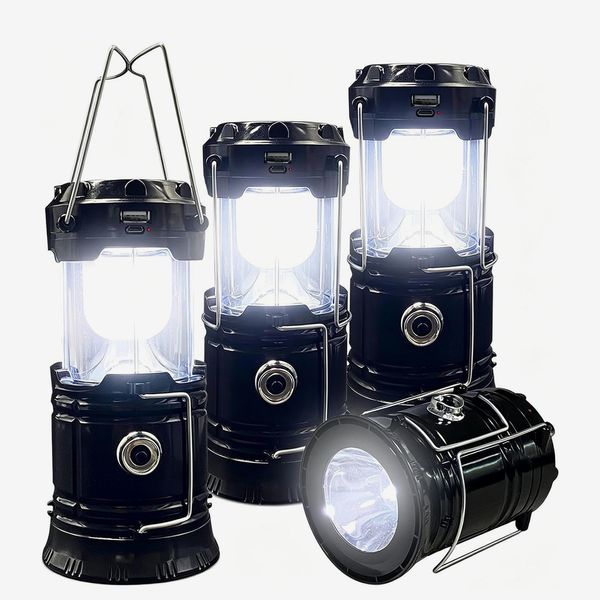
Emergency lighting, including rechargeable or solar-powered lights, are key so you’re not dependent on candles during an outage, Carrie told me. This handy set can be charged by solar panel or USB and can double as lanterns and flashlights.
New! You can now save this product for later.
What if there’s a big fire, earthquake, or other major emergency and I need to evacuate?
New! You can now save this product for later.
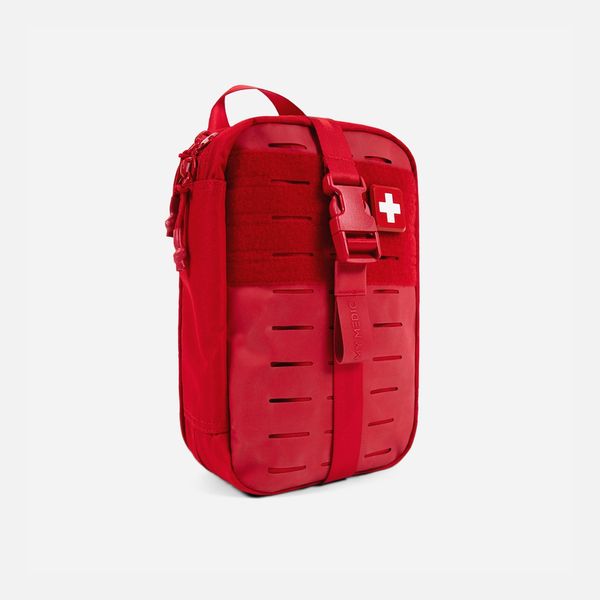
When building your emergency go bag for an evacuation, Fox recommended items like drinking water, nonperishable food, a flashlight with extra batteries, a battery-powered or hand-crank radio, personal-hygiene products, and, of course, a first-aid kit. Hawke’s first-aid kit of choice is the MyFAK, which offers space for customization and versatile mounting options, from securing on a car headrest to carrying it over your shoulder. The MyFAK Pro version also comes with either a Windlass tourniquet or a RATS tourniquet (you can choose when checking out) to control emergency bleeding.
New! You can now save this product for later.
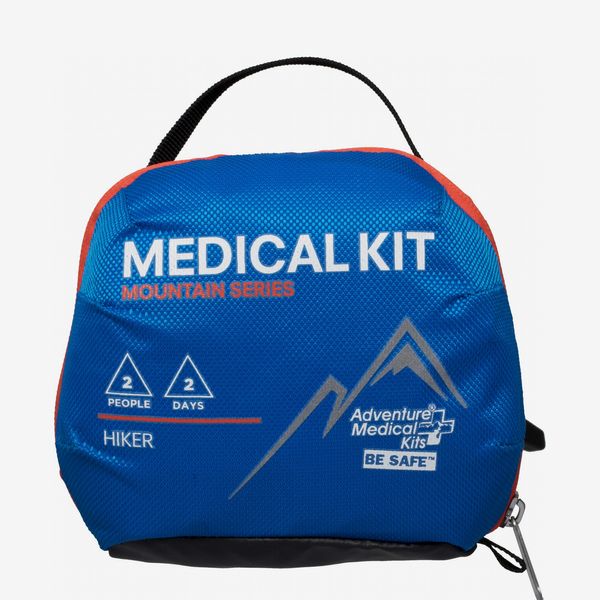
If you’re located in a more remote or secluded area, the offerings from Adventure Medical Kits are designed for those far from medical care. Our associate editor Jeremy Rellosa owns this one, which includes a wilderness first-aid book plus medical supplies like a trauma pad, bandages, gloves, antibiotic ointment, nonprescription medications, and more. Fox says you’ll also want to pack any prescription medications (at least a seven-day supply) along with your medical devices.
New! You can now save this product for later.
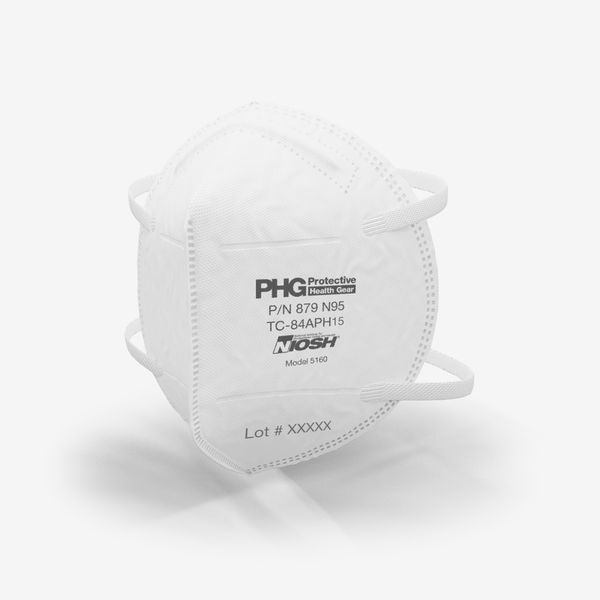
You’ll want a stash of N95 face masks if you live in an area prone to forest fires, but overall, they’re super useful to have stocked at home or in your go bag no matter where you live. This one from Protective Health Gear is our best N95 mask overall because of its comfortable yet secure fit.
New! You can now save this product for later.
New! You can now save this product for later.
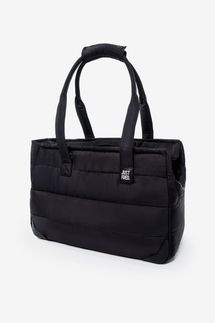
In your go bag, “if you have pets, include leashes, carriers, food, water, bowls, litter, litter box, and photos of you with your pet in case you are separated,” Fox added. I own multiple of the Cleverpup collapsible bowls, which are lightweight and easy to store in my purse or car. I’ve been testing Brooklyn-based dog brand Just Fred’s new Subway Tote, which is easy to carry thanks to dual shoulder straps plus detachable short handles and an interior leash for security.
What if I really want to be prepared for the biggest emergency situations?
New! You can now save this product for later.
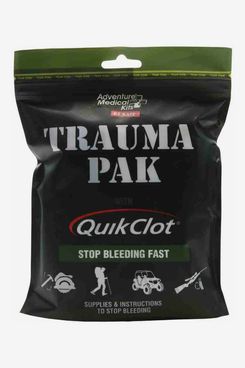
Hawke recommended this Adventure Medical Kits trauma-specific pack, which contains supplies to control serious bleeding. The QuikClot gauze is designed to stop bleeding within minutes, plus there’s a conforming bandage, trauma pad, and additional gauze and bandages. If you already own a general first-aid kit, this is a good addition.
New! You can now save this product for later.
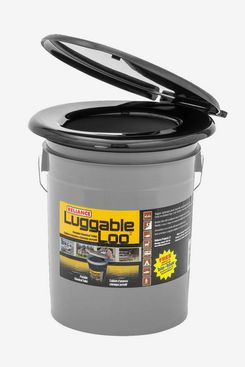
A portable toilet in case your plumbing is disrupted is another one of Arnao’s suggestions. The Luggable Loo is a solid option that’s lightweight and has a cover (our contributor tested it on a 13-hour road trip without stopping to use a public restroom).
New! You can now save this product for later.
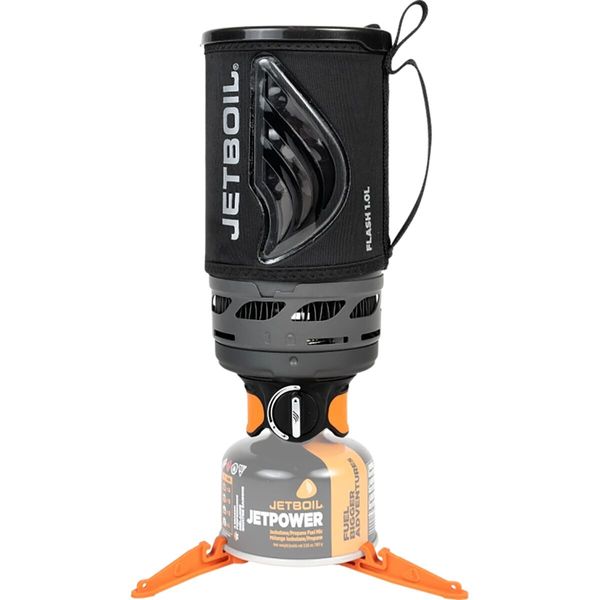
Jetboil Flash Stove
Hawke also says if you can’t cook at home or you’re going to be out of your house for an extended period, you’ll want to have multiple ways to cook food. We named the Jetboil our best backpacking stove because it offers superfast boiling powers and is designed to work in both hot and cold climates. Just note that the stove locks onto Jetboil’s proprietary insulated aluminum pot and requires isobutane as the fuel source.
New! You can now save this product for later.
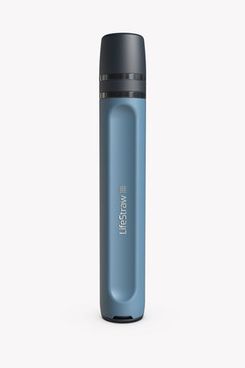
For clean drinking, you’ll always want ways to treat your water, Hawke says. “Pumps are good but laborious. Gravity-fed filters are good for groups,” he says. Lifestraw’s Peak series straw has a microfilter to help reduce clogging from sand and is made from tough, ultraleakproof materials.
New! You can now save this product for later.
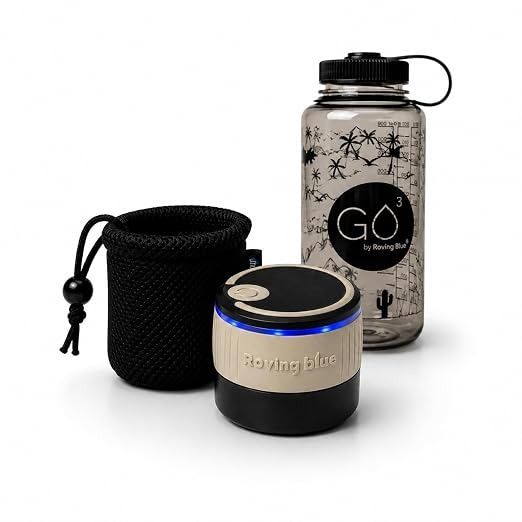
Hawke mentioned Roving Blue as another brand that sells water-filtration products. The lineup is powered by its proprietary EO3 electrolytic ozone technology, which the company claims produces highly oxygenated water that can destroy bacteria, viruses, and parasites without leaving behind chemical residues. The rechargeable water-purifier cap is designed to fit Nalgene bottles, purifying the water directly inside.
What else should I have on hand just in case?
“There are quite a few products available to help homeowners prepare for natural disasters. One of them is very likely already in their possession: the smartphone-issued Wireless Emergency Alerts (WEA),” says Soltero. “Authorities broadcast these to notify people quickly if they might be in the path of fast-moving storms, tornadoes, or flash floods, for example. But it’s important to ensure these notifications are enabled in a phone’s settings.”
Our experts
• Mina Arnao, founder and chief executive officer of emergency-preparedness company More Prepared
• Carrie, emergency-planning and home-safety expert known as the Housewife Prepper
• Stephanie Fox, the national spokesperson for the American Red Cross
• Mykel Hawke, former U.S. Army Special Forces captain and author of several survival books
• Kelly Ransdell, the director of public education at the National Fire Protection Association (NFPA)
• Gabe Soltero, a Navy veteran and a director of operations at Team Rubicon
More From The Strategist
- Hark, the Advent Calendars Arrived (Very) Early This Year
- The Best Things Strategist Editors Have Bought This Year (So Far)
- 63 Things You Should Never Buy Full Price
- The Strategist Fall 100
The Strategist is designed to surface useful, expert recommendations for things to buy across the vast e-commerce landscape. Every product is independently selected by our team of editors, whom you can read about here. We update links when possible, but note that deals can expire and all prices are subject to change.