Dry, Brittle Hair? You’re Using Too Many Protein Masks.


If you read this headline and thought, Huh? You can overrepair your hair?, the answer is yes. It’s a thing. For years, the advice for damaged hair has been straightforward: Add protein. Treatments with keratin and other forms of protein promise to strengthen, smooth, and repair hair that has been stressed by color treatments, chemical processing, hot tools, the sun, and other damaging factors. But according to hair experts, there comes a point where all that reparative protein starts to backfire, leaving hair more brittle, not less. Ironic, right?
What protein actually does for hair
First, it’s important to note that hair is not living tissue. What emerges from the scalp is biologically dead, which means it can’t repair itself like skin can. Hair is primarily made of keratin, a structural protein, which is why protein-based treatments can be effective, at least at first. When hair is damaged from heat styling, coloring, or chemical treatments, the outer cuticle layer develops tiny gaps and weak spots, causing hair to become more vulnerable to breakage and even look frizzy as those porous spots absorb and lose moisture unevenly. Protein helps temporarily fill in those gaps, smoothing the cuticle, making hair feel stronger and look less frizzy.
Topical protein also forms a light coating over the hair shaft, reinforcing its structure. That’s what gives hair that thicker, more resilient feel after a treatment. In the right balance, protein can even improve elasticity, helping strands stretch slightly without breaking.
When repair starts to backfire
The reparative action hair gets from protein isn’t from the inside out. It’s surface-level and temporary — and the protein can build up on the hair shaft over time. That’s when you might notice some negative effects. “Overproteinated hair loses its flexibility and just snaps instead of bending,” explains dermatologist Dr. Joyce Park, who specializes in hair health.
The tricky part is that it doesn’t usually start there. At first, hair may just feel drier than usual, stiffer, harder to manage, and progressively more prone to breakage.
How to fix overproteinated hair
The first step may be an obvious one: Pause the protein-heavy products. “Check ingredient lists carefully,” says Nathan Puksta, founder of Filament, a brand that focuses on hair repair and strengthening. Protein is being infused into everything, he says, and not just masks and intensive treatments. “Many styling products contain protein, which then builds up on the hair, creating that film that leads to brittleness, damage, and in some cases, can even worsen split ends.” Some common protein ingredients to look for on labels include hydrolyzed keratin, wheat, soy, rice, oat, quinoa, and silk proteins. Also look for hydrolyzed collagen or marine collagen.
From there, the focus should be on restoring moisture. “You want to rebalance your hair with moisture,” she says. “Look for ingredients such as panthenol, glycerin, and ceramides.” These will bring softness and elasticity back to your brittle strands. Fatty alcohols and fatty acids also draw water in the hair and improve its feel over time, adds Puksta.
New! You can now save this product for later.
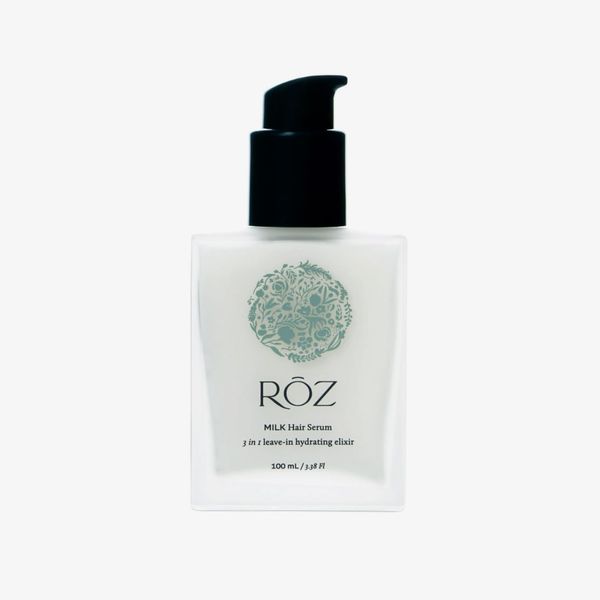
This serum contains the humectant glycerin to help soften dry, brittle strands.
New! You can now save this product for later.
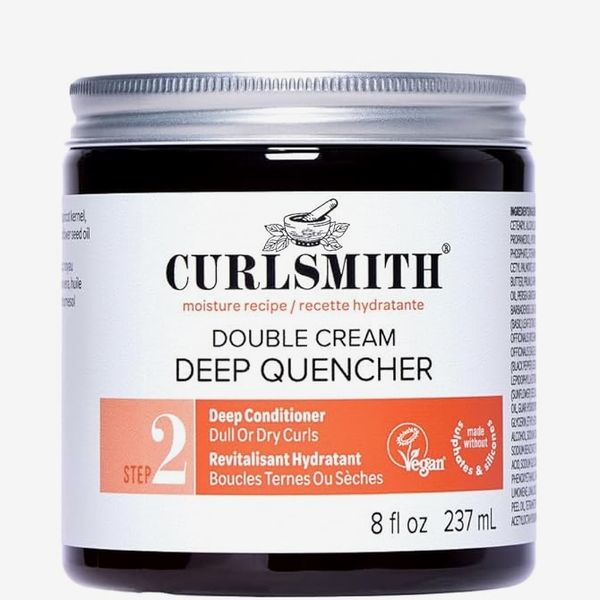
This deep conditioner designed for wavy, curly, and coily hair contains hair-softening pathenol as well as hydrating fatty acids.
A detox treatment may help, too. “Not enough people use a clarifying or chelating shampoo; even just once a month helps,” Puksta says. These shampoos help remove buildup and residue from the hair. “While it may temporarily leave hair feeling a bit dry or rubbery, it rebalances over time.”
New! You can now save this product for later.
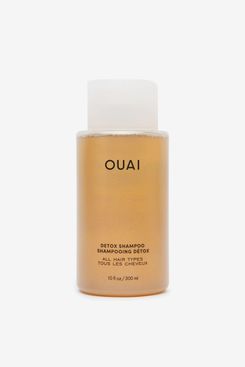
The Ouai Detox Shampoo includes both apple-cider vinegar for clarifying and chelating ingredients to remove all types of buildup.
Dr. Park says it’s also important to cut back on heat styling while hair recovers. “If the damage is too far gone, some it may need to be trimmed while you wait for new, healthy hair growth.”
A change in how we think about strength
All of this points to a broader industry shift in how experts are thinking about repairing hair. Strength isn’t just about adding more protein; it’s about maintaining the right balance between structure and moisture so hair stays resilient, not rigid.
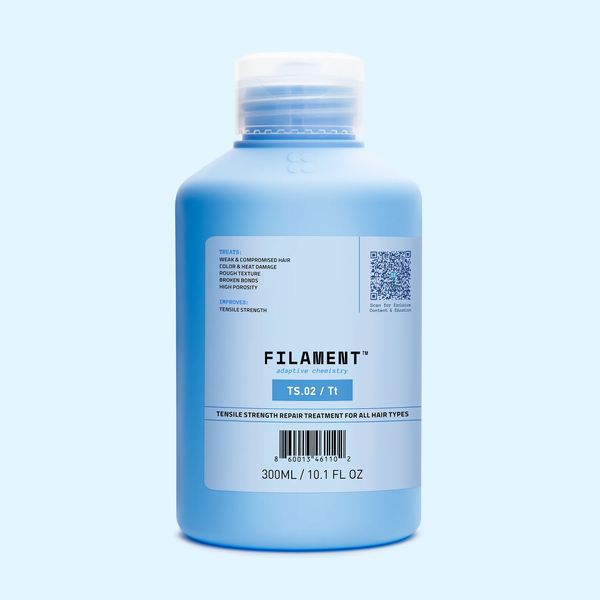
That’s part of the new thinking behind newer approaches like Puksta’s innovation, Filament, an in-salon and at-home treatment designed to strengthen hair without relying on protein-based formulations. Instead, it includes cysteine, an amino acid that plays a key role in forming disulfide bonds, chemical links that determine hair’s strength, shape, and resistance to breakage. These bonds get broken during chemical processing like bleaching or relaxing hair. Cysteine-based products support the hair’s internal structure rather than simply coating the outside of the strand.
Rather than adding a layer of protein on top of hair, the idea is to support hair’s tensile strength — how much force a strand can withstand before it breaks — while maintaining flexibility and moisture balance.
New! You can now save this product for later.
More From The Strategist
- Hark, the Advent Calendars Arrived (Very) Early This Year
- The Best Things Strategist Editors Have Bought This Year (So Far)
- 63 Things You Should Never Buy Full Price
- The Strategist Fall 100
The Strategist is designed to surface useful, expert recommendations for things to buy across the vast e-commerce landscape. Every product is independently selected by our team of editors, whom you can read about here. We update links when possible, but note that deals can expire and all prices are subject to change.