Do Hair Ties Actually Damage Your Hair?

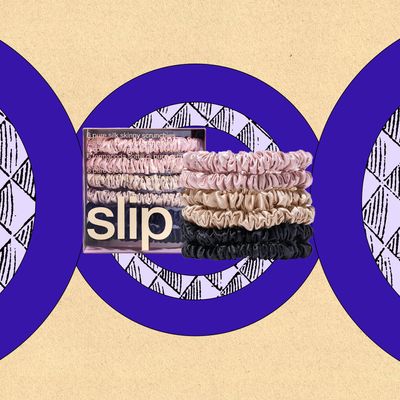
We’ve all heard the horror stories of hair breakage and traction alopecia that can happen from a too-tight ponytail. But there’s no great way to avoid hair ties altogether. To find out exactly how much damage our hair ties are doing, I spoke with a hairstylist and a trichologist. Below, they explain how this hair damage occurs (plus how to prevent it).
Can hair ties damage your hair?
The short answer: yes. “Any form of repeated mechanical stress on the hair can lead to damage over time, and hair ties are a very common source of that stress,” explains board-certified trichologist Shab Caspara. Essentially, hair ties cut into the cuticle and snap the hair over time, she says. And the tighter you tie your hair, the worse it can be: “That’s why people who wear tight ponytails often notice breakage around the hairline that starts to look like ‘baby hairs.’ It’s actually repeated mechanical breakage, not new growth.”
How does that hair damage occur?
According to hair stylist TerraRose Puncerelli, “hair damage from ties typically comes down to two main factors: tension and friction. Tight elastics put stress on the hair at the point of contact, weakening the cuticle and, over time, causing breakage or even traction-related hair loss along the hairline.”
But I still need to wear my hair up. Is there anything I can do to reduce hair-tie-related damage?
The first step is to minimize both the amount of tension and repeated stress in one area. “Avoid tying your hair too tightly, switch up placement, and be mindful of how often you’re pulling on the same sections,” advises Caspara. Even with the right hair ties, wearing the same tight hairstyle every day can still lead to breakage, she says. “Overall, hair ties themselves aren’t necessarily the problem. It’s usually the combination of tight styles, friction, and repetition that leads to damage over time.”
Another often overlooked factor is how long the hair stays tied up, adds Puncerelli. “Wearing tight styles for extended periods of time, especially overnight or during workouts, can compound stress on the hair and scalp.” She recommends incorporating loose braids and protective styles into your routine a few times a week instead to help maintain hair integrity.
Overall hair health also plays a role. “Well-conditioned, hydrated hair is naturally more resilient. So pairing gentler hair ties with a solid moisture routine can go a long way in preventing damage,” says Puncerelli.
New! You can now save this product for later.
What types of hair ties should I buy?
First things first, throw out any rubber-based ties, especially those with exposed rubber or metal clasps. “They grip the hair too aggressively,” says Caspara, which can lead to breakage when the tie is pulled out. You also want to avoid any tight or thin ties. “The thinner and tighter the band, the more likely it is to cause breakage because it creates concentrated pressure and can more easily cut into the cuticle,” she adds. Wider, softer bands distribute the tension along the cuticle more evenly, which reduces damage.
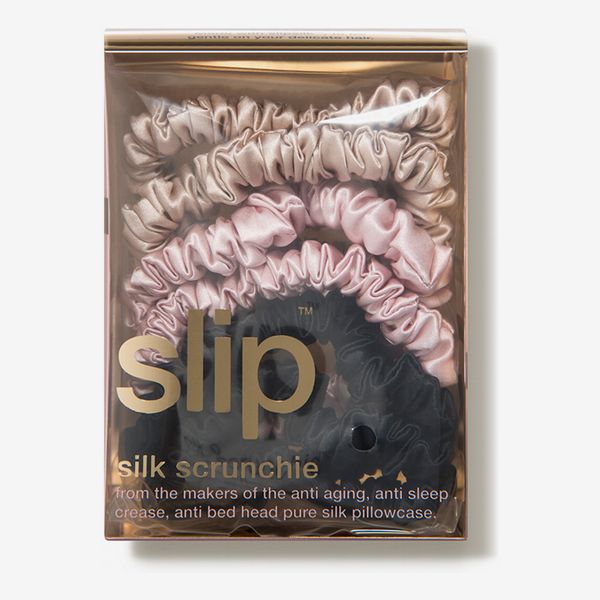
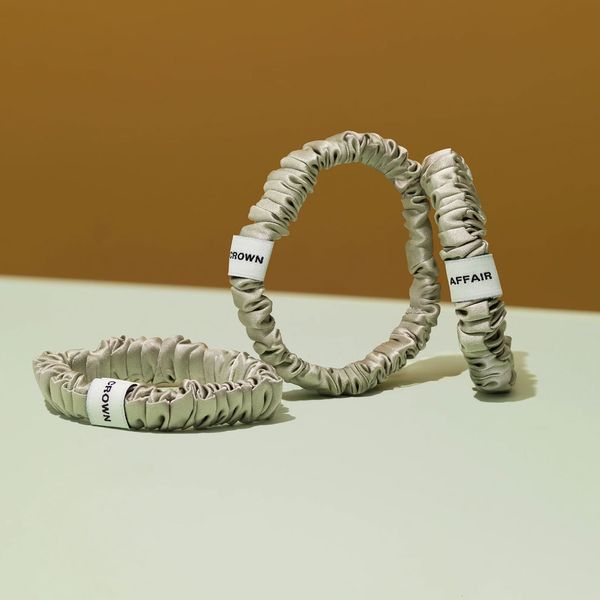
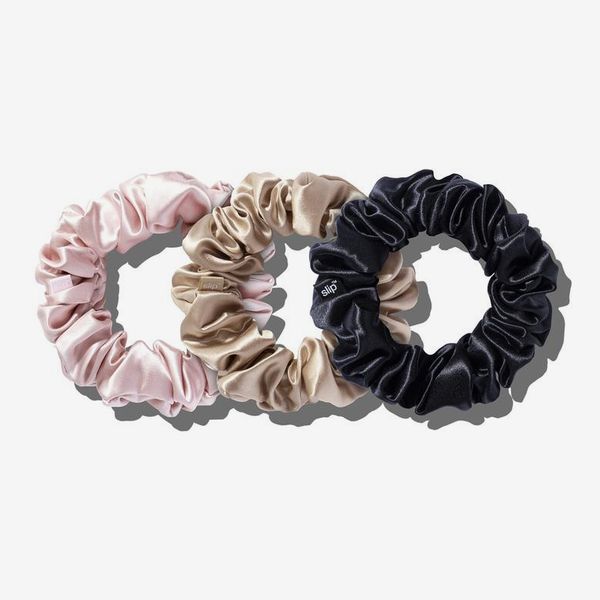
Finally, material matters. “Hair ties made with soft, flexible materials are much gentler,” says Puncerelli. And while you can opt for satin- or fabric-covered hair ties to save money, silk will always be the gold standard: “Silk reduces friction, helps preserve the cuticle, and minimizes creasing and breakage.”
Some hair ties we stand behind
More From The Strategist
- Hark, the Advent Calendars Arrived (Very) Early This Year
- The Best Things Strategist Editors Have Bought This Year (So Far)
- 63 Things You Should Never Buy Full Price
- The Strategist Fall 100
The Strategist is designed to surface useful, expert recommendations for things to buy across the vast e-commerce landscape. Every product is independently selected by our team of editors, whom you can read about here. We update links when possible, but note that deals can expire and all prices are subject to change.