The Best Games, Puzzles, and More to Help Kids Learn Math
In this article
When I was growing up, there were math kids. Most were boys. I was, decidedly, not one of them. This was a line frequently repeated by my parents (“We’re just not math people!”) and that was that. It was a fate I readily accepted, perhaps with relief.
Now we know better. There aren’t math people — there are people who have greater exposure to math concepts from a young age, who have families that prioritize (and enjoy) math learning. And research shows that this early knowledge compounds.
Environment and instruction matter, including whether families regularly weave number talk into conversation and expose kids to math games. I once asked a friend how her kids got so good at math, and she said she and her partner regularly ask them questions to get them thinking about numbers, like “Which do you think is bigger: the number of days until your birthday or the number of days since school started? How could we find out?” Rather than formal teaching or flash-card drills, the best at-home approach is finding natural ways to build number sense and curiosity into daily life.
Over the past few years, as I’ve tried to bolster my own children’s confidence and skill in math, I’ve spoken with math-loving friends, math teachers, and mathematicians to find the best games, tools, and resources for supporting math learning at home, from early childhood through elementary school. It may not come naturally to all, but there are many fun games, tools, and puzzles that can help you become the math parent you were always meant to be.
The best games for building math skills
While children are taught explicit procedures at school, home is where conceptual learning can happen. Games are, according to experts, the best way to strengthen a child’s conceptual understanding of mathematics, along with their curiosity, stamina, and confidence.
Most games incorporate math in some way, from dealing cards to throwing dice to counting the money in Monopoly. The games listed below are more explicit math games, but it should be said that there are opportunities to strengthen math skills in almost all card and board games.
Mathcentric games for ages 3 and up
New! You can now save this product for later.
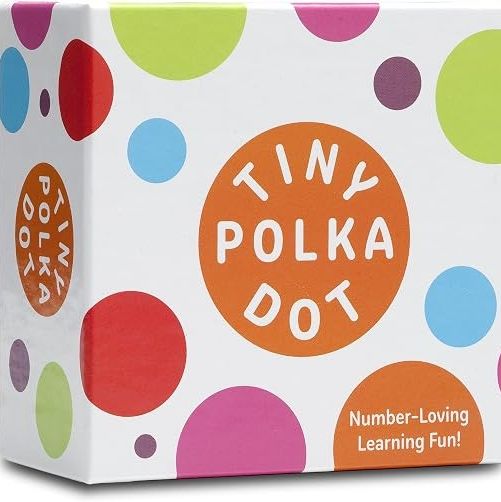
I often play Tiny Polka Dot with my own children, 4 and 7 years old, as well as my students. The game comes with colorful cards that display six number representations in six colors to help young children recognize numbers in multiple ways. Flexible thinking is an important predictor of future math success, and I like how Tiny Polka Dot encourages just that through the varied numerical representations. It was created by mathematician husband-and-wife team Dan Finkel and Katherine Cook through their company Math for Love, which is an excellent online resource.
New! You can now save this product for later.
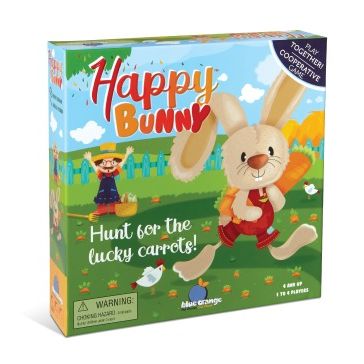
This cooperative game for preschool-age children comes recommended by Finkel himself to teach early counting skills. Players help the bunny pick the best carrots to bring home to their family, plucking them from the box just like you would from the ground.
New! You can now save this product for later.
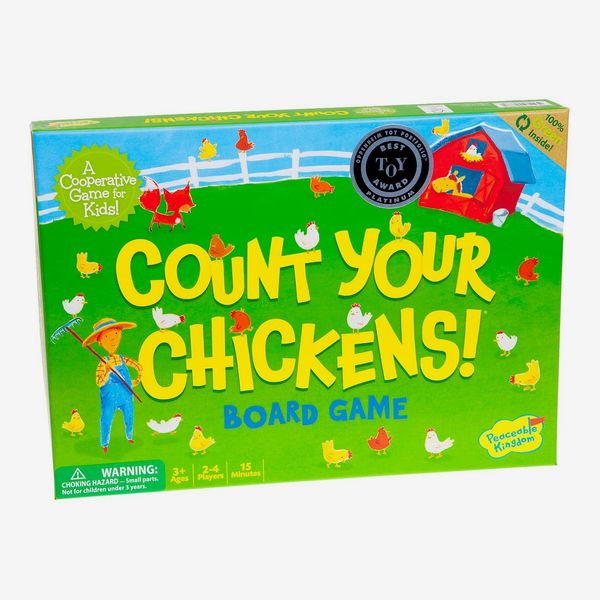
Peaceable Kingdom also makes great cooperative board games, including Count Your Chickens!, in which everyone works together to get the chicks home to their mama hen through basic counting tasks.
New! You can now save this product for later.
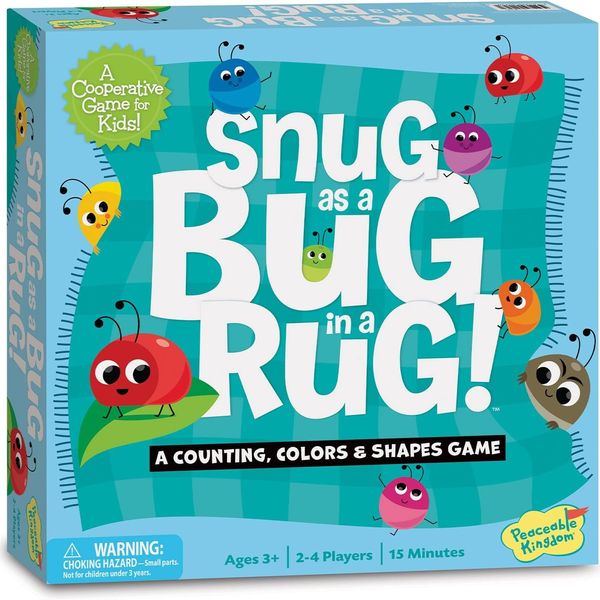
Another Peaceable Kingdom cooperative game that’s great for preschool-age children because it teaches number recognition, shapes, and colors.
New! You can now save this product for later.
Yet another fun Peaceable Kingdom game for preschoolers.
New! You can now save this product for later.
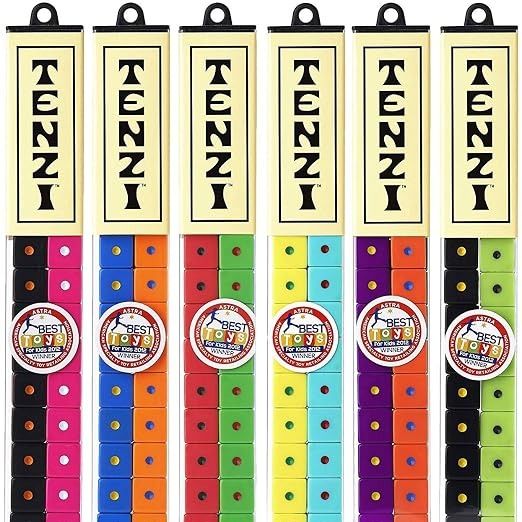
Tenzi is a fast-paced, simple-to-play dice game that builds rapid number recognition and the ability to subitize — a foundational math skill that refers to instantly recognizing the number of objects in a group without counting one by one.
Mathcentric games for ages 5 and up
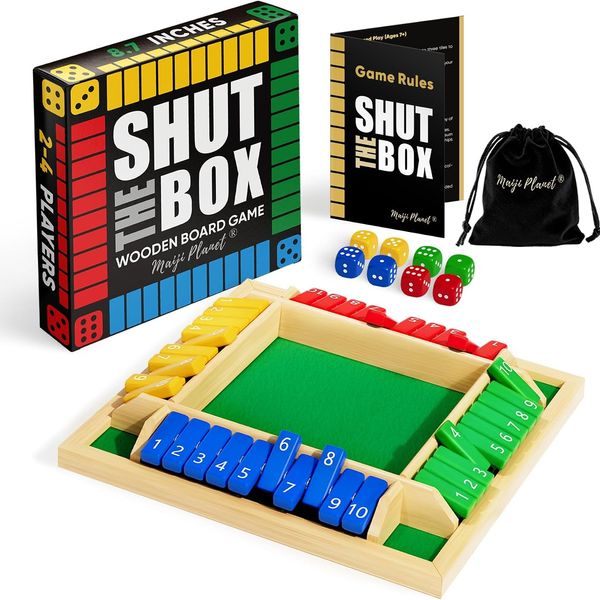
New! You can now save this product for later.
Shut the Box is a lot of math practice — it covers decomposing numbers, addition fluency, probability, and strategy — combined with family fun.
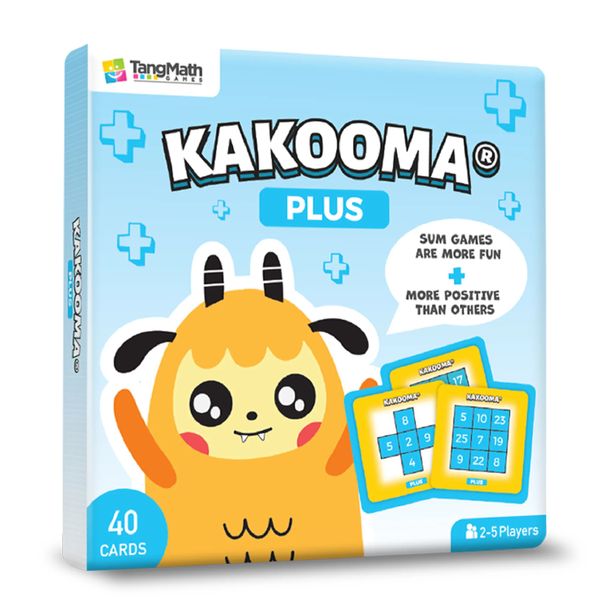
New! You can now save this product for later.
Developed by math author and educator Greg Tang, Kakooma is a great game for building fact fluency. When I was a teacher at an elementary school in Los Angeles, I traveled to a math conference led by Tang, and the teacher enthusiasm for him at a Ramada in Seattle was akin to fans seeing Taylor Swift at MetLife. In other words, his products have a solid stamp of teacher approval.
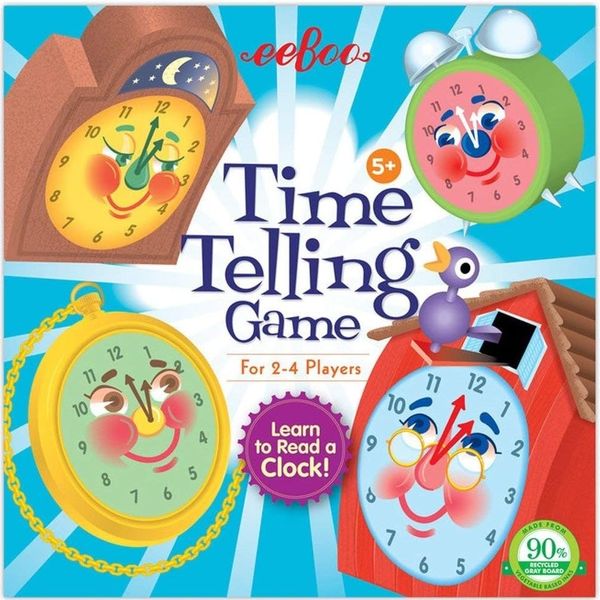
New! You can now save this product for later.
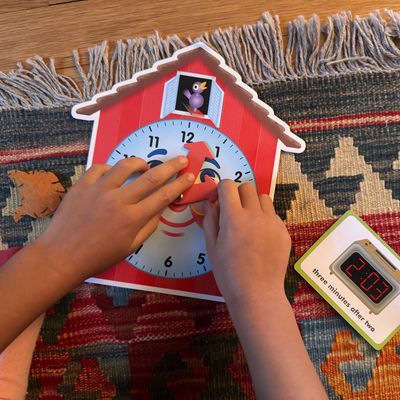
Time Telling Game has several jolly clocks and cards that prompt players to show the time described. It’s especially good for connecting analog and digital time and for phrases like “half past” and “quarter to.”
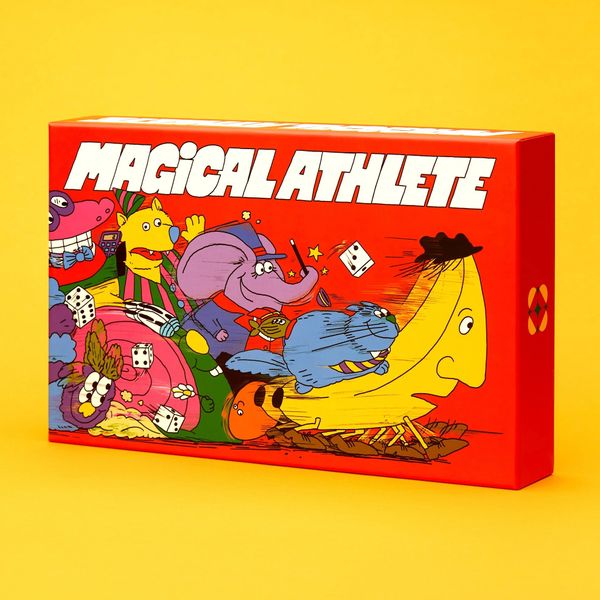
New! You can now save this product for later.
Another recommendation from Finkel, Magical Athlete is heavy on the fun with some subtle counting practice.
New! You can now save this product for later.
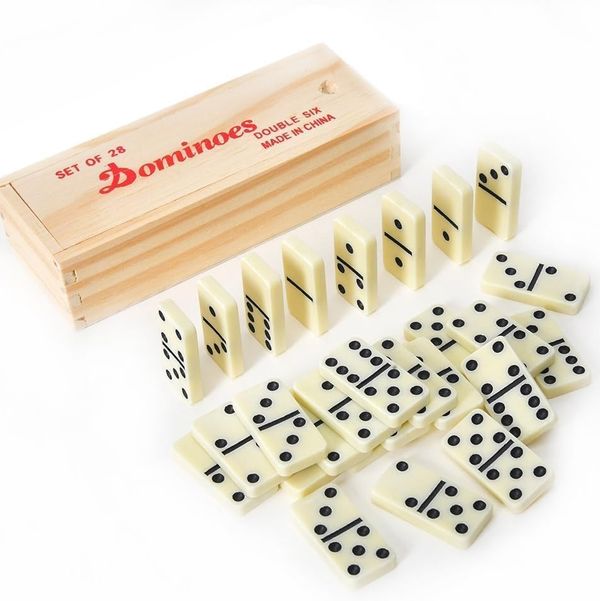
Dominoes Set
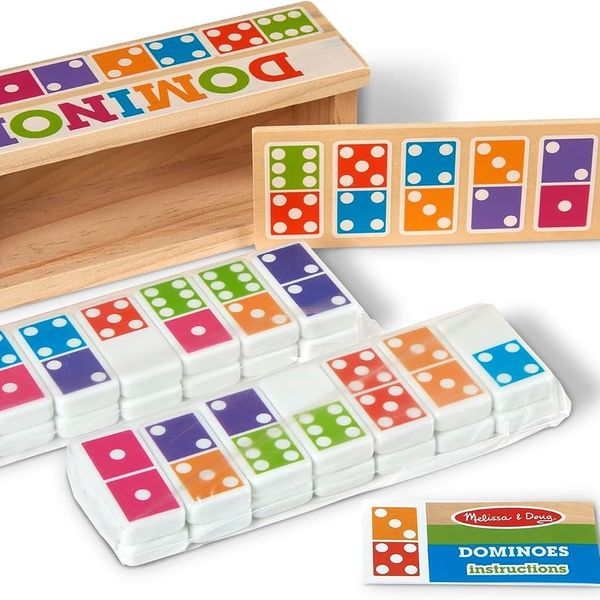
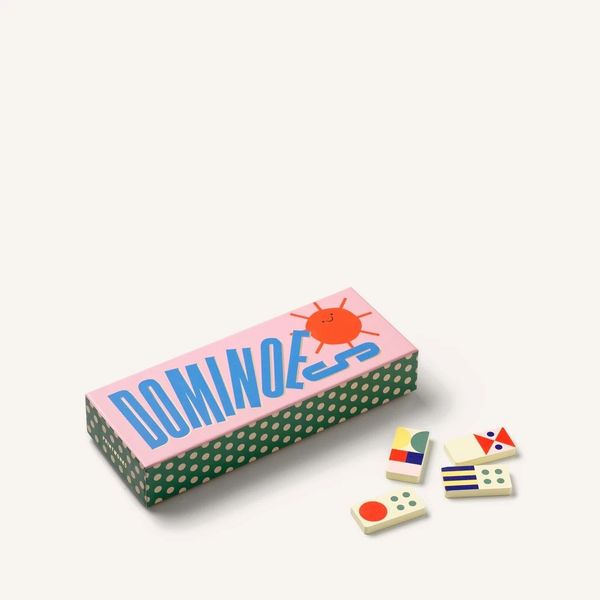
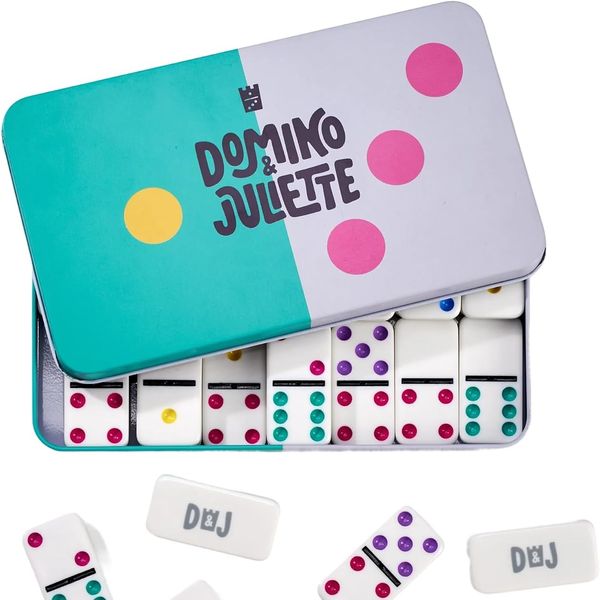
Dominoes are quite an enduring game and one that’s excellent for building math skills — every tile is like its own math puzzle. You only need a basic set, but they also come in so many colors and designs.
Mathcentric games for ages 8 and up

New! You can now save this product for later.
This is a must-have! Developed by Finkel and Cook, Prime Climb builds skill in multiplication, division, and prime numbers in a fast-paced, engaging game of strategy and luck.

New! You can now save this product for later.
Qwixx focuses on mental addition, probability, and strategic thinking about risk and reward.
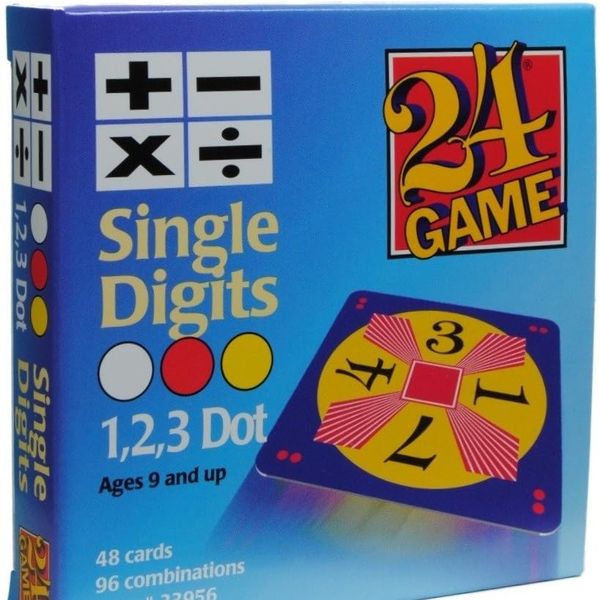
New! You can now save this product for later.
A fast-paced card game that builds mental math with all four operations.
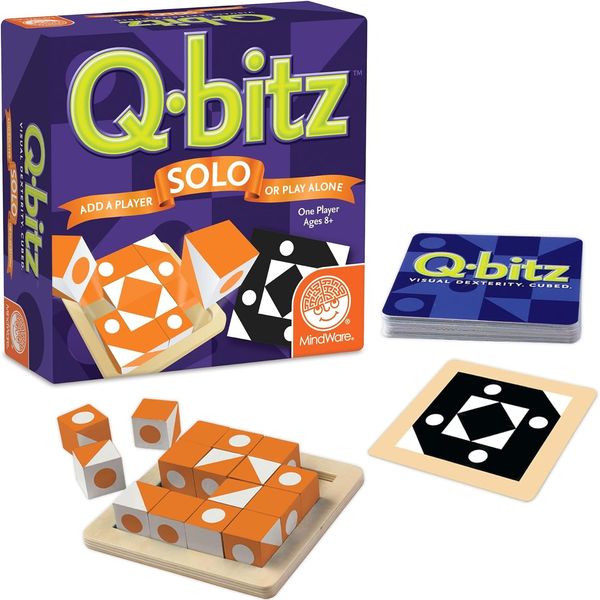
New! You can now save this product for later.
Q-bitzis a pattern-matching game that builds spatial reasoning, mental rotation, and pattern recognition to help strengthen children’s geometry skills.
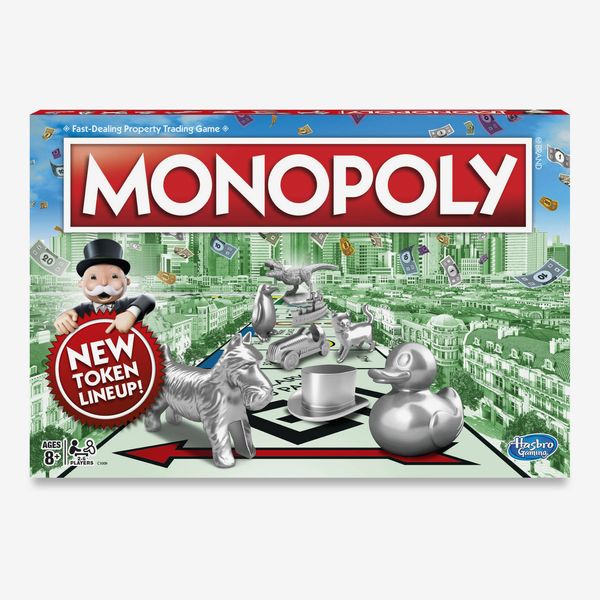
New! You can now save this product for later.
While we know it as a game of heartless real-estate deals, for children, it’s great hands-on practice with cash: budgeting, saving up, and making change.
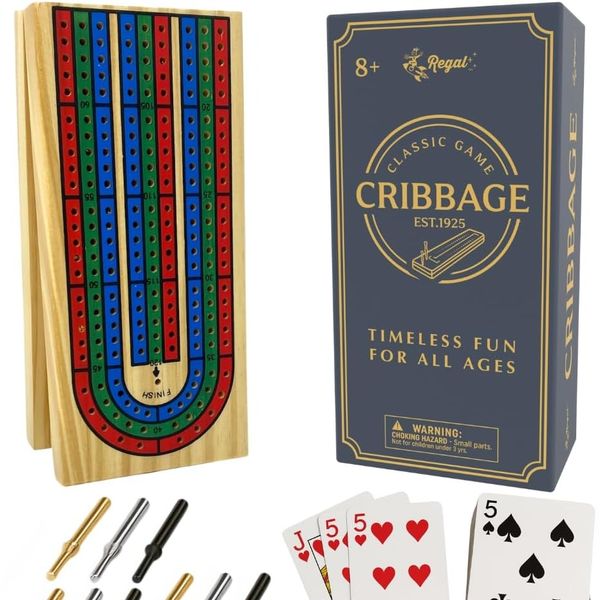
New! You can now save this product for later.
In cribbage, there’s a math problem in almost every turn: addition, counting by twos, pattern recognition, probability.

New! You can now save this product for later.
In Set, players look for three cards that either all have the same feature or all different ones, building logic and visual reasoning. There’s also a waterproof edition if you think you might like to play poolside.
The best manipulative tools and toys for building math skills
The term manipulatives refers to physical objects that children use to help them represent math ideas. Instead of only seeing symbols on a page, a child can touch, move, group, and count, which makes abstract concepts more concrete. Manipulatives are essential tools for children in preschool, kindergarten, and first and second grades and are especially helpful for children who are struggling to build foundational math skills, such as those with dyscalculia.
Manipulatives can be a lifesaver when your child begins getting math homework or is doing any at-home math that involves place value, adding, subtracting, multiplying, or dividing.
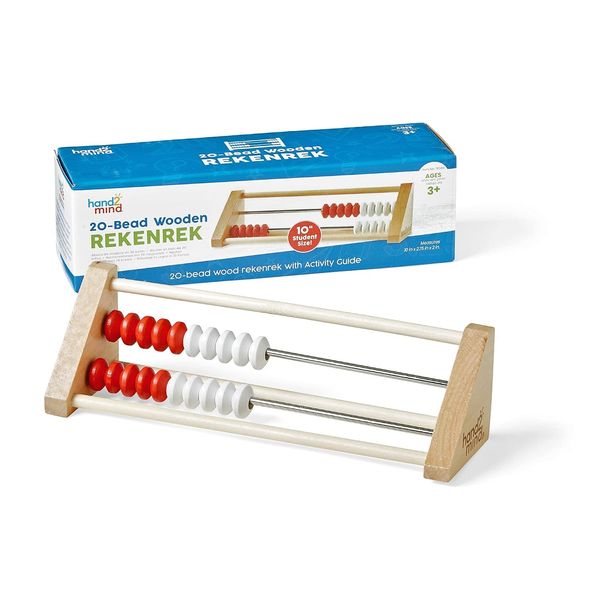
New! You can now save this product for later.
My 7-year-old daughter regularly uses an abacus when she’s doing her math homework. She benefits from the tactile element when completing addition and subtraction problems in particular.
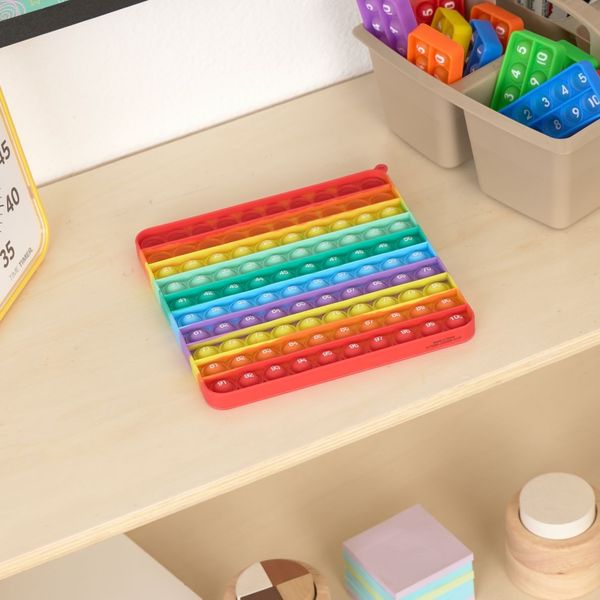
New! You can now save this product for later.
A hundred grid is a ten-by-ten chart of the numbers 1 to 100. It helps give a visual to the structure of our number system, which can be a great aid when completing math procedures. This grid, in particular, has the added multisensory appeal of a pop fidget.
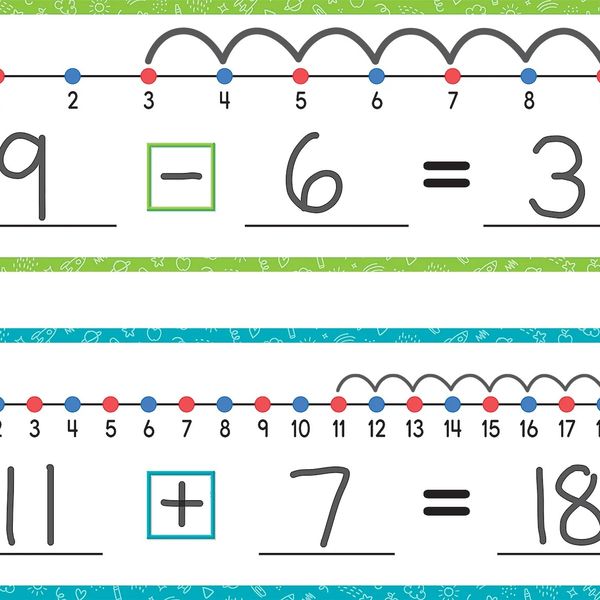
New! You can now save this product for later.
A number line helps children see that numbers have order, and a dry-erasable number line allows them to visually solve addition or subtraction problems.
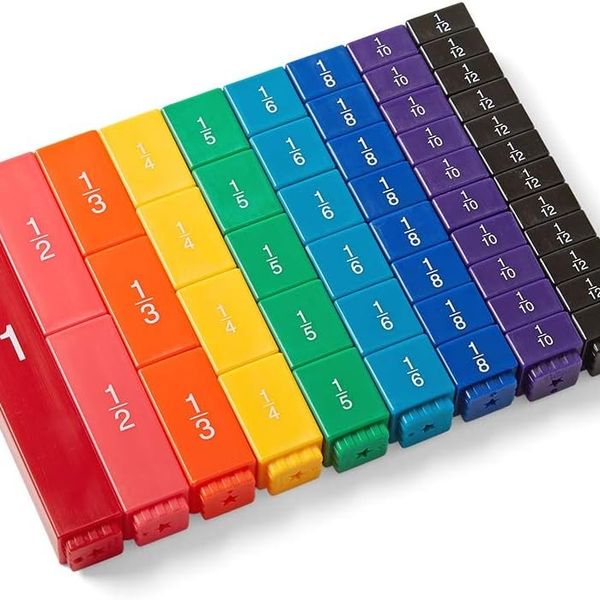
New! You can now save this product for later.
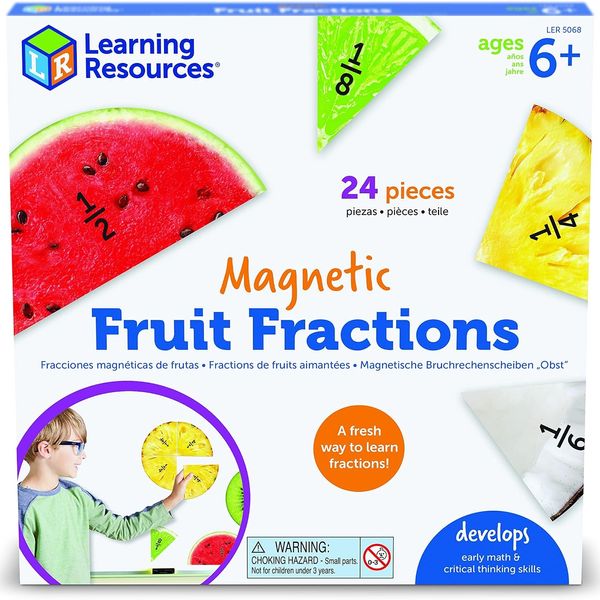
Fractions can be challenging for children to wrap their head around. These fraction tiles help them visualize and see the relationships among fractional parts.
New! You can now save this product for later.
This magnetic fruit set …
New! You can now save this product for later.
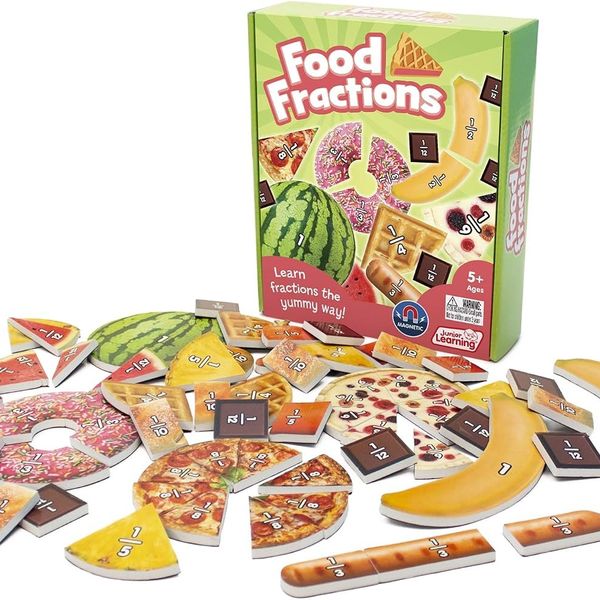
… And this food-fractions set are also helpful for teaching children about parts and whole.
New! You can now save this product for later.
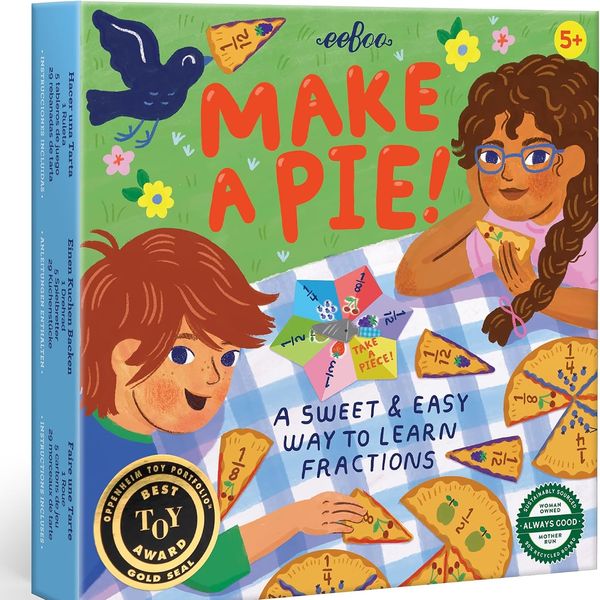
Another hands-on way to explore halves, thirds, fourths, eighths, and more with a game element too.
New! You can now save this product for later.
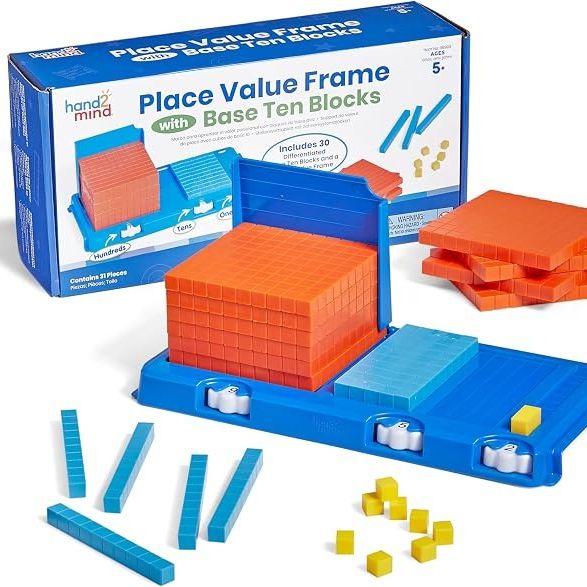
Place value is the foundation of our entire number system. Base-ten blocks make that system concrete. The blocks allow children to see — and hold — ones, tens, and hundreds. They’re equally great for kids who are just learning place value (kindergarten or first grade) and for upper-elementary students learning decimals.
New! You can now save this product for later.
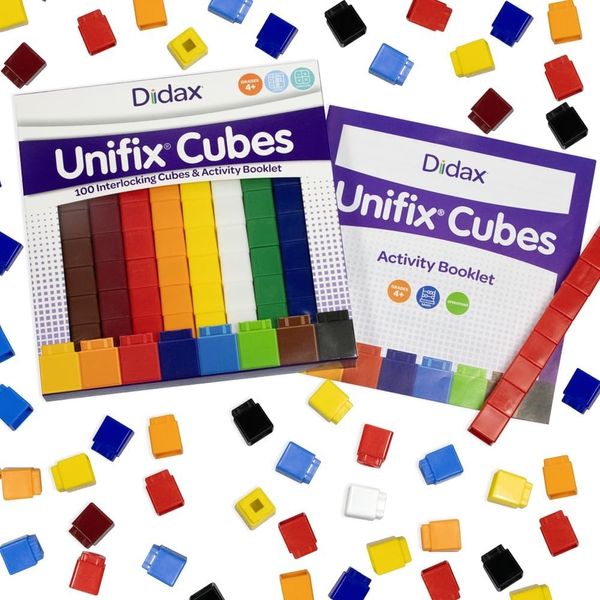
Unifix cubes are best known as a tool for children learning one-to-one correspondence skills, but they are also great for patternmaking, comparing, and measuring.


New! You can now save this product for later.
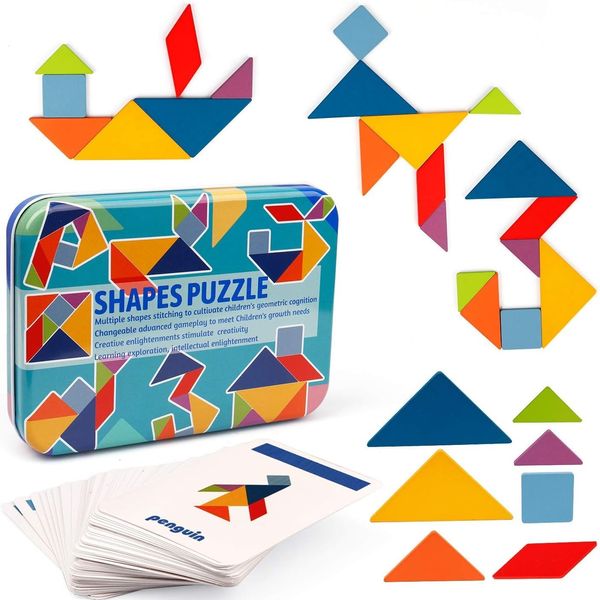
While replicating images with these flat shapes, children learn about hexagons, trapezoids, rhombuses, and triangles by making patterns, counting sides and corners, and comparing angles.
New! You can now save this product for later.
Here’s a mini-set of pattern blocks in a portable tin that’s easy to travel with or take to restaurants to keep kids busy at the table without giving them your phone.
New! You can now save this product for later.
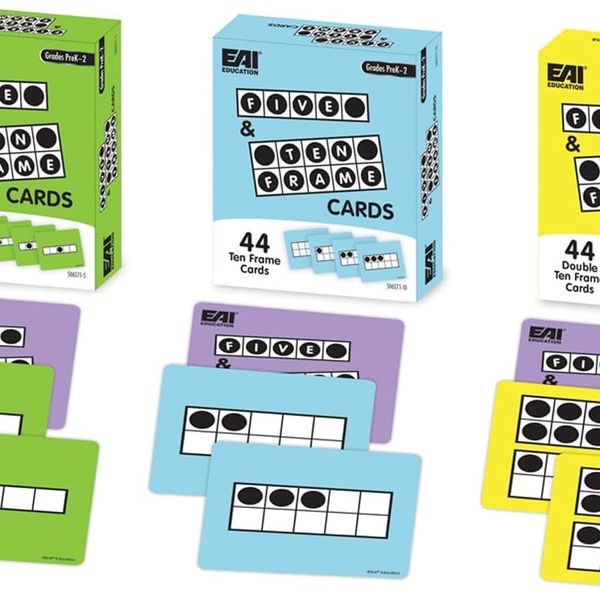
A very basic but extremely helpful tool for building number sense in young children. Each grid has two rows with five boxes. With practice, children start to recognize quantities (subitizing) without counting one by one.
New! You can now save this product for later.
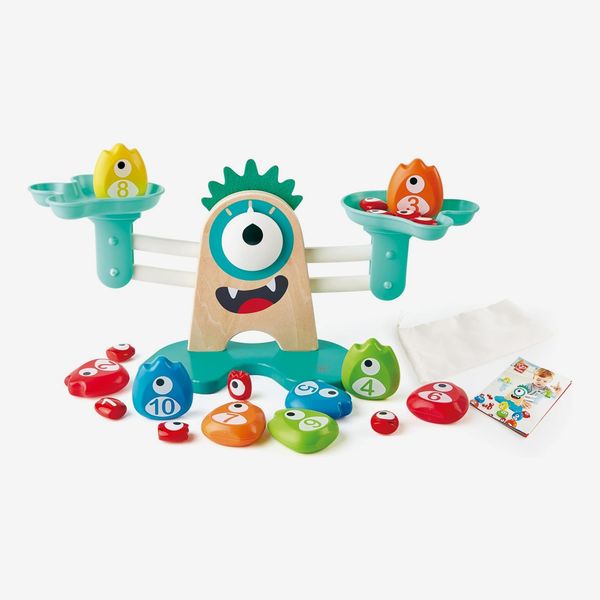
This monster balance scale is excellent for helping young children develop early number skills. Each monster has a number that corresponds to its weight, from lighter to heavier, so children can actually feel the difference between small and bigger numbers.
New! You can now save this product for later.
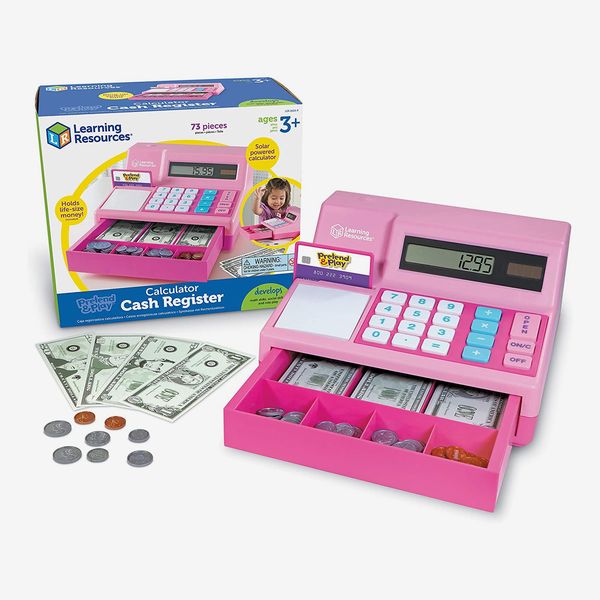
A great way for young children to learn through play about money, counting, addition, and subtraction.
New! You can now save this product for later.
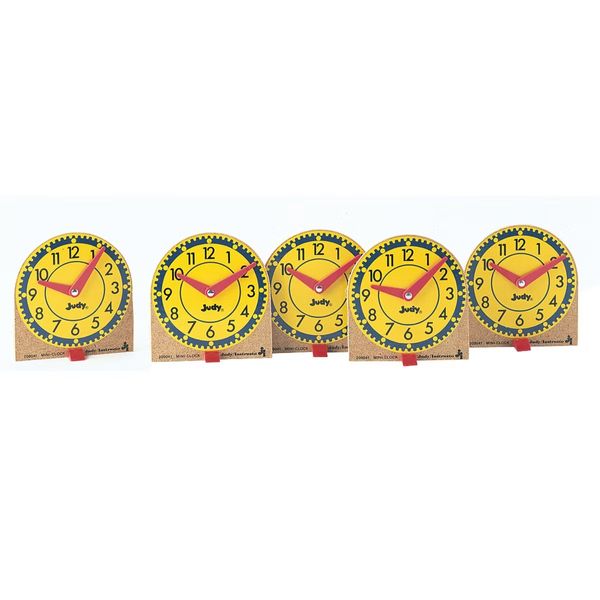
Carson Dellose Education Mini Judy Clocks
The classic Judy Clock is a great tool for helping kids learn how to tell time manually.
New! You can now save this product for later.
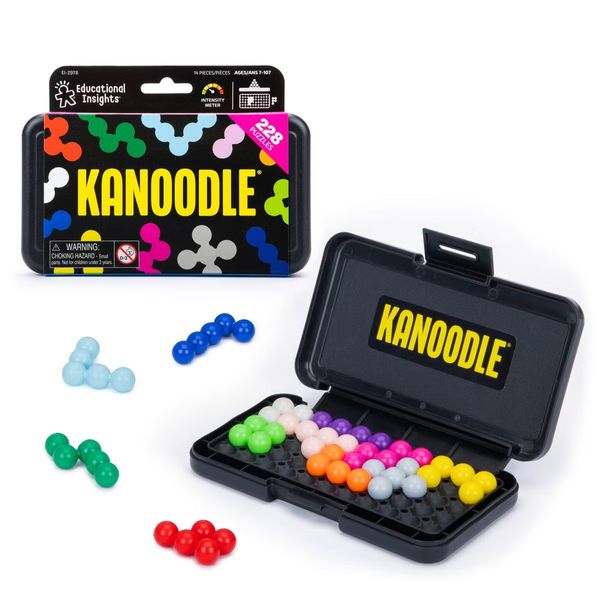
In Kanoodle, children rotate and flip pieces mentally to see how they fit, building spatial reasoning and problem-solving skills (which is especially helpful for geometry). It’s also a really great item to have on hand when traveling.
The best puzzle books for building math skills
Puzzle books can be a great place to practice if children can be (mostly) independent. Again, I tend not to recommend formal teaching or drills, but many of these puzzles tend to focus more on logic and play than straight arithmetic, which draws in more children. These types of books are generally for children of elementary age since many preschoolers have not yet started to write numbers.
Puzzle books for ages 5 and up
New! You can now save this product for later.
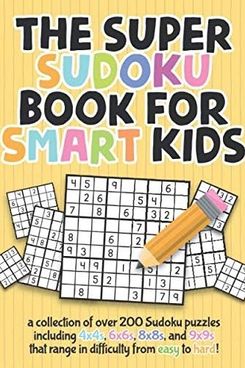
Sudoku is not math, per se, but it builds logical reasoning, pattern recognition, and working memory, which are all helpful skills for young mathematicians.
New! You can now save this product for later.
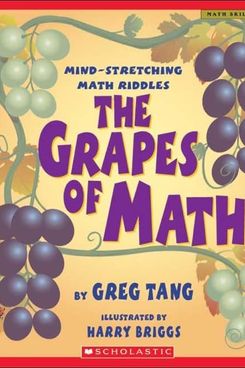
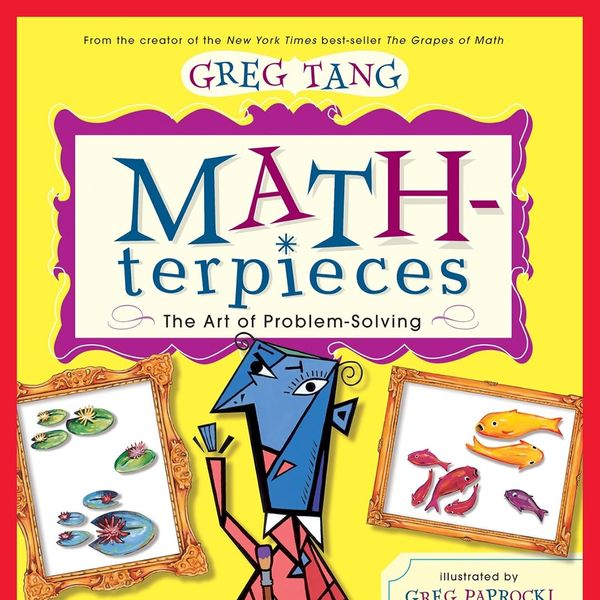
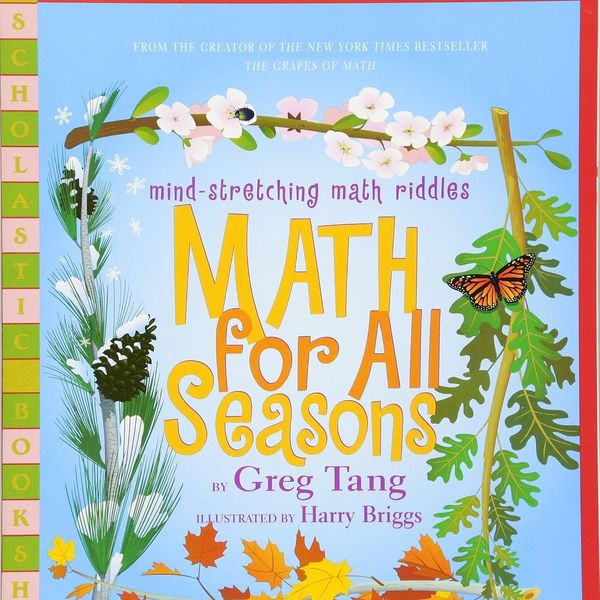
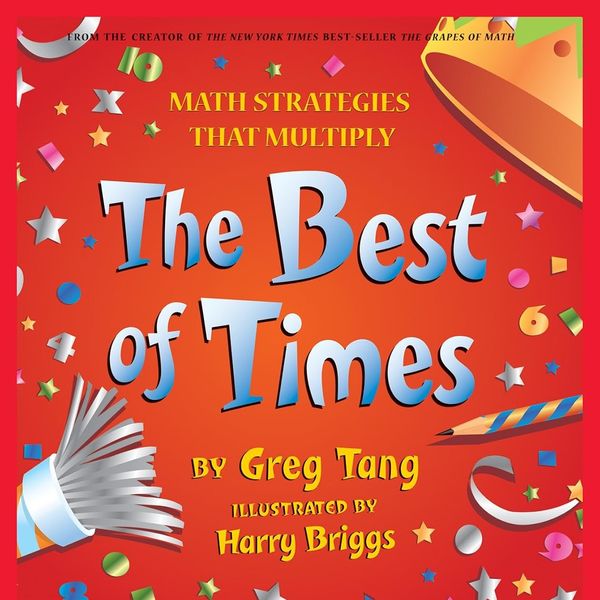
Another banger from Tang with engaging illustrations and riddles to develop addition and multiplication strategies. Tang has written many of these types of books, includingMath-terpieces, Math for All Seasons, and The Best of Times: Math Strategies That Multiply.
Puzzle books for ages 8 and up
New! You can now save this product for later.
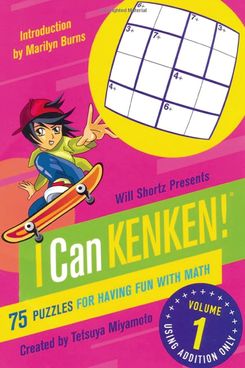
KenKen is similar to sudoku, but it combines addition, subtraction, multiplication, and division with logical reasoning.
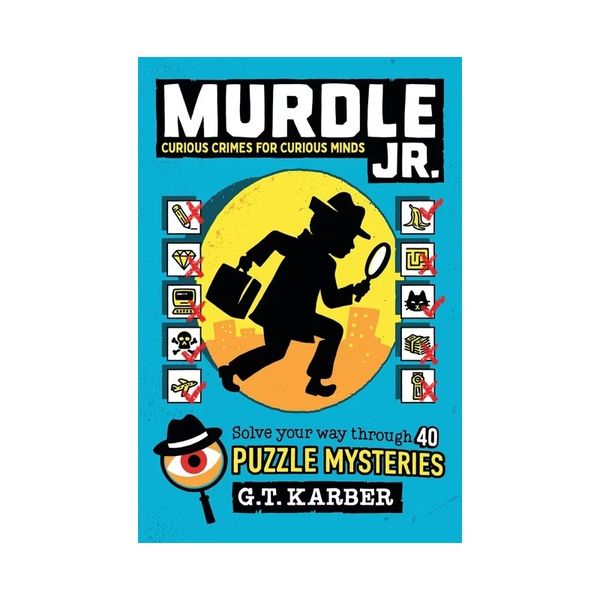
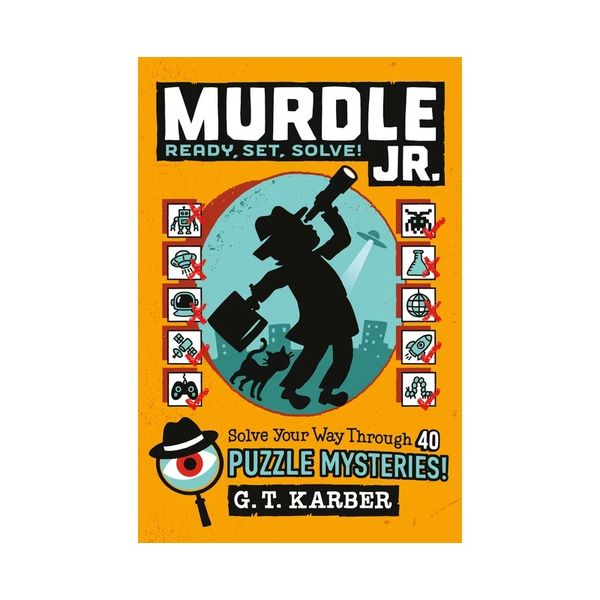
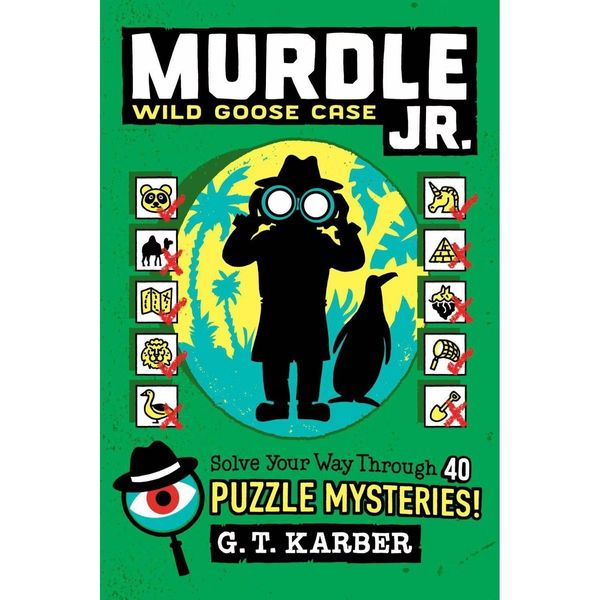
The Murdle Jr. series of puzzle books has dozens of mysteries for children to solve, complete with maps, mazes, and many head-scratching clues.
New! You can now save this product for later.
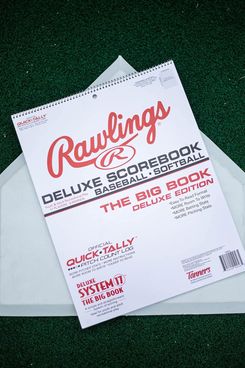
Math becomes much more meaningful when it’s attached to something children already care about. This score book is a fun way to encourage your sports-loving child to think numbers.
New! You can now save this product for later.
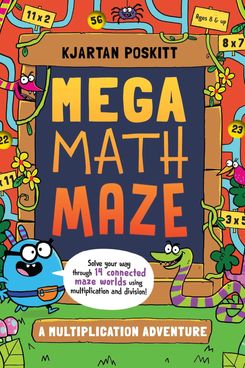
In this maze, children use multiplication to complete a quest.
More From The Strategist
- My Son and I Tested the Latest Toddler Potties
- Everyone Asks Me Where I Got My Daughter’s Cardigan (It’s From Amazon)
- The Best Last-Minute Halloween Gifts for Kids of All Ages
- Hot Wheels, American Girl, LEGO: The Best Advent Calendars for Kids (So Far)
The Strategist is designed to surface useful, expert recommendations for things to buy across the vast e-commerce landscape. Every product is independently selected by our team of editors, whom you can read about here. We update links when possible, but note that deals can expire and all prices are subject to change.