The Best Books, Games, and Activities to Help Kids Learn to Read
In this article
I’m an early-childhood literacy and learning specialist, and the question I’m asked most by parents of young children is how they can raise a strong reader? It’s an important question to ask, particularly at this moment in time: Over the past few years, reading instruction in the U.S. has undergone a radical shift to embrace the science of reading, but application has been uneven and inconsistent in school districts across the country. That makes it more crucial than ever for families to understand how children learn to read — through implicit exposure at home and in child-care settings, and through explicit teaching in elementary school.
You’ve heard it before, but it bears repeating: At home, reading to your child every day is the single most important thing you can do. Shared reading between parents and children is regarded by researchers as one of the most beneficial activities during early childhood, with many experts believing it lays the groundwork for stronger language and literacy skills down the road. And to that end, below you’ll find many book recommendations across multiple categories — board books, picture books, books that rhyme, and more — that I can vouch for as both a teacher and a parent.
But of course, many families are curious to know what else they can do to support their child’s burgeoning literacy skills. Most children would prefer that their family be playmates, not teachers. My recommendations generally tend to steer clear of workbooks and more classroomlike tools and instead focus on more natural, play-based opportunities to develop literacy skills.
Here, I’ve listed all the things I recommend doing to help promote language and reading development at home.
Play games that encourage language development
There are many games that build language skills through rhyming, word association, turn-taking, listening comprehension, and expressive language development. For younger kids, choose games that do not require reading and use visuals instead. Here are a several that specifically work on language development and come highly recommended by many speech and language therapists. And even though it’s not a “game” in the technical sense, you can and should rely on the power of good old make-believe, which encourages children to use more complex vocabulary, longer sentences, and more varied grammar than in almost any other activity.
New! You can now save this product for later.
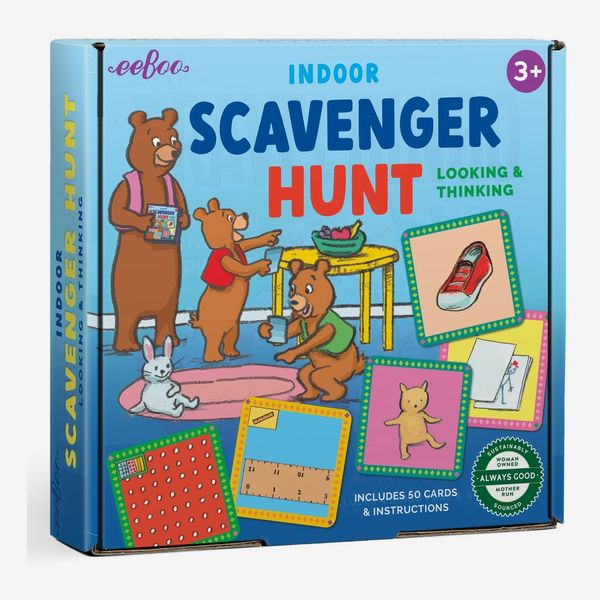
EeBoo’s Indoor Scavenger Hunt has kids find household objects matching specific attributes (color, texture, sound, number, etc.), building descriptive vocabulary and category-based language skills as they search for and explain their choices.
New! You can now save this product for later.
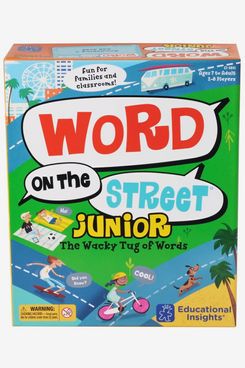
In Word on the Street Junior, players brainstorm a word that fits a category, then spell it letter by letter, moving tiles closer to their team’s side before time runs out — and building vocabulary, spelling, and quick word-retrieval skills in the process.
New! You can now save this product for later.
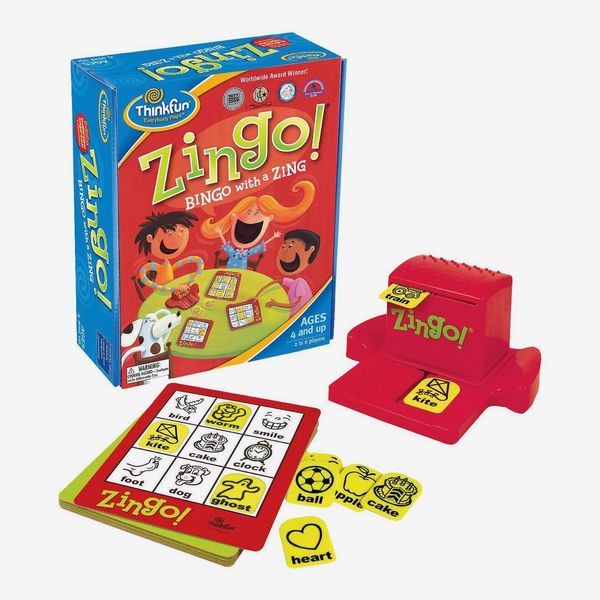
ThinkFun Zingo!
This game is a go-to in many preschools because it combines early language skills with fast-paced matching that builds expressive language and vocabulary.
New! You can now save this product for later.
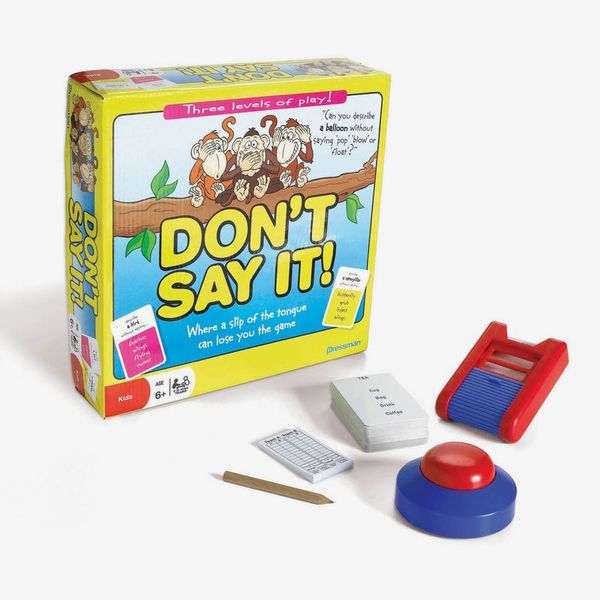
‘Don’t Say It!’
Don’t Say It! sharpens vocabulary and verbal reasoning by challenging players to describe a word without using its most obvious related terms, forcing creative, off-the-cuff language substitution.
New! You can now save this product for later.
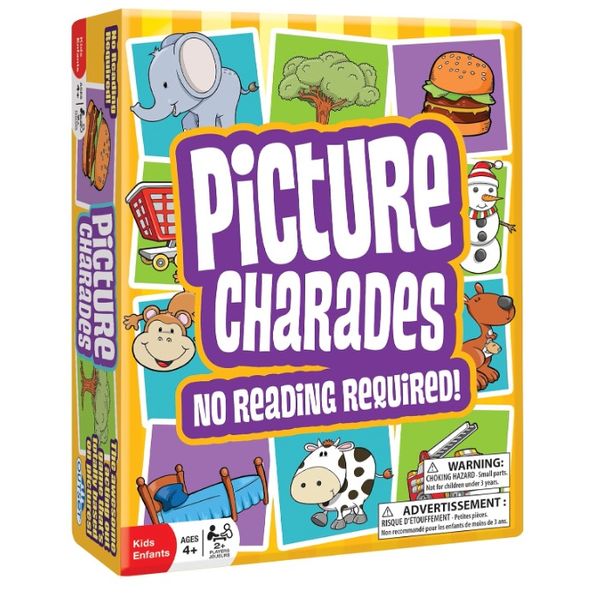
Charades is a big hit in my house and it’s excellent at building expressive language and vocabulary. For children who aren’t yet reading, make sure you choose a set like this one that provides visuals.
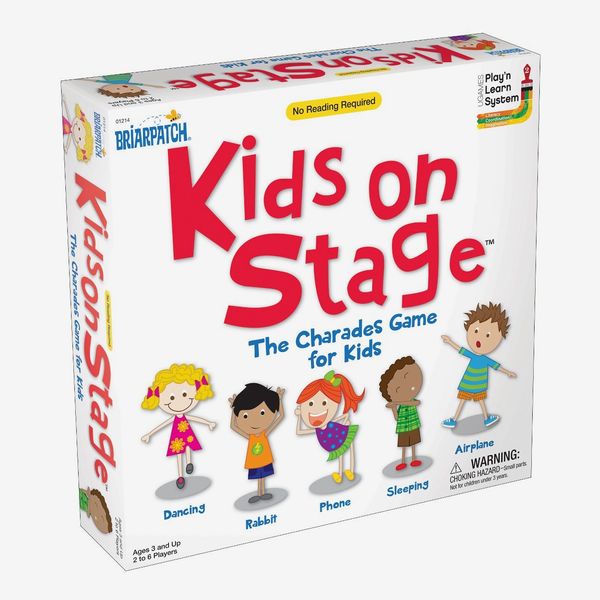
New! You can now save this product for later.
Another great Charades option.
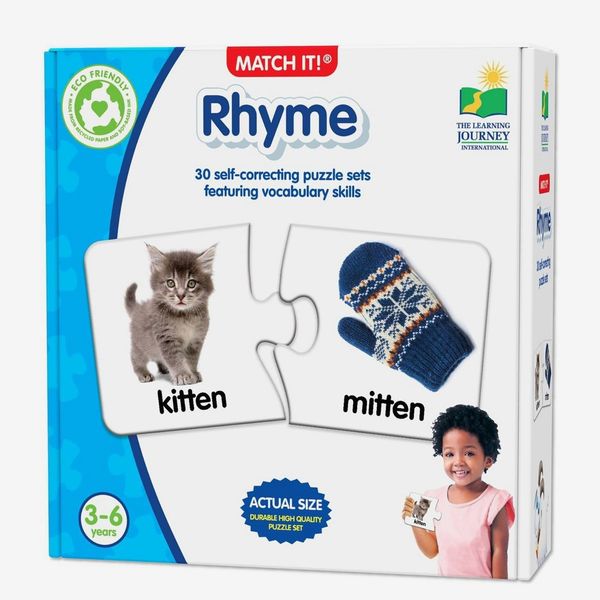
New! You can now save this product for later.
Rhyming builds phonological awareness in young children and is a strong predictor as later success in reading.
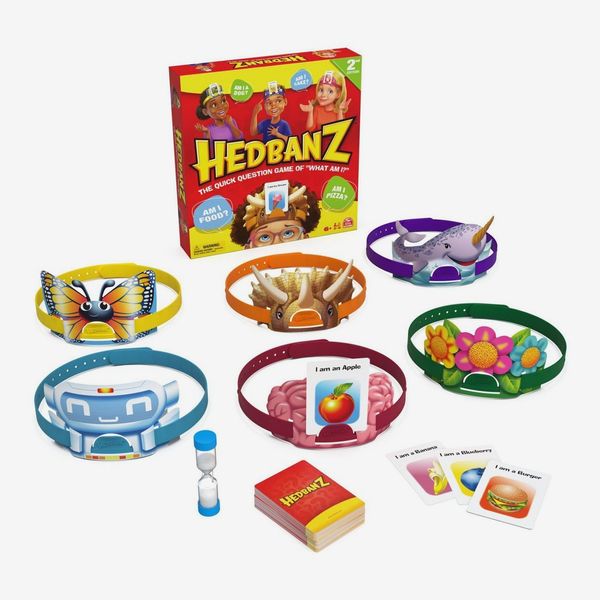
New! You can now save this product for later.
This is another one I always have in my classrooms. Children wear a picture of an animal on their forehead and must ask open-ended questions, employing expressive language, as well as categorizing and reasoning skills, to figure out the animal.
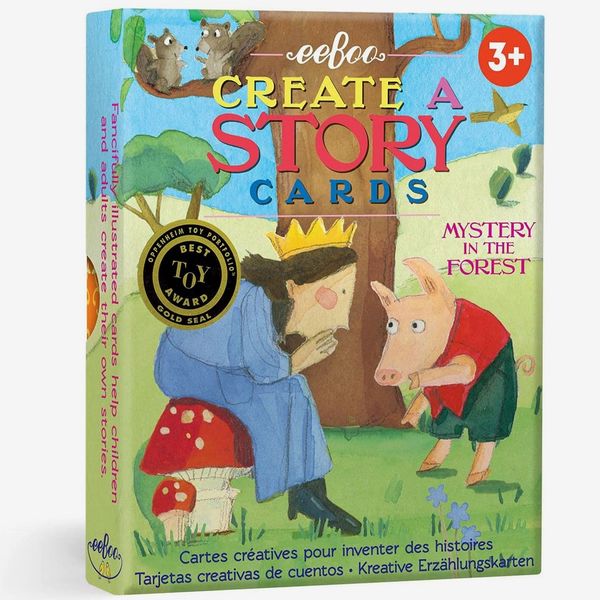
New! You can now save this product for later.
This is one of the games I carry in my bag when we go on trips or to restaurants: a pack of cards with an assortment of engaging illustrations for children to create stories and enhance their expressive language skills. (Ask questions and encourage them to expand on their stories to get the most out of it.)

New! You can now save this product for later.
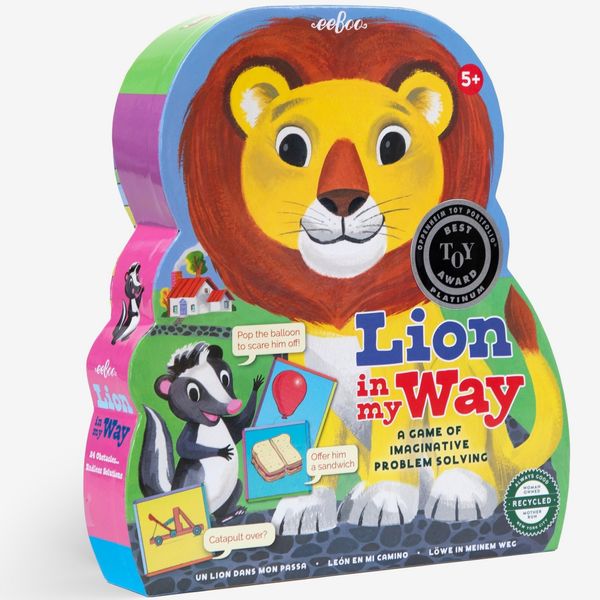
Lion in My Way is a sweet game for young children that emphasizes cooperative problem-solving and imaginative thinking.
New! You can now save this product for later.
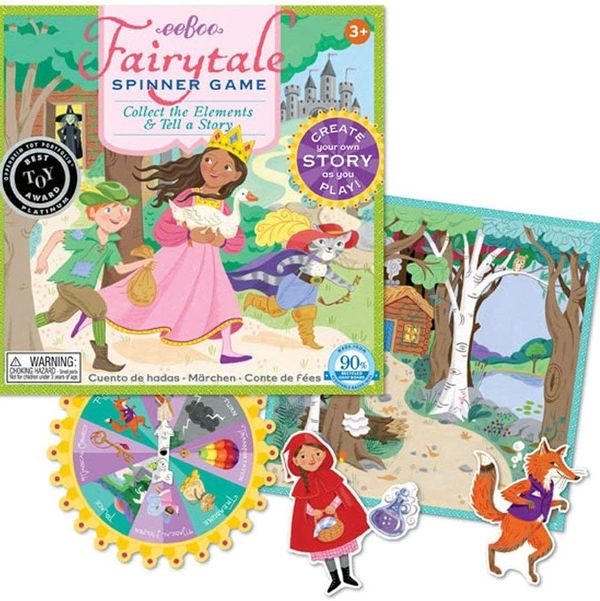
There are a few variations of this game, where children are given visual elements to create a story as they play. Another excellent tool for growing language skills.
New! You can now save this product for later.
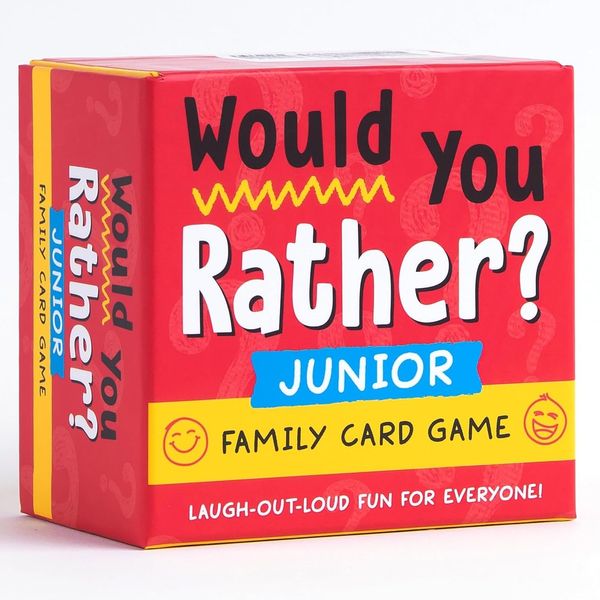
As you can see, there’s a theme here: Get children talking — and explaining their thinking. Here’s another classic way to do just that (but, of course, you don’t necessarily need a game for this).
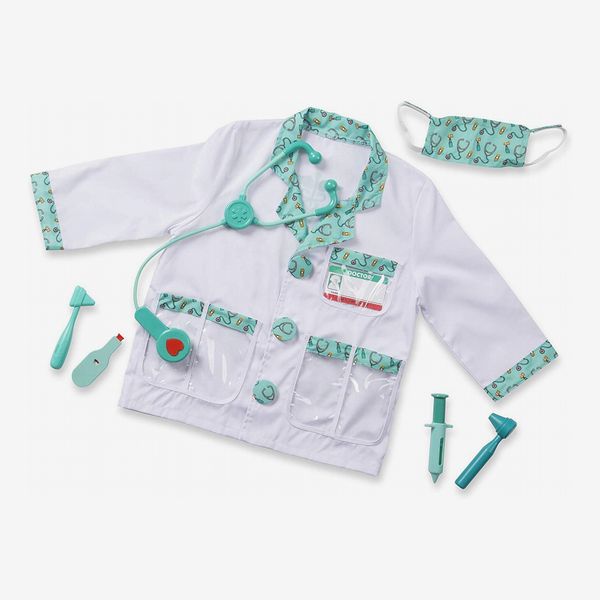
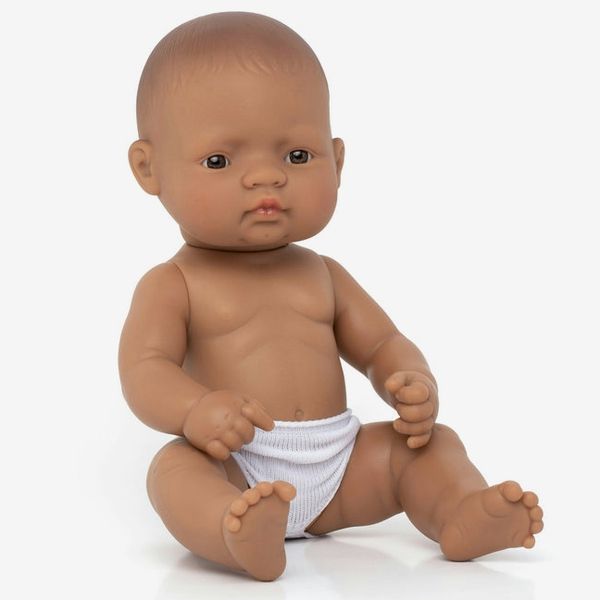
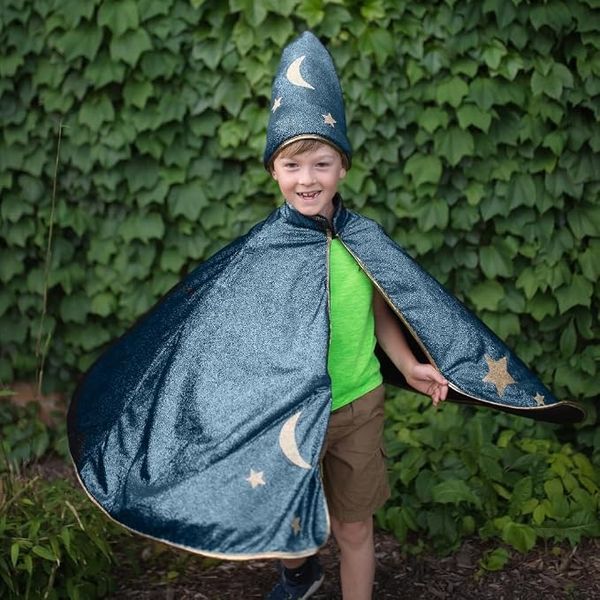
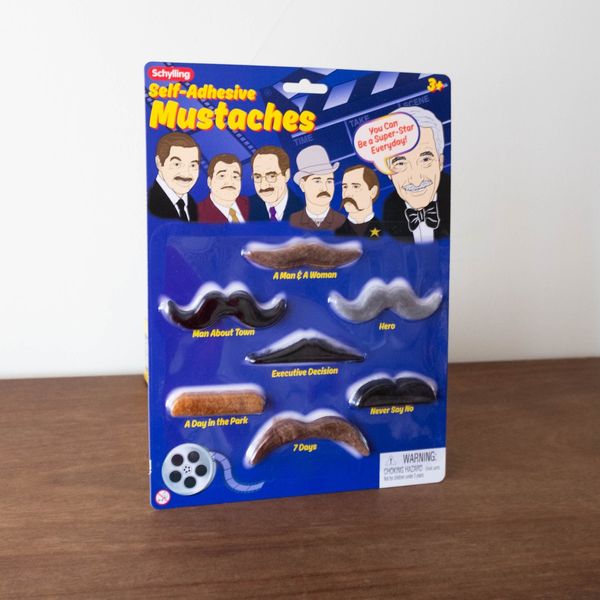
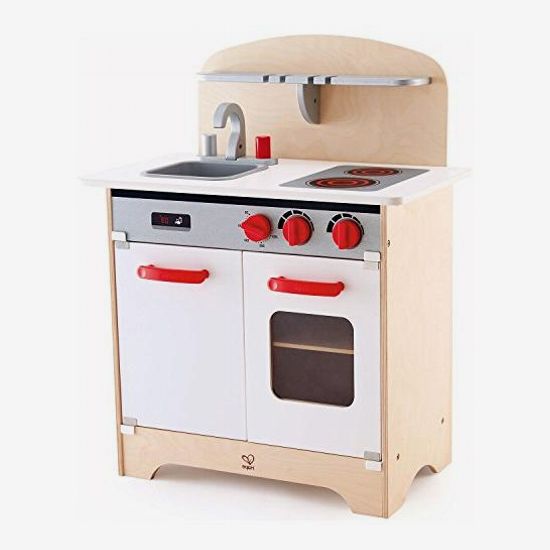
Imaginary play checks off every box. When children are playing pretend, they narrate, negotiate, explain, and describe, all of which build oral language skills. Usually children need very little to dive deep into their world of imaginative play, but here are a few things that might enhance it, depending on your child’s interests:
New! You can now save this product for later.
New! You can now save this product for later.
New! You can now save this product for later.
New! You can now save this product for later.
New! You can now save this product for later.
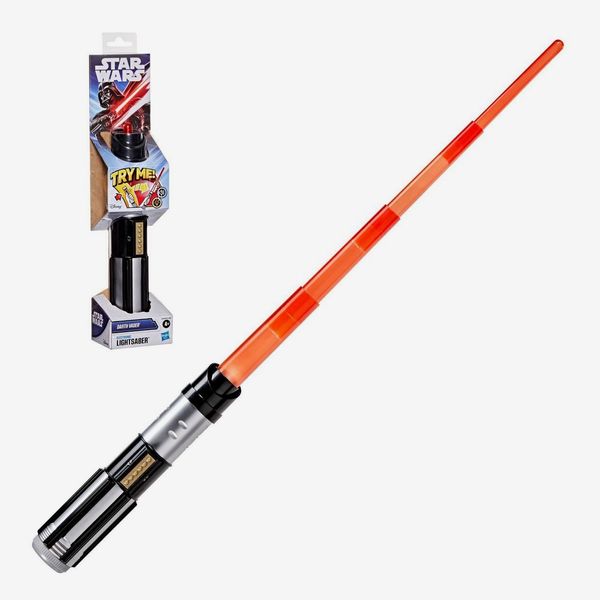
New! You can now save this product for later.
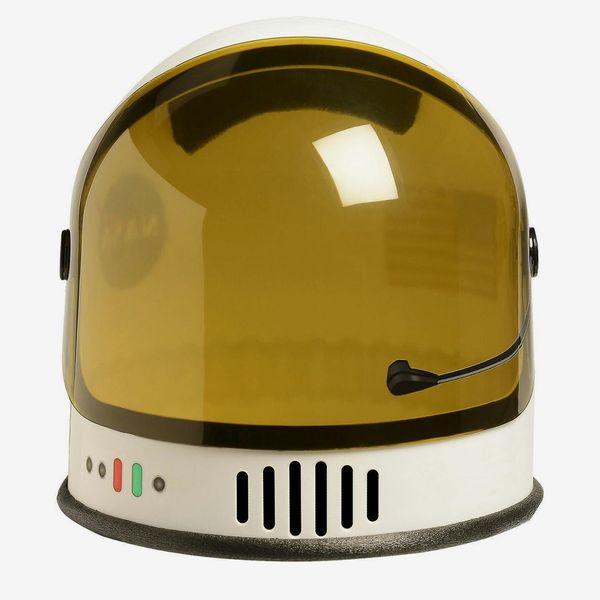
New! You can now save this product for later.
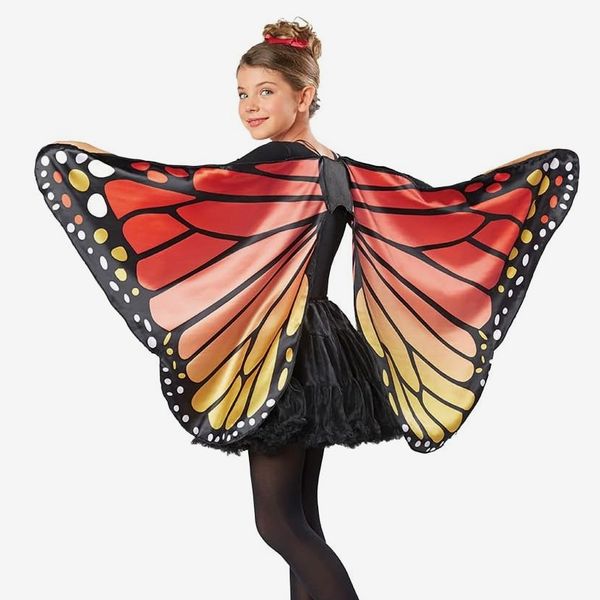
New! You can now save this product for later.
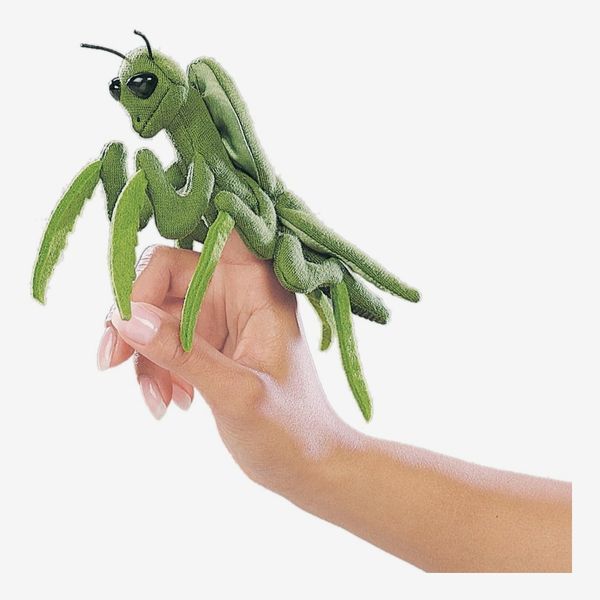
New! You can now save this product for later.
If your child is between 3 and 5 years old, consider books, games, and toys that explicitly help build reading skills
Around age 5, children need to begin learning “the code,” meaning the systematic relationship between letters and the sounds they make. This is what makes reading possible. Unlike spoken language, which children absorb naturally, reading must be explicitly taught. Research on this is clear: Children need direct, structured instruction in phonics to become successful readers. Below are a few joyful ways to build skills and confidence in your beginning reader — likely between ages 3 and 6, depending on the child. It’s important to note that when you introduce and talk about letters with your child, that you continually reinforce the letter sound and not just the letter name (e.g., B makes the /b/ sound, like in the word bat).
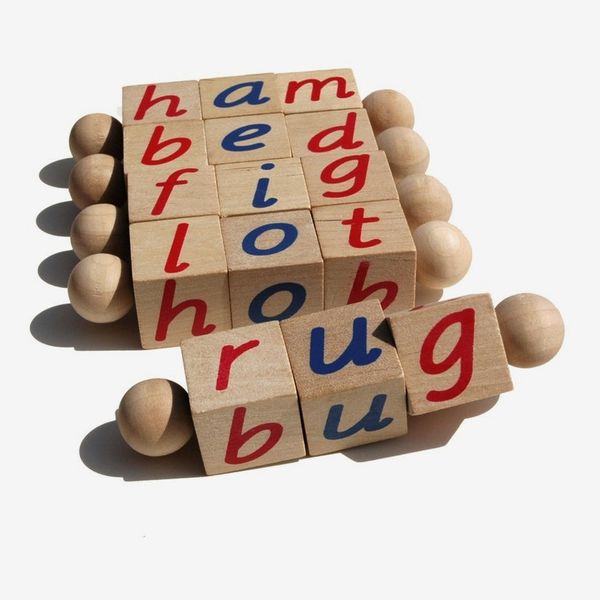
New! You can now save this product for later.
This is a tool that I always have on hand for young readers — and often gift to my friends’ children. It’s perfect for kids who are just beginning to sound out words.
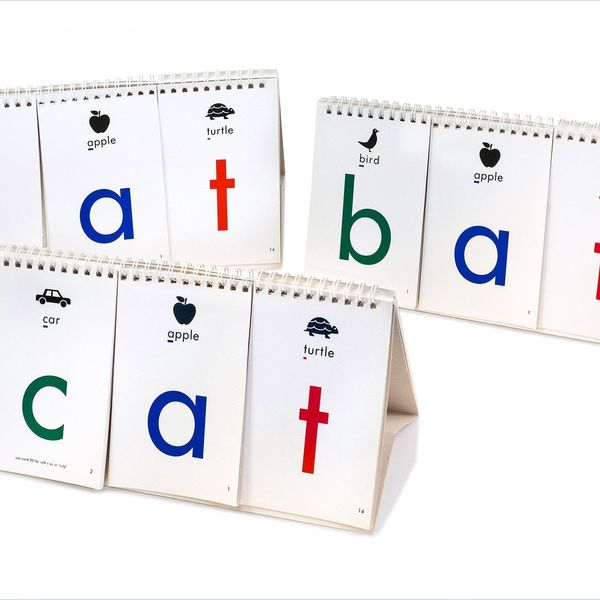
New! You can now save this product for later.
Another great tool for children who are starting to sound out and blend words.
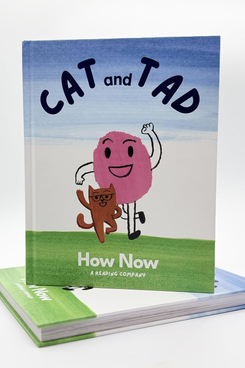
New! You can now save this product for later.
This is a really fun and engaging series of books for beginner readers that I worked on with two other educators; it’s also for children just beginning to sound out words. Written with the science of reading in mind, it has the heft and feel of a chapter book.
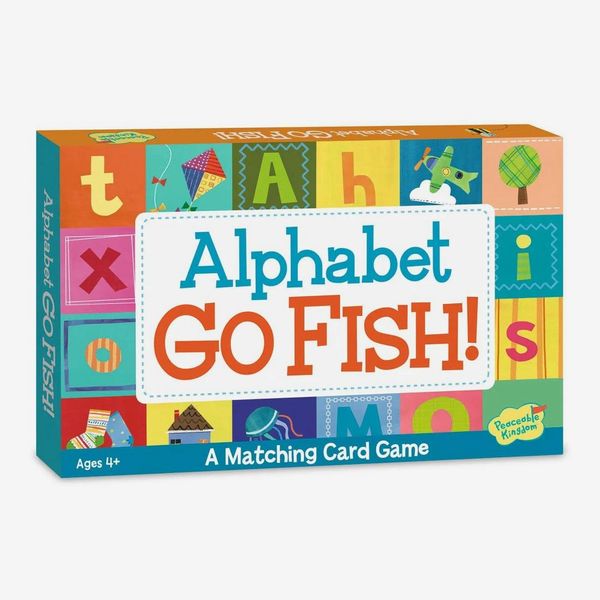
New! You can now save this product for later.
It’s important for children in pre-kindergarten to begin learning the names of letters (and, once they’re in kindergarten, the sounds that each letter makes). Incorporating letters into games is a great way of reinforcing those skills.
New! You can now save this product for later.
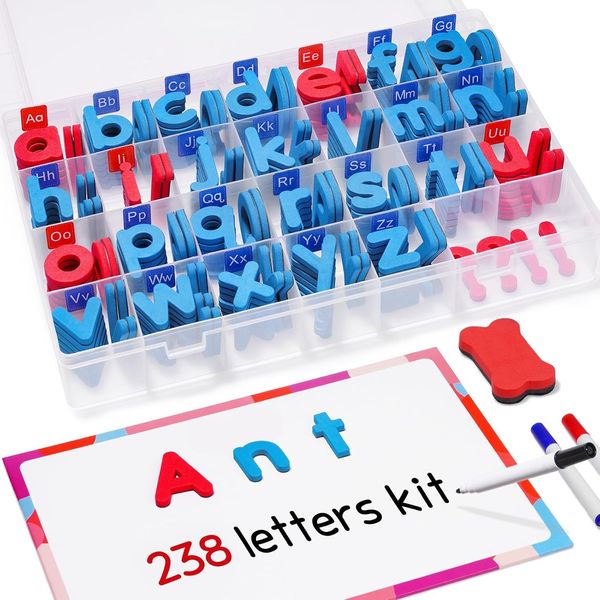
For the fridge, for the easel, for a dry-erase board. Another natural opportunity to build letter identification and letter-sound skills. Here is another set of nice ones.
New! You can now save this product for later.
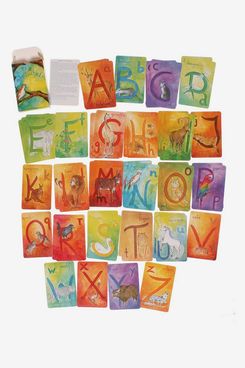
If you’d like to teach your children letter names and sounds through cards, these are a very fancy set! I also think Heggerty (a curriculum company) makes great ones, or here’s a more affordable set that is also quite sweet.
New! You can now save this product for later.
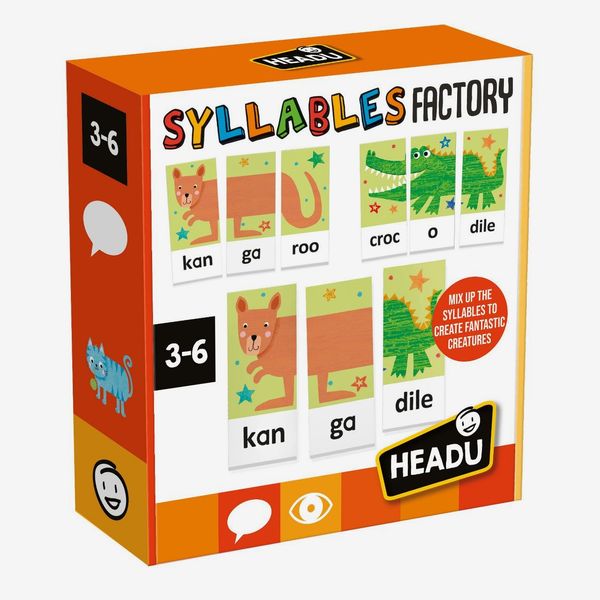
As children begin to read, they’ll learn about syllables. This is how they’ll decode multisyllabic words. This is a cute and silly game to get children thinking about how words are broken down and how we put them together.
New! You can now save this product for later.
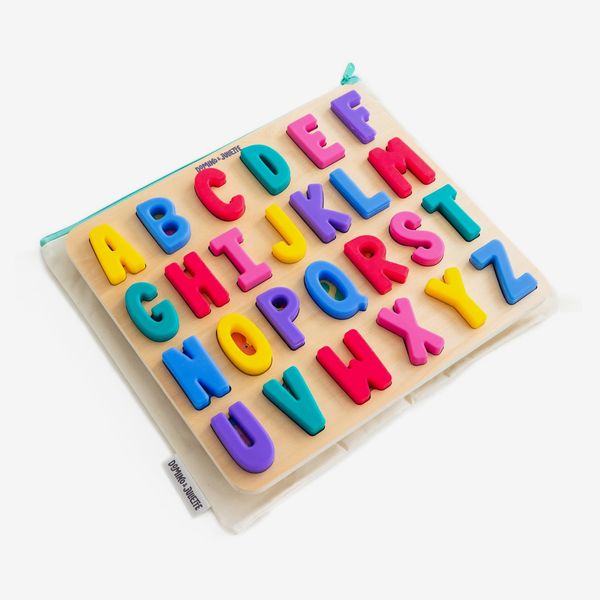
There are so many beautiful alphabet puzzles to choose from! I like this one because, for younger children, the letters are silicone and easy to wash.
But any design is just fine as long as you’re helping your child learn the names of the letters and the corresponding sounds they make.
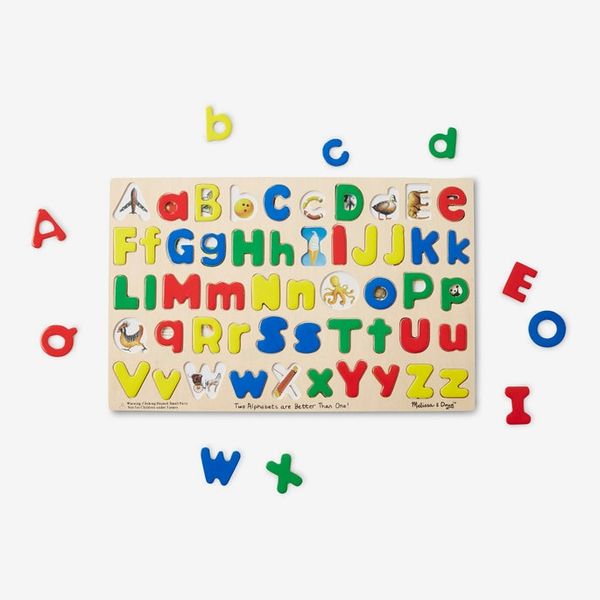
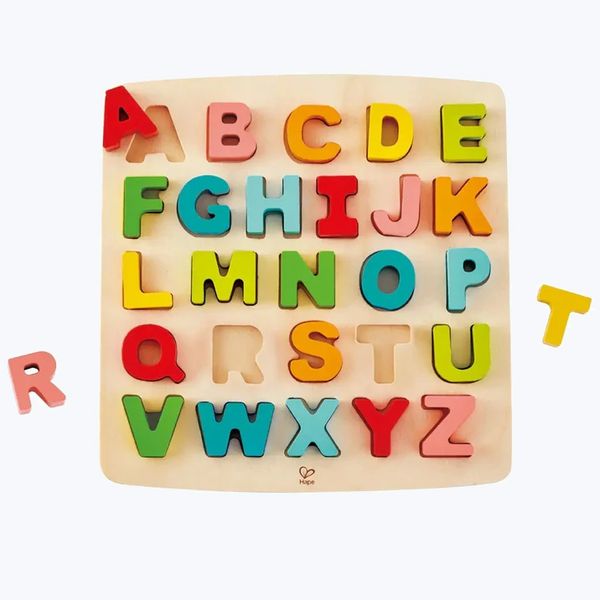
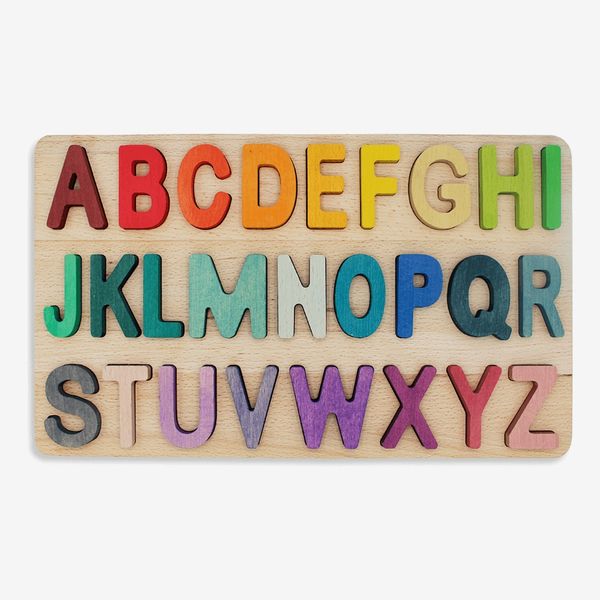
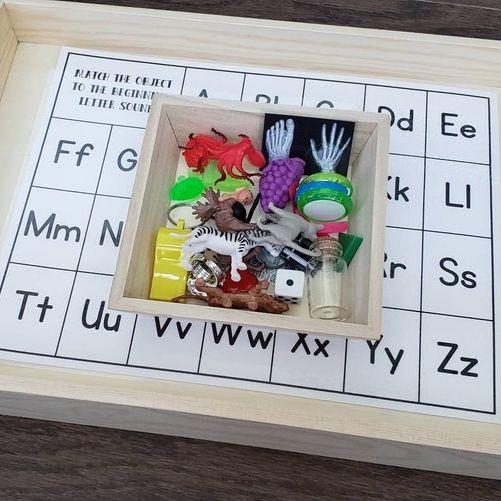
New! You can now save this product for later.
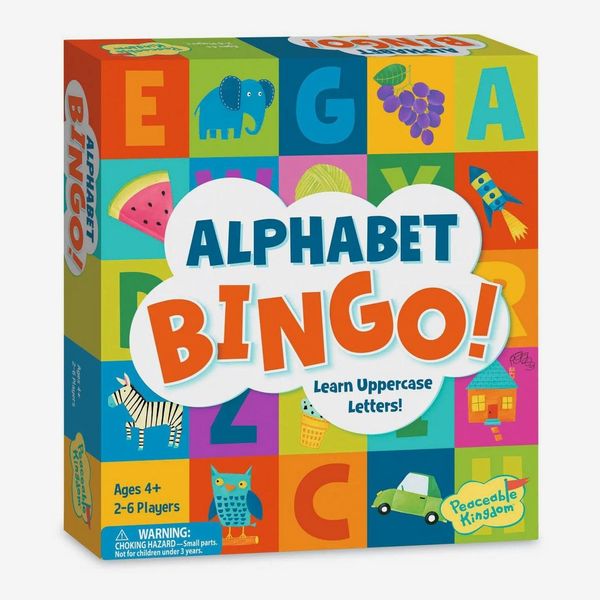
I like this multisensory set for preschoolers and kindergarteners. They have to think about the initial sound they hear in the name of their object and then find the corresponding letter. These are important early reading skills! You can also make your own version of this.
New! You can now save this product for later.
You can play this with letter names or sounds.
New! You can now save this product for later.
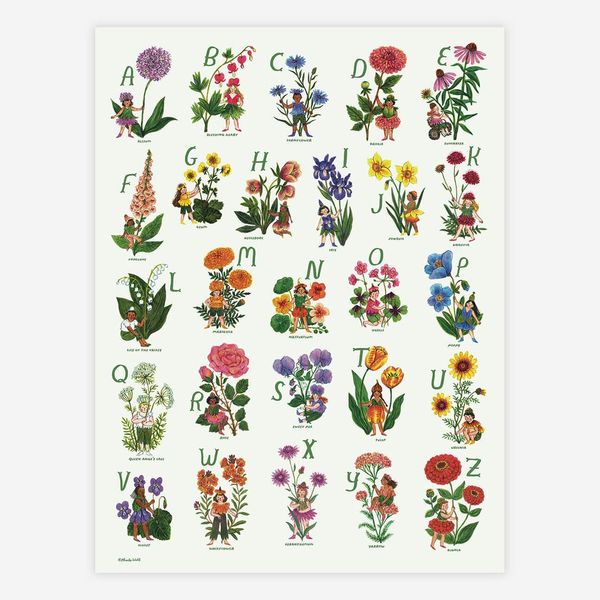
This is a lovely piece of décor for a child’s bedroom or play area by illustrator and author Phoebe Wahl.
Listen to as much music as possible
Listening to music, from the earliest of a child’s days, can enhance their ability to hear and manipulate sounds. Several studies have found that children with musical training show stronger phonological awareness and, subsequently, stronger reading skills. Nothing is more subjective than choosing music, but here are some artists and albums that children seem to enjoy.
New! You can now save this product for later.
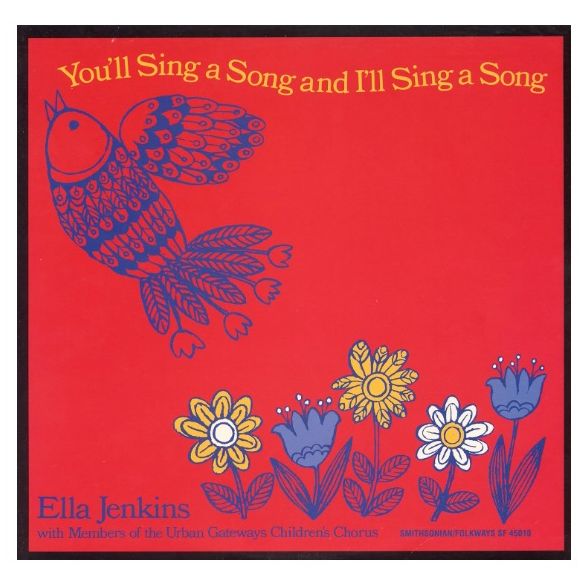
Ella Jenkins, the “First Lady of children’s music,” wrote many wonderful folk songs for children. I’ll never forget my early childhood professor at Hunter College playing this album to a roomful of future teachers.
New! You can now save this product for later.
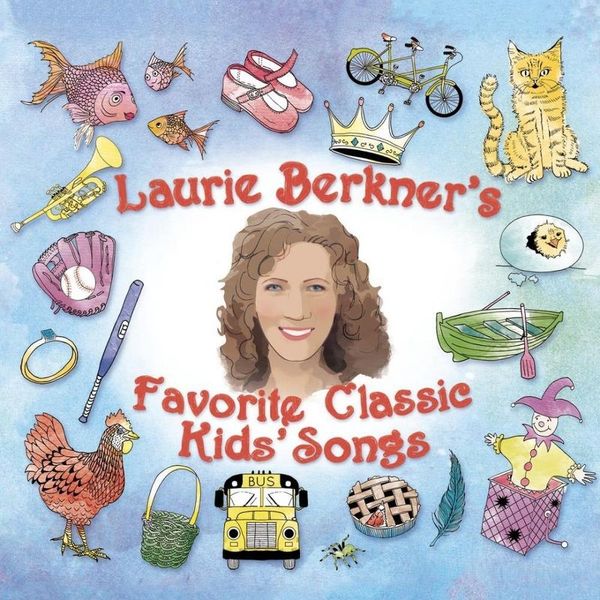
A more contemporary children’s music icon: Laurie Berkner.
New! You can now save this product for later.
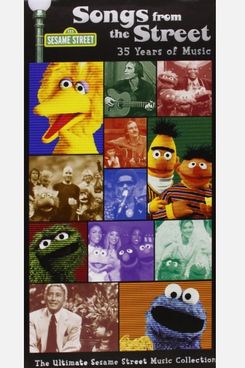
Sixty-three tracks from 35 years of Sesame Street! Catchy tunes from our favorite Muppets that are also streaming on Spotify if you don’t want to shell out for the discontinued three-CD box set.
New! You can now save this product for later.
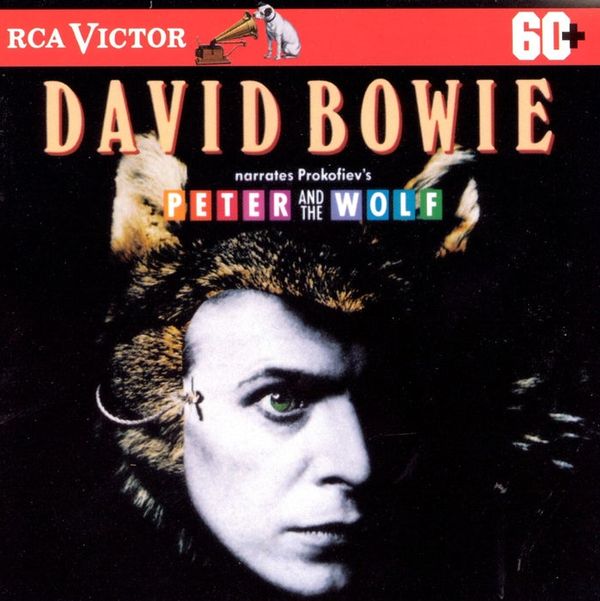
David Bowie narrates Prokofiev’s Peter and the Wolf alongside The Young Person’s Guide to the Orchestra —great for building listening skills and vocabulary as well as an appreciation for classical music.
New! You can now save this product for later.
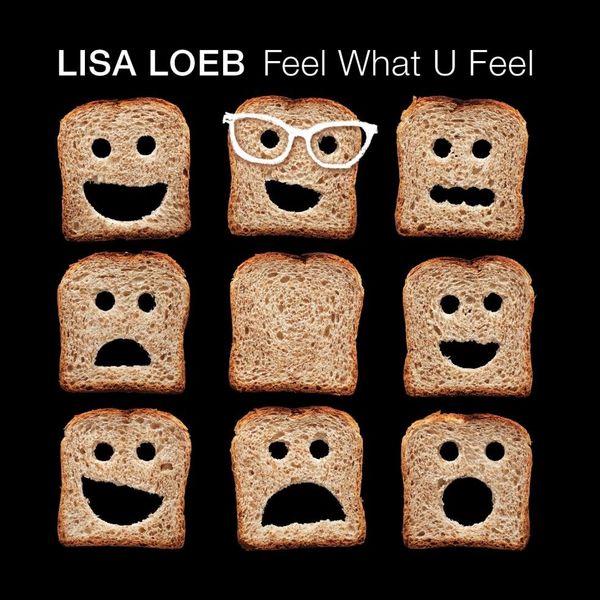
‘Feel What U Feel,’ by Lisa Loeb
Did you know that Ethan Hawke directed Lisa Loeb’s “Stay (I Missed You)”? Did you also know that Lisa Loeb now makes music for children?
New! You can now save this product for later.
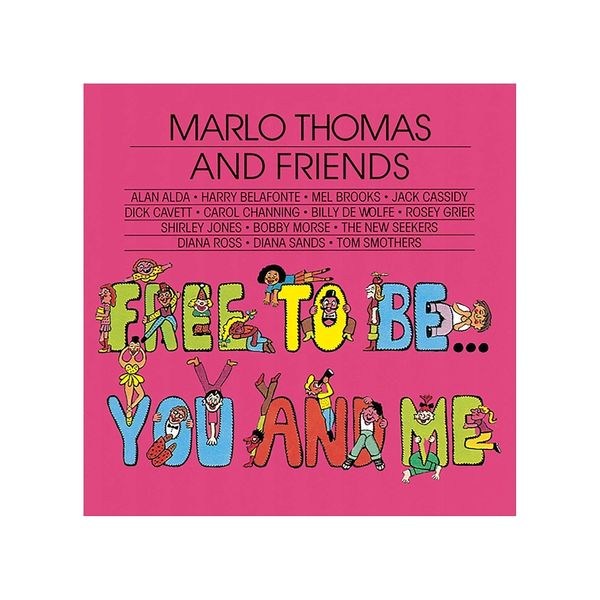
A favorite in the ’70s, Marlo Thomas and Friends brought together well-known performers and storytellers for songs and stories. It’s still great!
New! You can now save this product for later.
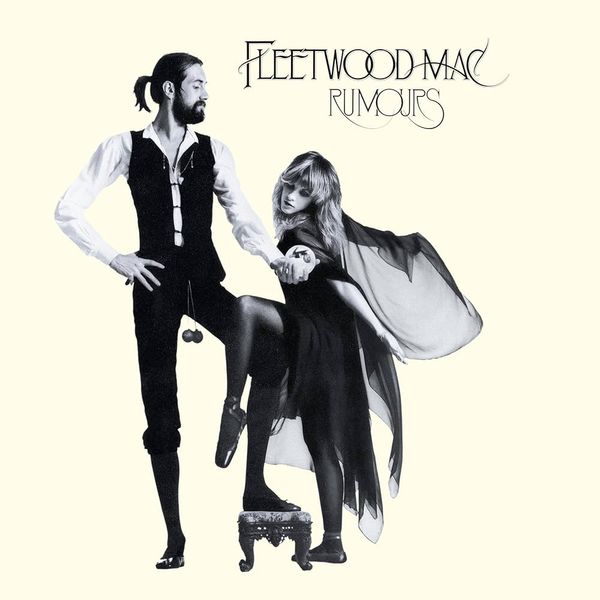
Just throwing in my favorite band of all time. Force your children to love your music.
Incorporate audiobooks and books with sound effects to enhance kids’ relationship with words
Audiobooks are great for travel, for children not yet reading, and for when you simply need a break from reading aloud.
New! You can now save this product for later.
New! You can now save this product for later.
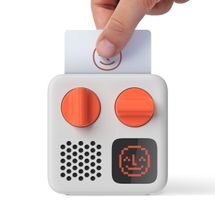
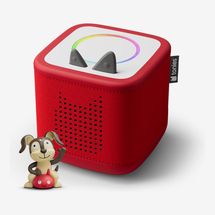
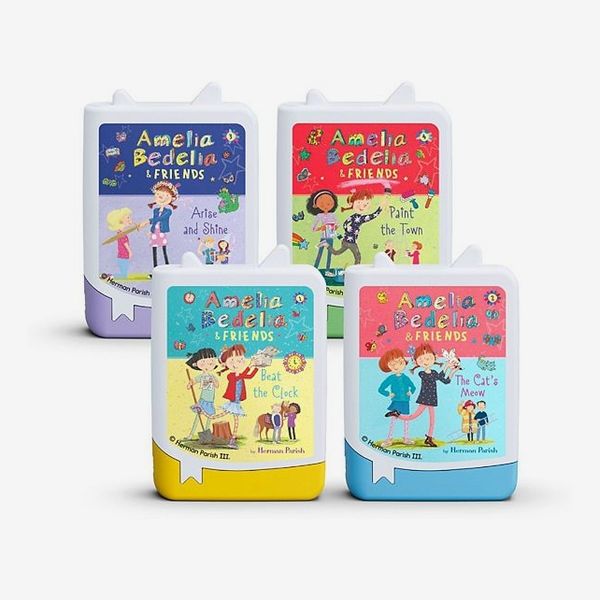
Audio players like the Yoto and Toniebox have many books for children to choose from and allow children as young as three to navigate them independently. There are also plenty of children’s books you can listen to on your phone, for free, through your public library and the Libby app.
New! You can now save this product for later.
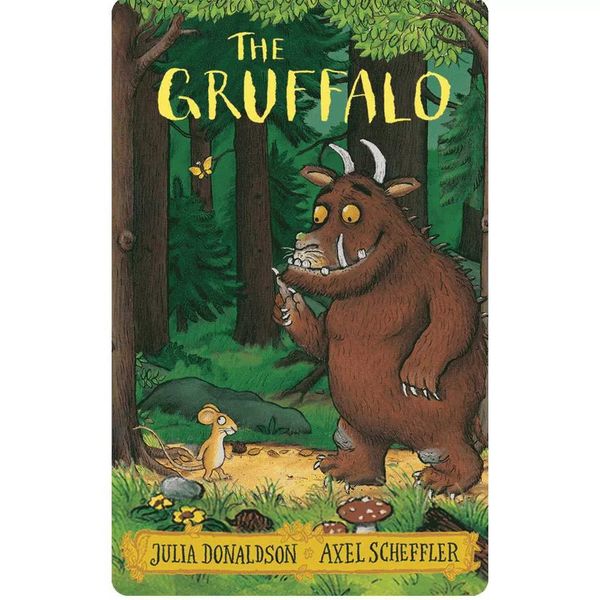
New! You can now save this product for later.
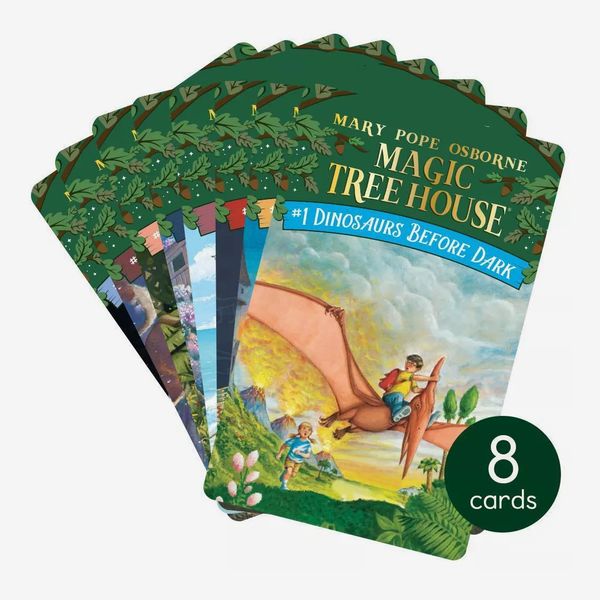
New! You can now save this product for later.
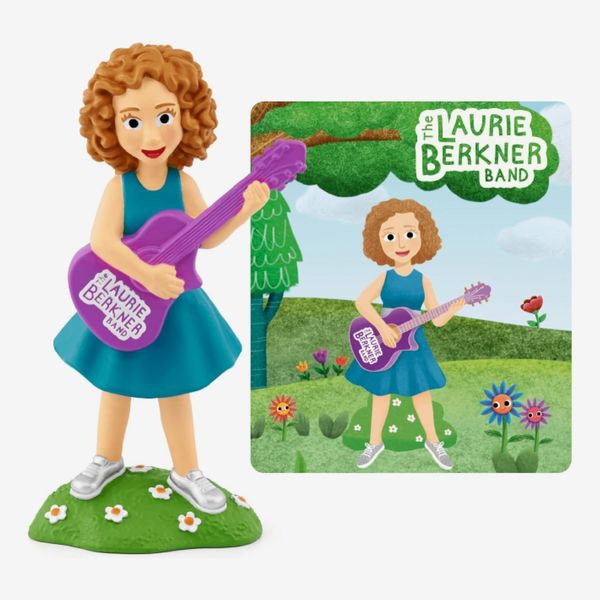
New! You can now save this product for later.
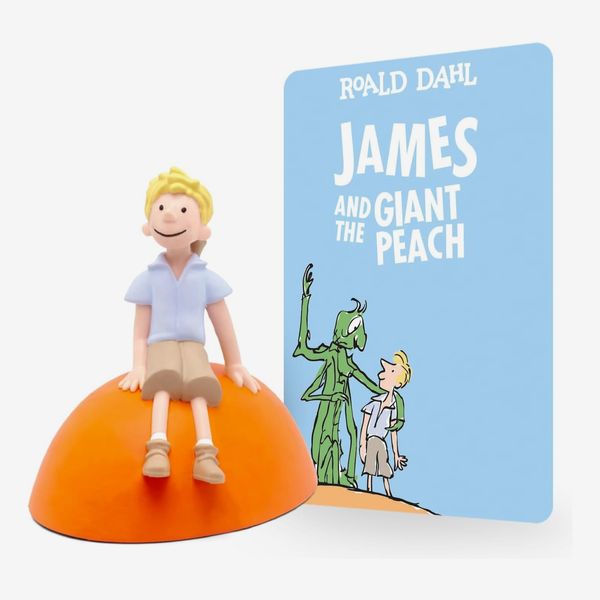
New! You can now save this product for later.
New! You can now save this product for later.
Learning Ally is a great subscription audiobook service for children. If your child has been diagnosed with dyslexia or another language-based learning disability, you qualify for a free account.
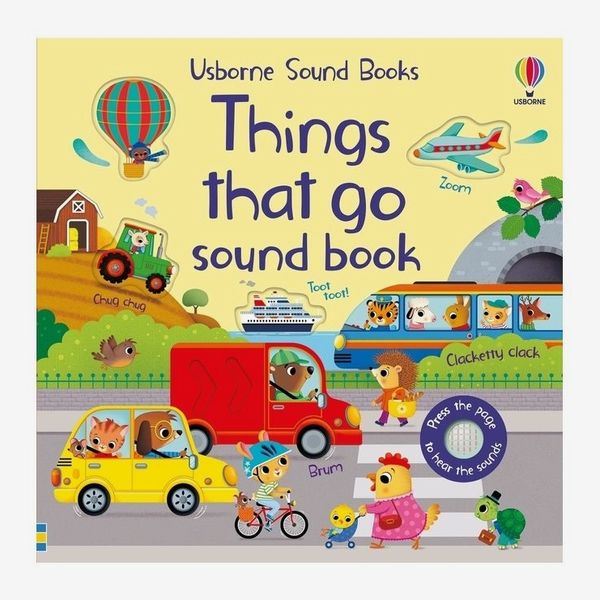
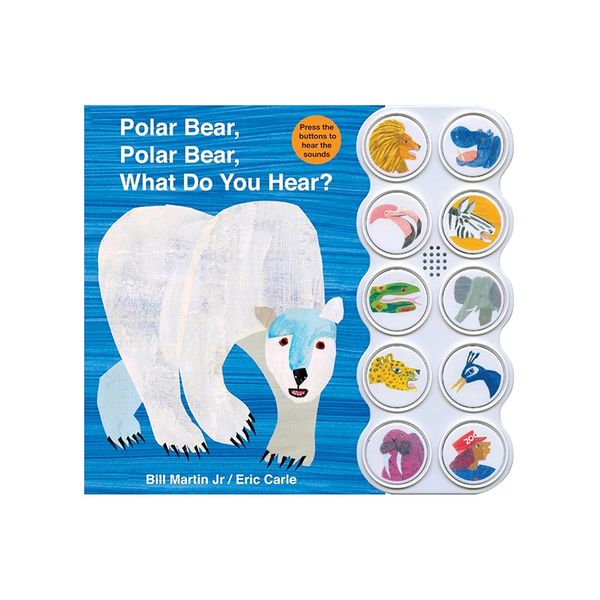
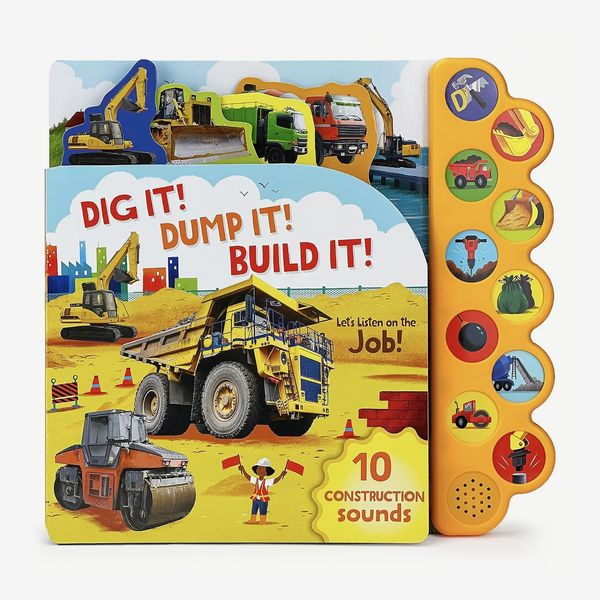
Musical books and books with sound effects are also a great way to engage young readers and give children not yet reading a bit of independence in controlling the narrative.
New! You can now save this product for later.
Busy scenes and buttons that make the sounds of trucks, cars, boats, buses, tractors, and trains.
New! You can now save this product for later.
One of Eric Carle’s beloved books, now with sound effects.
New! You can now save this product for later.
Another noisy book, this one for the digger lovers.
New! You can now save this product for later.
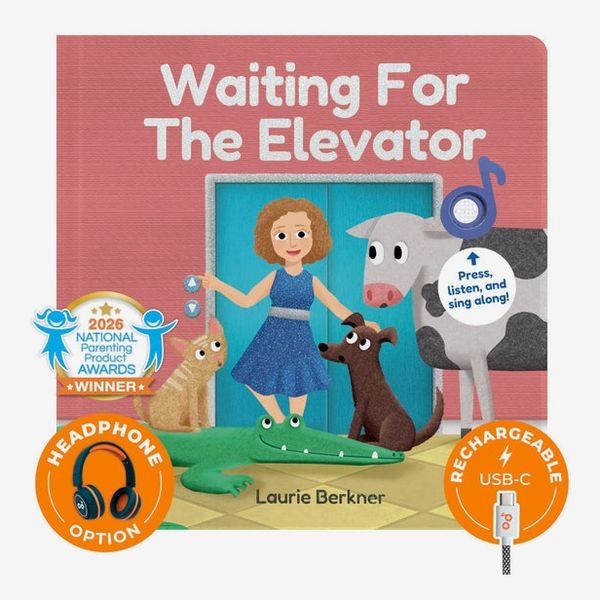
This rechargeable musical book combines Berkner’s catchy “Waiting for the Elevator” with whimsical illustrations.
New! You can now save this product for later.
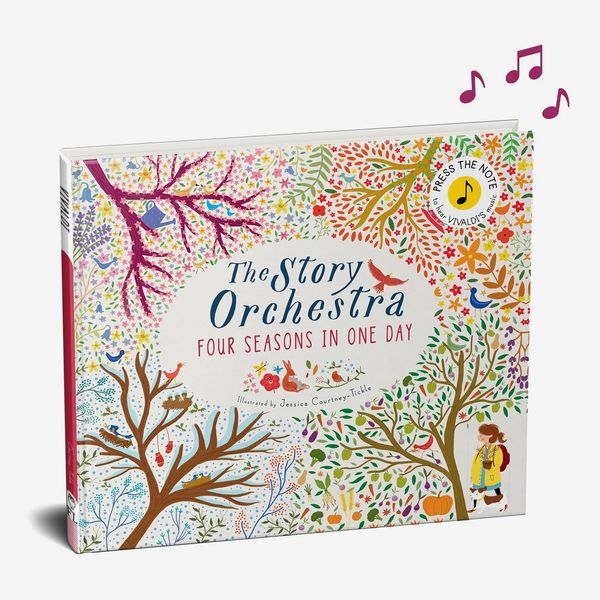
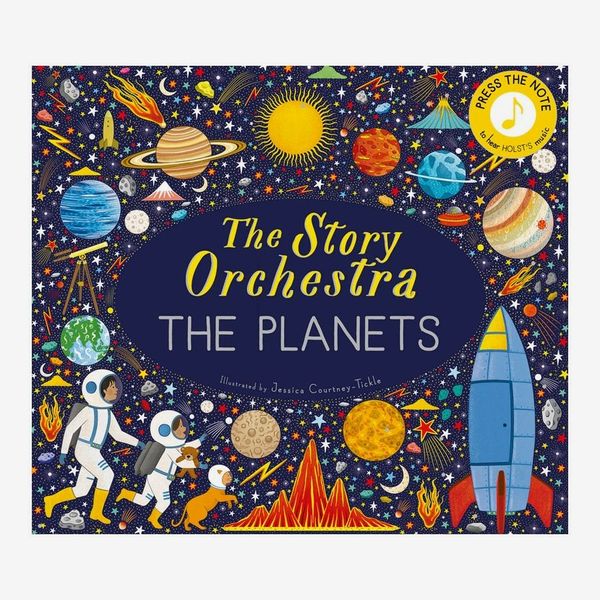
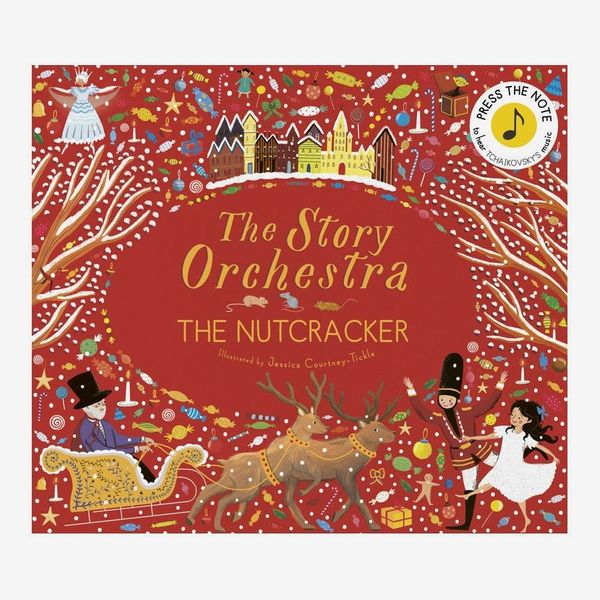
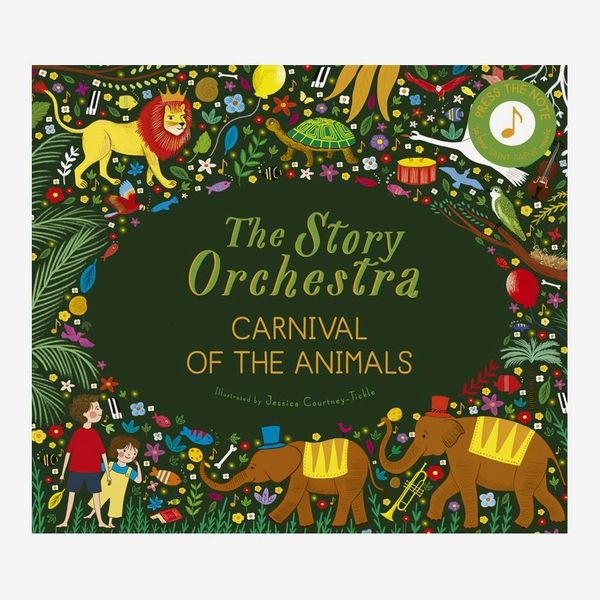
A young child goes on an adventure to the compositions of Vivaldi (part of a series featuring a wide range of classical music).
New! You can now save this product for later.
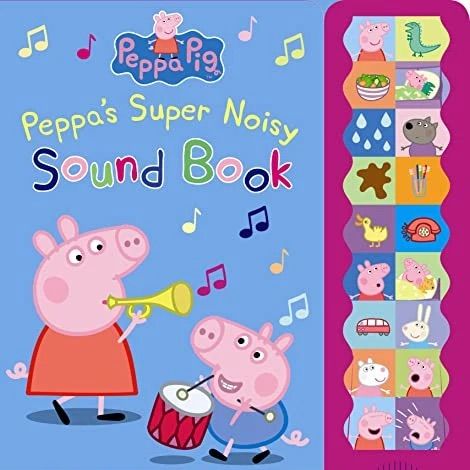
Who doesn’t want to hear Peppa’s delightful squeal over and over and over again?
Always use the big words — and read books with interesting language — no matter their age
Unlike acquiring spoken language, learning to read is not organic or natural — it’s more like cracking a code, one that was invented relatively recently and that a significant portion of the population struggles to learn. (An estimated 10 to 17.5 percent of the global population has dyslexia.) So in order to prime a child’s brain for reading, families should focus first and foremost on building strong oral language skills, which are foundational to learning to read. By age 3, children from language-rich homes may have heard tens of millions more words than their peers, a gap that has significant implications for later academic achievement: Recent research confirms that vocabulary knowledge in kindergarten is one of the strongest predictors of reading comprehension in later grades. In short, the words a child hears and uses before they ever set foot in a classroom matter enormously.
Board books
New! You can now save this product for later.
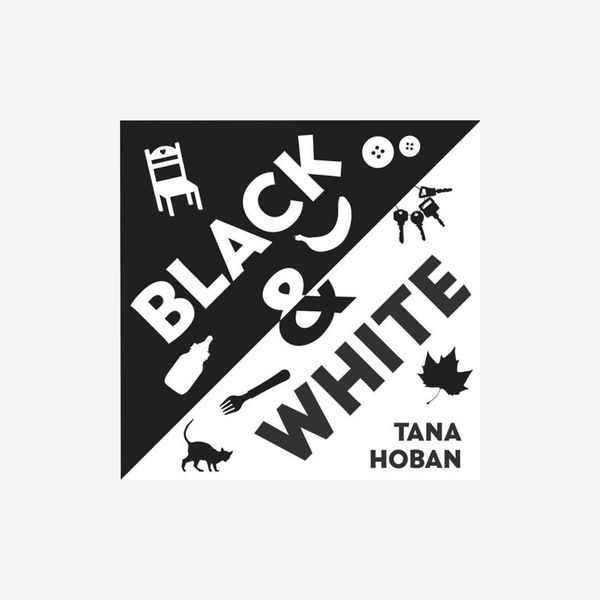
‘Black and White,’ by Tana Hoban
Even babies need to be read to, as it builds the habit of daily reading as well as preliteracy skills. Board books like Tana Hoban’s Black & White are usually the first books that a baby independently learns to reach for and navigate. Hoban was a photographer and children’s book author whose wordless picture books use striking black-and-white and color photography to teach young children about shapes, colors, and the everyday world. The simple, high-contrast visuals are excellent for babies and toddlers alike.
New! You can now save this product for later.
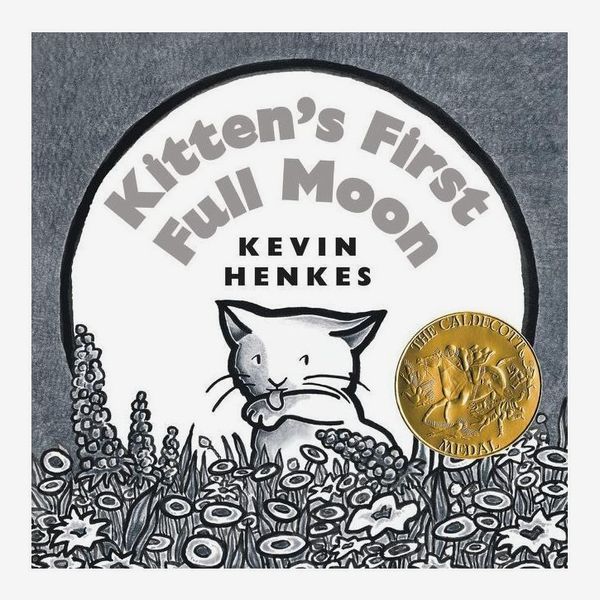
Kitten’s First Full Moon, by Kevin Henkes, is a charming, black-and-white picture book about a kitten who mistakes the moon for a bowl of milk. The black-and-white illustrations, like Hoban’s, are especially helpful for babies whose color vision is still developing.
New! You can now save this product for later.
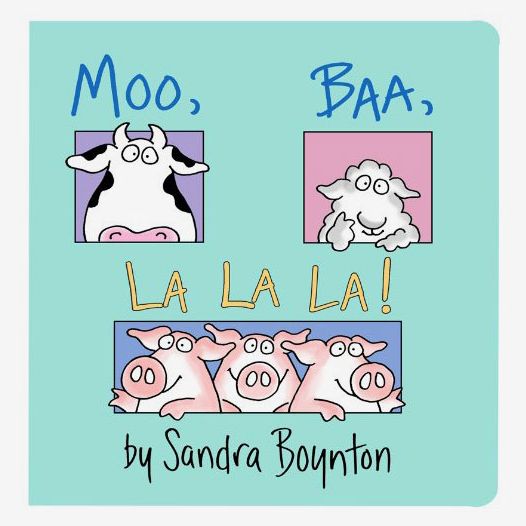
‘Moo, Baa, La La La!,’ by Sandra Boynton
Sandra Boynton hardly needs an introduction but always deserves a place when we’re talking about early childhood board books. Young children quickly learn the bouncy rhymes and beg for these books to be read over and over again.
New! You can now save this product for later.
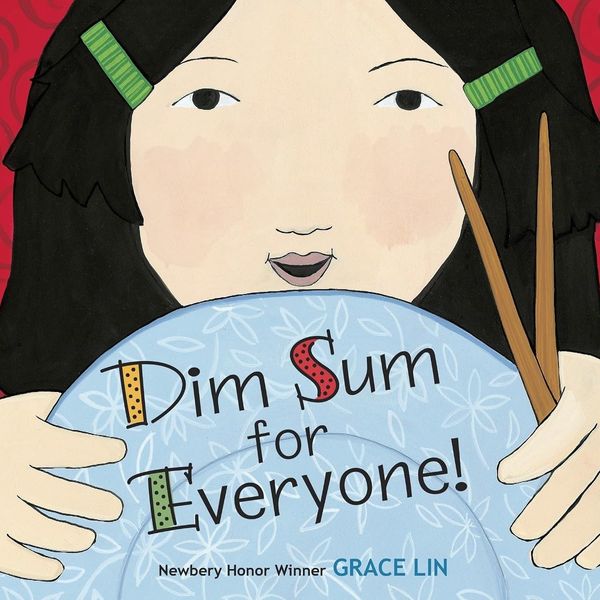
I always have a few copies of Dim Sum for Everyone on hand to give to friends with new babies. The repetitive, easy-to-follow text shows a family sharing different dishes at a restaurant.
New! You can now save this product for later.
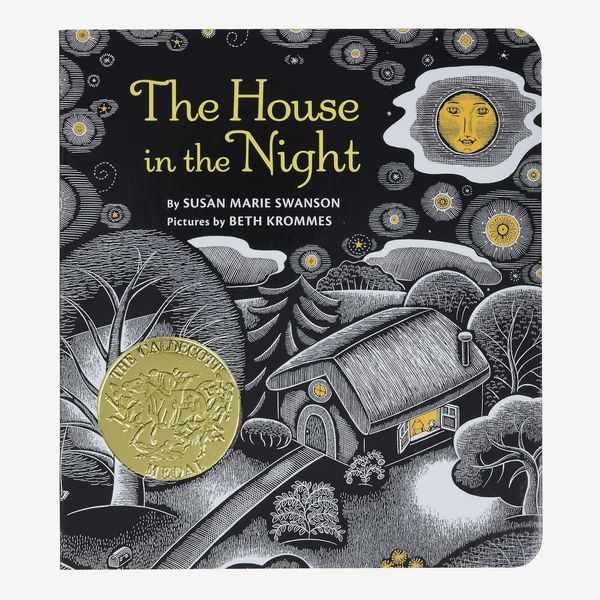
The House in the Night by Susan Marie Swanson is perfect bedtime book for your baby or toddler, with cozy black-and-white illustrations.
New! You can now save this product for later.
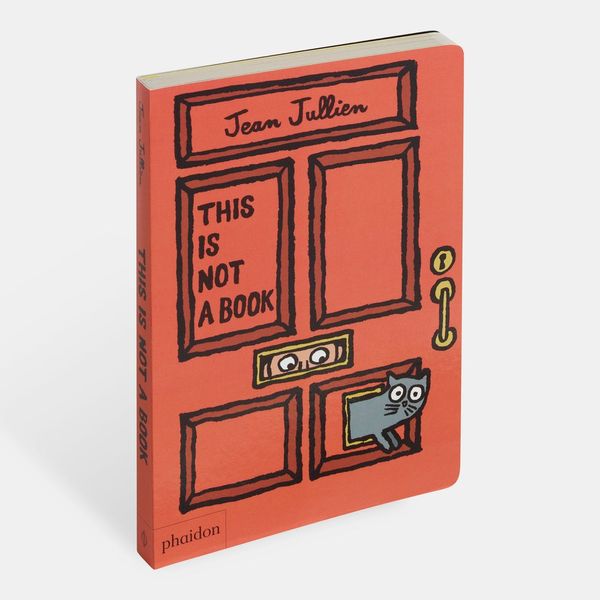
The pages of Jean Jullien’s This Is Not a Book are turned into everyday objects. A book can be anything!
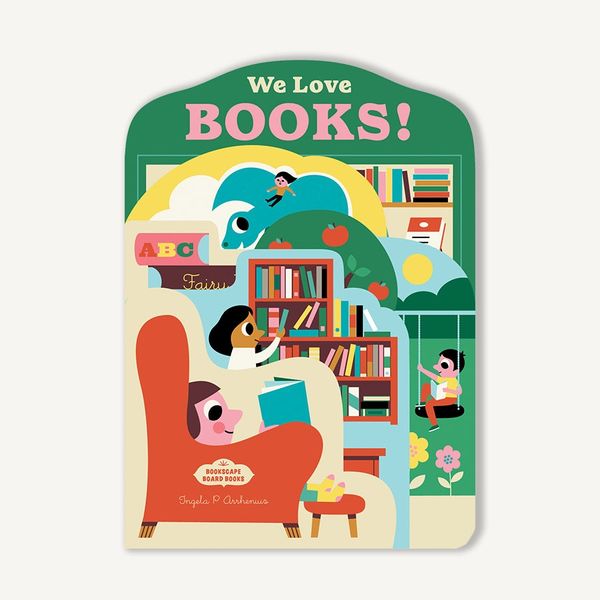
New! You can now save this product for later.
A board book shaped like a bookstore.
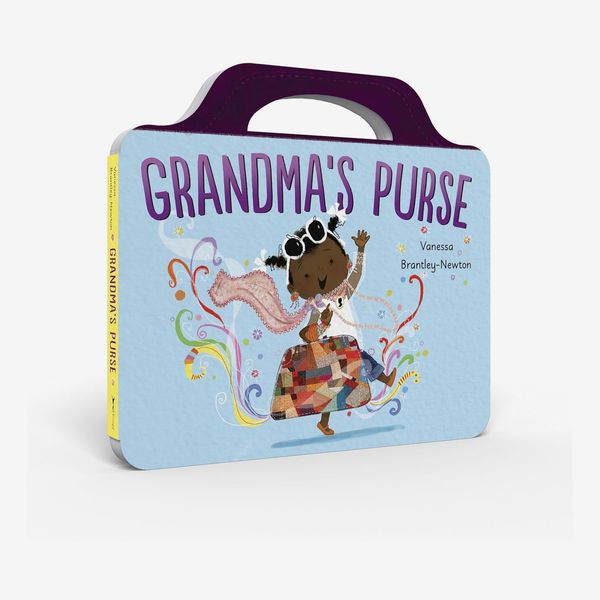
New! You can now save this product for later.
A board book shaped like a purse that celebrates all of the things a child learns about her grandmother by going through her bag.
Of course, any board book that keeps your child engaged and that you enjoy reading to them will do. You can find more Strategist-favorite board books here and here.
Picture books
Be sure to choose picture books that have rich language. It’s important to expose children to a wide vocabulary, pausing when appropriate to explain the meaning of an unfamiliar word. Parents often feel like they need to simplify text when they read aloud, but I recommend you resist the urge. Books with rhyming schemes, with new vocabulary, and even wordless books provide many opportunities to build language.
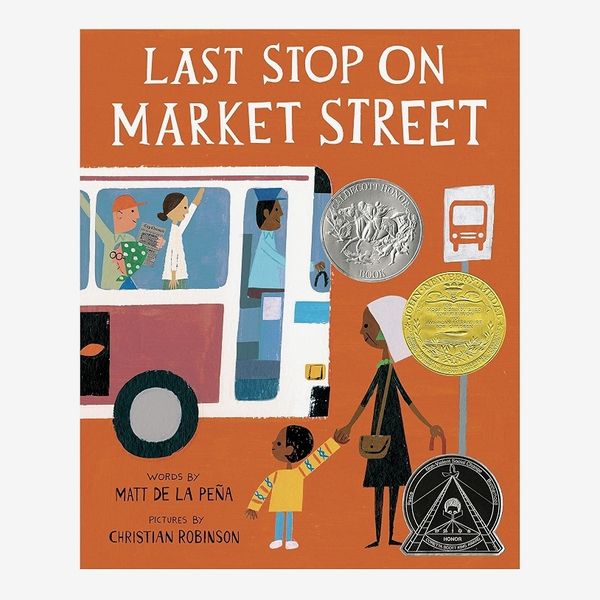
New! You can now save this product for later.
Matt de la Peña’s Last Stop on Market Street — winner of the 2016 Newbery Medal — follows a young boy and his grandmother as they journey through their city. It has sharp, sensory details and figurative language, which are both excellent for encouraging oral language skills.
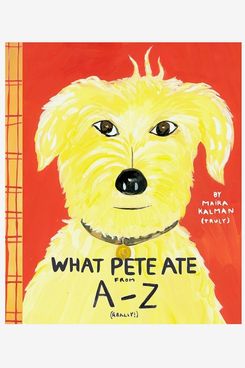
New! You can now save this product for later.
There’s no one greater at introducing children to new and exciting words than Maira Kalman. What Pete Ate from A to Z is really just the tip of the Kalman iceberg.
New! You can now save this product for later.
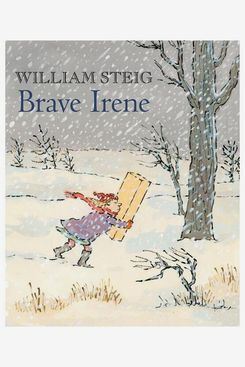
Brave Irene by William Steig is one of my all-time favorites. It’s got it all: adventure, a weather catastrophe, a royal ball, and one very brave child. There are many opportunities in this book to expose a child to new and exciting words.
New! You can now save this product for later.
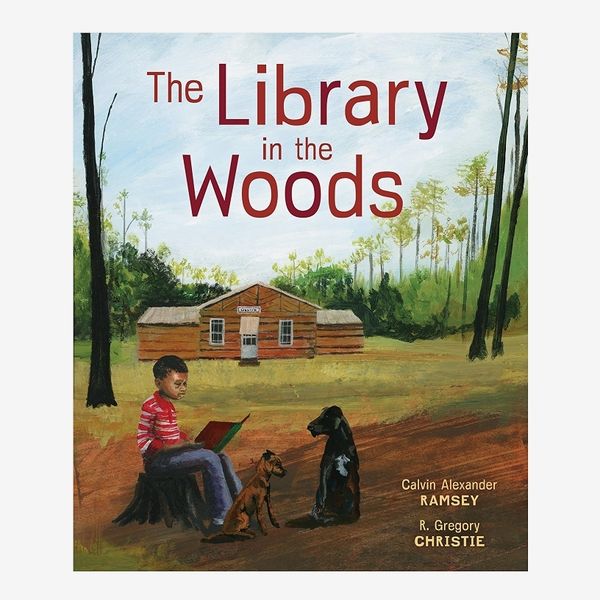
Calvin Alexander Ramsey’s The Library in the Woods is based on the author’s own childhood experience of discovering and frequenting a library for Black residents of his segregated town. It’s a really lovely ode to books, libraries, and connecting with loved ones through literacy.
New! You can now save this product for later.
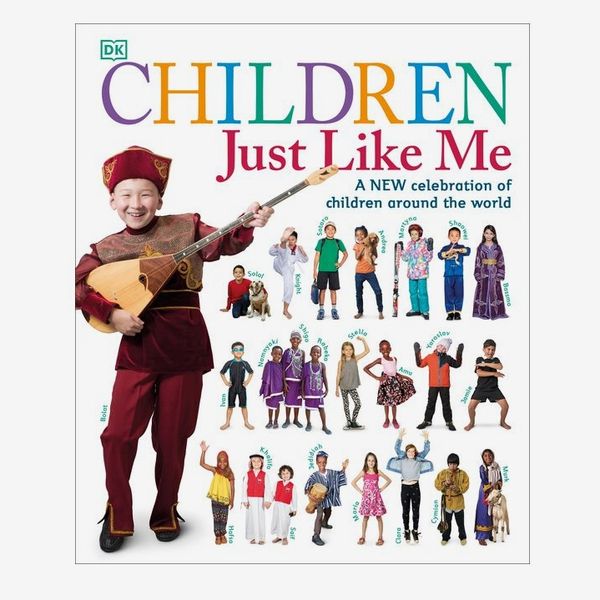
Children Just Like Me features short biographies of children from 36 different countries, describing their favorite meals, how they get to school, and what they do for fun. I poured over this book as a kid and, recently, bought the updated edition (2016) for my kids. Exposure to nonfiction builds background knowledge and specific vocabulary that fiction alone often doesn’t provide, which in turn strengthens reading comprehension across all subjects.
New! You can now save this product for later.
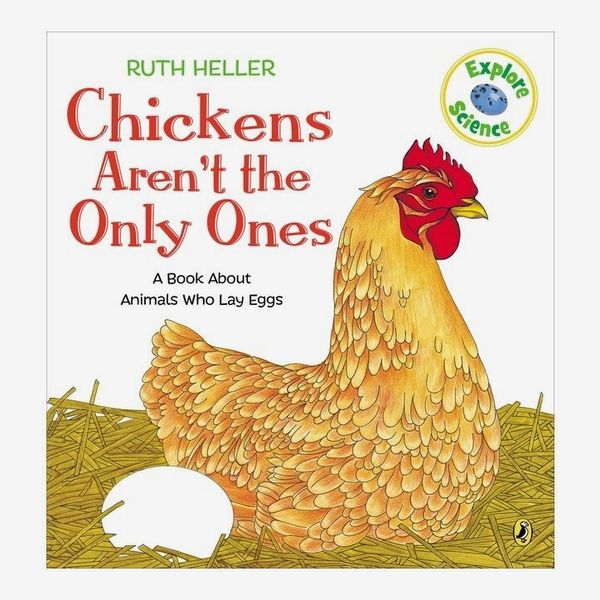
Another great nonfiction read! Your child will even learn the term “oviparus.”
New! You can now save this product for later.
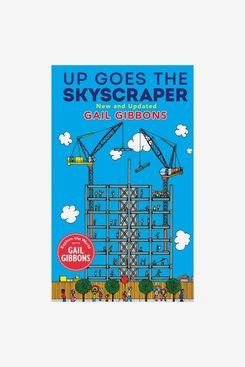
Gail Gibbons is beloved in many early childhood classrooms for her clear, accessible nonfiction books, incuding Up Goes the Skyscraper, where explanations are paired with bright, detailed illustrations.
Books that rhyme
The books you choose will depend on your child and their preferences, but it helps to try out books with rhymes, which help build a child’s phonological awareness.
New! You can now save this product for later.
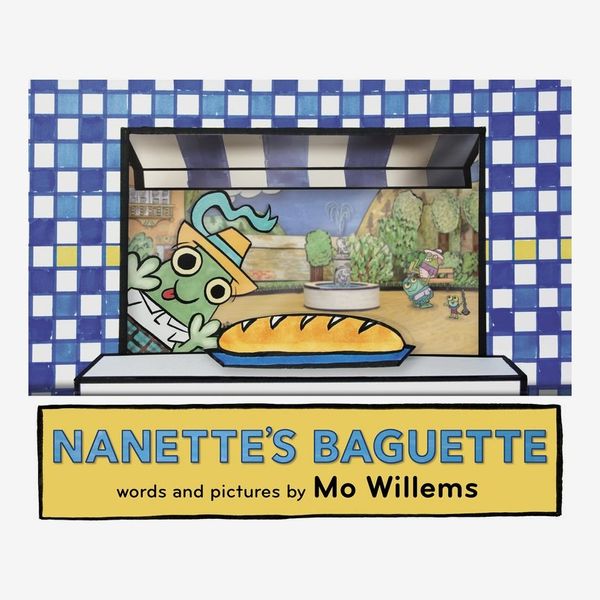
‘Nanette’s Baguette,’ by Mo Willems
Nanette’s journey to fetch a beloved baguette for her mother is told in bold, often silly rhyme. Reading it aloud is pure fun.
New! You can now save this product for later.
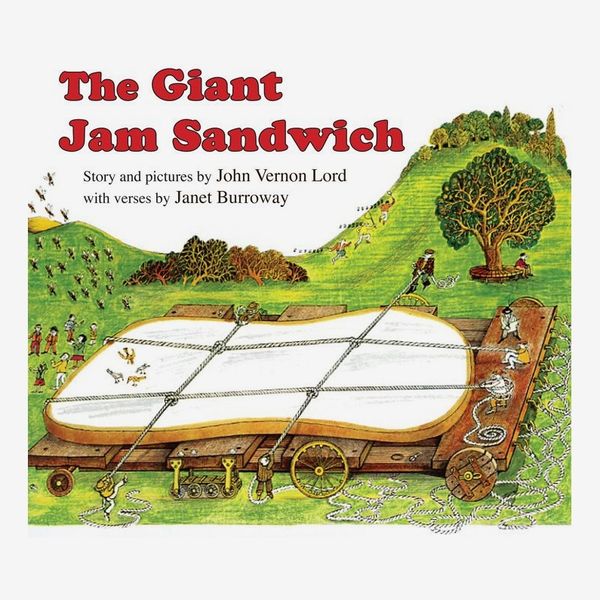
A beloved book from the ’70s about Itchingdown, a mythical town that has a pesky wasp epidemic. The antidote? A giant jam sandwich. It’s fun and rhythmic; great for engagement and early phonemic awareness skills.
New! You can now save this product for later.
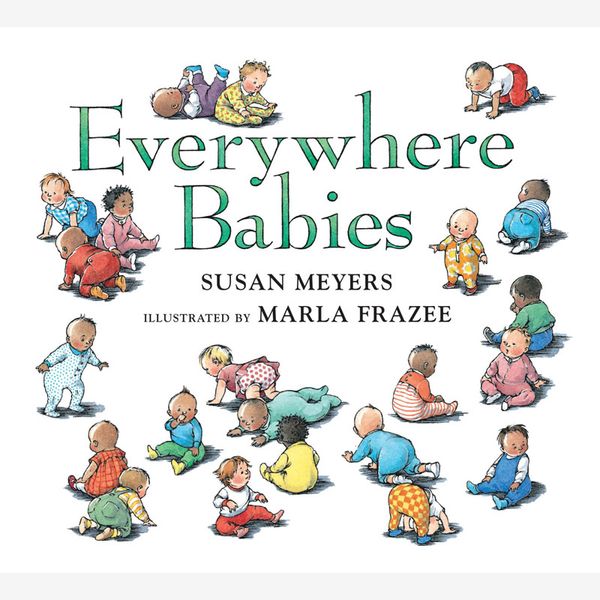
Babies love babies, as this board book, which my first child wanted to read again and again, proves. Everywhere Babies celebrates babies of all kinds, in playful rhymes.
New! You can now save this product for later.
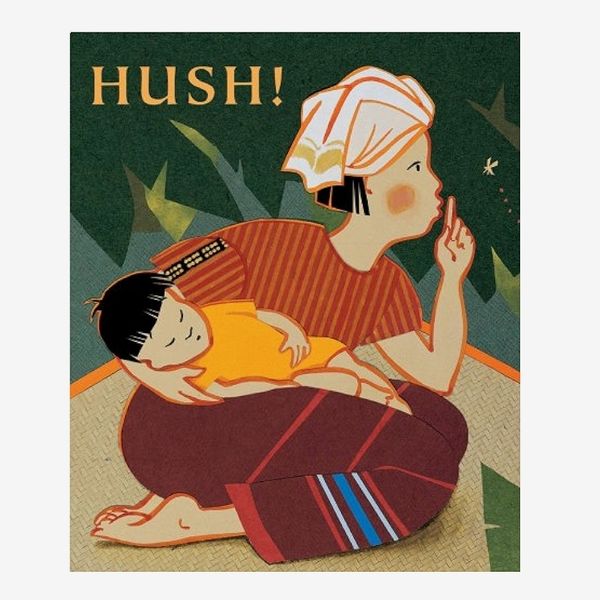
In the Thai lullaby Hush!, by Minfong Ho, a mother kindly asks the animals around her not to wake up her sleeping child. The beautiful illustrations are by artist Holly Meade.
New! You can now save this product for later.
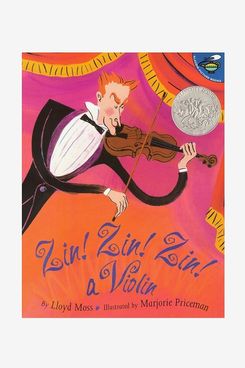
Written in elegant and rhythmic verse, Lloyd Moss’s Zin! Zin! Zin! A Violin introduces children to musical instruments and the sounds they make. It’s also a great counting lesson for a young child.
New! You can now save this product for later.
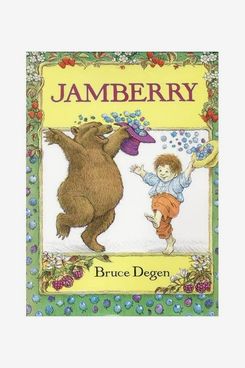
Another board-book favorite, Jamberry is a really delightful book of rhyme featuring a boy, a bear, and berries. Many, many berries.
New! You can now save this product for later.
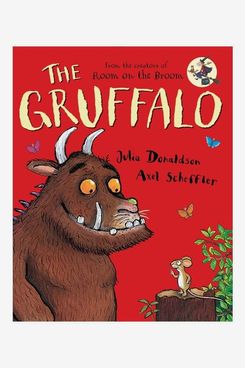
The Gruffalo is impossible not to include when we talk about excellent books of rhyme. Its predictive, rhyming structure is very engaging for young children.
New! You can now save this product for later.
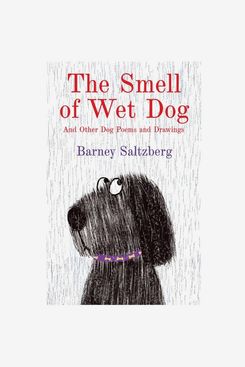
Named one of Bank Street’s best books of 2025, The Smell of Wet Dog is a poetry book that any young canine lover is sure to appreciate.
New! You can now save this product for later.
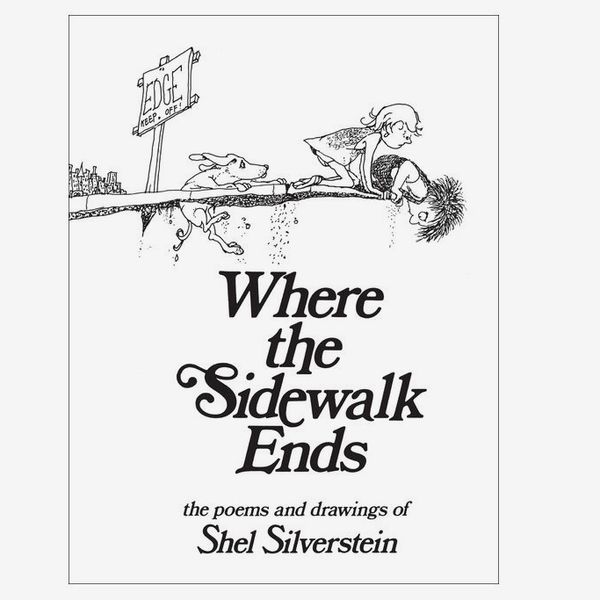
Shel Silverstein is a legend for a reason. His irreverent, absurd, and exquisite anthologies are wonderful for learning about language and poetry.
Books without words
Wordless books enhance a child’s understanding of story structure, vocabulary, and comprehension skills, like inferencing and prediction-making, by shifting focus from text to the visual narrative. This format encourages active participation and imagination, as readers have to interpret and construct stories from illustrations alone. The open-ended nature of these books allows for a range of interpretations, which can change with each reread.
New! You can now save this product for later.
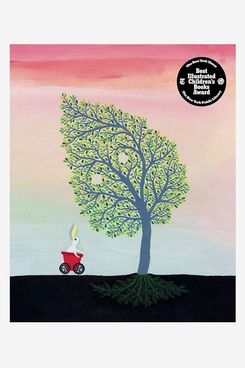
Bunny & Tree is a captivating book that explores friendship and growth. Bunny forms a special bond with Tree, a wise and enduring presence in the forest. Through their interactions, Bunny learns about change, resilience, and the importance of nurturing relationships.
New! You can now save this product for later.
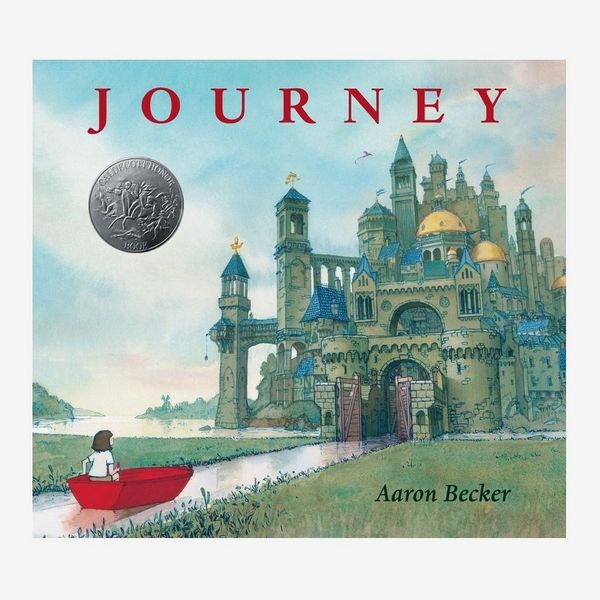
Journey follows a young girl who, using a red crayon, draws a door on her bedroom wall and embarks on an enchanting journey through a magical world.
New! You can now save this product for later.
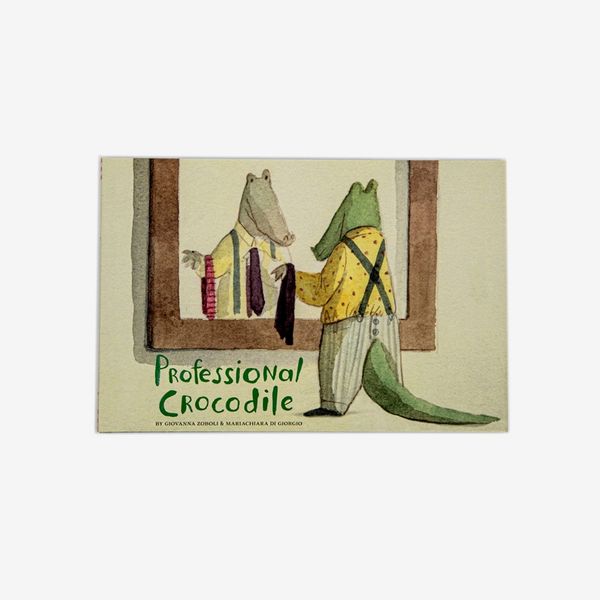
Professional Crocodile, by Giovanna Zoboli, is a charming and funny book that follows a crocodile who leads a remarkably sophisticated and busy life.
New! You can now save this product for later.
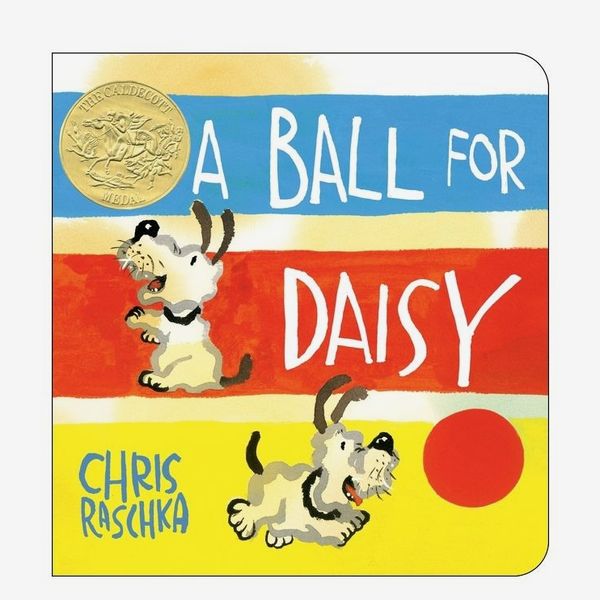
This Caldecott Medal winner is a very sweet story of a playful dog and her favorite ball.
New! You can now save this product for later.
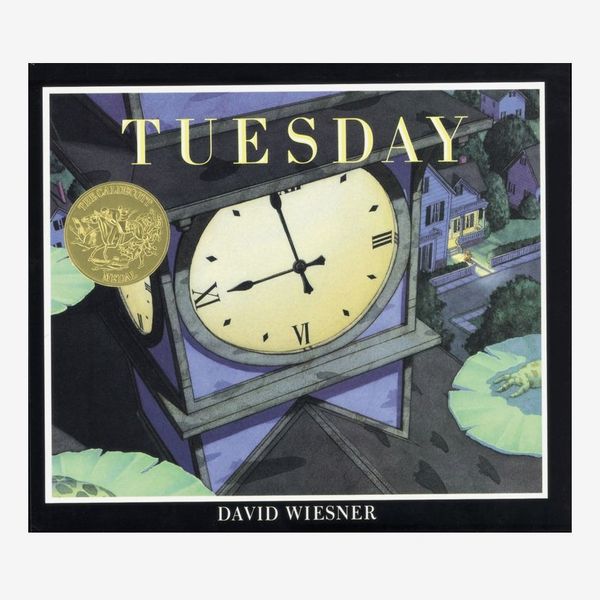
‘Tuesday,’ by David Wiesner
David Wiesner is a prolific author of wordless children’s books. Tuesday, a nearly text-free story, follows a group of frogs who mysteriously take flight on lily pads one Tuesday night.
New! You can now save this product for later.
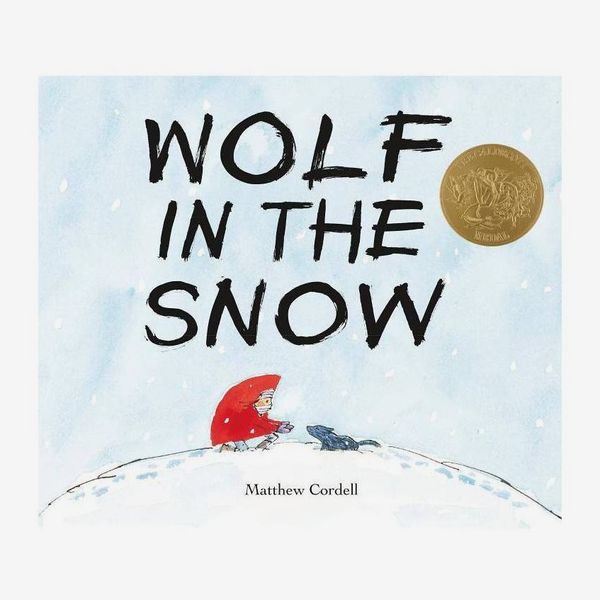
In Wolf in the Snow, by Matthew Cordell, a young girl helps a lost wolf pup find its way home during a storm. Despite challenges along the way, both the girl and the wolf end up finding comfort and friendship in each other.
New! You can now save this product for later.
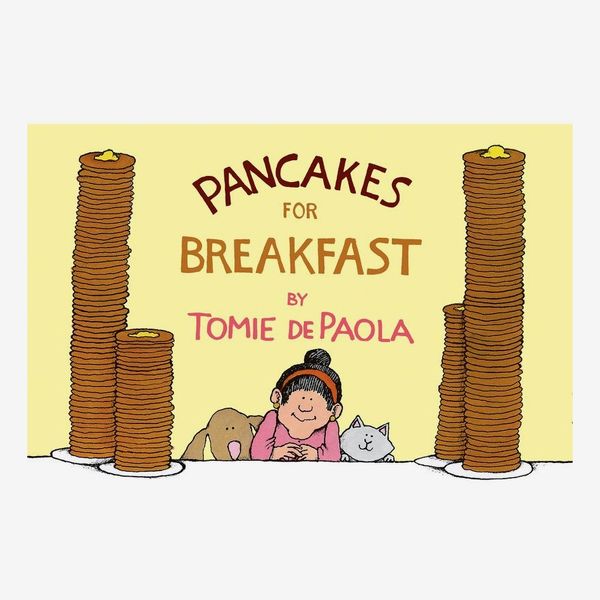
‘Pancakes for Breakfast,’ by Tomie dePaola
Tomie dePaola’s Pancakes for Breakfast is a delightful book about a young girl who tries to make pancakes all by herself.
More From The Strategist
- Hark, the Advent Calendars Arrived (Very) Early This Year
- The Best Things Strategist Editors Have Bought This Year (So Far)
- 63 Things You Should Never Buy Full Price
- The Strategist Fall 100
The Strategist is designed to surface useful, expert recommendations for things to buy across the vast e-commerce landscape. Every product is independently selected by our team of editors, whom you can read about here. We update links when possible, but note that deals can expire and all prices are subject to change.