Our Favorite Montessori-Style Tools for Cooking With Kids
We love cooking with children — even (maybe especially!) with very young, unpredictable toddlers — and we believe that any parent can, too. We also know that in every egg messily cracked, carrot scrubbed, and cookie rolled, there are huge benefits, not just to children but to parents and the connection between them.
Though we’re both raising young children ourselves, our careers have been quite different: Junnifa is an AMI-trained Montessori teacher; the founder of Fruitful Orchard Montessori in Abuja, Nigeria; and the co-author of the best-selling The Parents’ Guide to Montessori series; Kristen is the author behind Food52’s Genius Recipes cookbook series living in the San Francisco Bay Area. But the best parts of our days overlap where our work comes together: cooking alongside little ones.
We’ve heard so many times from parents who want to bring their children into the kitchen but either find the potential for mess and chaos stressful, don’t think they have the time, or just aren’t sure where to begin. So we teamed up to write The Montessori Kitchen, a cookbook-meets-parenting guide with lots of pep talks, simple recipes, and activities for parents to connect with their children in the kitchen at each stage of development from pregnancy through age 6 and beyond.
Because, with some simple mind-set shifts and a better understanding of what will engage and thrill children at various ages, sharing the kitchen with even the youngest ones can look very different: It can turn into a place of discovery and growth, helping them strengthen everything from fine motor skills to language and math concepts to patience and resilience — all from sorting through beans and waiting for the oven to beep!
Having a handful of accessible, child-size tools to welcome them in and bring order and predictability to the kitchen can also make a world of difference. Below are the tools that we’ve seen work best for small hands and bodies, both at home and in the classroom, and have made the kitchen the most rewarding place for us to parent.
Tools for cooking

New! You can now save this product for later.
A sturdy learning tower acts just like a wooden chair pulled up to the counter, giving little ones access to the same cooking surface as you, with a little more structure and peace of mind. This one has a small footprint, even tucking underneath the counter, and as your child grows you can adjust the height (and they can use the low handles to start dragging it from the sink to the fridge to the high cereal cabinet).
New! You can now save this product for later.
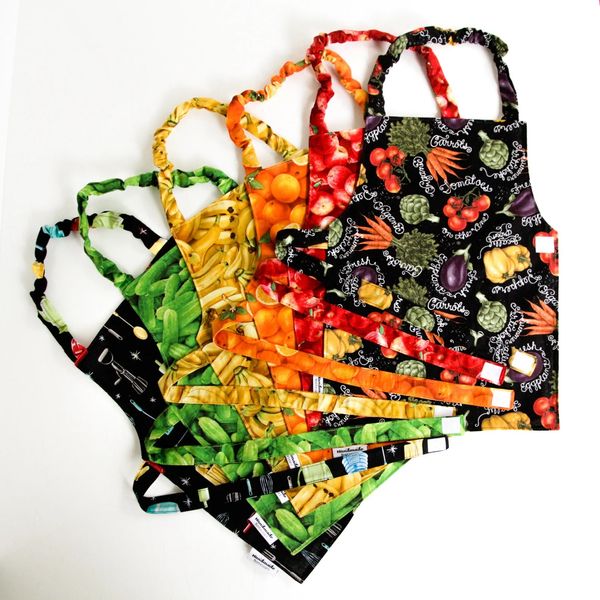
In Montessori classrooms, aprons aren’t just used for messier projects but each time children cook, as a marker to let them know the beginning and end of the process. Junnifa likes to start her youngest students with aprons like these that close with a Velcro strip, then move on to snaps, hooks, buttons, and finally ties as they get older and work on each skill. She also offers them two-sided aprons to begin the cooking process with an empowering choice. (Would you like the elephants or the flowers today?)
New! You can now save this product for later.
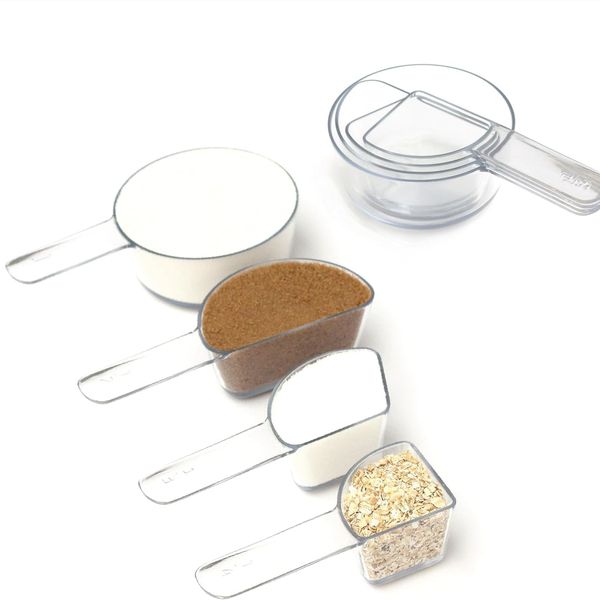
Simple baking recipes like cookies and quick breads are a good place to start cooking together, since measuring and mixing can usually happen at any pace, away from heat and sharp objects. Baking also casually introduces math, science, and literacy from an early age. These measuring cups reinforce fractions visually and really drive home the whole half-cup, quarter-cup concept.

New! You can now save this product for later.
Young children don’t quite have an understanding of time yet. Visual timers — a sand or fraction timer — help them quantify what is still an abstract idea and build patience. They can watch the sand, the liquid, or the size of the fraction gradually reduce until it is time to take out the tea bag or knead the dough.
New! You can now save this product for later.
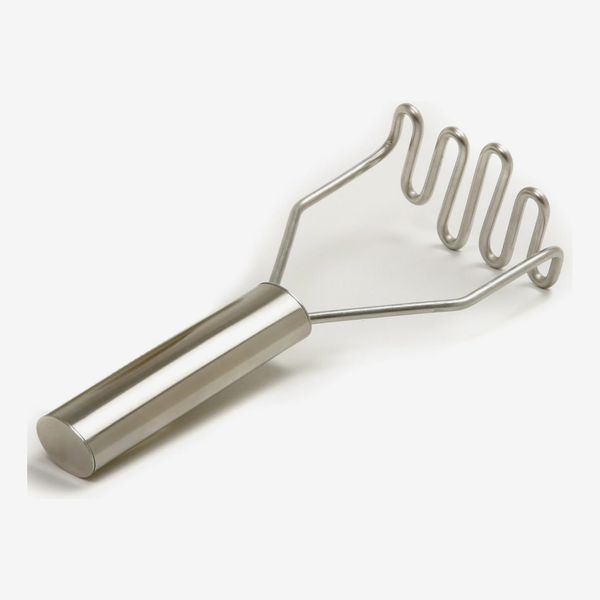
While some tools already in your kitchen might fit comfortably in a child’s hands, look out for the ones that are unwieldy or frustrating for them to maneuver. Invest in a few just-their-size versions, like this masher that can squish not just potatoes but guacamole, refried beans, banana-bread batter, fruit compotes, and applesauce, too.
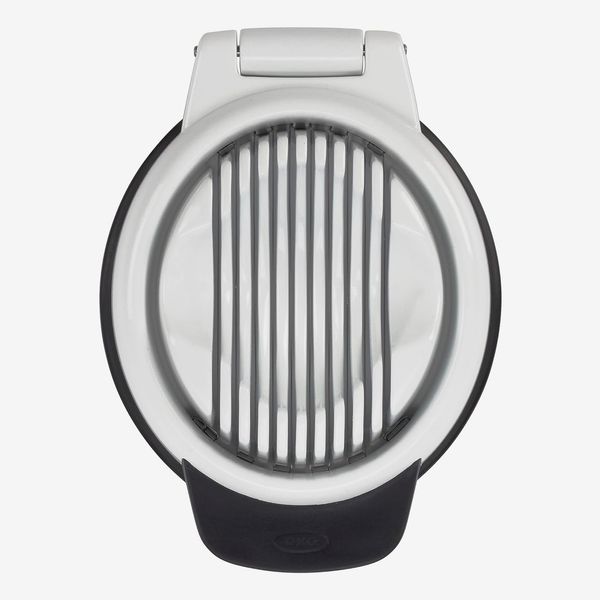
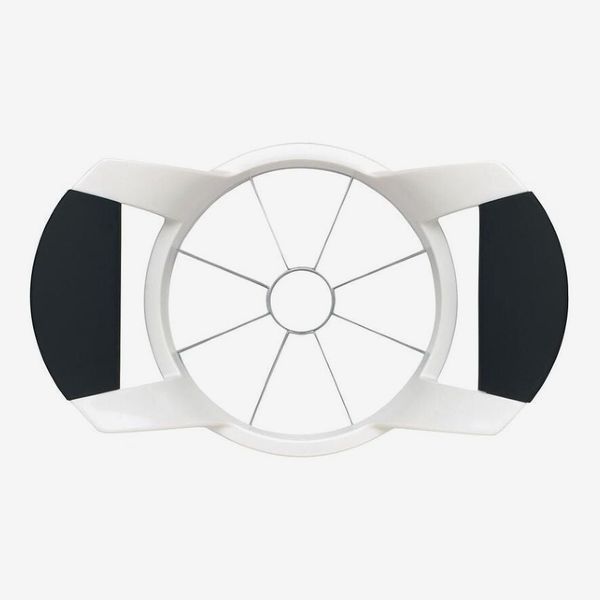
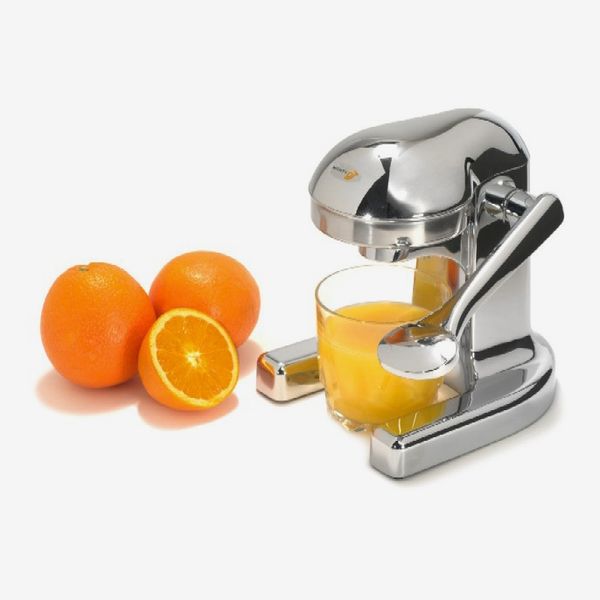
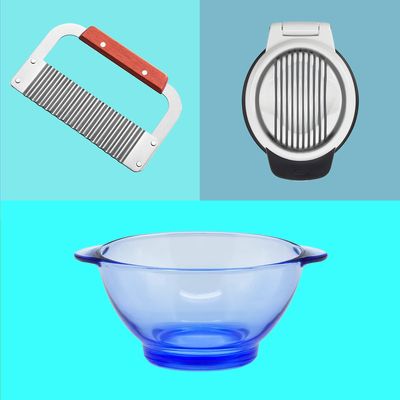
High-reward unitaskers like egg slicers and apple cutters are worth the drawer space. They build concentration and offer simple, repeatable processes to engage a child (mesmerize them, really), all while building hand strength and dexterity. This orange juicer is especially good for toddlers and young children who are in a period where they want to exert maximum effort and see the results.
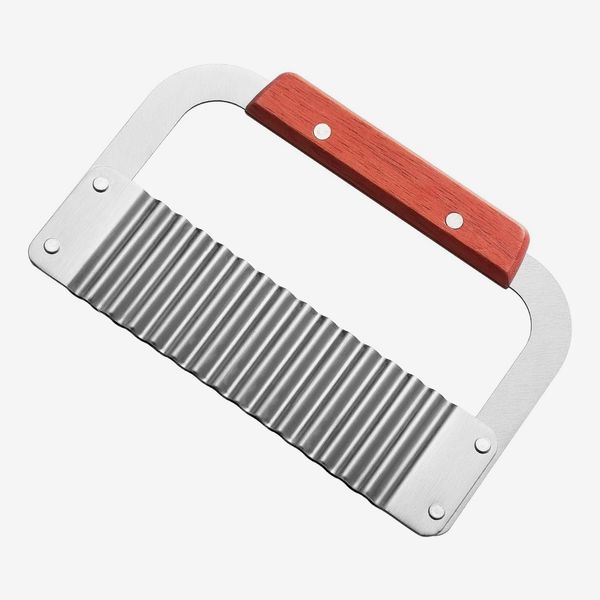
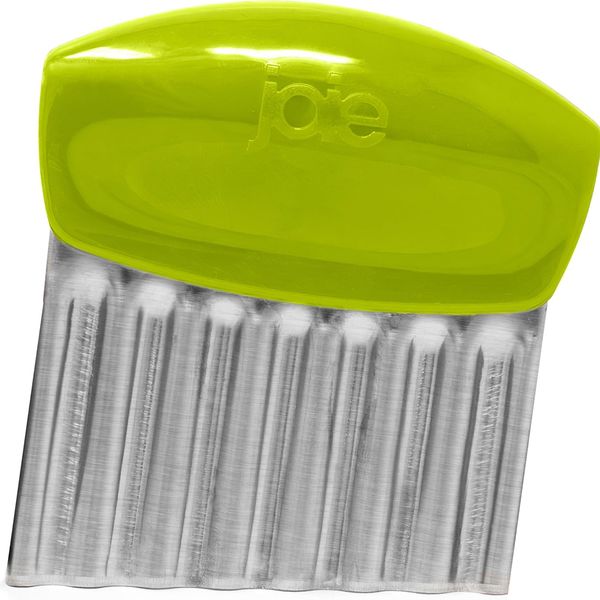
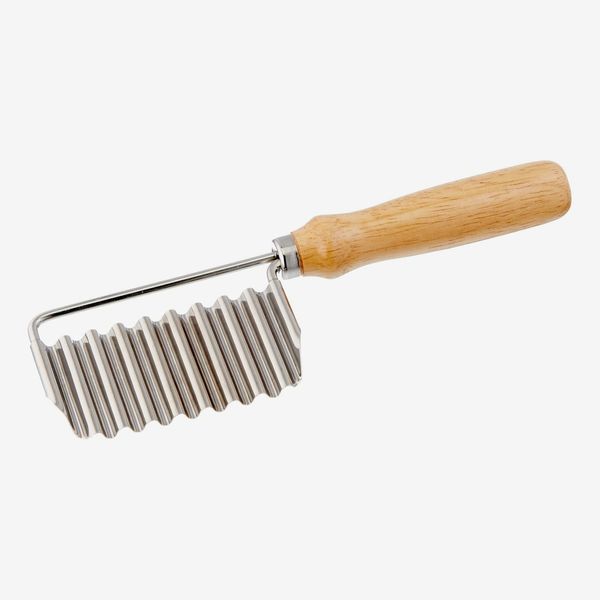
It may feel instinctual to give a child a blunt knife, but it can actually be more dangerous because they end up using more force. Junnifa likes to progress children through a series of crinkle cutters that they can first use with two hands working together (the Tellashun), then one hand (the Joie), then two hands working separately as a sort of pre-knife.
New! You can now save this product for later.
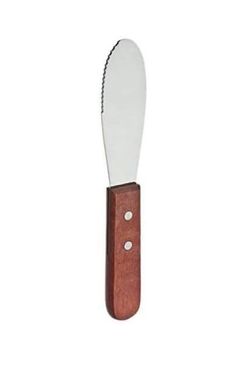
She also likes a spreader with a serrated edge that can go beyond smearing PB&Js to double as a first knife for slicing soft foods like tomatoes and mozzarella. Choose what action best fits your child’s level (or try a few), always observing to make sure they’re using them safely.
Tools for eating
New! You can now save this product for later.
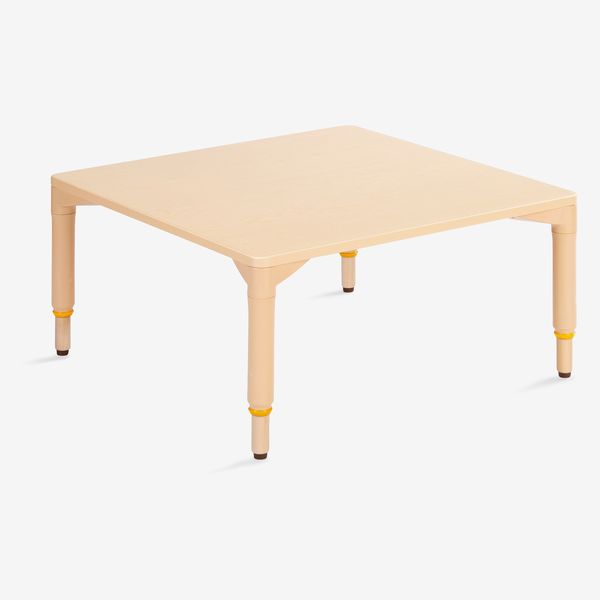
A low table and chairs — also called a weaning table and chairs — are a big part of the Montessori philosophy to encourage eating independently but are also useful as food-prep surfaces and for drawing, writing, and countless craft projects. Because this table is designed to grow with children, Junnifa was able to use the same one for all four of hers. Her daughters still have it in their room as a work table.
New! You can now save this product for later.
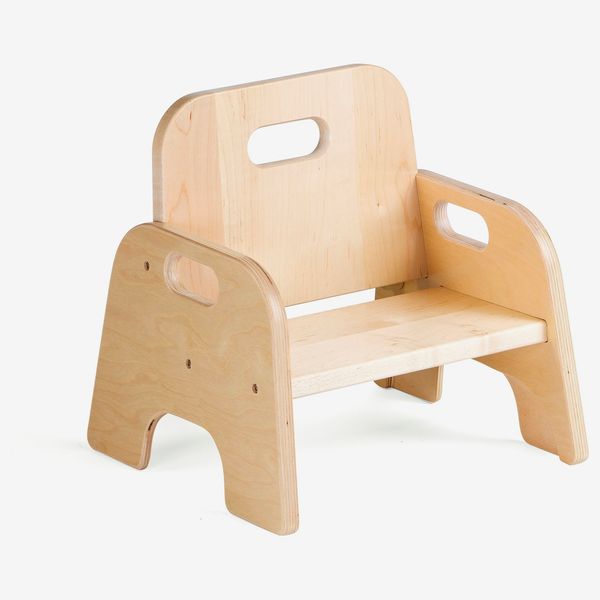
Community Playthings Me Do It Chair
This weaning chair allows children to sit with feet flat on the floor — important for safe self-feeding — and is stable but light enough that a child can start moving it themselves very early. They also make great step stools. Junnifa has lent them to extended family members when they had babies for 13 years and counting.
New! You can now save this product for later.
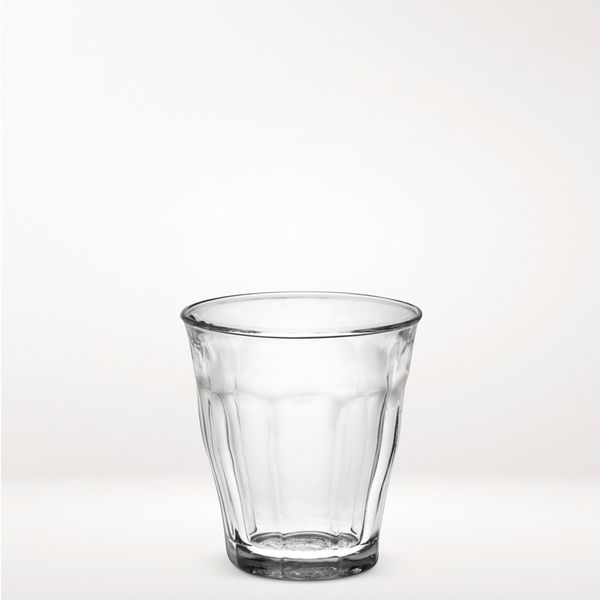
Famously and controversially, Montessori schools use real glasses and ceramic dishes, even in younger classrooms. They choose materials that won’t shatter but instead break into a few pieces. The children naturally learn from the consequence, unlike with bouncy silicone and plastic plates.
New! You can now save this product for later.
New! You can now save this product for later.
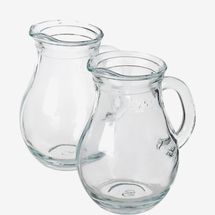
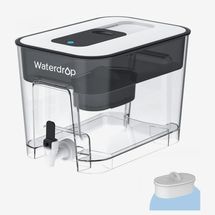
Instead of pouring water directly into children’s cups at mealtime, teachers set out small pitchers that little ones can manage themselves to refill their own cups again and again. Over time, they hone the skills of pouring and self-control as they learn to stop before the cup runs over. Outside mealtime, teachers also leave out small cups and a water dispenser at an accessible height, with a bowl or basin on the floor to catch drips (and mark the spot where children should hold the cup).
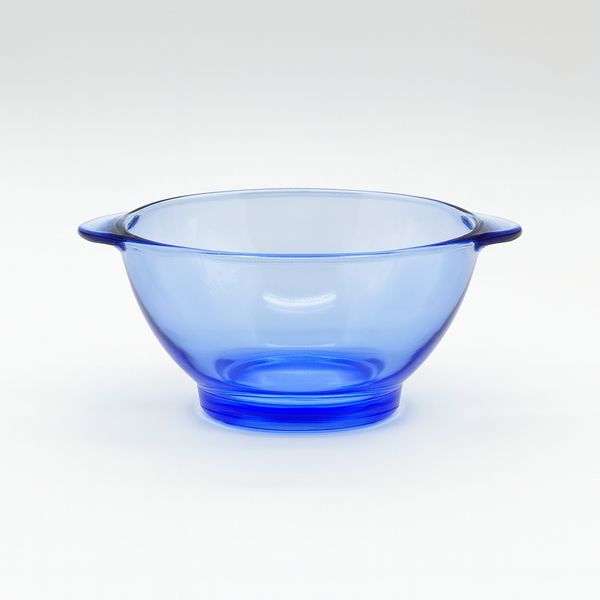
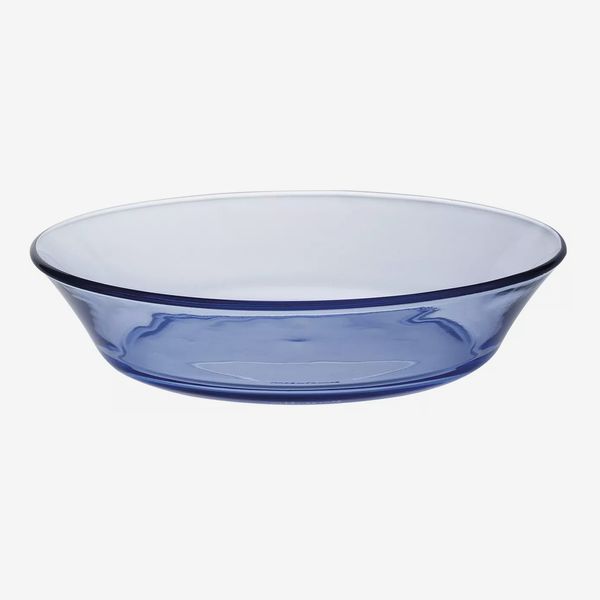
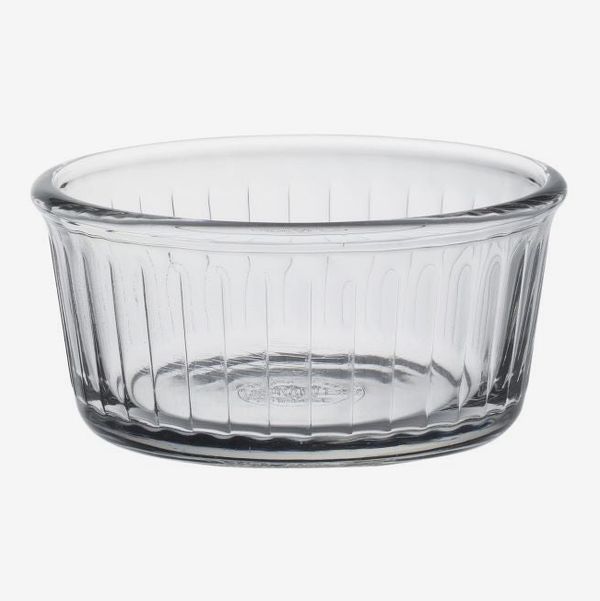
Bowls or plates with raised sides, rather than flat plates, are easier for small children to scoop against. Ramekins, which don’t shatter and are heavy enough that they don’t easily slide around, are good options for eating and serving, too.
New! You can now save this product for later.
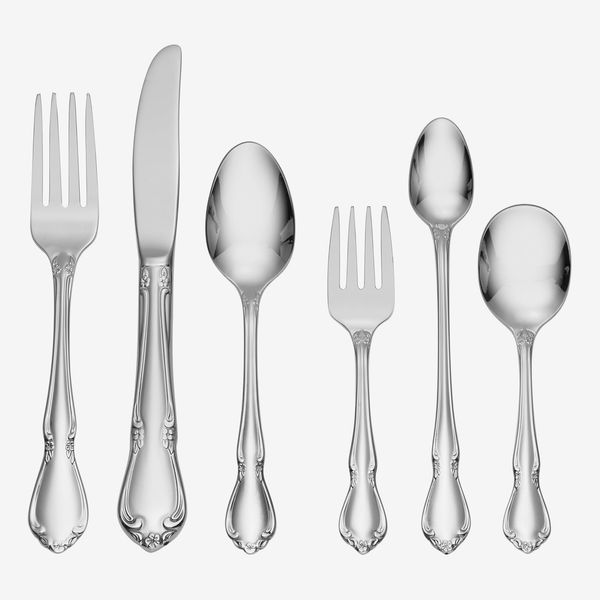
Real silverware, sized for small hands, communicates respect and the feel of its weight invites care.
New! You can now save this product for later.
New! You can now save this product for later.
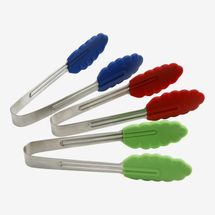
Meals in Montessori classrooms are served family-style with serving bowls and utensils that children can use successfully. They learn to identify how much they can eat and practice passing the bowl and returning the serving spoon or tongs to the dish (without licking them first).
New! You can now save this product for later.
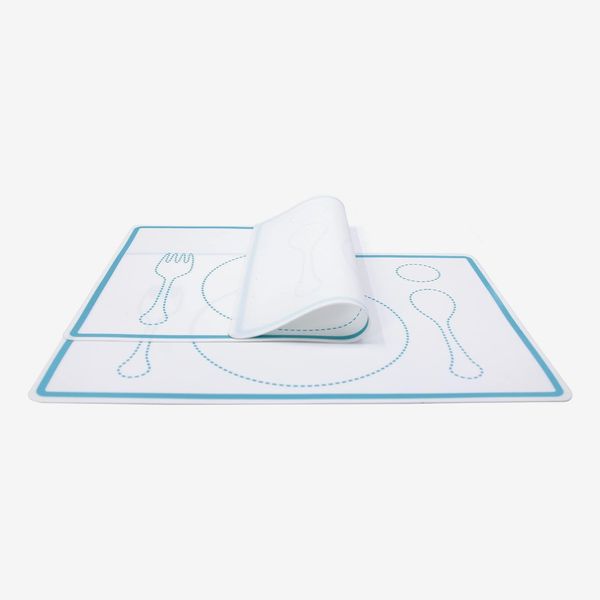
Placemats with every utensil clearly marked serve as a cue that it’s time to eat and allow children to participate meaningfully at home by learning how to set the table for everyone, all through what is essentially a matching game.
New! You can now save this product for later.
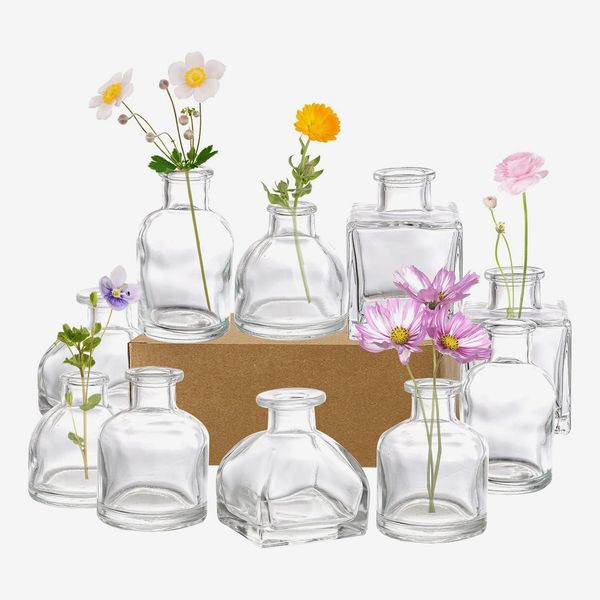
We often think of the functional parts of eating, but young children are absorbing everything, including beauty and detail. Fresh flowers picked during a walk together and tucked into a small vase or a piece of art hung at their eye level can be a lovely, special part of meals.
Tools for cleaning up
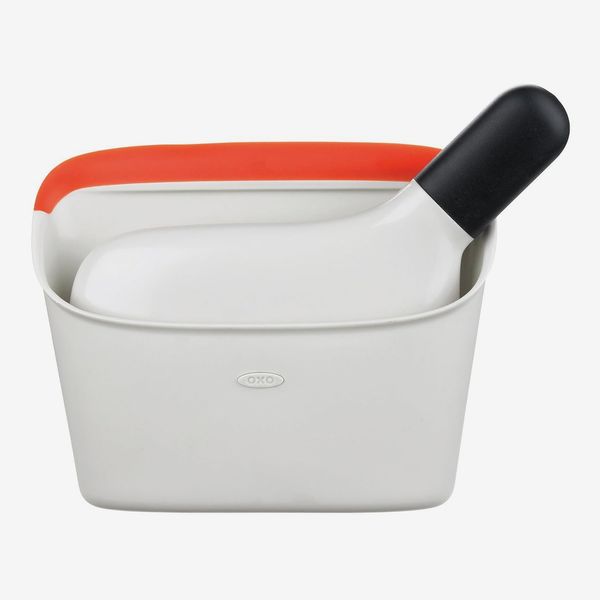

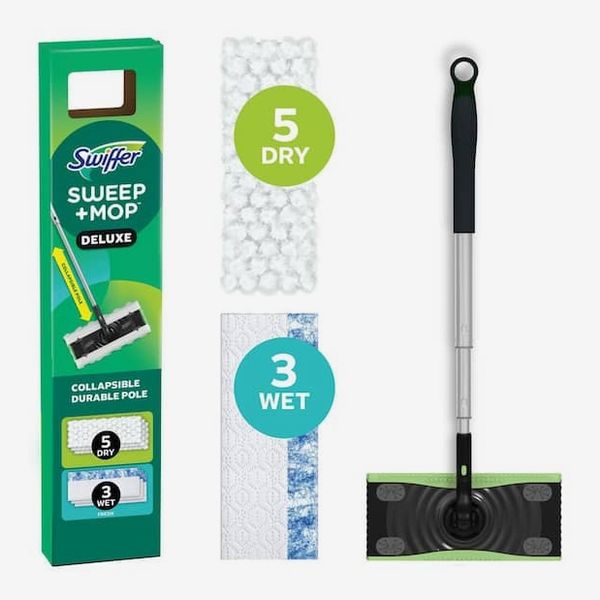
When you open up the world of measuring and stirring and pouring (and the growing independence that comes along with it), messes will happen. Provide tools for cleaning up — like small dustpans, plenty of absorbent cloths, and adjustable mops (skip the disposable cloths and use a small towel) — and don’t make a big deal about it, and you’re indirectly teaching how to deal with the hard messes of life. You just clean up!
More From The Strategist
- Hark, the Advent Calendars Arrived (Very) Early This Year
- The Best Things Strategist Editors Have Bought This Year (So Far)
- 63 Things You Should Never Buy Full Price
- The Strategist Fall 100
The Strategist is designed to surface useful, expert recommendations for things to buy across the vast e-commerce landscape. Every product is independently selected by our team of editors, whom you can read about here. We update links when possible, but note that deals can expire and all prices are subject to change.