The Best Art Supplies, Sensory Toys, and Activities to Help Kids Learn to Write
In this article
A few weeks back, I wrote about how families can build skilled readers at home and the best books, games, and activities to help do just that. Another big part of learning to read, as I often explain to the families I work with as an early-childhood literacy and learning specialist, is writing. It starts with children drawing dots and lines, then shapes, and then — with practice, instruction, and the strengthening of finger muscles — letters. From there, a new world opens up: words, sentences, stories, essays, and letters to parents negotiating a later curfew (sorry, Mom).
Like learning to read, learning to write isn’t natural; it’s a cultural invention. Young children need to be explicitly taught how to form letters, spell words (moving from writing phonetically to conventional spelling), and assemble complete sentences. While this instruction happens in school, there’s much you can do at home to prime your young child by ensuring they have plenty of natural, joyful opportunities to grow their burgeoning writing skills.
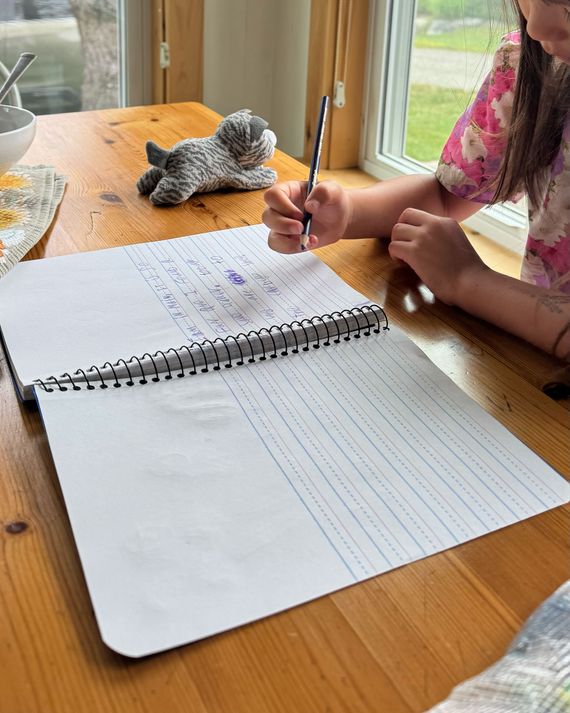
Reading and writing development happens concurrently, with each set of skills strengthening the other. When a child spells a word, they rely on their letter-sound knowledge, and phonetically spelling things out sound-by-sound requires and reinforces essential reading skills. In turn, exposure to familiar and new words through reading strengthens a child’s spelling skills. So reading to your child every day is just as important for developing strong writers as it is for developing strong readers.
But of course there are more intentional and direct ways to build writing skills too. Below, I’ve listed all the products and activities I recommend to help promote writing development at home.
The road to writing starts with fine motor skills
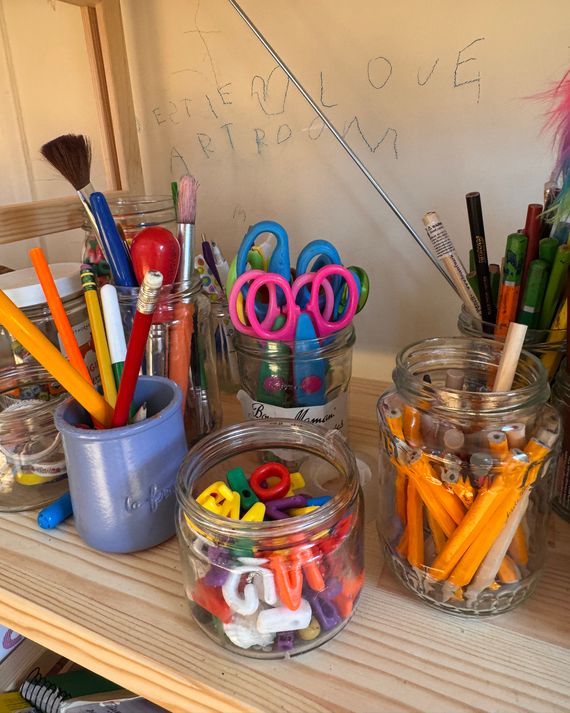
When thinking about tools for helping young writers, most people consider the obvious writing implements like pencils, paper, and handwriting tools — and I’ve included plenty of recommendations for those, for a range of ages, below. But before you even get there, the big precursor to focus on is building fine motor skills.
As children grow, they become more adept at handling small objects, drawing with greater precision, and using everyday tools like scissors, utensils, and toothbrushes. These controlled movements rely on the small muscles of the hands, fingers, and wrists; these are fine motor skills. It’s easy to take the development of these skills for granted, but they are foundational for young children, laying the groundwork for writing and reading readiness.
One absolutely free way to build fine motor skills at home is to simply allow your child to do more on their own. If they can’t open the bag of fruit gummies, suggest they grab the kid-friendly scissors and do it themselves. If they can’t peel the top of their yogurt, hold the base and encourage them to work at it with a little extra support. Encourage them to carry their own lunch box, pull their own socks on and off, squeeze the toothpaste tube themselves. Even if you can only manage this half the time, you’re helping build both their muscles and their confidence.
Art supplies for developing fine motor skills
New! You can now save this product for later.
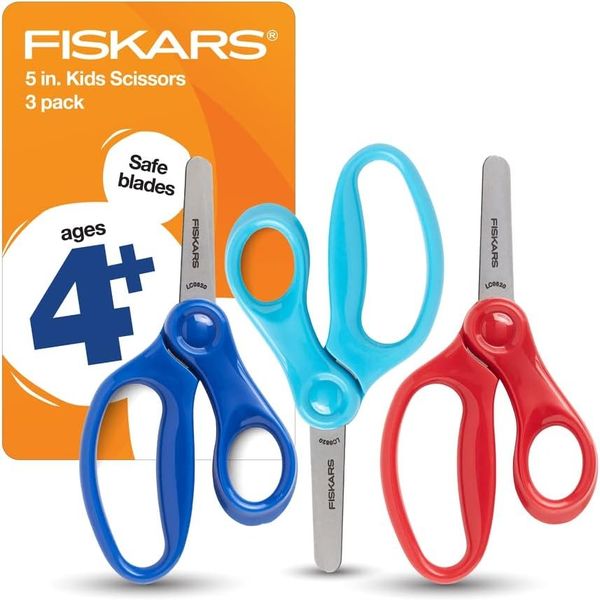
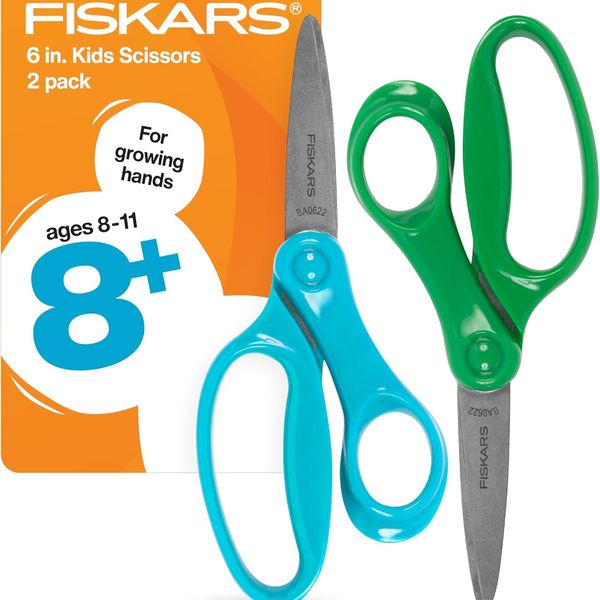
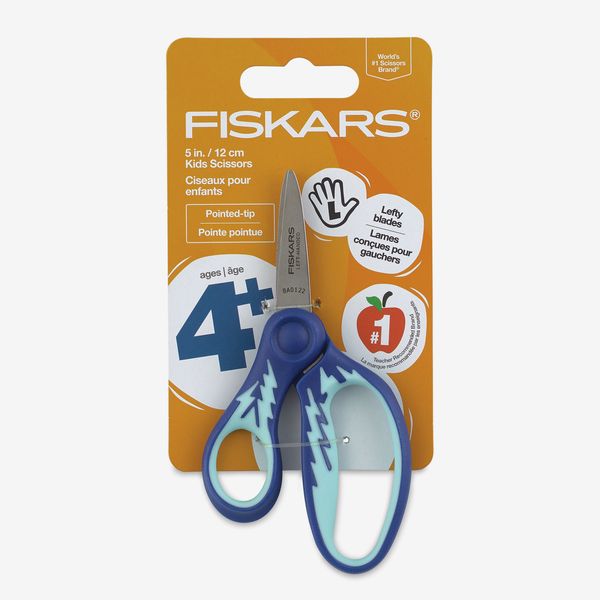
Fiskars Kids Scissors - 5"
There are all sorts of scissors, including left-handed ones, for your young child. All they need are scissors, a piece of paper, and a quick safety lesson, and they can start cutting. This is one of the simplest and most effective ways to develop fine motor skills.
New! You can now save this product for later.
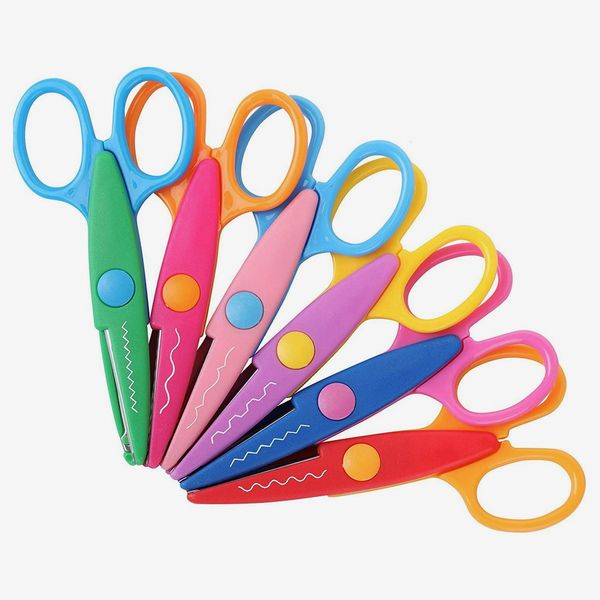
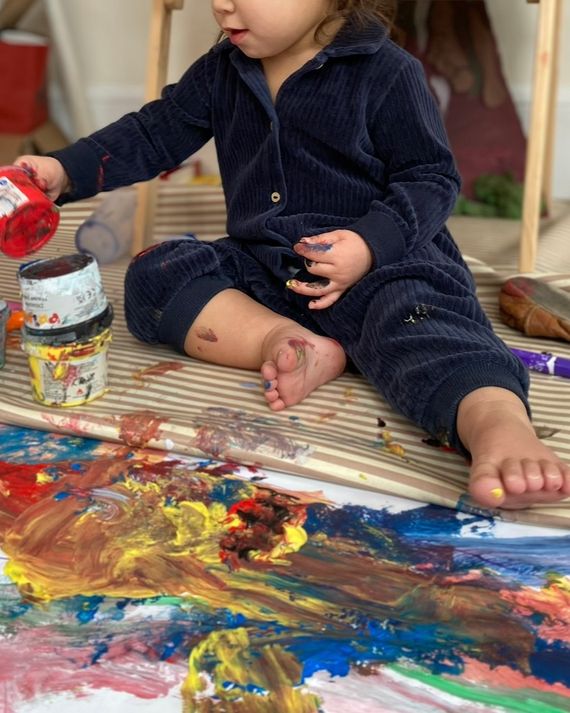
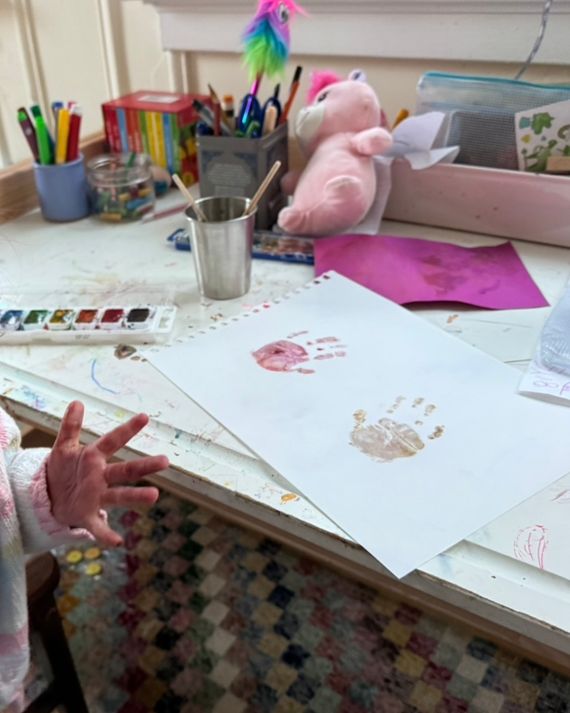
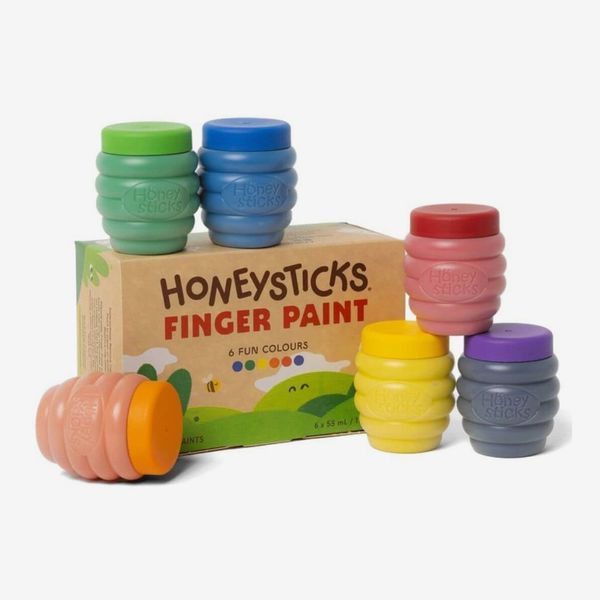
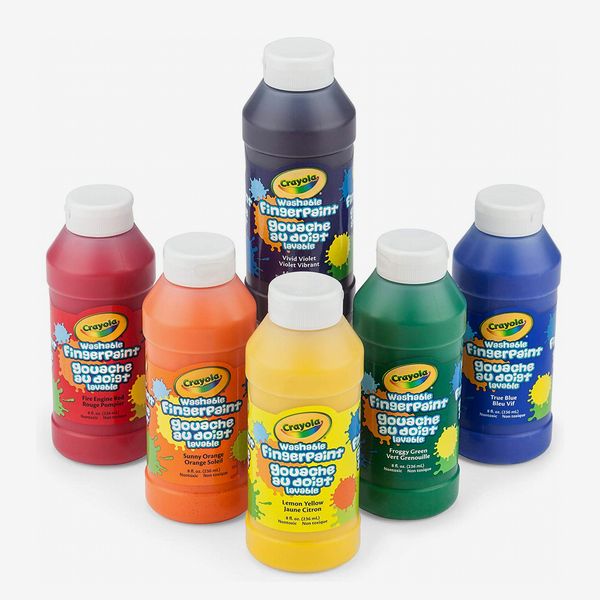
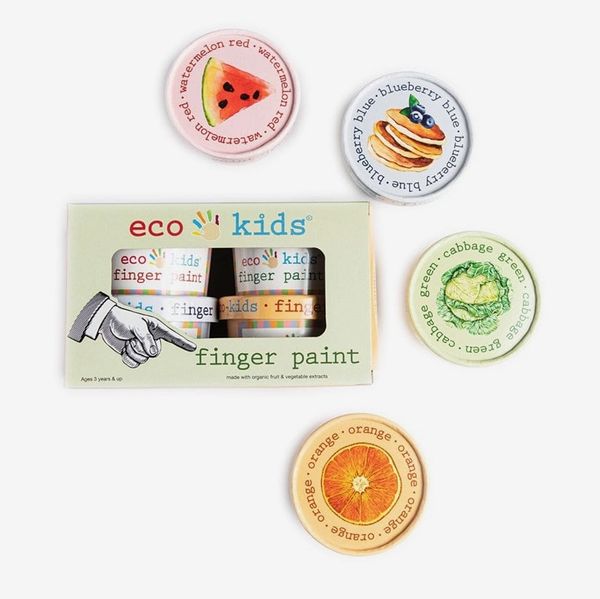
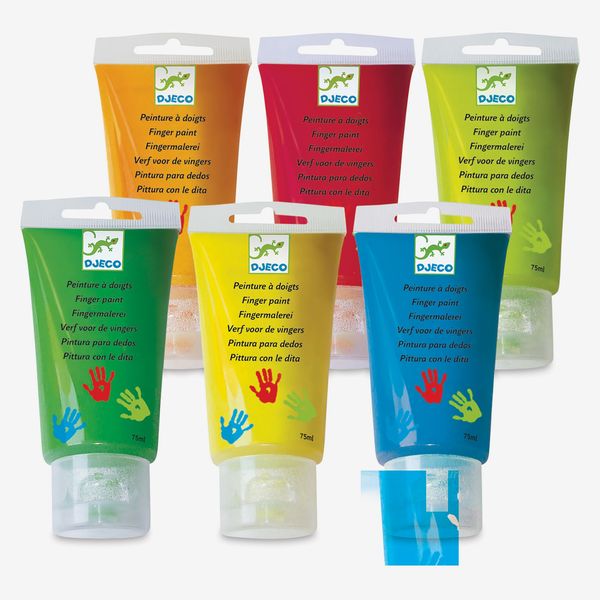
We use the same grip and group of muscles for painting with a brush as we do for writing, so it’s a really important activity for toddlers. For the youngest children, finger painting is the perfect place to start.
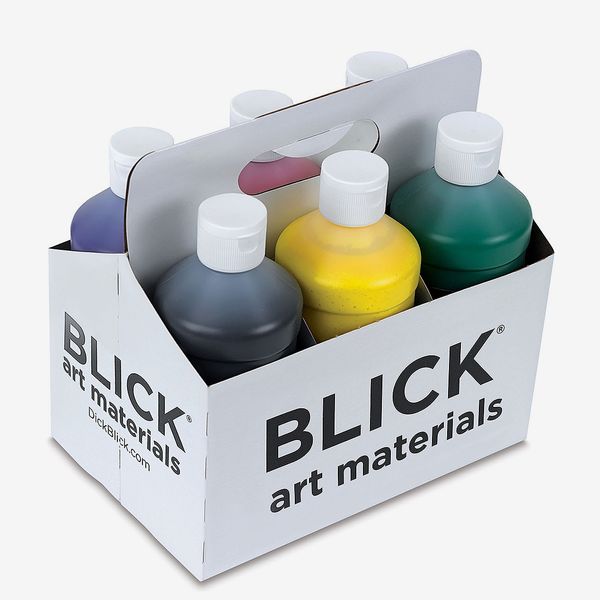
New! You can now save this product for later.
When you are ready to introduce regular paints, these Blick tempera paints are a teacher favorite for their vivid colors.
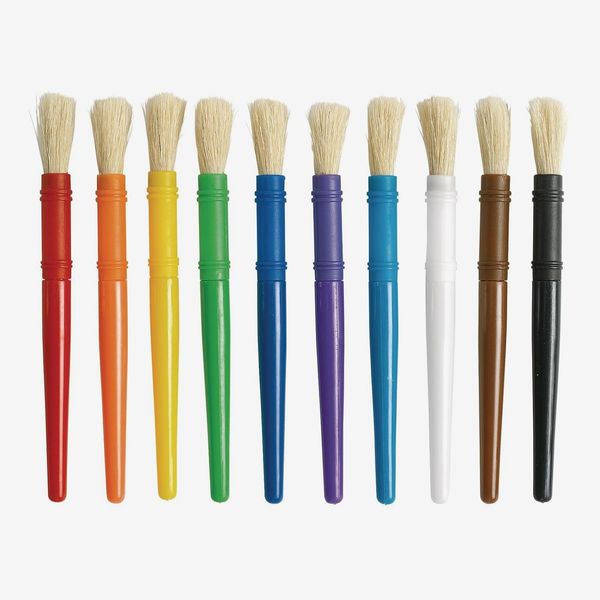
New! You can now save this product for later.
These Colorations paintbrushes are a nice width for preschoolers’ small hands. Holding the brush, guiding the tip, and adjusting pressure on the paper all help to build fine motor skills.
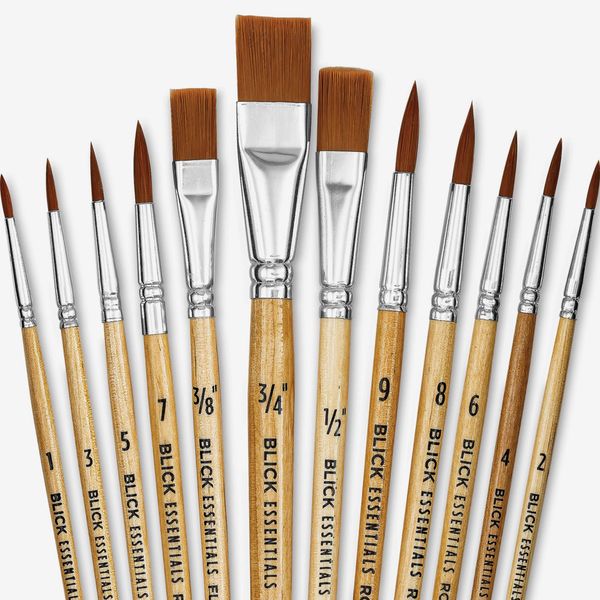
New! You can now save this product for later.
Blick Essentials Paintbrushes
As children grow more adept at painting, you can add in different types of brushes like these.
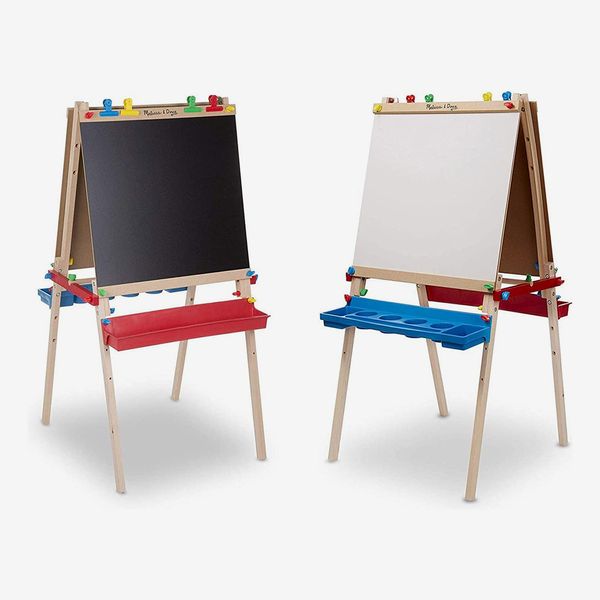
New! You can now save this product for later.
Easels build a budding artist’s large muscles too (shoulder and arm), and standing (versus sitting at a table to paint) helps with engagement and hand-eye coordination. They also look great with layers of old paint and help contain big messes.
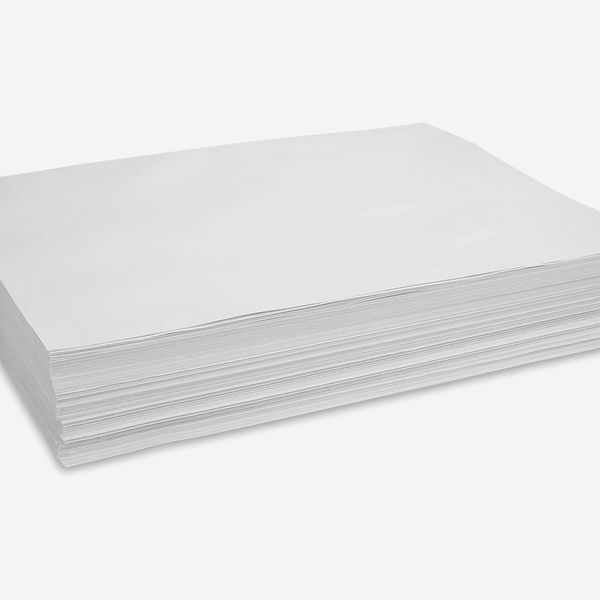
New! You can now save this product for later.
This Blick paper is very high quality — it captures color well and is heavyweight, which makes it easy to hang or frame your child’s paintings.
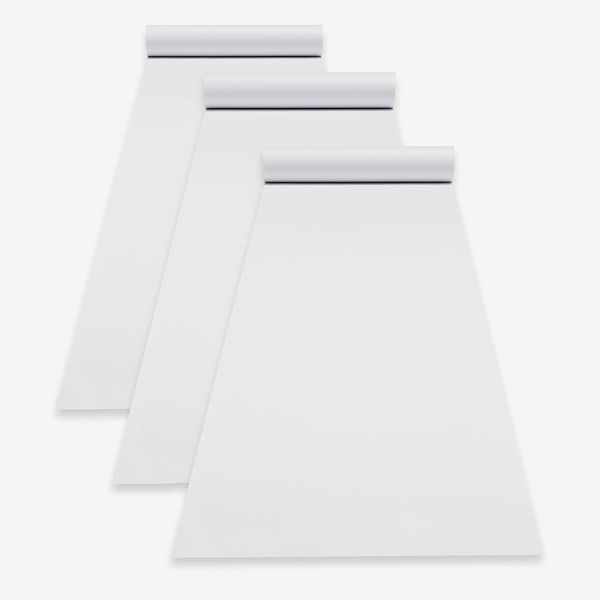

New! You can now save this product for later.
You can also use rolls of easel paper, though it’s usually lightweight and can tear more easily.
New! You can now save this product for later.
New! You can now save this product for later.
Watercoloring also helps build the same grip and muscle group as writing. Be sure to use watercolor paper.
New! You can now save this product for later.
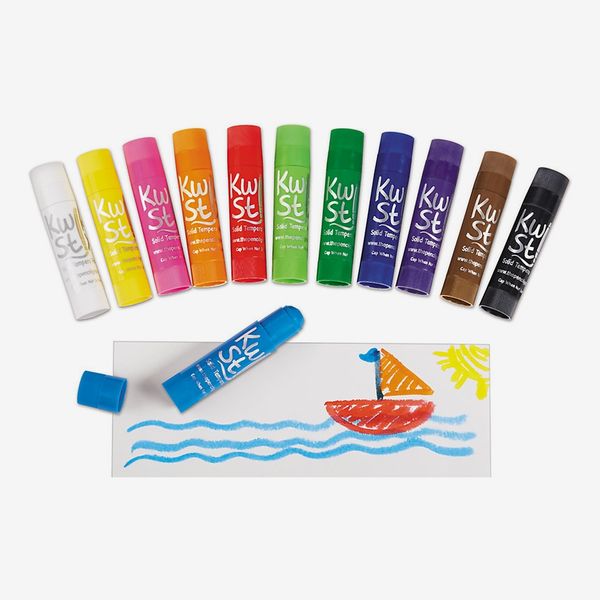
Kwik Stix Solid Tempera Paint Sticks
Kwik Stix are also great painting tools for hands big and small, with less setup and mess than traditional paints.
New! You can now save this product for later.
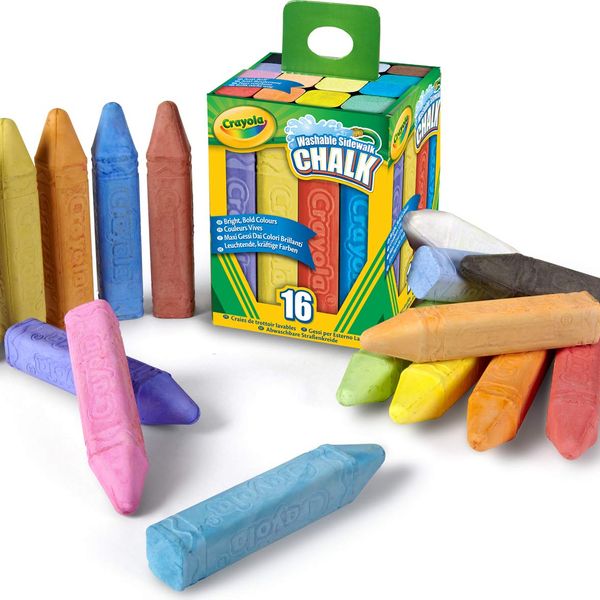
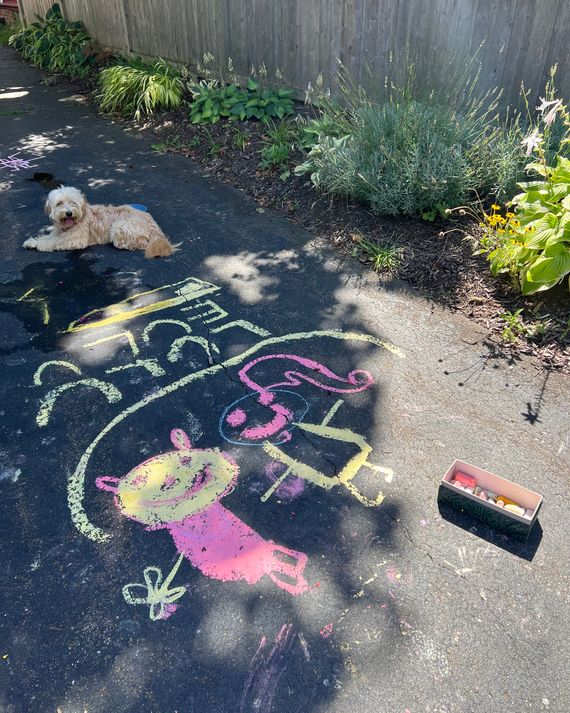
Writing en plein air. The nice thing about chalk is that it builds writing and drawing skills, and it’s extremely open ended.
New! You can now save this product for later.
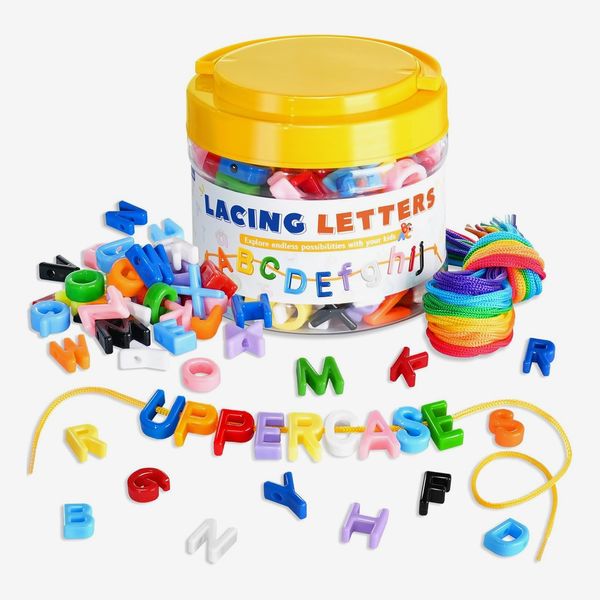
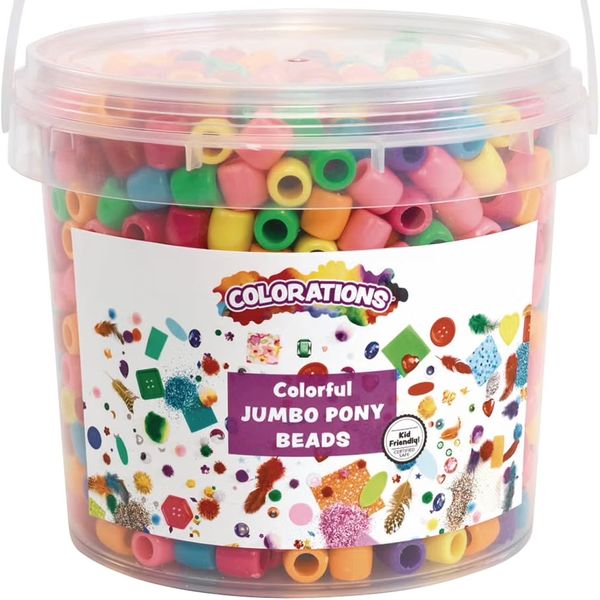
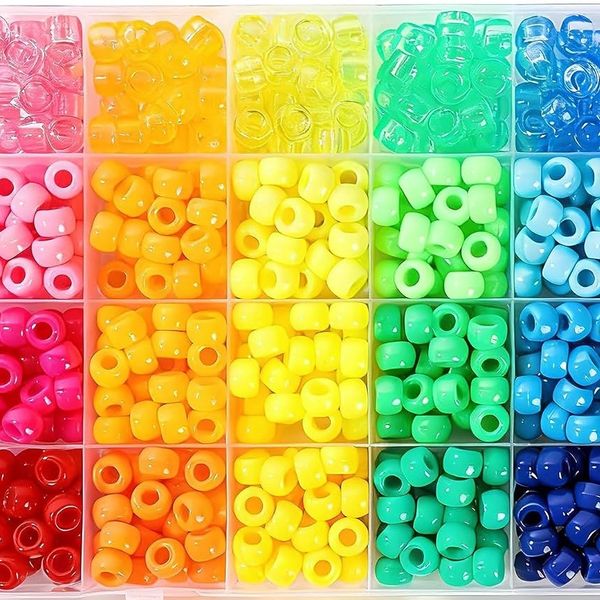
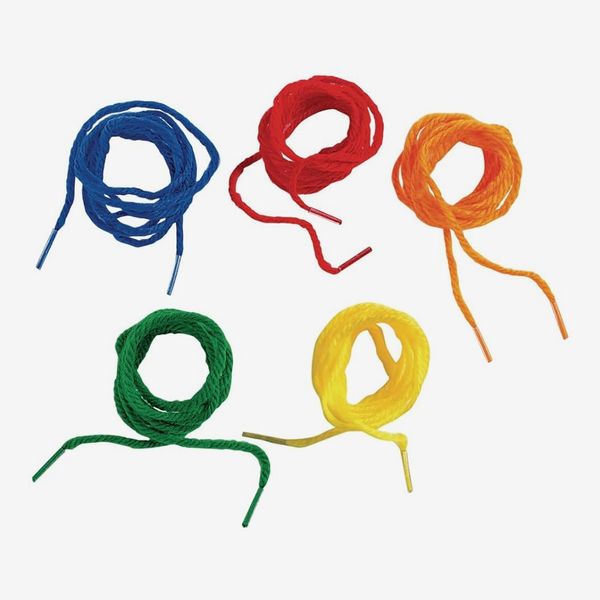
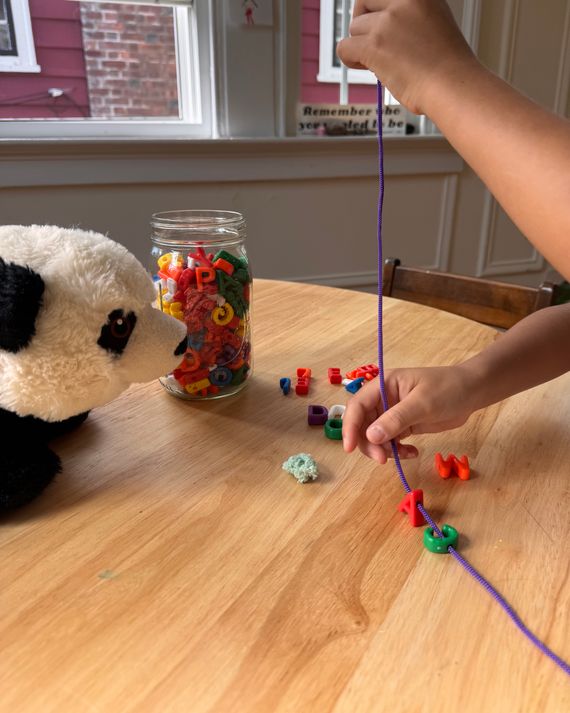
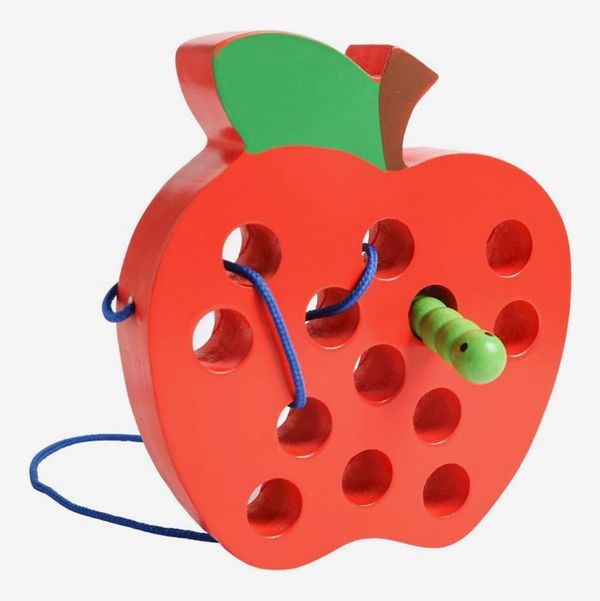
Beading takes precision. Make sure you start with bigger beads and, as your child becomes more adept, move to beads with smaller holes. I like these alphabet ones because they’re great for a child learning their letters and how to spell their name and the names of their loved ones. Tipped lacing yarn is also useful for kids who are just getting started.
New! You can now save this product for later.
Lacing toys like this one can also help prime children for beading.
New! You can now save this product for later.
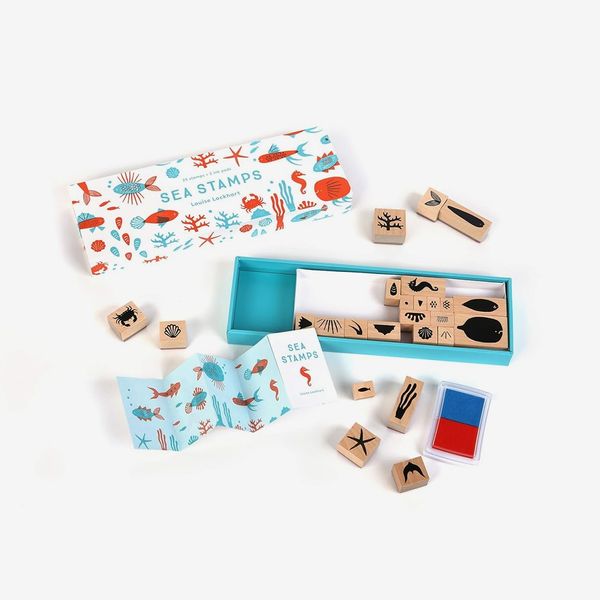
Sea Stamps: 25 stamps + 2 ink pads
Children build muscle through the act of stamping and can also work on their grip by holding the stamp’s handle.
New! You can now save this product for later.
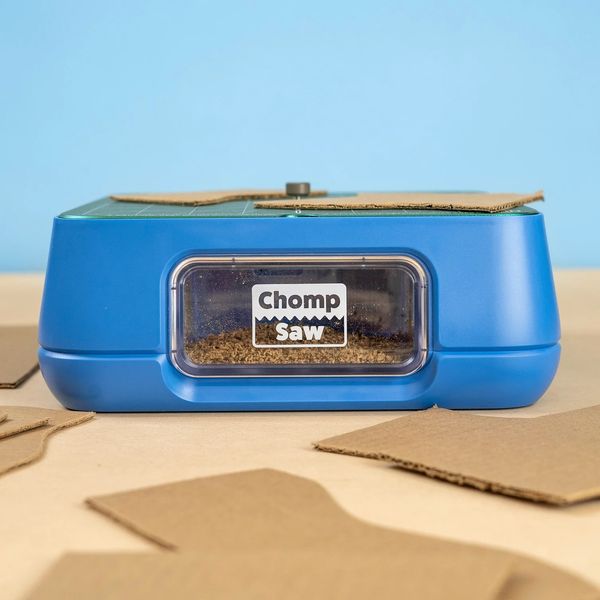
ChompSaw
This one is a favorite of Reggio-inspired preschool educators. It’s a child-safe cardboard-cutting tool; pricey, but worth it so that the many structural ideas your child dreams up can become a reality.
New! You can now save this product for later.
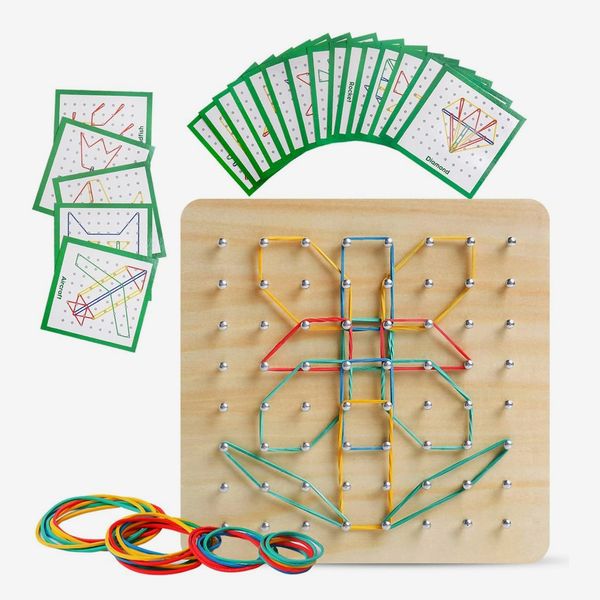
Wooden Geoboard Montessori STEM Toy
Geoboards are a classic for a reason: They introduce mathematical concepts like shapes, measurement, symmetry, and angles, and all that stretching and looping of rubber bands builds finger strength, grip, and dexterity.
New! You can now save this product for later.
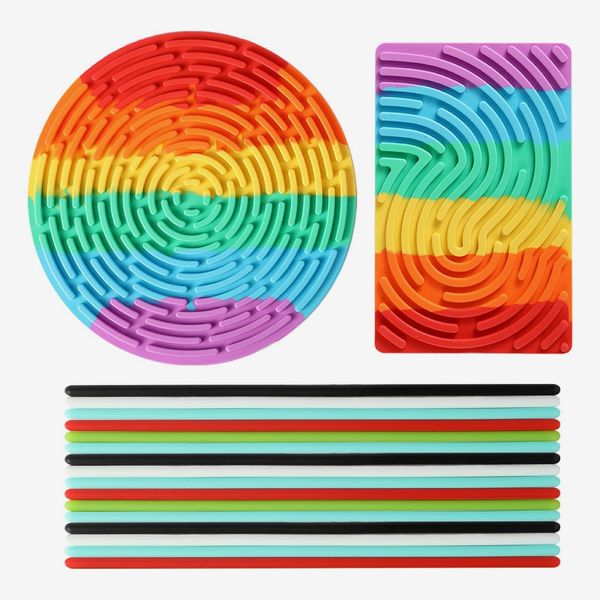
In a similar vein to the geoboard above, children can use these silicone fidgets to carefully create patterns and to complete mazes.
New! You can now save this product for later.
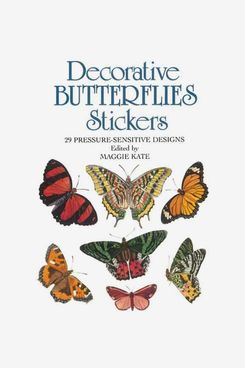
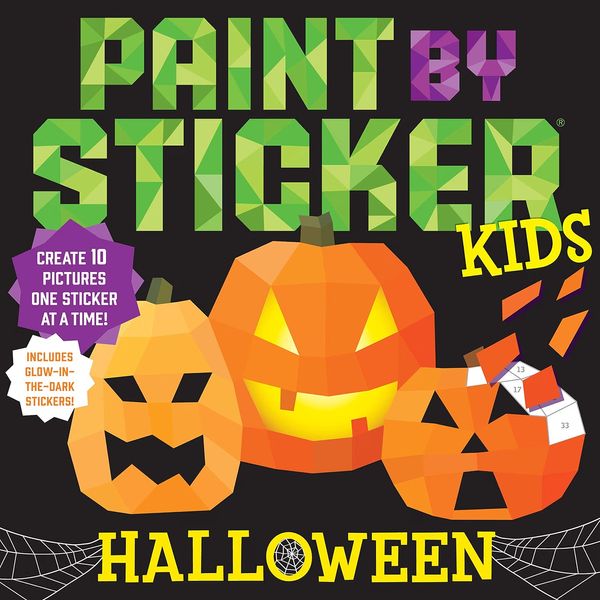
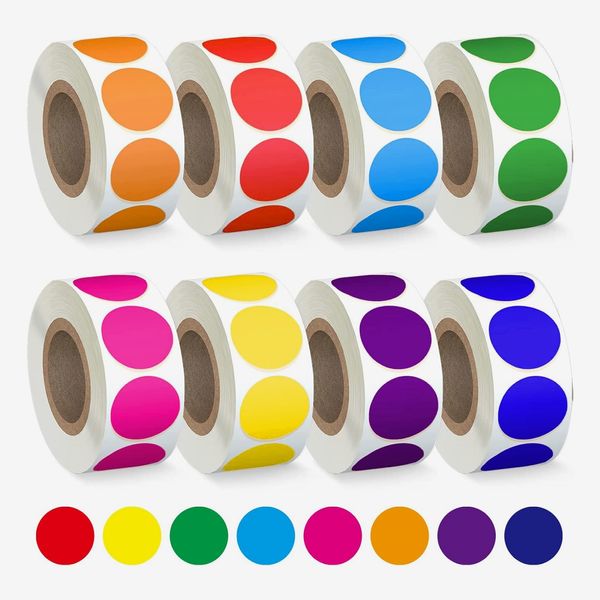
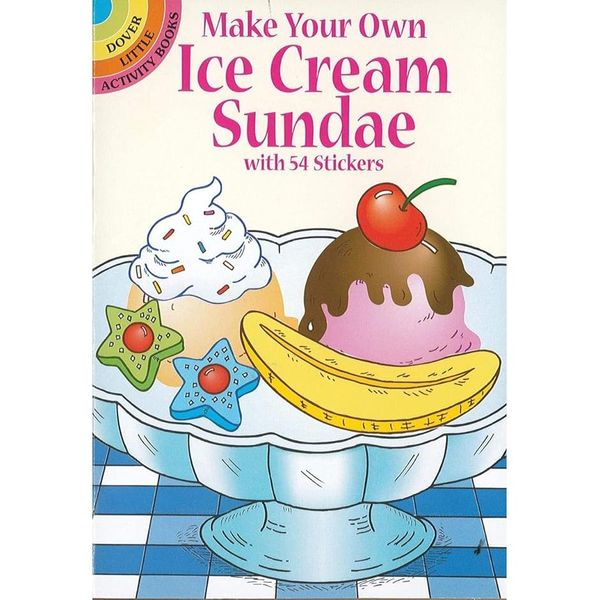
Stickers are a huge bang for your buck in terms of impact on fine motor development. Any stickers will do! These Dover books make me nostalgic, and come in so many designs — pick the ones that will most interest your child.
New! You can now save this product for later.
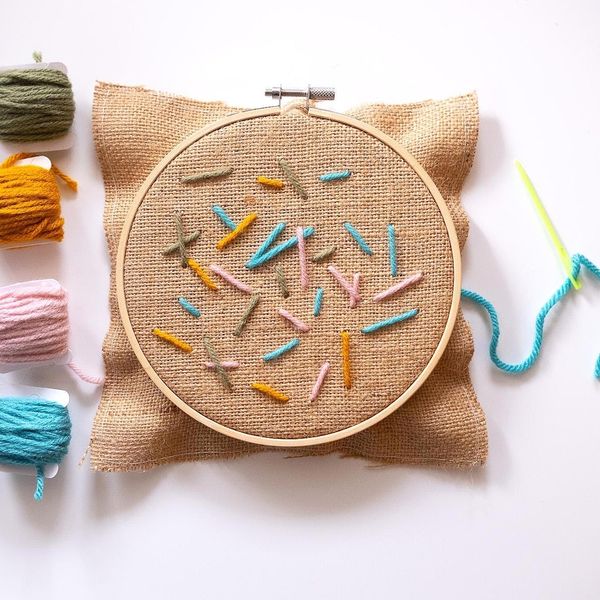
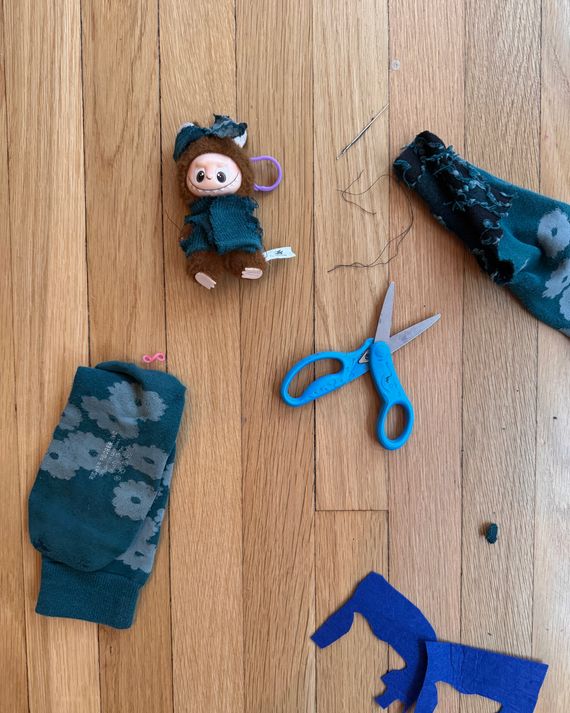
Sewing is another great way to build fine motor precision and hand-eye coordination. This simple kit is a nice one for beginners …
New! You can now save this product for later.
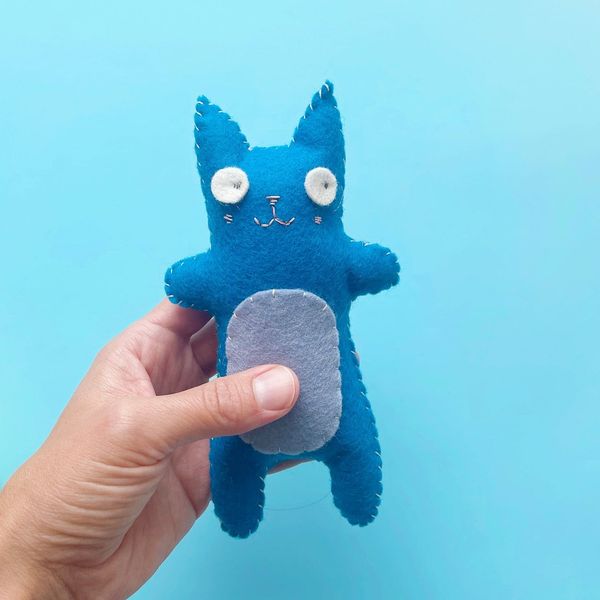
… While this Felt Friend kit is great for a more experienced sewer.
New! You can now save this product for later.
New! You can now save this product for later.
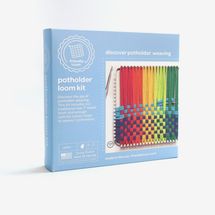
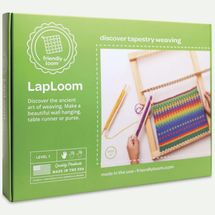
For older kids, weaving helps to build more advanced fine motor skills. The pot-holder loom is a good place to start, and the lap loom is a good next step.
New! You can now save this product for later.
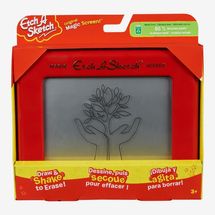
New! You can now save this product for later.
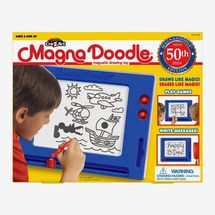
The classic Magna Doodle and Etch a Sketch keep hands busy and strong on the go, with no additional materials needed.
Sensory toys for developing fine motor skills
I’m sure you’ve heard the anecdote that keeps coming up in preschool and kindergarten classrooms: Many teachers believe children are coming to school less prepared to draw and write because they’re spending more time swiping a screen than playing outside. In addition to climbing trees and digging in mud, here are some great sensory tools and materials that provide tactile input and strengthen hand muscles. It’s worth being intentional about incorporating these opportunities into everyday routines and play.
New! You can now save this product for later.
New! You can now save this product for later.
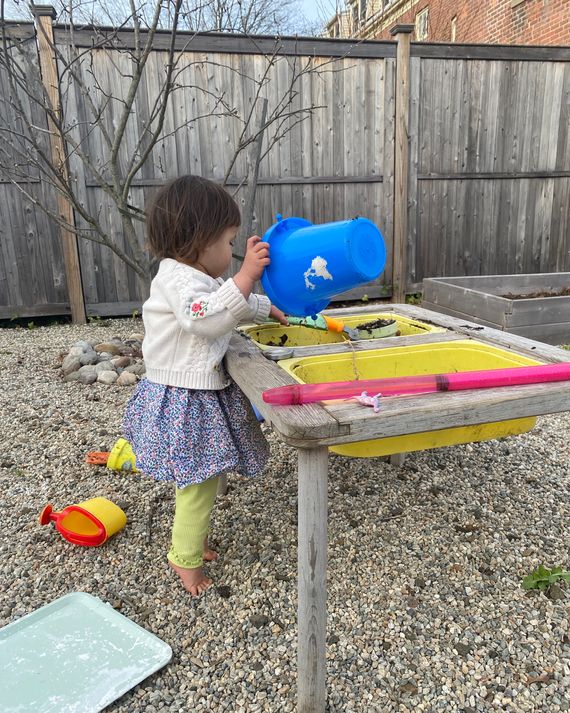
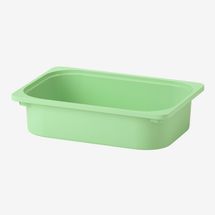
You can fill the bins of a sensory table with all sorts of things to encourage sensory play that develops fine motor skills: water, water and soap, sand, rice, dry beans, dried pasta, pom-poms. You can also look up recipes for “oobleck” and “glarch” (a form of slime) if you want to get really creative. Add some figurines and vehicles or other playful items like cups, bowls, sieves, and spoons to get your child going. If you don’t want the whole table, just get a few bins to keep this kind of play contained.
New! You can now save this product for later.
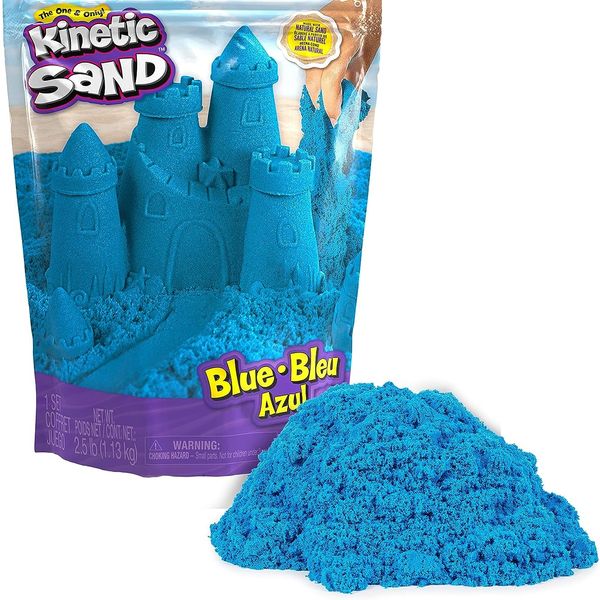
Kinetic sand comes in every color and is easy to mold.
New! You can now save this product for later.
New! You can now save this product for later.
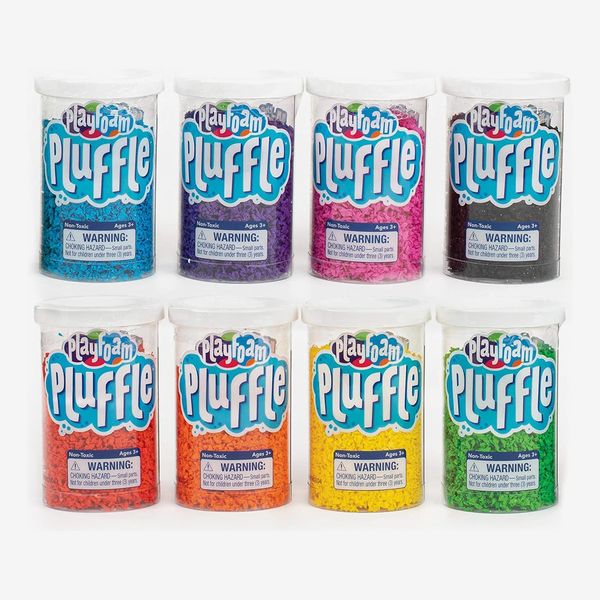
Pluffle is beloved by teachers for being easy to clean.
New! You can now save this product for later.
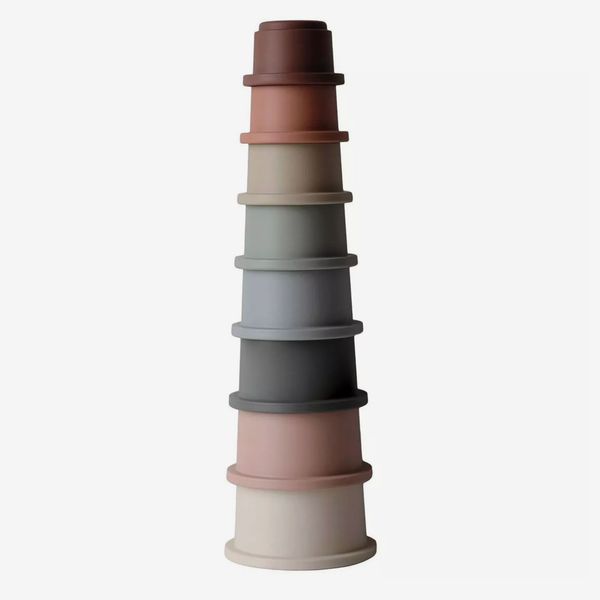
Make sure you have cups for scooping and pouring.
New! You can now save this product for later.
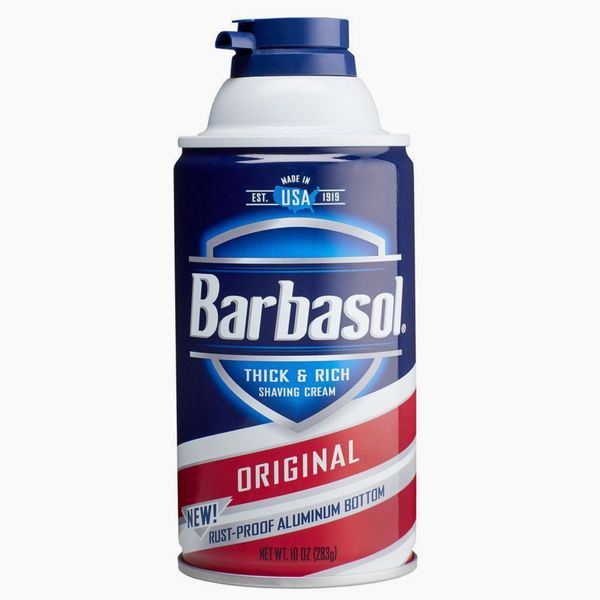
Shaving cream is loads of fun, and kids can practice writing letters in it!
New! You can now save this product for later.
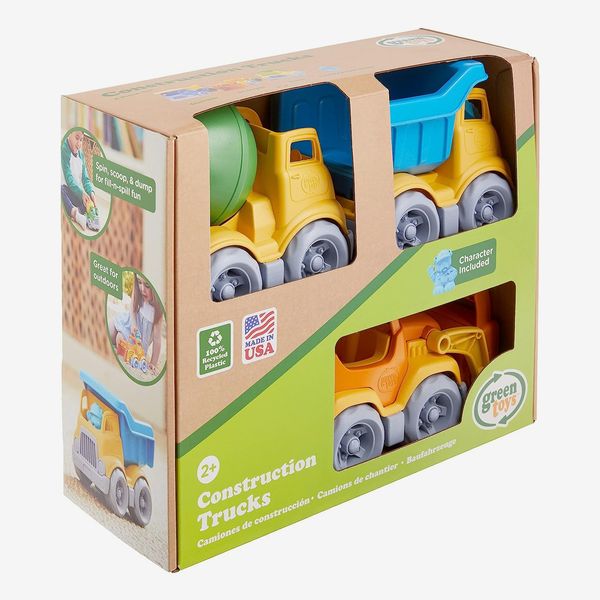
Construction vehicles are even more entertaining to play with in sand, water, rice, beans, or snow..
New! You can now save this product for later.
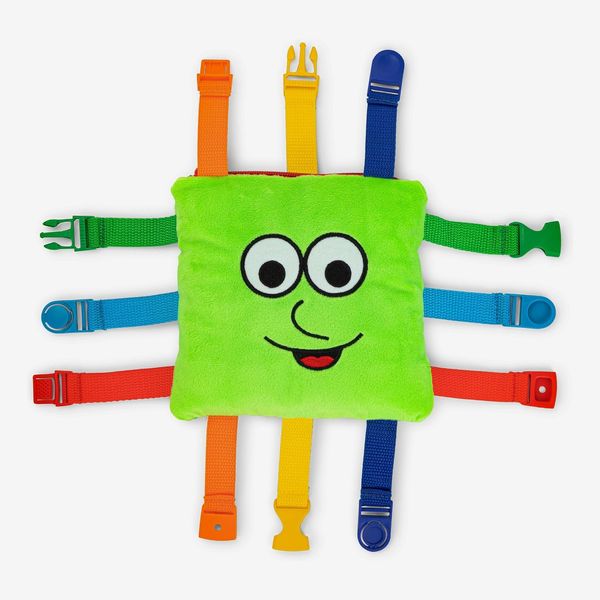
This portable pillow toy gives children practice learning how to set themselves free from car seats and strollers. A blessing and a curse!
New! You can now save this product for later.
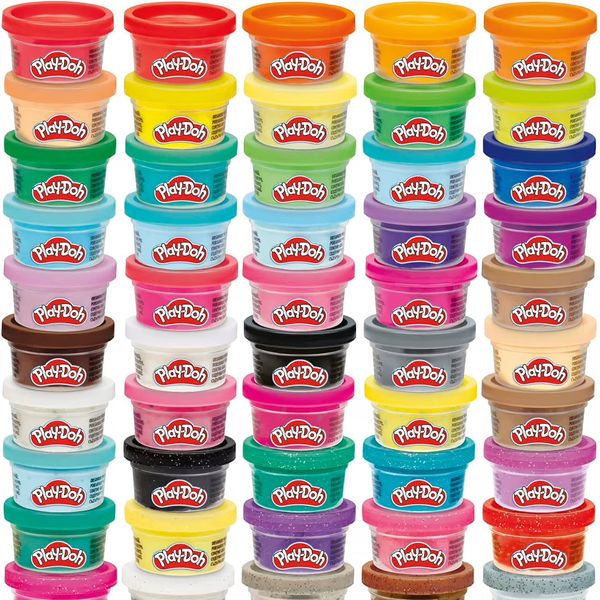
Play-Doh and tools are excellent for building hand strength and fine motor skills.
New! You can now save this product for later.
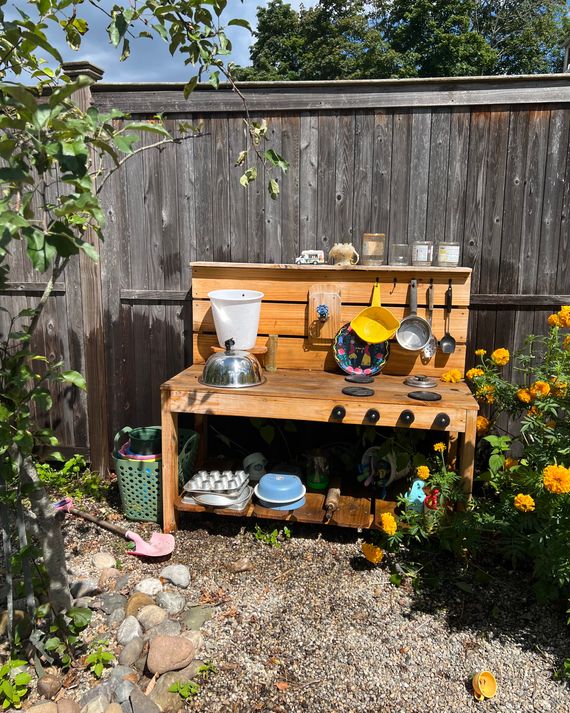
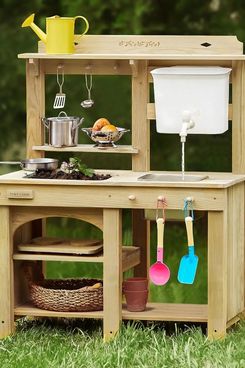
If you have any outdoor space, a mud kitchen is great for getting kids digging, scooping, stirring, lifting, and more. Stock up on pots and pans at the thrift store.
Building toys for developing fine motor skills
Building and making are what children are born to do! Here are some of my favorite toys for encouraging many different kinds of play that support fine motor development.
New! You can now save this product for later.
New! You can now save this product for later.
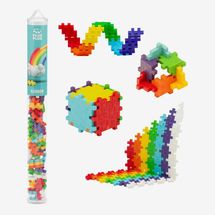
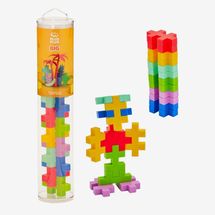
I know that all I have to tell you is that Plus-Plus is a toy from Denmark, but there’s lots to say (and love) about the small construction toy. Each tube comes in different colors and with both small and large pieces, depending on your child’s skill level. Each block has the same design and the pieces easily click together to make a range of structures.
New! You can now save this product for later.
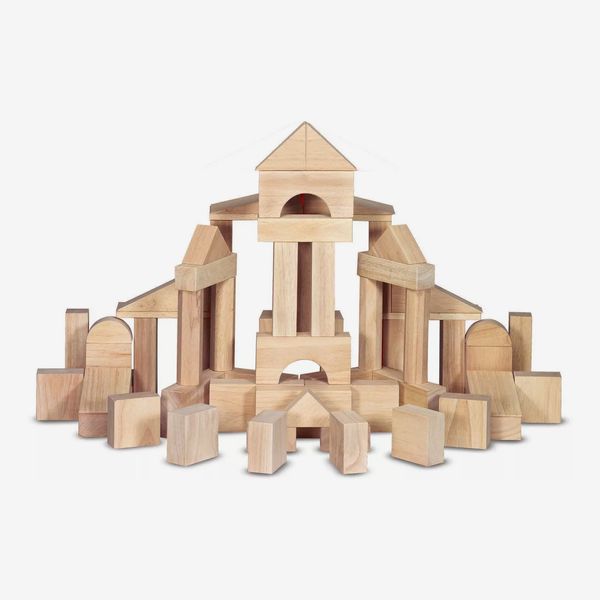
Melissa & Doug Standard Unit Blocks
The early childhood educator’s gold standard and the original open-ended building toy.
New! You can now save this product for later.
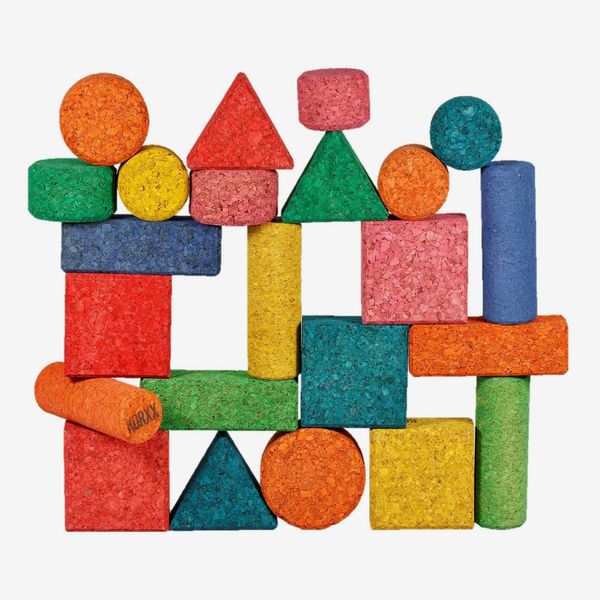
These colorful cork blocks make for a beautiful collection.
New! You can now save this product for later.
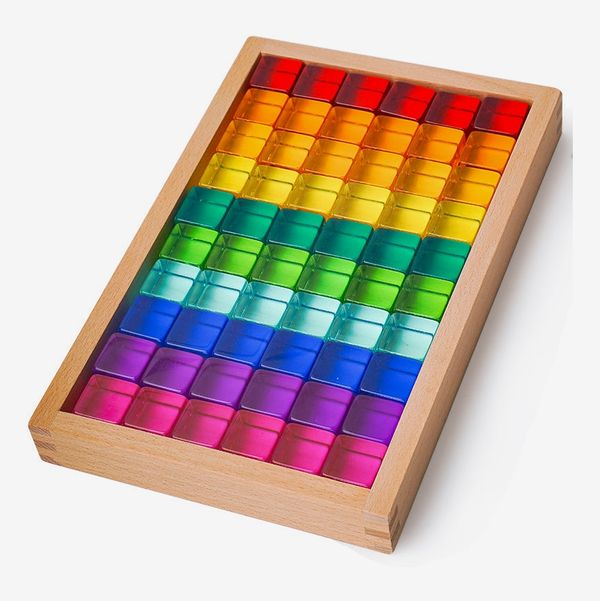
These blocks are so beautiful that I want to play with them, too. They’re made of lucite, so they’re easy to clean and have a very smooth and satisfying texture.
New! You can now save this product for later.
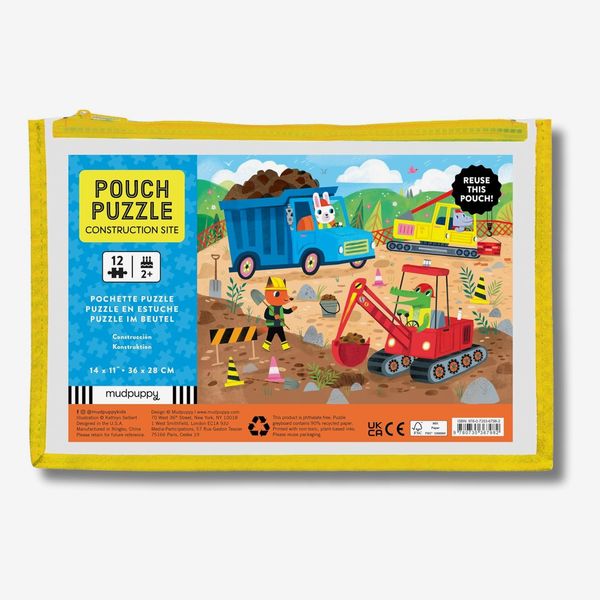
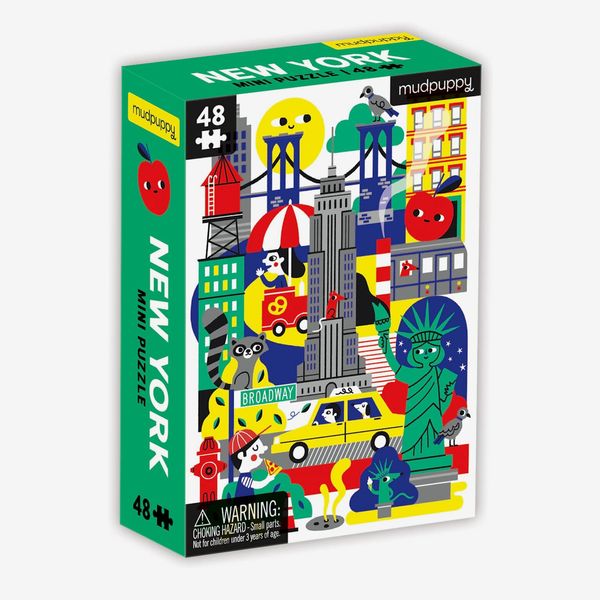
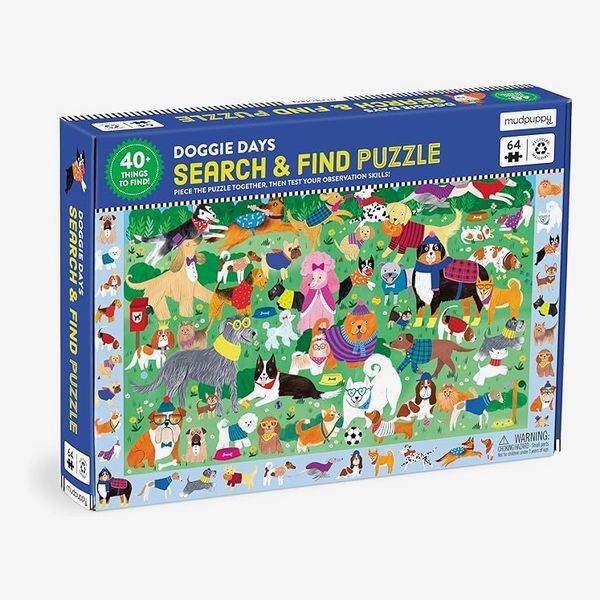
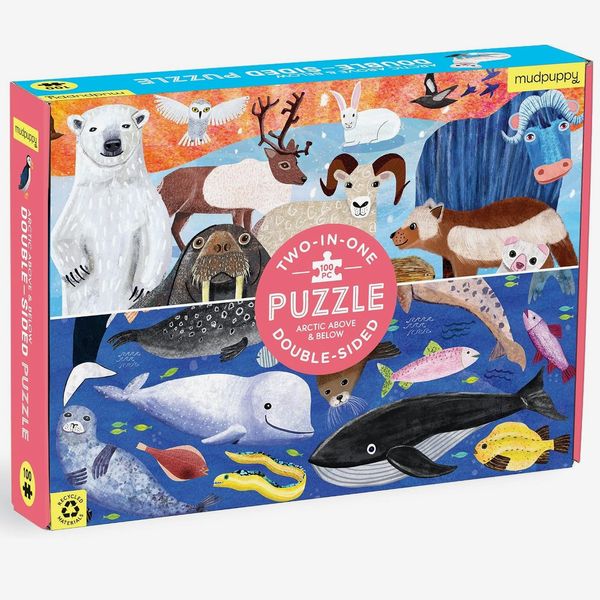
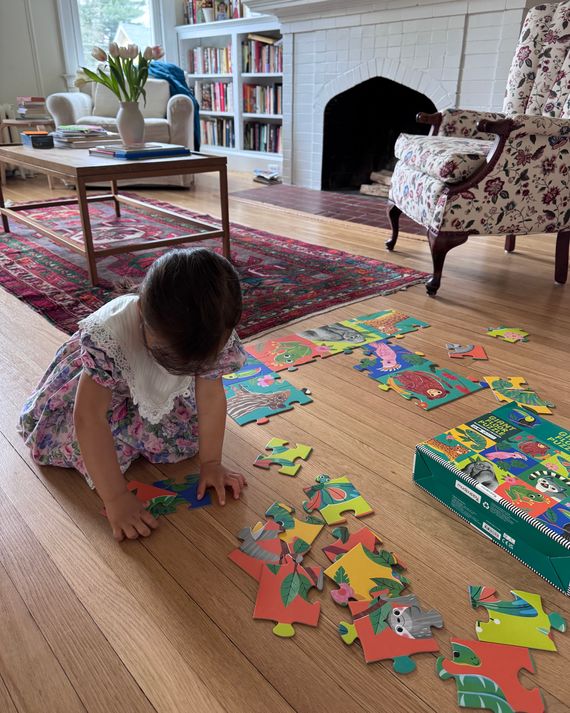
Puzzles are an excellent way for children to build fine motor control and hand-eye coordination. I like Mudpuppy’s designs because there are puzzles for a range of skills, from beginner (2 to 3 years old) to more skilled puzzlers (6 and up).
Pencils, workbooks, and other tools to explicitly build writing skills
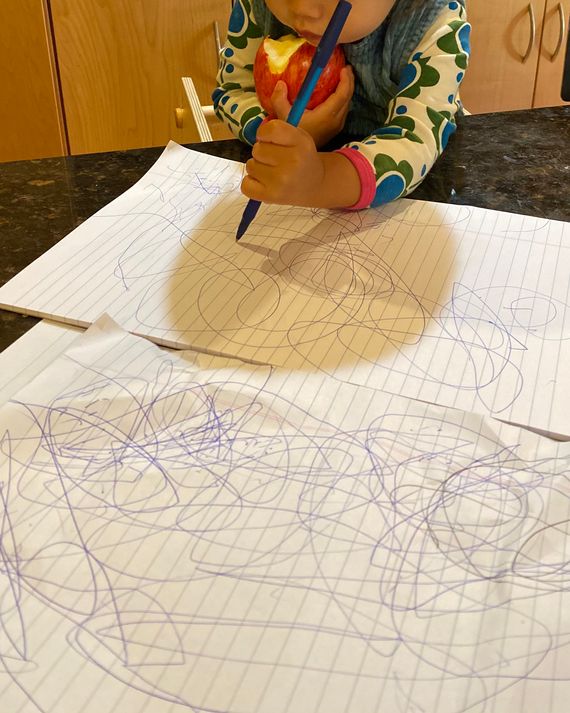
While the fine motor and hand-eye coordination tools above are important for strengthening little hands to do the heavy lifting — i.e., holding a pencil, which is harder than it looks — I have a few go-tos that more explicitly create an environment that builds writing skills. Writing stems from drawing. Squiggly lines and unintentionally oblong circles (which you’ll usually see around ages 3 and 4) become letters over time. It starts with writing the first letter of their name, then their whole name, and, eventually, phrases and sentences (usually around ages 4 and 5).
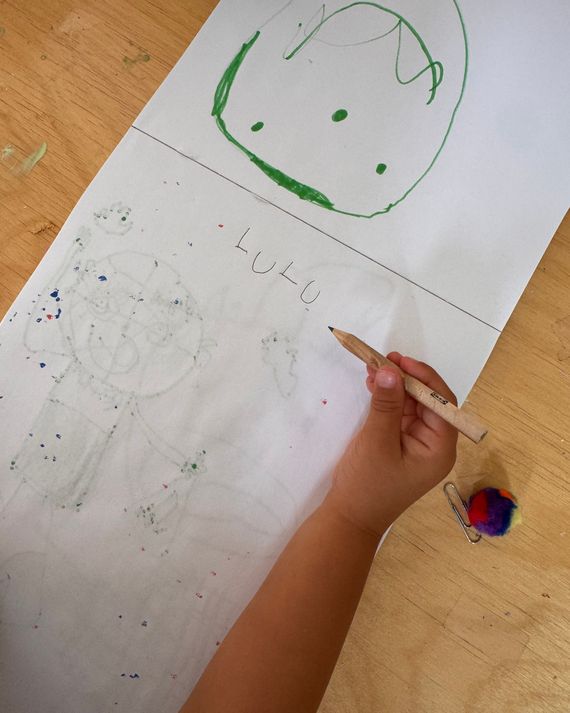
As a rule of thumb, when your child is beginning to write words, try not to worry about spelling and handwriting — those skills will be taught later on, in elementary school, and I try to steer parents clear of being the teacher. Emergent spelling (sometimes called invented spelling) is when children begin attempting to spell words on their own before formal instruction, using their developing knowledge of letter-sound relationships. This begins, generally, around age 4 or 5 and usually lasts about two years.
Your focus at home should be on creative expression and growth by giving young children the space to write without worrying about getting anything “right.”
New! You can now save this product for later.
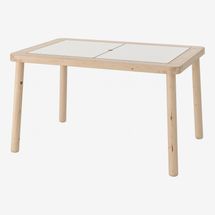
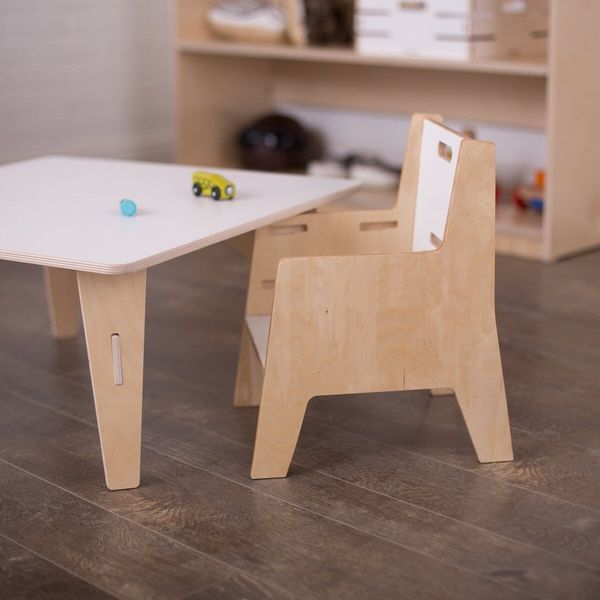
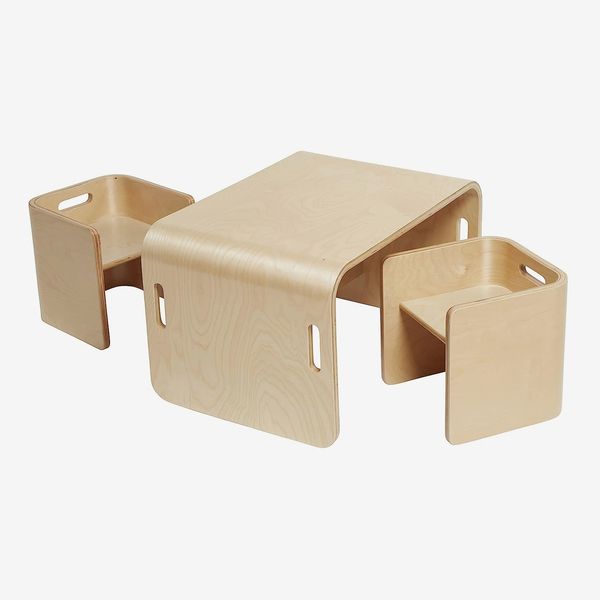
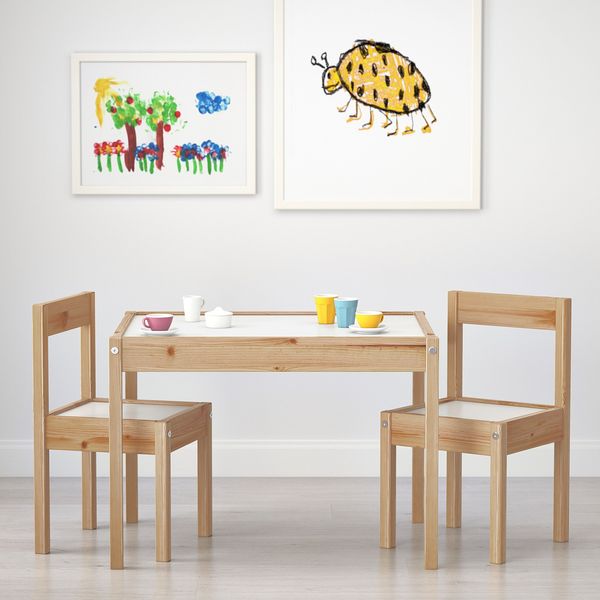
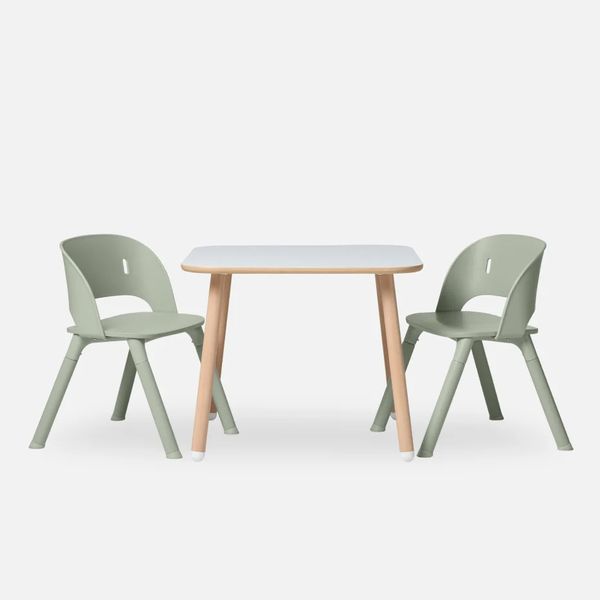
It’s important for children’s feet to touch the ground and for them to learn proper posture when they’re writing. If you can, create a nook where your child can write and draw with a table and chair just their size. I like this set from Sprout because it’s adjustable and grows with my own children.
New! You can now save this product for later.
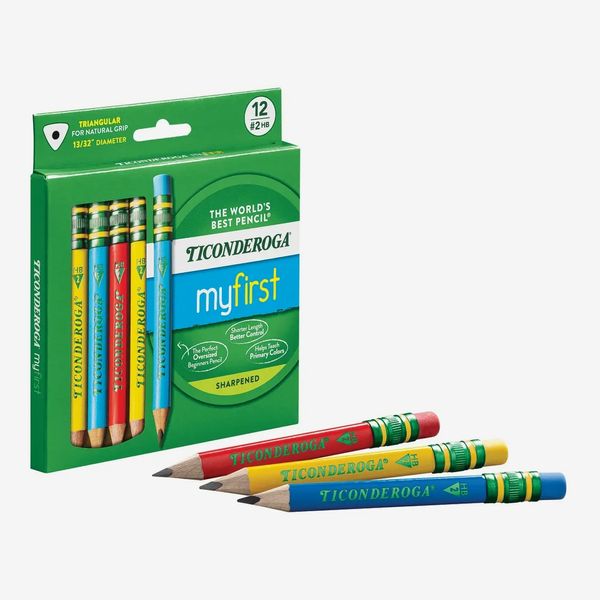
Ticonderoga My First Short Triangular Wood-Cased Pencils
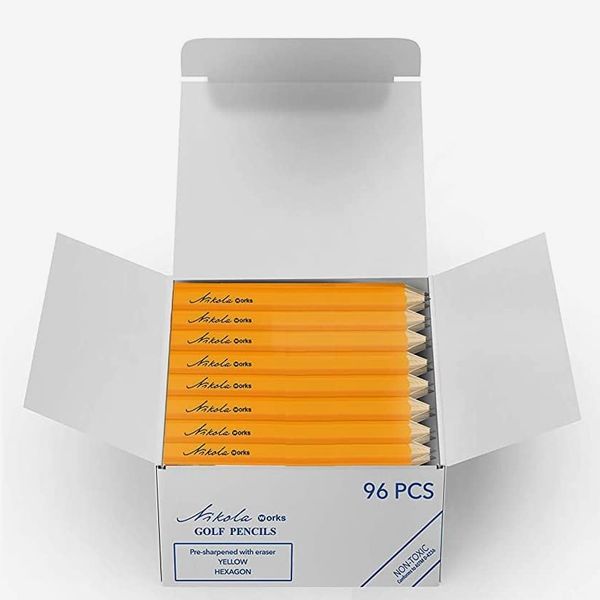
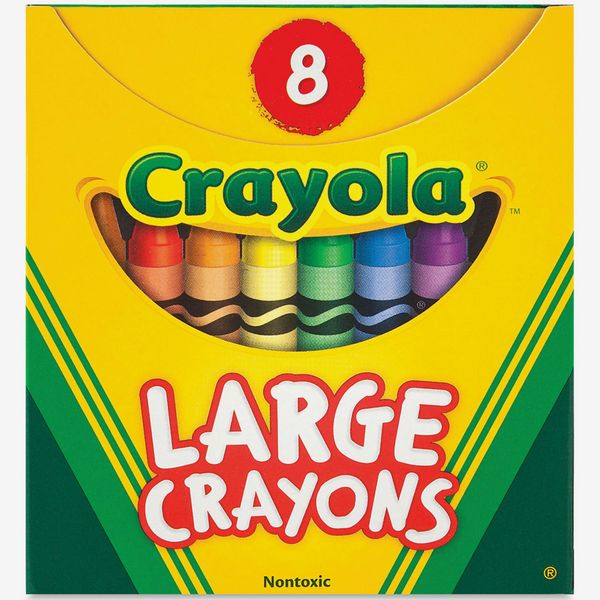
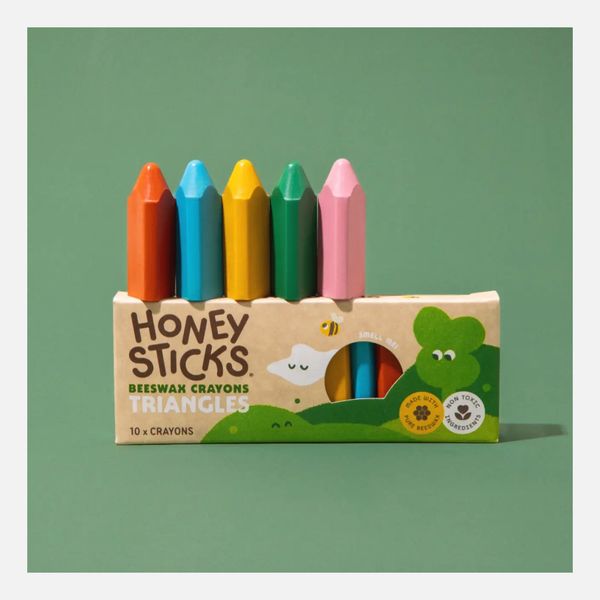
When children are 3 to 5 years old, consider large crayons, triangle-shaped My First Pencils, or even golf pencils, which are easy for small hands to grasp. In general, having a wide range of writing utensils is great for encouraging creative writing across ages. I always have a variety of pencils, markers, colored pencils, and pens available.
New! You can now save this product for later.
New! You can now save this product for later.
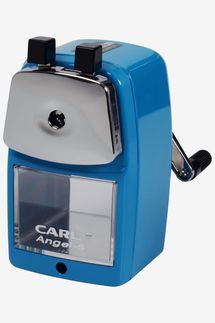
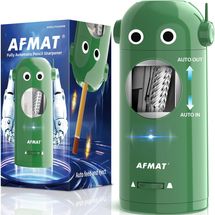
A manual pencil sharpener is ideal for building fine motor skills, but I will be honest, I have an electric one. Look for sharpeners with multiple-size holes to cater to all those thick, thin, and triangular pencils.
New! You can now save this product for later.
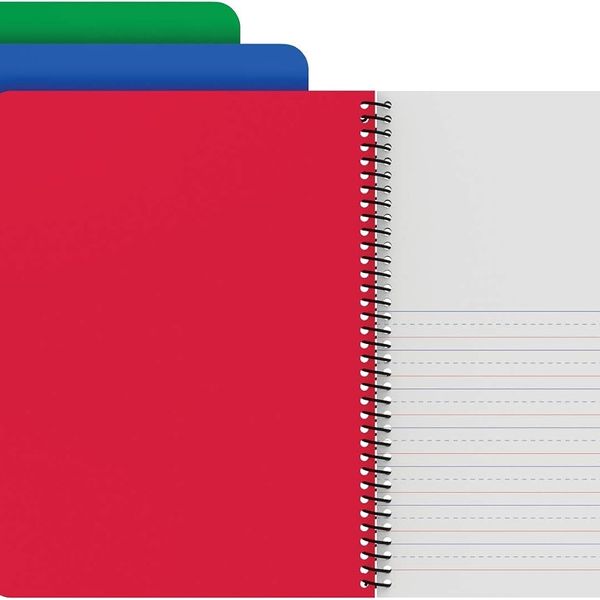
Oxford Primary Spiral Notebooks for Writing/Drawing Practice
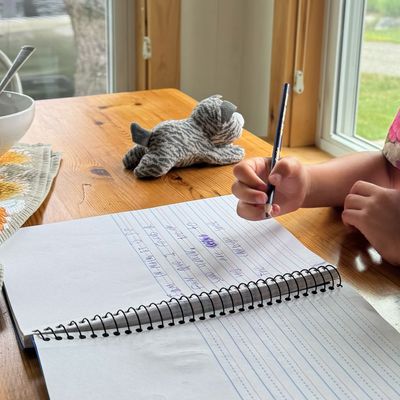
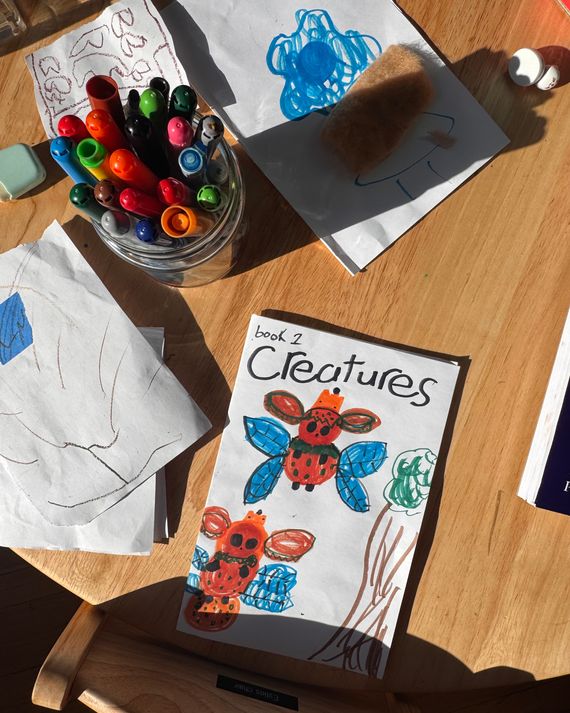
I really like having notebooks around that have room for an illustration and a caption (or more!). When children are beginning to learn to write, they often draw first and add captions or labels to their drawing as their first attempts at storytelling. In general, consider having lots of lined and plain paper on hand. The lined paper should have big lines for younger children (ages 4 to 6). Some children like a task like “write about your day,” and some would prefer no prompt at all; either way works!
New! You can now save this product for later.
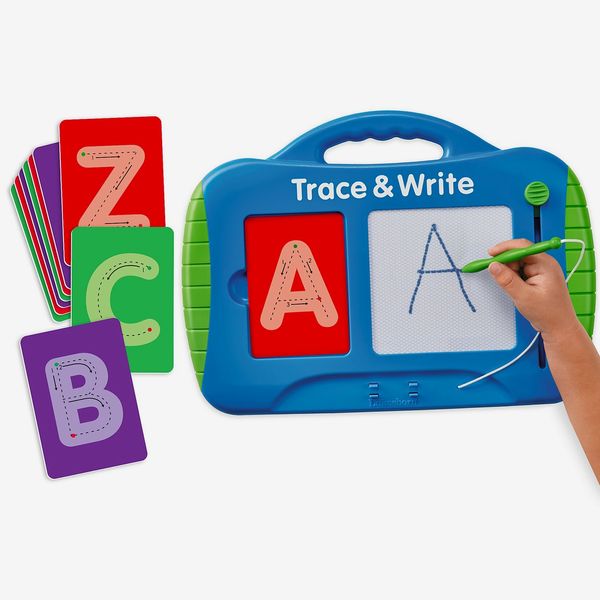
For those who want to give their children practice with letter formation at home, I recommend Trace and Write, which is essentially a more overtly educational Magna Doodle.
New! You can now save this product for later.
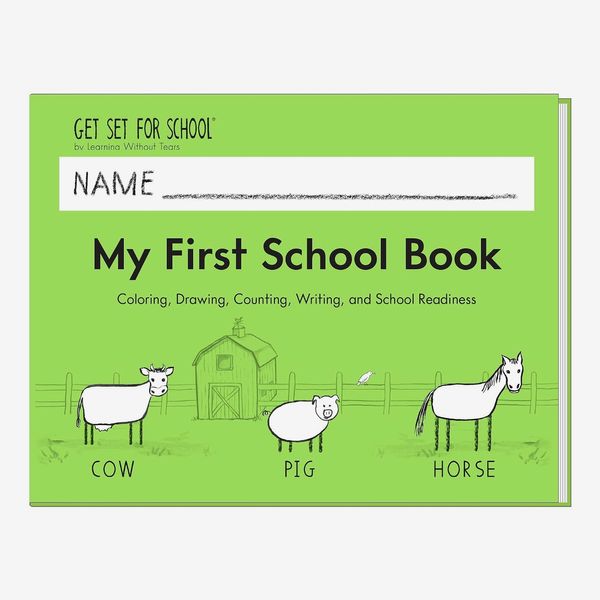
I also recommend the Handwriting Without Tears system. While not all children want to learn how to write their letters and numbers at home, for the ones who do, it’s a good resource.
New! You can now save this product for later.
New! You can now save this product for later.
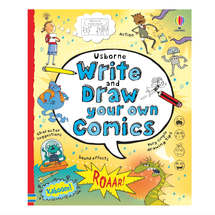
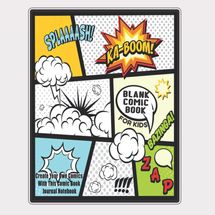
In my many years of teaching, I have had quite good luck getting reluctant writers out of their shells by encouraging them to make comic books.
New! You can now save this product for later.
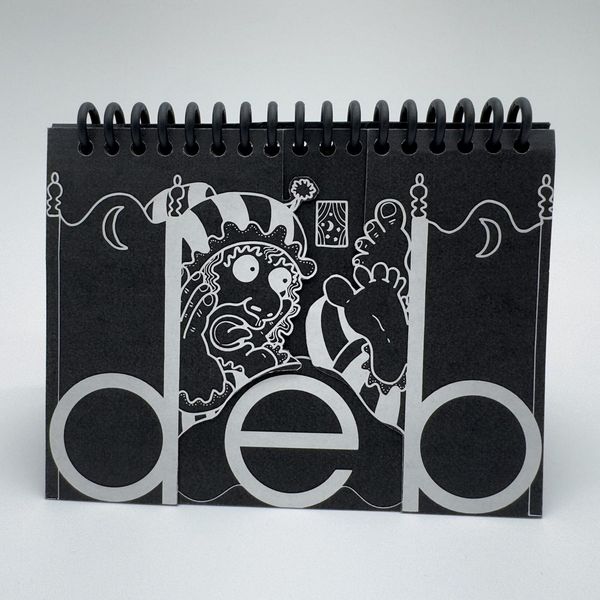
One tool I love that has helped my students learn to write is this “deb’s bed” visual aid. A former colleague makes them (by hand!) for children learning to distinguish between the letters B and D. It’s helpful if your child, like so many others, tends to reverse their Bs and Ds (which, by the way, is developmentally appropriate until they’re 7 or 8 years old).
New! You can now save this product for later.
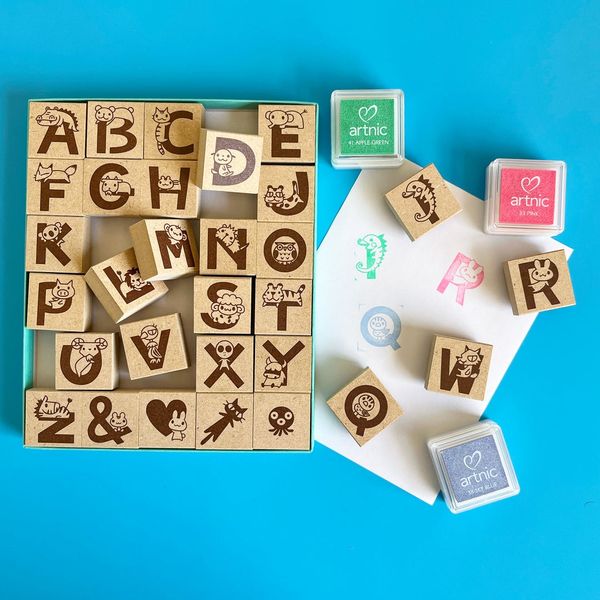
Stamps let your child play with letters and word-making with less labor and lots of flair. Using stamps to send messages (or ransom notes) absolutely counts toward learning to write!
More From The Strategist
- Hark, the Advent Calendars Arrived (Very) Early This Year
- The Best Things Strategist Editors Have Bought This Year (So Far)
- 63 Things You Should Never Buy Full Price
- The Strategist Fall 100
The Strategist is designed to surface useful, expert recommendations for things to buy across the vast e-commerce landscape. Every product is independently selected by our team of editors, whom you can read about here. We update links when possible, but note that deals can expire and all prices are subject to change.