The Best French Pantry Essentials, According to French Chefs

Save this article to read it later.
Find this story in your account’s ‘Saved for Later’ section.
Bastille Day is Saturday, July 14, and to celebrate France’s national day, we’re dedicating the week to the very best French things. You may be familiar with stories we’ve done on French pharmacy products and cookbooks, but we’re going even deeper this week, from the best books on Paris and French baking to the greatest French pantry essentials and lesser-known French beauty products. Welcome to Made in France week.
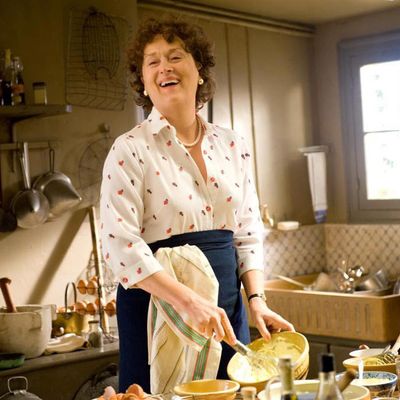
The list of ingredients for most classic French dishes can be deceptively simple, since there aren’t a ton of different spices or herbs. Even a baguette is just flour, salt, water, yeast, and time, and there are really only six ingredients in a crêpe. The trick to mastering the art of French cooking, as Julia Child might’ve described it, is learning the technique — braising and searing, simmering and sautéing, and understanding the difference between a béchamel and a hollandaise sauce.
This focus on cooking skill doesn’t mean that French pantries are barren wastelands, though. There are still lots of high-quality basics that’ll make cooking French food at home a little easier and more flavorful, along with plenty of unique French ingredients that’ll enhance the dishes you’re already making, even if you’re not employing those traditional French techniques. And to help you stock your own kitchen cupboards, I spoke with French chefs about their go-to French pantry essentials, from salty to sweet.
New! You can now save this product for later.
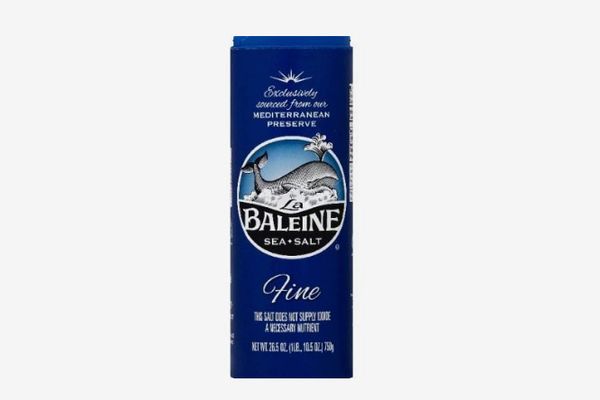
It seems basic, but a high-quality salt is a must-have in a French kitchen, and Eric Ripert, the chef and co-owner of Le Bernardin, calls this sea salt his essential pantry item. “I love La Baleine Fine Sea Salt because the delicacy and finesse of the salt itself allows me to be very precise with seasoning. I’ve been cooking with it all my life, and it’s just my favorite pantry staple to extract the essence and flavor of any ingredient.”
New! You can now save this product for later.
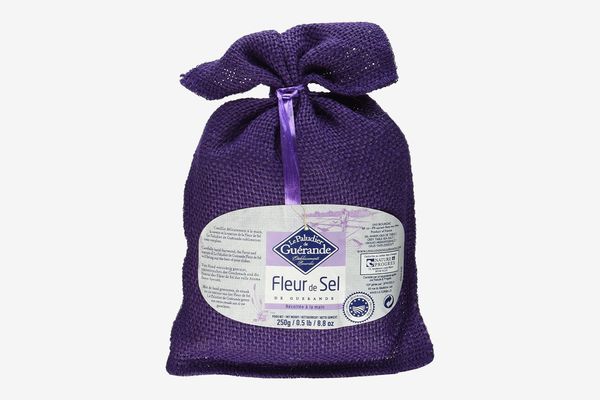
For a sea salt that’s a little more coarse, executive chef Laëtitia Rouabah at Alain Ducasse’s Benoit calls Fleur de Sel de Guerande a must-have. “I use it every day as a finishing salt, or to flavor and season meat, fish, and vegetables.” It’s hand-harvested from Brittany and has a flakier texture than the La Baleine Fine Sea Salt.
New! You can now save this product for later.
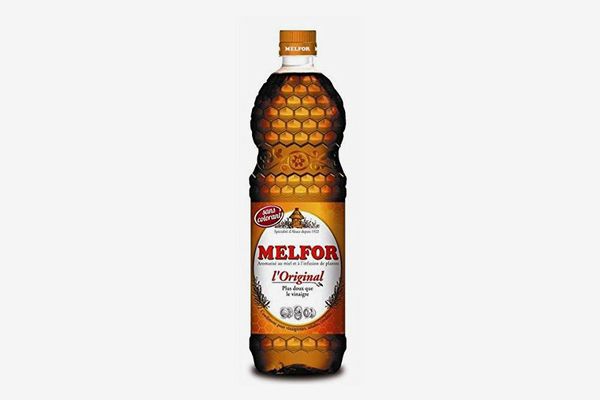
Antoine Westermann, the chef and owner of Le Coq Rico, has fond childhood memories — “What we call la Madeleine de Proust,” he says, “the memory of a taste that opens your senses and mind and stays forever a part of you” — of one specific vinegar from Alsace, the region on the border of Germany where he’s from. This honey-and-herb vinegar, called Melfor, is less acidic than traditional vinegars and makes a great base for a salad dressing.
New! You can now save this product for later.
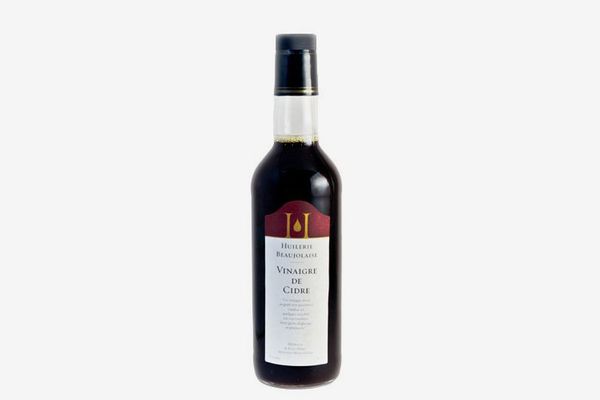
For another hit of acid, Nicholas Elmi, chef and partner at Royal Boucherie and Laurel in Philadelphia, recommends any of the fruit vinegars from Huilerie Beaujolaise. “From quince to blueberry to Calamansi, these fruit vinegars are all really well-rounded and have a lot of pop. They add a subtle nuance to sauces — both savory and sweet.”
New! You can now save this product for later.
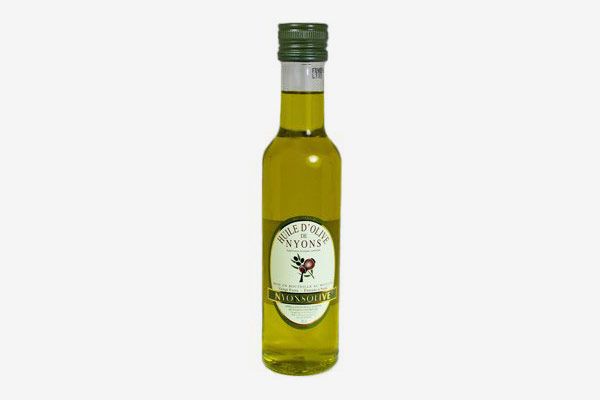
Though butter is a staple in French cooking, olive oil has its place, too, especially in those aforementioned vinaigrettes. Chef Westermann likes olive oil from Provence, specifically from the town of Nyons.
New! You can now save this product for later.
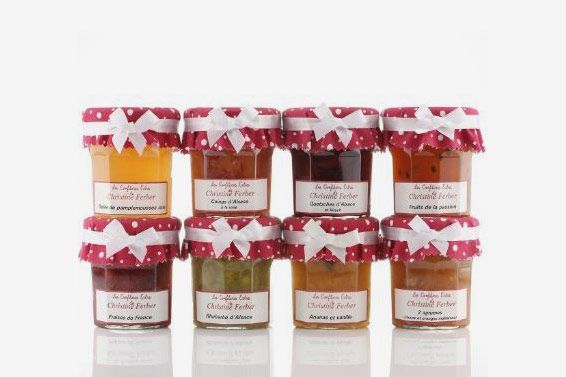
Several of the chefs I interviewed cited preserves, jams, jellies, and marmalades as their must-have pantry items. Chef Alessandra Altieri, director of Bouchon Bakeries, calls confiture, or preserves, “a staple in every pastry kitchen,” to be used at the bottom of tarts or simply spread on a warm baguette with rich butter. As for brands, Altieri recommends Christine Ferber, noting that it “can be hard to find,” though it is available online.
New! You can now save this product for later.
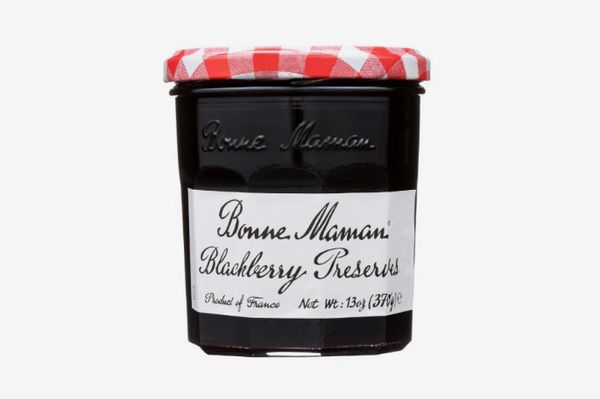
For a more readily available (and less expensive) option, Altieri likes Bonne Maman, calling it, “super classic and easily found in many markets.”
New! You can now save this product for later.
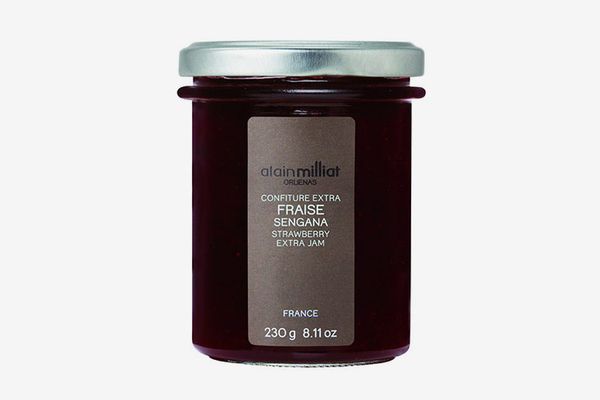
Ben Sormonte, founding partner at Maman, loves Alain Milliat’s jams and marmalades. “I’ve had the pleasure of visiting Alain’s farm and saw firsthand how they carefully select their fruits for their juices, jams, and marmalades. You can really tell how they’ve been naturally vine-ripened and how his products really honor the integrity and flavor profiles of the fruits and vegetables he grows.” The strawberry jam, which is used in their cafés, is a notable favorite, though more floral-minded eaters might want the violet-fig jam.
New! You can now save this product for later.
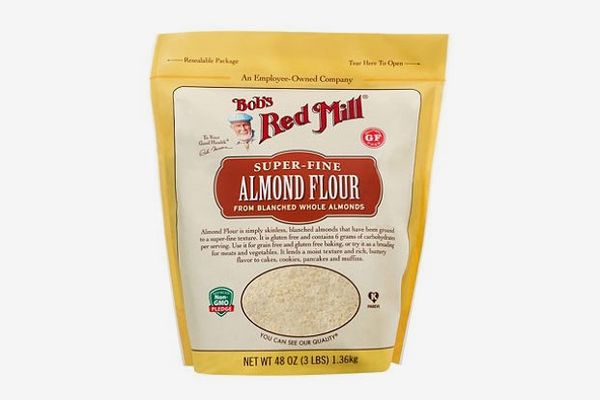
If you’re also interested in French baking, chef Altieri also recommends keeping some almond flour on hand. “While not the most common ingredient used in the States, it is the base of many classic French pastries, and I truly can’t imagine baking without it.” It’s critical in macarons and helps form the basis of frangipane tarts and the filling for almond croissants. Though not beholden to a specific brand, chef Altieri recommends that it is best to get “blanched, superfine-ground” almond flour for baking.
The Strategist is designed to surface the most useful, expert recommendations for things to buy across the vast e-commerce landscape. Some of our latest conquests include the best women’s jeans, rolling luggage, pillows for side sleepers, ultra-flattering pants, and bath towels. We update links when possible, but note that deals can expire and all prices are subject to change.
Every editorial product is independently selected. If you buy something through our links, New York may earn an affiliate commission.