You Really Shouldn’t Sleep on Your Stomach

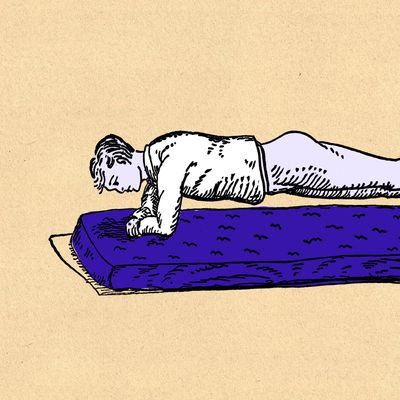
Your go-to sleeping position is a big factor in what type of mattress and pillows you should buy — people who sleep mostly on their side will have different needs than people who sleep mostly on their back. But as I’ve done more and more reporting on how to pick the right products for the way you sleep, I’ve consistently heard the same warning from physical therapists and chiropractors: Sleeping on your stomach isn’t all that good for you.
I wanted to better understand why that is, and to find out if there’s anything stomach sleepers can do to “learn” a new sleeping position, so I consulted four physical-health experts for advice. Their consensus was that, while occasional stomach sleeping won’t cause serious harm, the longer-term risks make it worth trying to sleep on your side or your back, if possible. Here’s how.
Sleeping on your stomach can hurt your back and make you more injury-prone
According to Jimmy Pajuheshfar, doctor of physical therapy and clinical director at FYZICAL, stomach sleeping “can place strain on the neck and lower back” because the position “challenges” the natural curvature of a healthy spine. Sherry McAllister, chiropractor and president at the Foundation for Chiropractic Progress, adds that your spine’s natural curves are essential to supporting the rest of your body structure and maintaining what she calls the “core four”: mobility, stability, flexibility, and capability (or strength) to do everyday activities. Essentially, sleeping on your stomach “flattens” and compresses your spine, and that can cause discomfort, stiffness, muscle strain, and potentially even numbness or tingling, even in the short term.
Over longer periods of time, says Pajuheshfar, stomach sleeping can have a ripple effect on other parts of your body and contribute to chronic pain. One risk is that you’ll develop muscle tension, says McAllister, because compressing the spine causes the muscles that connect to the spine to tighten. Sleeping in this position night after night can lead to decreased flexibility and a more limited range of motion. It can also make you more injury-prone: “If your muscles are constantly tight, then you’re going to be more capable of straining them doing simple acts of daily living,” McAllister says. That could be particularly damaging for athletes and gym rats, she explains, because repeatedly tightening the muscles at night puts pressure on the ligament system in turn, which could lead to a sprain while working out in the daytime.
There are also risks to the neck and hips, says chiropractor Jessica Tew of 100% Chiropractic, who notes that most stomach sleepers turn their head to the side to sleep, and many will also twist one leg out to the side. “When you turn your head, one side tightens and the other one gets stretched,” McAllister explains, which puts uneven strain on the neck and can up your chances of suffering a herniated disk. Similarly, resting on your stomach with one leg out to the side can cause misalignment in your pelvis or strain on your hip joints.
Different pillows can help you form new habits
Even if you are able to fall asleep in a different position, it can be difficult to stop rolling onto your stomach overnight. Using pillows for physical support can help you retrain your body. McAllister recommends a therapeutic pillow with cutouts or contours designed to keep your head and neck in place while you lie on your back or side. She also recommends lying on your back with a pillow under your knees, to take pressure off the spine and surrounding muscles, or lying on your side with a pillow between your legs, while also hugging a pillow to your chest. “In order for you to roll over, you’ve got to drop the pillow; you’ve got to kick that knee pillow out,” McAllister says. “The body itself will be opposed to that during the night, but the brain will also kick in and say, We have a barrier to movement.” Some anti-snoring pillows that are designed for side sleeping can also help.
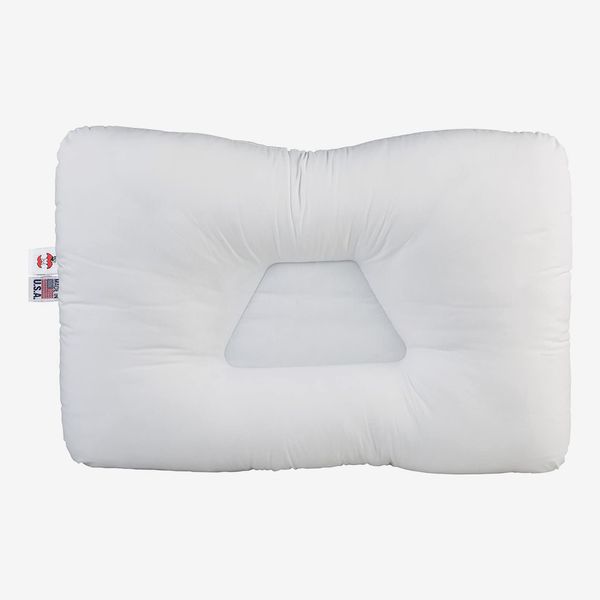
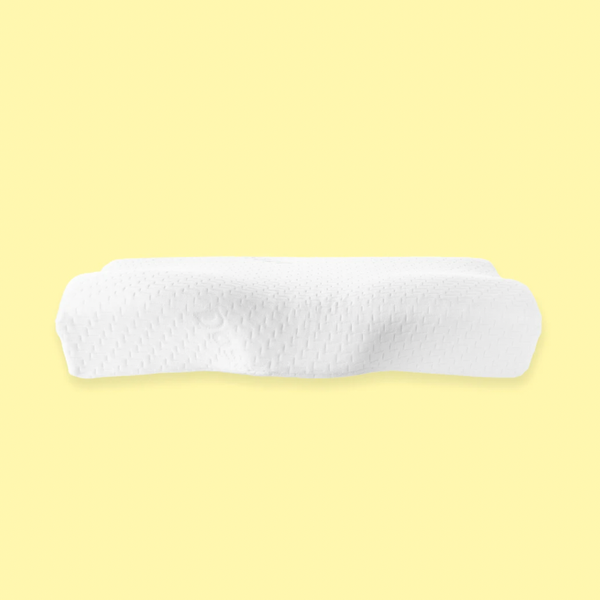
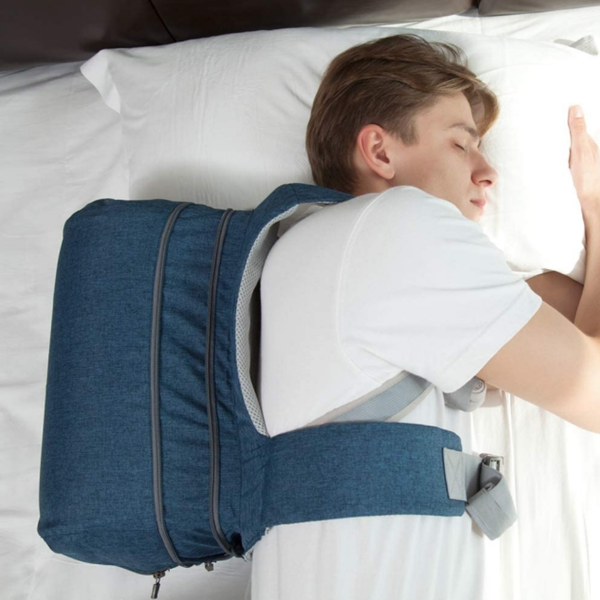
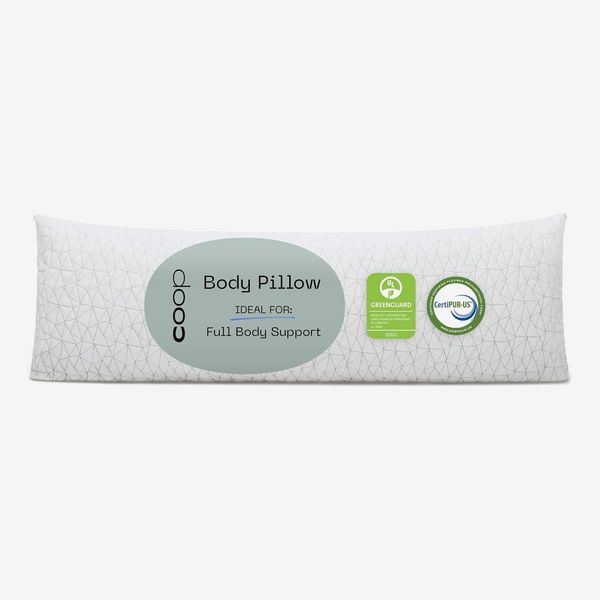
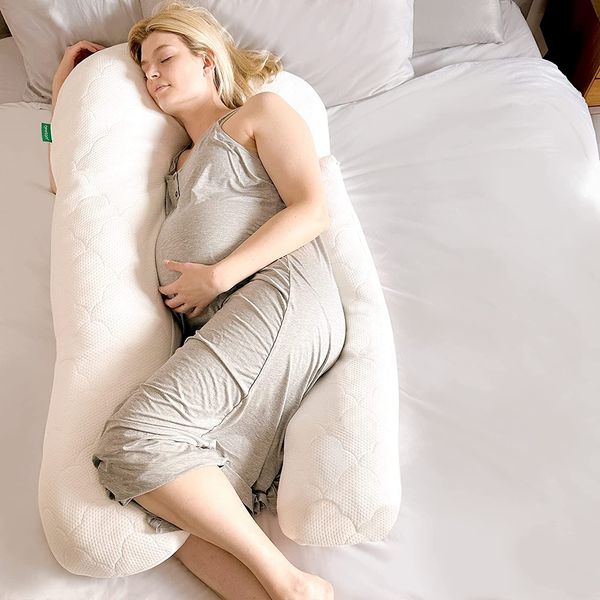
Tew also recommends sleeping with a body pillow (or pregnancy pillow) while you are trying to stop sleeping on your stomach. “Hugging a long pillow and placing it between your knees can mimic the comfort of stomach sleeping while keeping you on your side,” she says. However, McAllister emphasized that you should do your best to keep your head, neck, and spine in alignment. While a body pillow can help you gradually learn to sleep on your side, it can also put you in a “transitional” position, where your pelvis is twisted so that you are halfway between side sleeping and stomach sleeping, and that can lead to the same type of muscle tension as plain old stomach sleeping.
You may also need to retrain your brain
McAllister and Javier Porras-Gil, a physiotherapy resident at Chartier Physiotherapy in Ottawa, both recommend sleeping with a weighted blanket because it may help comfort your mind while also providing your body with a physical cue to remain in place. “When we look at the requirement for you to be able to sleep, you need to have some muscle relaxation,” says Porras-Gil. The compression of a weighted blanket can help your mind feel more at ease so your body can get comfortable in a sleeping position you aren’t accustomed to.
Another way to acclimate to a new sleeping position is to use progressive muscle relaxation or mindfulness. Porras-Gil suggests breathing deeply and mentally conducting a body scan of how you are feeling, which can help you physically and cognitively settle in. If you want outside assistance, or a more holistic approach, Porras-Gil also recommends looking into cognitive behavioral therapy, or CBT. “We are creatures of habit, so we like the way that we’ve been able to sleep before. We feel comfortable a certain way,” he says. CBT might help your brain and body adapt.
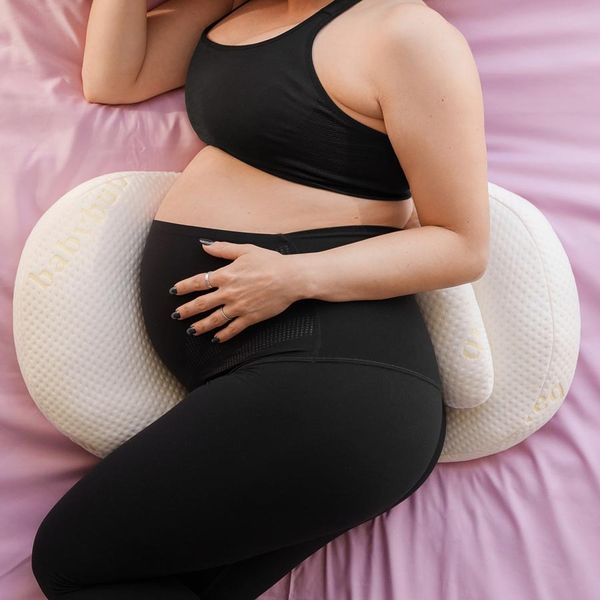
Some more pillows we like for helping align your spine

More From The Strategist
- Hark, the Advent Calendars Arrived (Very) Early This Year
- The Best Things Strategist Editors Have Bought This Year (So Far)
- 63 Things You Should Never Buy Full Price
- The Strategist Fall 100
The Strategist is designed to surface useful, expert recommendations for things to buy across the vast e-commerce landscape. Every product is independently selected by our team of editors, whom you can read about here. We update links when possible, but note that deals can expire and all prices are subject to change.