What Rick Martínez Can’t Cook Without
Save this article to read it later.
Find this story in your account’s ‘Saved for Later’ section.

If you’re like us, you’ve probably wondered what everyday stuff famous people add to their carts — like mascara or a sleep mask. In this iteration of our “Celebrity Shopping” column, we’re asking food-obsessed folks what they can’t cook without. Here, Rick Martínez, recipe developer, author of the cookbooks Mi Cocina and Salsa Daddy, and writer of the newsletter Sazón, tells us about his favorite items.
New! You can now save this product for later.
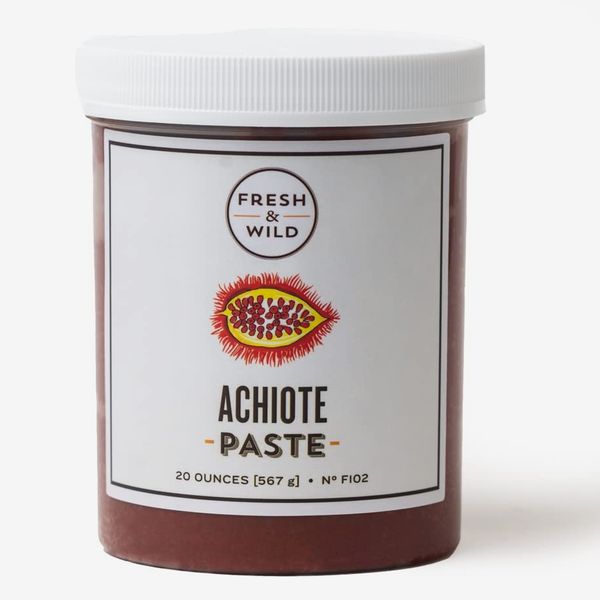
Achiote paste, also called recado rojo,is a pretty common ingredient in Mexico, where it exists at almost every big-box supermarket. But specifically in the Yucatán, you can go to the market where stands are freshly grinding it up. It’s a combination of achiote, or annatto, seeds — which have that reddish-orange color — ground up with citrus, spices, herbs, a little vinegar, and garlic. Think about it like tomato paste, which is concentrated tomato flavor. Basically, you can put it in stews, soups, rice, and beans as they’re cooking. It adds texture, body, and richness to the sauce so it’s not just a watery consistency. Exactly like tomato paste, you just use a tablespoon here or there. Certain iconic dishes use it too, like cochinita pibil in the Yucatán; that’s a slow-cooked pork dish flavored specifically with achiote paste plus additional citrus juices, like sour orange. There, you use a lot of it — probably a quarter to half a cup — depending on the yield. People also use it to make chorizo. If you’re adding dried chiles, herbs, and spices, you can throw in a couple of tablespoons of this for an extra boost of flavor.

New! You can now save this product for later.
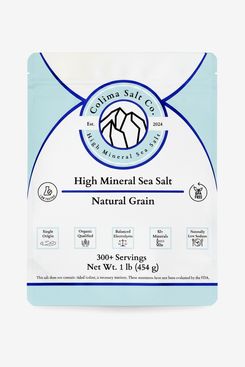
When I first moved to Mexico six years ago, I was used to Diamond Crystal kosher salt, like all cooks in the Northeast. It’s readily available there, but it was really hard and expensive for me to get here. I thought, This is dumb. I live by the ocean. I should be using sea salt. So I started looking for something that would support a local business and reduce shipping. Colima is a state a little to the south of where I live. Once I started using this salt, I realized how good it is. I think the flavor is incredible; it has a slight mineral edge to it. If you’re using a teaspoon or two in a recipe, you won’t taste a metallic edge or anything, but if you taste it plain, it genuinely tastes like the ocean. Part of the reason I like this brand too is that it has the same volume, density, and weight as Diamond Crystal. Since I’m still recipe-developing for cooks in the States, that was a really big selling point for me. One teaspoon of Diamond Crystal is four grams, and one teaspoon of this sea salt is also four grams, so it’s a one-to-one conversion.
New! You can now save this product for later.
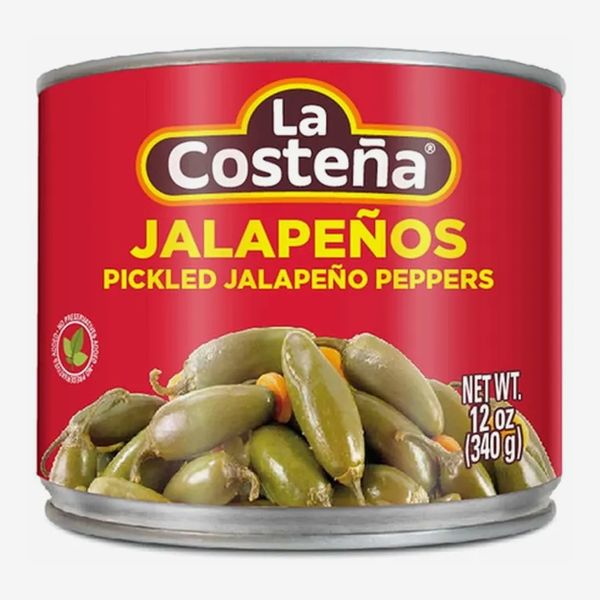
I adore these because there is so much you can do with them, including using the brine, which holds so much flavor. Unlike standard dill pickles, the jalapeños, onions, and carrots in here are sautéed in olive oil before the liquid is added, giving it a rich, cooked depth. It’s a great cook’s hack. Whenever you need acid or vinegar, use this brine. I use chopped pickled jalapeños in potato salads or add them to a salsa macha or chile crisp for a pop of acidity and mix the brine into mayo-mustard dressings.
New! You can now save this product for later.
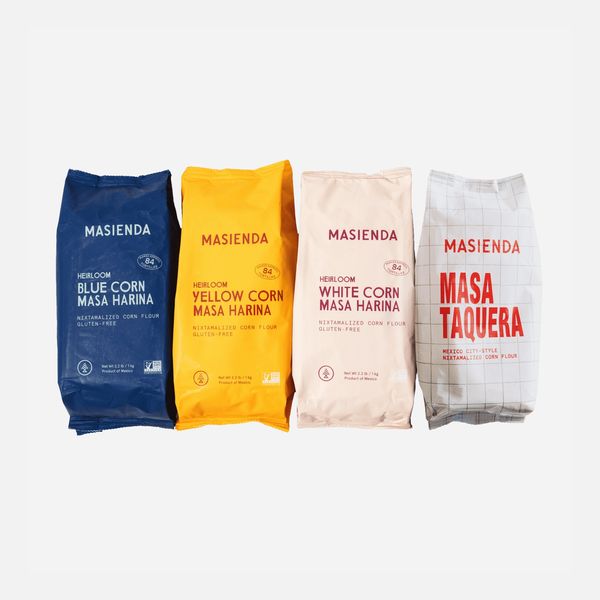
There are tortillas everywhere in this country, but where I live, it’s hotter and drier so the local corn is white. White corn has the least amount of flavor and is a bit boring. In central Mexico, corn grows in every color of the rainbow: blues, blacks, purples, reds, pinks, yellows, and golds. Think about it like tomatoes at a farmer’s market in August. You have Sungolds, Zebras, reds, greens, yellows, and oranges, and every single one has a slightly different flavor profile — some sweeter, some more sour, some drier, some juicier. It’s the same with corn. The distinct flavor comes through in the tortillas. This masa harina has both the colors and the flavor, and it’s just delicious. If you’re going to go through the trouble of making a tortilla, presumably for guests, and you pull out these beautiful red tortillas instead of standard store-bought ones, it looks like you did something miraculous. It gives the meal a special-occasion feel.
New! You can now save this product for later.
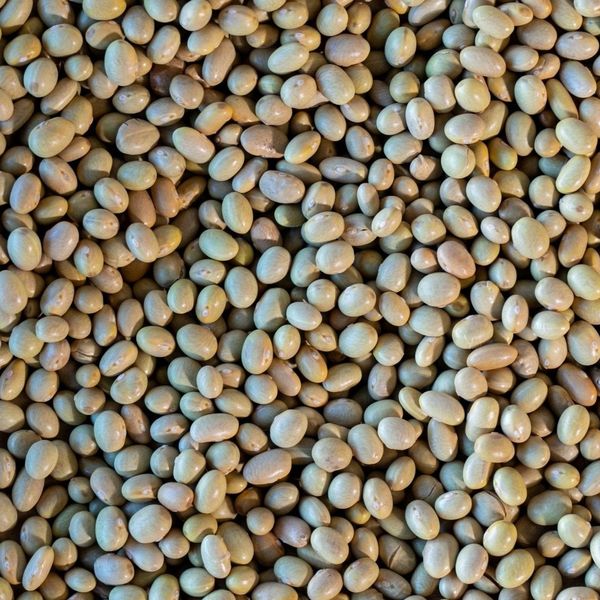
Every town in Mexico has its bean of choice. Pinto beans are popular in the north and black beans in the south, but Mayocobas grow locally where I live. When you go to the market, every stand has bags of these yellow beans. They’re extremely creamy and meaty, similar to a giant gigante or even a smaller cannellini bean. They have soft skins; a rich, creamy center; and a subtle nutty flavor that isn’t as intense as a black or pinto bean.
New! You can now save this product for later.
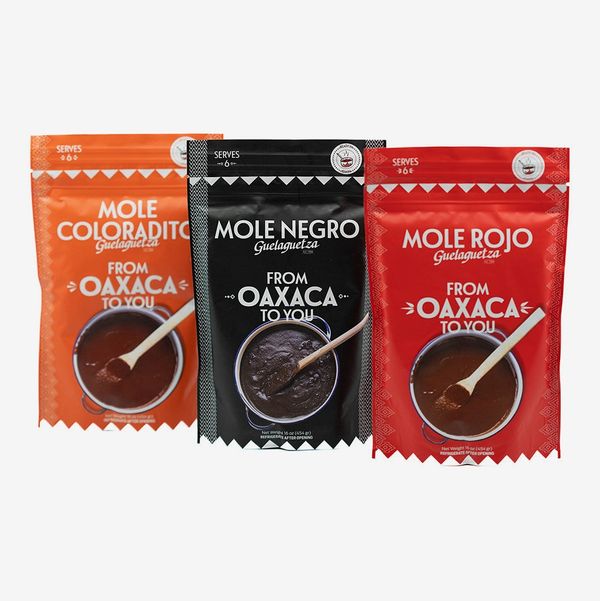
I am not typically a big mole-paste person because I like to make my own, but this is similar to the achiote paste. You can make an instant mole by combining half a cup of mole paste with two cups of broth or water, but you can also use it as a flavoring element. A tablespoon in your beans or rice gives a deep, complex flavor instantly because everything has already been toasted and ground. I love browning chicken on both sides in a Dutch oven, throwing in a couple of tablespoons of mole paste, and simmering it for an hour to get shredded, delicious chicken for tacos, rice bowls, or salads. This brand is amazing; it has a restaurant in L.A. When I was researching Mi Cocina, I met Brisia, whose family started the restaurant back in the ’70s or ’80s after coming from Oaxaca. They started selling food on a street corner, became successful, and opened a restaurant that has been there ever since. They are just the sweetest family.
New! You can now save this product for later.
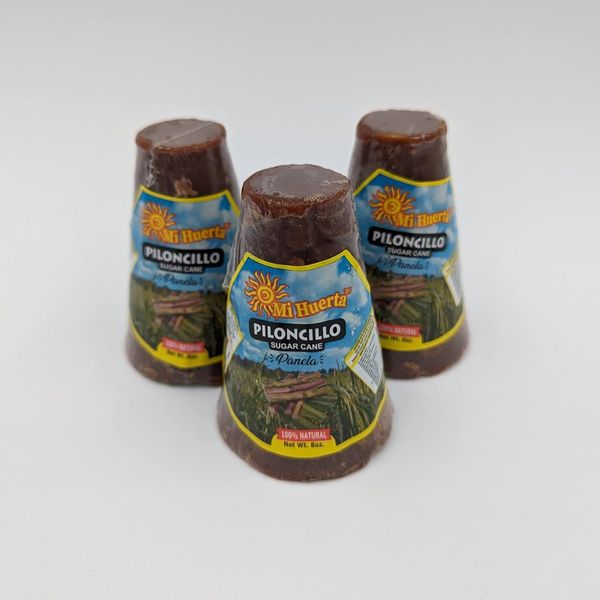
I don’t see much point in using white sugar because it’s just sweet with no real flavor. When I moved to Mexico, American brown sugar was hard to find. Piloncillo, or panela, is pressed sugarcane juice. Similar to maple syrup, the juice is boiled down until it’s dark and caramelized; with maple syrup, you stop while it’s still a liquid, but with piloncillo, you boil it until almost all the water is gone so it crystallizes and hardens when cooled. It has a rich caramel flavor and retains unrefined particles and nutrients from the sugarcane. If you are a fan of caramel, coffee, or chocolate flavors, this is your thing. It adds incredible brown-butter and butterscotch notes. I’ve gotten to the point where I don’t even brown my butter for cookies anymore. I just melt the butter and stir in the piloncillo because it already has all that nutty flavor. The only slightly annoying part is that you have to grate it, but just use a standard box grater on the large holes like you’re grating Parmesan. If it’s superhard, you can microwave it in ten-second intervals to soften it up — just be careful not to melt it or it will burn your hands.
New! You can now save this product for later.
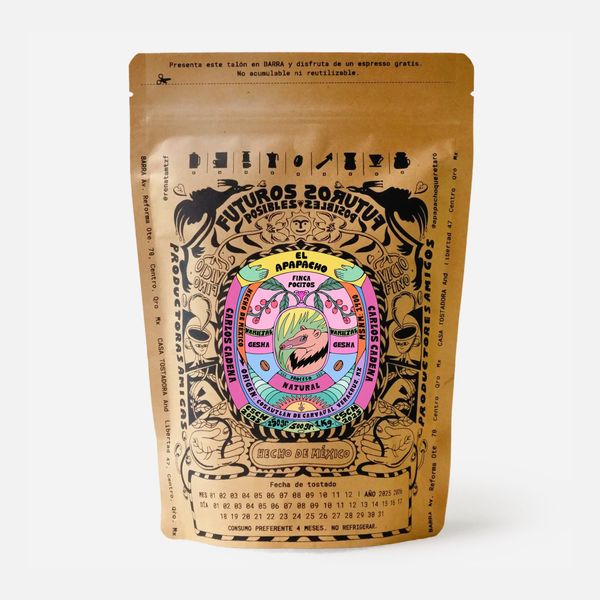
I love this coffee. I buy two kilos at a time. In 2020, while driving through Querétaro for my book, I found a small coffee shop run by a guy named Mauricio. He was supercool, sourced his beans directly from farmers across various states, and explained the differences in geography and flavor between Oaxaca, Chiapas, and Veracruz. He hooked me up with farmers so I could tour coffee farms while traveling. When the pandemic hit and people were worrying about coffee shortages, Mauricio was roasting and shipping beans from his shop. I had him send me ten pounds, and it’s been the primary coffee I drink at home ever since. Beans from Oaxaca and Chiapas grow at higher elevations, are drier, and tend to have darker, more chocolaty notes when roasted. The ones I prefer come from wetter regions in Veracruz, like Geishas, which are lighter, floral, and fruity.
New! You can now save this product for later.
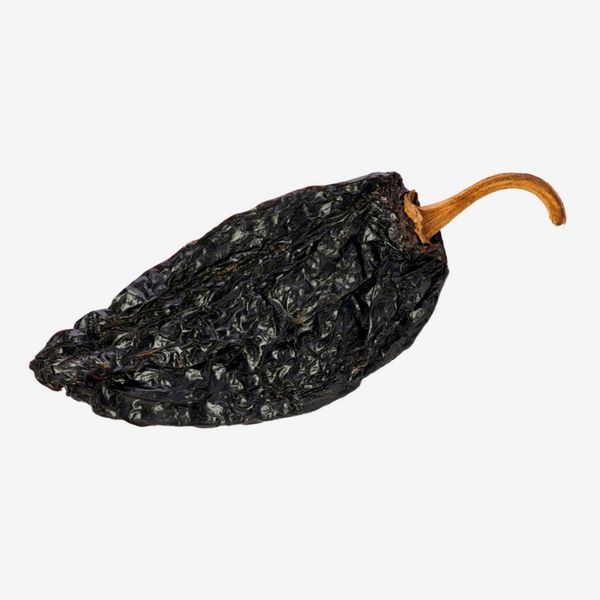
Guajillo chiles may be the most common in Mexico, but anchos are used heavily for deep flavor. They’re poblano chiles left on the vine to fully ripen to red before picking, which develops more natural sugars and complex flavor. A green poblano is grassy and vegetal, whereas a red poblano turns fruity with berry notes. When dried, the interior should feel sticky like a raisin. They offer sweetness and a mild kick at the end and give dishes a rich brick-red color. They’re great in any stewed dish. An easy method is to take dried chiles, four to six garlic cloves, oregano, half a teaspoon of cumin, half a teaspoon of peppercorns, and a 15-ounce can of fire-roasted tomatoes. Bring them to a boil in a saucepan, cover, remove from heat, and let sit for 15 to 20 minutes until the chiles soften. Blend it into a sauce, pour it over cubed chicken, pork, or beef, and simmer until the meat falls apart. You can also soak them in orange juice to reconstitute them and then stuff them. They’re great with a cold seafood salad, or with a melting cheese and then batter and fry them and top them with salsa.
New! You can now save this product for later.
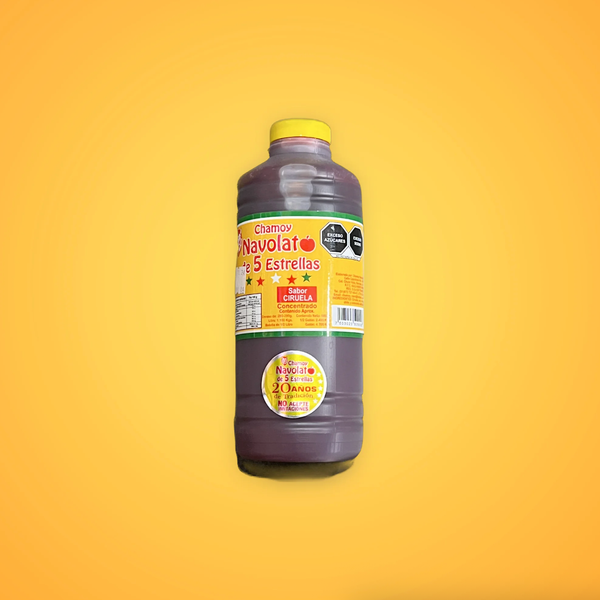
Navolato Chamoy Ciruela
Chamoy likely originated from Chinese or Japanese immigrants bringing salt-preserved fruits like umeboshi to Mexico. Mexicans adapted this method using a tart local plum called ciruela as well as apricots. Over time, they created a sauce from that preserved fruit. The best chamoys are fruit-forward, giving you a balance of salty, funky, tart, and sweet flavors. Cheap commercial brands rely heavily on artificial ingredients and chemicals. They look bright pink but lack real flavor. A good fruit-forward chamoy is a fantastic condiment for salad dressings, fresh fruit, or marinades. I’ve even made chicken skewers with a marinade of chamoy, mango, habanero, and garlic. And I’ve used it in thumbprint cookies.
New! You can now save this product for later.
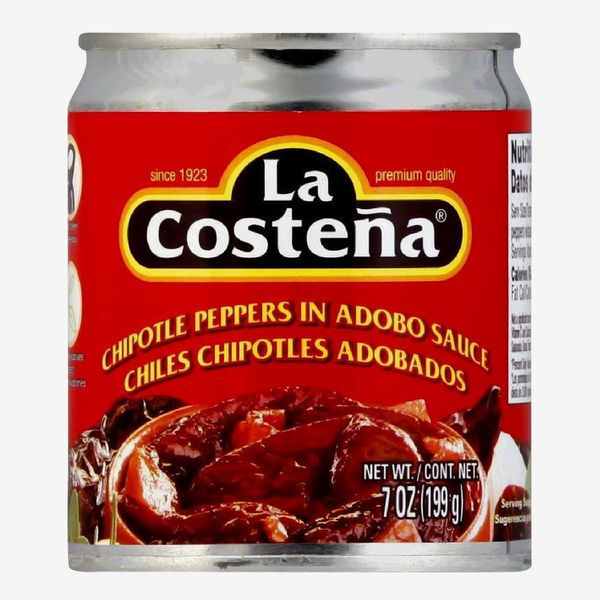
Adobo sauce is a miracle ingredient. It tastes like a sauce that has been simmered for hours. You get the flavor of the smoked jalapeño, the heat, and a rich sauce all in one. You can stir a tablespoon into a quick fresh salsa and it immediately tastes like it was cooked all day. If it’s the middle of winter and you want barbecue flavor without firing up a grill, make a sauce using chipotles in adobo. You get that smoky, charred flavor and heat right out of the oven.
More From The Strategist
- Hark, the Advent Calendars Arrived (Very) Early This Year
- The Best Things Strategist Editors Have Bought This Year (So Far)
- 63 Things You Should Never Buy Full Price
- The Strategist Fall 100
The Strategist is designed to surface useful, expert recommendations for things to buy across the vast e-commerce landscape. Every product is independently selected by our team of editors, whom you can read about here. We update links when possible, but note that deals can expire and all prices are subject to change.