How to Stock Your Medicine Cabinet Before the Start of the School Year

Now that back-to-school season is quickly approaching, it’s prime time to stock up on all your kid’s supplies. I know you’re on it with backpacks, lunch boxes, and clothes. But it’s smart to make sure your medicine cabinet and pantry are ready for the inevitable sick day, too. To help you feel more prepared, I spoke to six pediatricians who gave me all the basics in case of sniffles, fever, congestion, or a stomach bug. Before we get into the recommendations, it’s important to have your pediatrician’s number on hand in case your kid needs to go into the doctor’s office. “Parents should call their pediatrician if their child has trouble breathing, is not able to drink fluids, has severe vomiting, appears irritable or unusually sleepy, has a fever that goes away and then comes back again, or if symptoms last more than two weeks,” says Dr. Erin Wallace, a primary-care provider at Children’s Health. “When in doubt, it’s always appropriate to check in with your child’s doctor.”
Preventatives
New! You can now save this product for later.
New! You can now save this product for later.
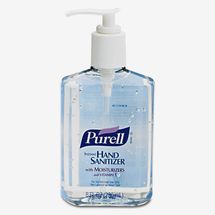
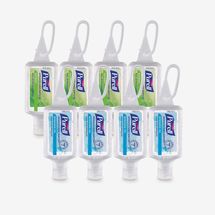
First thing’s first, there are a couple things you can do to steer clear of sick days. “Honestly, the best ‘preventative’ we have is vaccinations,” says Dr. Diane Arnaout, a pediatrician at Cook Children’s Pediatrics Forest Park. “Vaccinations prepare our immune system by teaching it how to create armies against the ‘bad guys.’” Aside from that, handwashing is key in preventing the spread of germs. While soap and water is the most effective, stocking your home with and carrying around alcohol-based sanitizer helps, too. Dr. Wallace recommends clipping a bottle to your kid’s backpack, so it’s always available at school.
New! You can now save this product for later.
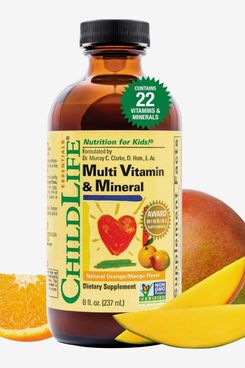
“As far as supporting a child’s immune system to do its absolute best during sick season, I think the most evidence-based approach to it is to focus on vitamins A, C, D, and zinc,” says Dr. Arnaout, a pediatrician at Cook Children’s Pediatrics Forest Park. She says vitamins are better absorbed through a good diet and lots of sunshine, but if a kiddo skips certain food groups (i.e., veggies) or isn’t able to be outside much, a good daily multivitamin can fill in the blanks nicely. Dr. Liel Grinbaum recommends this liquid multivitamin that’s a healthier alternative to gummies and mixes well into drinks.
New! You can now save this product for later.
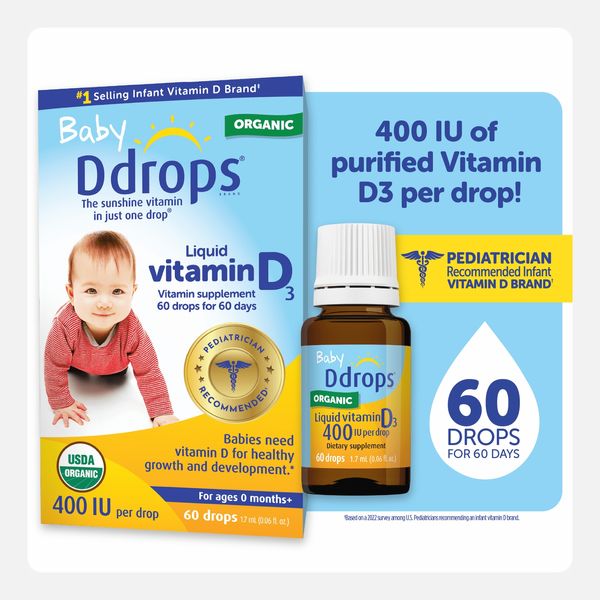
Dr. Grinbaum also recommends these vitamin-D drops for younger children. He likes that the formula doesn’t contain any sugar and it supports a strong immune system and bone development.
Expert recommendations for sick days
New! You can now save this product for later.
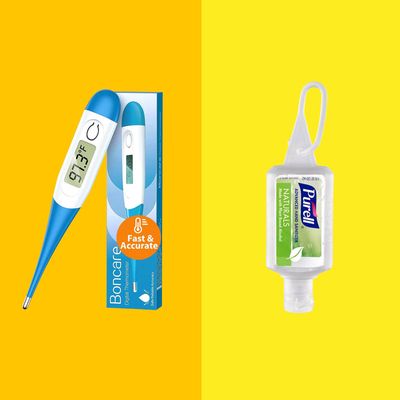
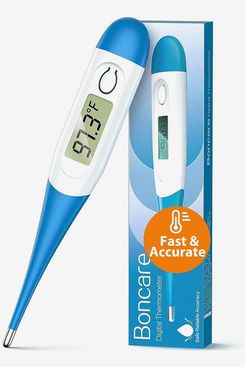
If your child does end up getting sick, first, it’s handy to have a high-quality thermometer on hand to monitor your kid’s temperature. Dr. Michael Glazier, chief medical officer for Bluebird Kids Health, says digital oral thermometers are generally the most accurate for older children (rectal thermometers are most accurate for children under 3 months). “Fever in and of itself does not cause harm and can be viewed as a sign that the body’s immune system is working,” Glazier says. “But it is helpful to know fever degrees and trends over time.”
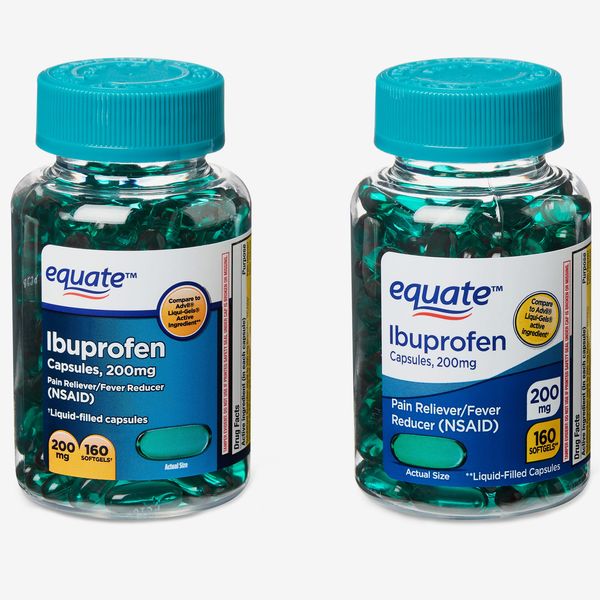
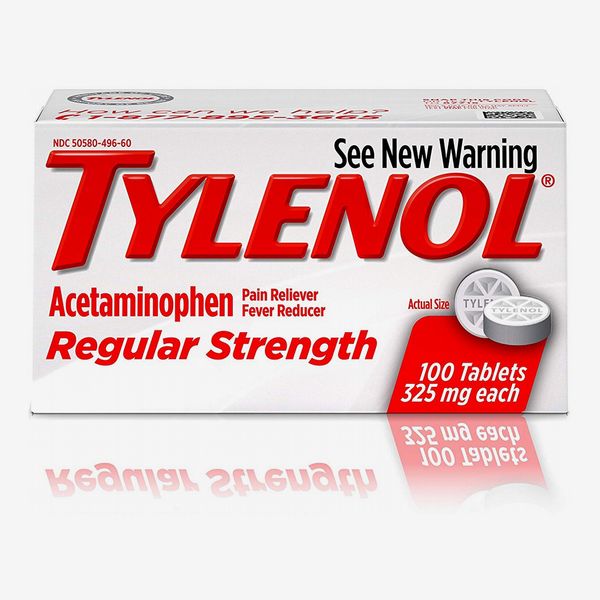
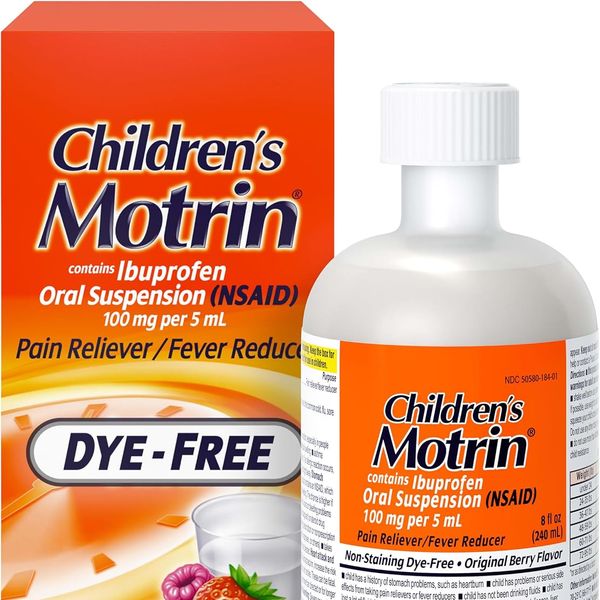
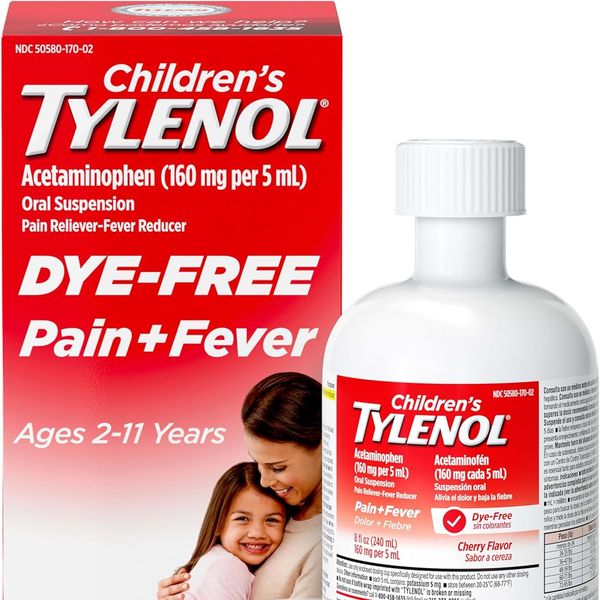
If your child is running a temperature, Dr. Arnaout says acetaminophen and ibuprofen help keep them comfortable. “I never really treat a number on the thermometer, but I do treat the child,” she says. “102 temp but comfortable on the couch? Let it burn. It’s doing its job. 99.5 temp and miserable? Give medicine.” Both medicines come in liquid, chewable, and pill options, and all are good depending on your kid. Liquid is usually the most practical option for infants, toddlers and grade-school children, since you can dose it precisely based on your kid’s age and weight. Older children in middle and high school are typically okay to take pills and the dosage is generally safe for their age range.
New! You can now save this product for later.
New! You can now save this product for later.
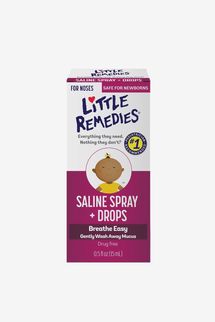
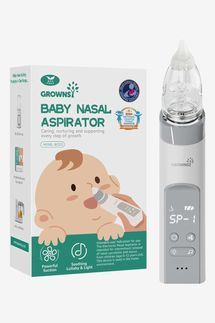
“Little noses often get gummed up with viscous nasal discharge, which can make it difficult for them to sleep and/or eat comfortably,” says Dr. Gary Kirkilas, a pediatrician at Phoenix Children’s, who offers a few tips depending on the kid’s age. For toddlers and younger kids, nasal saline drops followed by gentle suction with a bulb syringe or nasal aspirator can provide significant relief. For older children, a saline nasal spray used before blowing the nose can help loosen thick secretions, making them easier to clear.
New! You can now save this product for later.
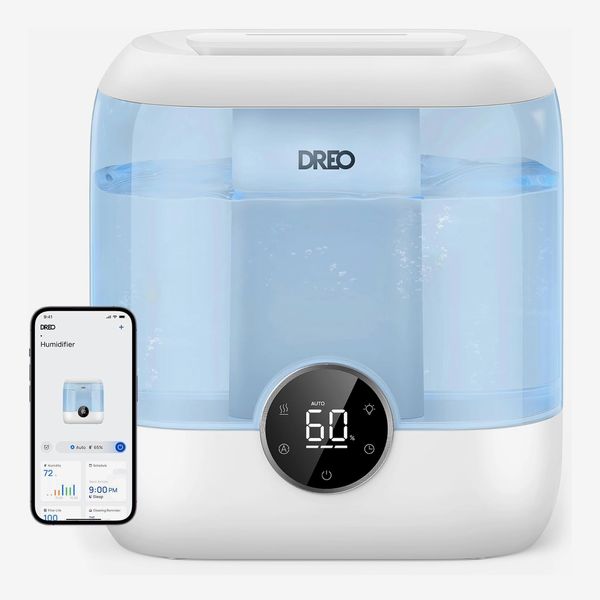
Another helpful tool to help break up stuffy noses: a cool mist humidifier. Adding moisture to the air helps keep congestion thinner and easier to clear and relieve dry throats, which in turn can improve sleep. Plus, Dr. Jessica Klein, a board-certified pediatrician and medical adviser to Barrière adds that a humidifier (or simply opening a window) can reduce the concentration of viruses in shared spaces. She mentioned studies showing that dry indoor air allows viral particles to linger and spread more easily, while maintaining indoor humidity between 40 to 60 percent can decrease their survival rate.
New! You can now save this product for later.
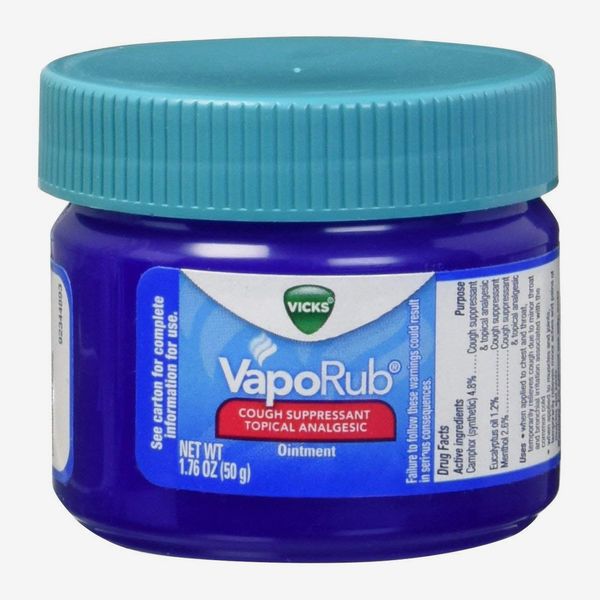
For a topical treatment, Dr. Wallace recommends rubbing a mentholated ointment, like Vicks VapoRub, on top of the chest. The vapors help with both congestion and suppressing a cough, while the menthol and camphor produce a sensation that’s soothing.
New! You can now save this product for later.
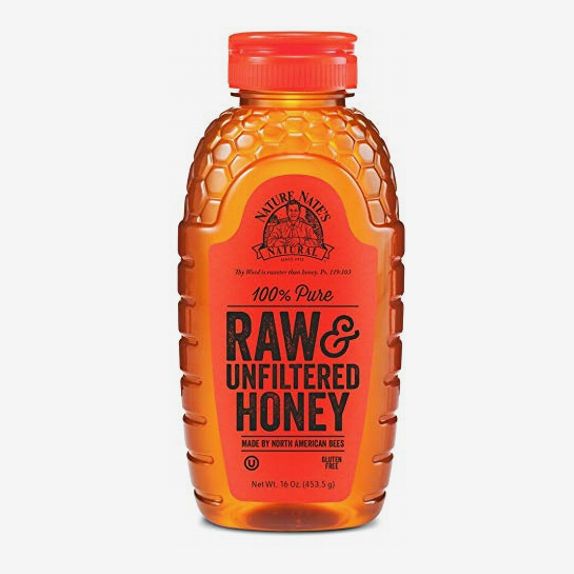
Honey’s another cheap and easy at-home remedy, either by itself or mixed into warm water or tea. (Note, though, that honey should only be given to kids older than 1 year old.) “It can provide excellent relief for sore throats and coughs,” says Dr. Kirkilas. “In fact, studies have shown honey can be just as effective as many over-the-counter cough medicines.” To that last point, it’s recommended that kids under the age of 4 avoid over-the-counter cold, flu, and cough medications, says Dr. Klein, so this is a nice alternative.
New! You can now save this product for later.

New! You can now save this product for later.
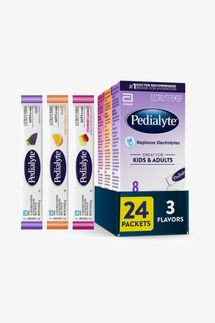
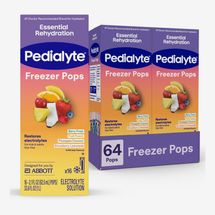
If they have an upset stomach or stomach flu causing vomiting and diarrhea, it’s important to replace lost electrolytes. Stick with Pedialyte or formulas specifically for children, Dr. Glazier says, since other sports drinks and mixes typically have higher sugar loads in them. Small sips every 15 to 20 minutes is key, says Dr. Arnaout. And to help stubborn kids get the electrolytes they need, Dr. Klein recommends keeping the popsicles on hand.
New! You can now save this product for later.
New! You can now save this product for later.
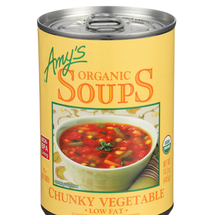
Amy’s Organic Soups Chunky Vegetable
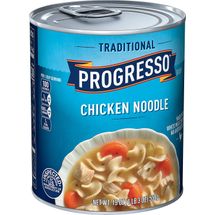
Soup is helpful to have around for kids that maybe can’t stomach a full meal or solid foods. Broth provides fluids, electrolytes, and easily digestible nutrients that can help maintain hydration and energy during illness, says Kirkilas.
More back-to-school essentials
More From The Strategist
- Hark, the Advent Calendars Arrived (Very) Early This Year
- The Best Things Strategist Editors Have Bought This Year (So Far)
- 63 Things You Should Never Buy Full Price
- The Strategist Fall 100
The Strategist is designed to surface useful, expert recommendations for things to buy across the vast e-commerce landscape. Every product is independently selected by our team of editors, whom you can read about here. We update links when possible, but note that deals can expire and all prices are subject to change.