The Best Gear for Babyproofing, According to Child-Safety Experts

In this article
Once babies are mobile — whether they are scooting, crawling, or full-on walking — it gets harder to keep them safe. Babyproofing your home will help protect them from sharp corners, choking hazards, poisonous chemicals found in cleaning supplies, electrical outlets and cords, heavy furniture that can tip over, and dangerous falls. A lot of the time, all you have to do to babyproof a room is remove hazardous objects or place them out of reach. But for the things you can’t easily move or change, like a steep staircase or the toilet (a drowning risk!), there are a handful of truly essential products that will help ensure your home is as safe as possible.
To help you avoid spending money on gadgets you don’t actually need, I talked to babyproofing experts about the best baby gates, cabinet and toilet locks, furniture anchors, corner protectors, outlet covers, and more. I specifically asked them to recommend products that are both effective and easy for parents to use so they won’t be abandoned in a moment of frustration. I also asked for advice on vetting babyproofing products generally: According to Holly Choi, a child-injury-prevention educator and co-founder of Safe Beginnings, many products marketed for babyproofing aren’t actually child safe, like soft foam corner protectors kids can easily take a bite out of or too-small outlet covers that can become a choking hazard. Buying from a reputable brand that specializes in child safety is the best place to start. All babyproofing products should also meet safety standards established by ASTM International; formerly known as the American Society for Testing and Materials, the organization issues guidance for a wide range of consumer products, from toys to disposable face masks.
Updated on February 10, 2026
I added several new products including a retractable baby gate, nice-looking silicone latches and corner guards, and two different pinch guards for doors. I also made sure all these products are currently available with up-to-date pricing.
Baby gates
“I always say to people that what we’re trying to do is prevent a serious injury. We can’t realistically shield our children from every single bump and bruise,” says Choi. With that in mind, the first thing she recommends is putting hardware-mounted baby gates at the top and bottom of all stairs.
New! You can now save this product for later.
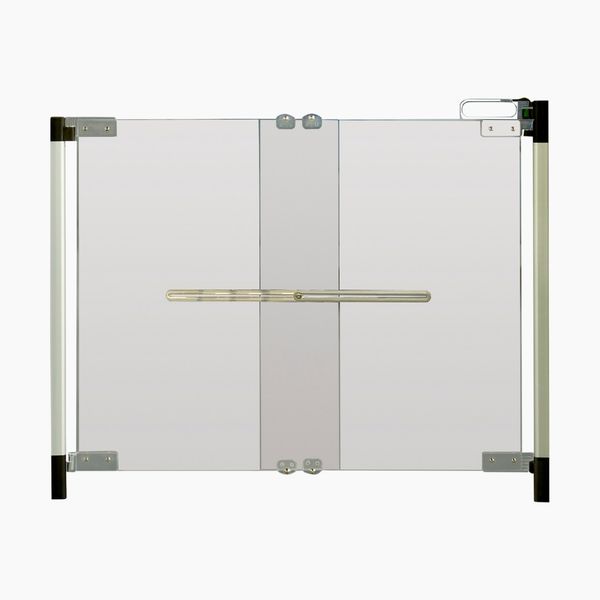
“If you’re placing something at the top of the stairs, it has to be hardware mounted, meaning it has to be screwed into something,” Choi says. This type of baby gate takes a bit more work to install — it’s most sturdy when attached to a banister post or wall stud — but Choi considers it a nonnegotiable. While pressure-mounted baby gates may feel secure, Choi says it’s not difficult for little kids to dislodge them and go flying down the stairs; she adds that falling downstairs with a baby gate can be even more dangerous than just falling down the stairs. Hardware-mounted gates also prevent a trip hazard because they don’t have the lip that runs along the bottom of a pressure-mounted gate. This hardware-mounted gate, from the brand QDOS, is a favorite of Choi’s because it meets ASTM standards for safety gates, is easy to use, and is nicer looking than a typical baby gate.
New! You can now save this product for later.
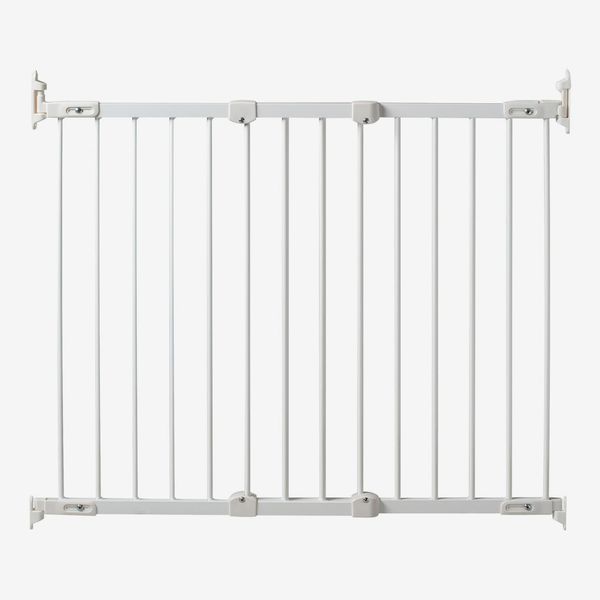
There are also angle-mounted baby gates, which are similar to standard hardware-mounted gates but can be installed at an angle. This is incredibly helpful if you have a post at the end of the banister that is not exactly in line with the stud in the opposite wall. Choi recommends this one from KidCo, also available in black.
New! You can now save this product for later.
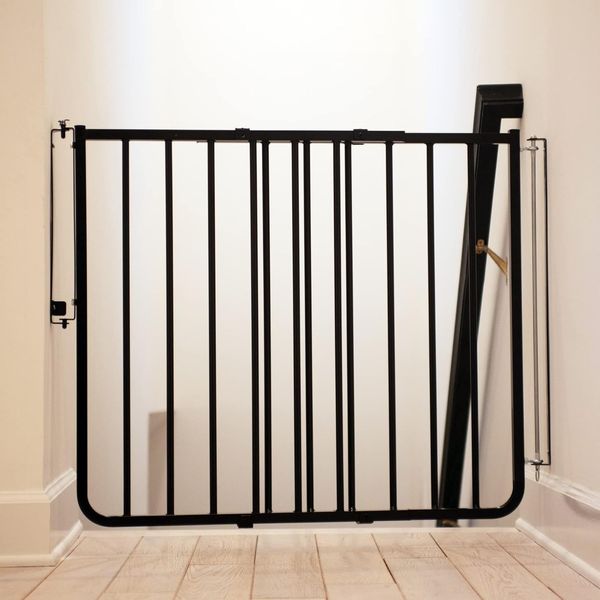
This gate, which can also be mounted at an angle, comes recommended by Ben Norment, CEO of Stork Exchange and a father of three. He has been using it since his oldest child, now 5, was a baby. “It opens and closes easily, even one-handed, which is huge — particularly if you’re carrying a baby in the other hand,” he says. Norment likes how the gate kind of disappears since the black metal matches the black banisters in his house. You can set it up to swing in both directions or add a stopper on one side to make it open only one way.
New! You can now save this product for later.
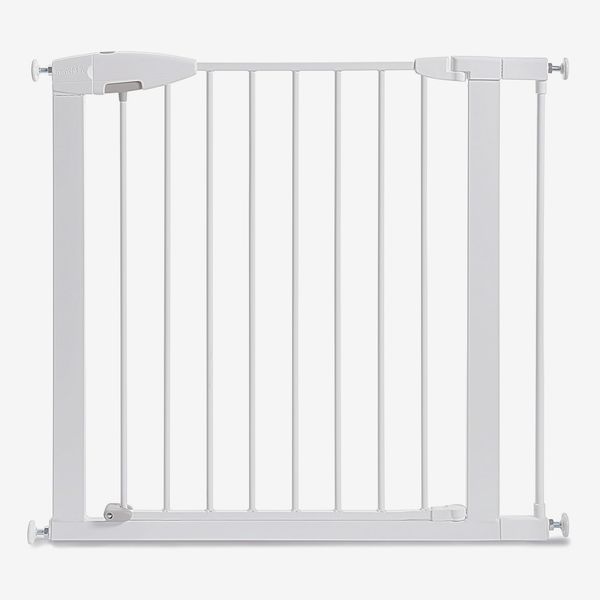
If there isn’t a fall risk and you’re just dividing two spaces on the same level, it’s fine to use a pressure-mounted baby gate — say, if you have a galley kitchen and you’re trying to keep curious kids away from the stove and out from underfoot. That said, no matter what type of gate you’re getting, it needs to meet the ASTM standards for safety gates for babies. Choi points out that it can be difficult to differentiate between a baby gate and a pet gate, noting that baby gates are okay for pets but not vice versa. For example, some gates have a small door at the bottom that you can swing open for a cat to walk through. Such openings are not safe for kids because they leave room for a child to be trapped or strangled. When shopping for baby gates, Choi stresses, always choose a brand with a focus on products for babies and children, such as the baby brand that makes this gate: Munchkin.
New! You can now save this product for later.
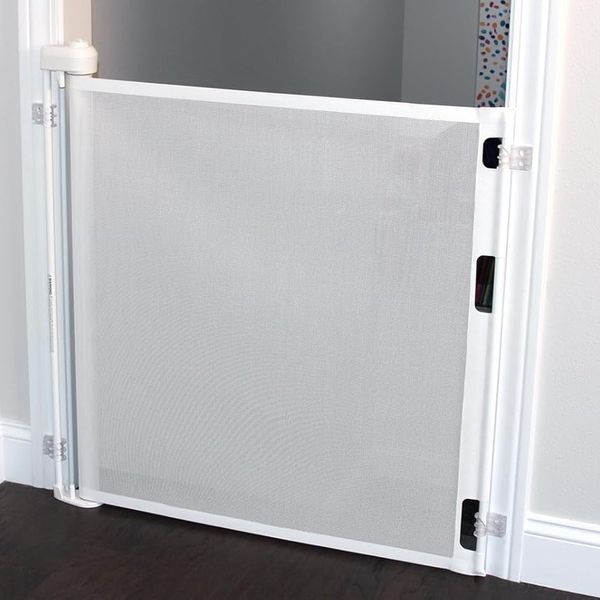
Strategist senior writer Lauren Ro has used three of these retractable mesh baby gates in her house for the past seven years. She likes that they aren’t bulky and says that when they’re open and not in use, the hardware and housing kind of blend into the wall. Once they are pulled closed and the spool side is locked, the gates stay tightly stretched and secure, even if her kids, now 6 and 3, push on the mesh part. The gates are certified by the Juvenile Products Manufacturers Association, which conforms to ASTM standards.
Furniture anchors
Furniture that isn’t properly anchored is one of the largest hazards kids face at home and one a lot of people don’t think about. It can be a pain to do, especially if you’re renting and don’t want to put holes in the walls. But as Choi puts it, “Kids are fast, and it is truly shocking how little leverage it takes to pull down one of those really heavy dressers.” Her rule of thumb is that anything taller than it is deep and anything with two or more drawers needs anchoring. The one exception is cribs because they are specifically designed not to tip.
New! You can now save this product for later.
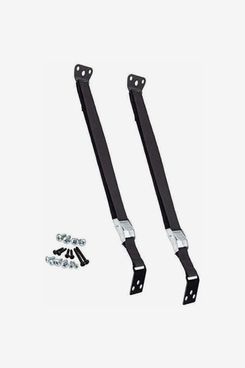
To appropriately secure a piece of furniture, anchors have to be screwed into a stud. You shouldn’t use drywall anchors because they aren’t designed to hold the weight of a piece of furniture plus a child. For this reason, both Choi and Carlos Sanchez, owner of Brooklyn Baby Gates, recommend furniture anchor straps that give you the flexibility to hit a stud no matter where it falls in relation to your furniture placement. These nylon straps were designed by a certified professional childproofer from the International Association for Child Safety. They can be tightened and loosened in case you need to move the piece of furniture or get behind it to retrieve something you dropped.
New! You can now save this product for later.
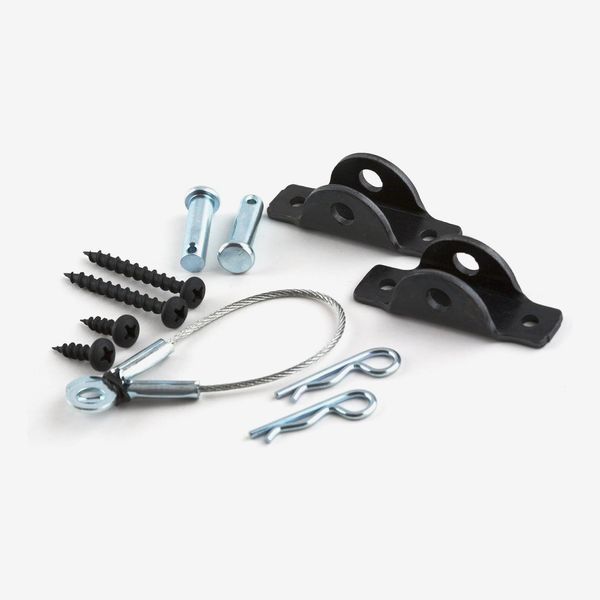
Norment likes this kit that similarly lets you anchor furniture to a stud even if that stud isn’t directly lined up with your bookshelf or dresser. “Anchoring furniture is one of the things I care deeply about, and I’ve always been really diligent about it,” he says, noting that it has become only more important as his kids have gotten older and started trying to climb things to reach something they want. He uses this specific kit, which comes with a steel cable, pins, and brackets. As with the nylon anchors above, you can undo the cable by removing the pin if you need to get behind your furniture or move it for some reason.
Smoke detectors and fire extinguishers
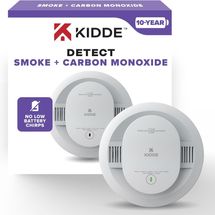
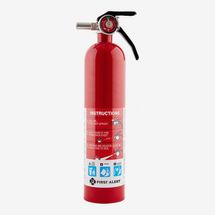
Smoke detectors and fire extinguishers aren’t typically considered babyproofing gear, but Sanchez says if you aren’t using them, you are neglecting two of the most important safeguards in your home. He recommends adding a smoke-and-carbon-monoxide-detector combo to every room in your house. This one from Kidde has a long-lasting, ten-year lithium battery, which makes the higher price point worth it. He also suggests always having a fire extinguisher at the ready and keeping it in a place where all adults and caregivers can find it.
New! You can now save this product for later.
New! You can now save this product for later.
Locks and latches
New! You can now save this product for later.
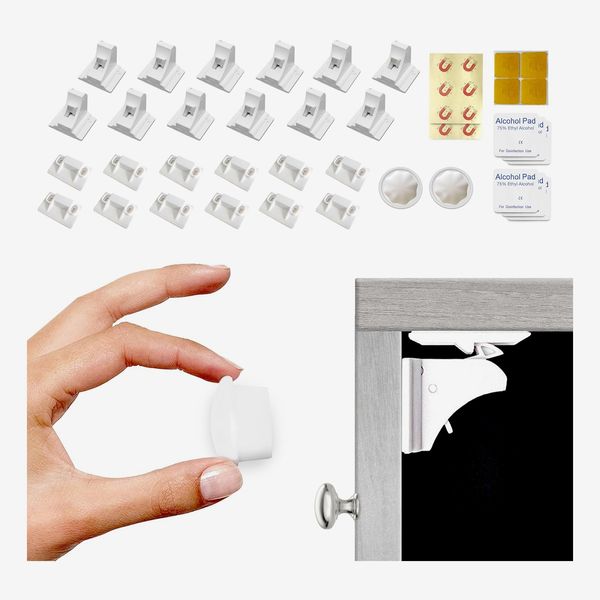
Because they are harder to open and concealed, magnetic cabinet locks have become the most popular choice for locking cabinets and drawers so curious little fingers can’t get in. But they require a key to use, which can slow you down when you’re cooking or cleaning. And as I have learned the hard way, the key can get lost. Because of this, they are best used for the most dangerous stuff (cleaning supplies) or cabinets you don’t need to open all that often. I used this set of magnetic locks in my kitchen and bathroom cabinets until my son was around 3 years old and we changed up our babyproofing gear after moving to a new apartment. They are easy to install and can be used at the top of the cabinet door or along the side, which is helpful if you have cabinets without an inner frame.
New! You can now save this product for later.
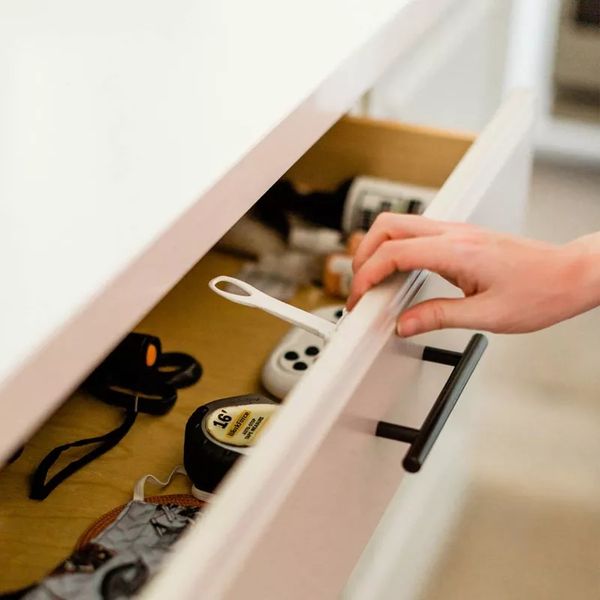
Qdos Sure Catch drawer latches
In high-traffic spots where magnetic locks are too tedious, finger-latch locks come in handy. You install them near the opening of a drawer or cabinet, and to operate them, you just push down on the latch to release it. The only downside is that some kids will learn how to use them quicker than you think, so it’s best to avoid letting them see how you’re getting into everything.
New! You can now save this product for later.
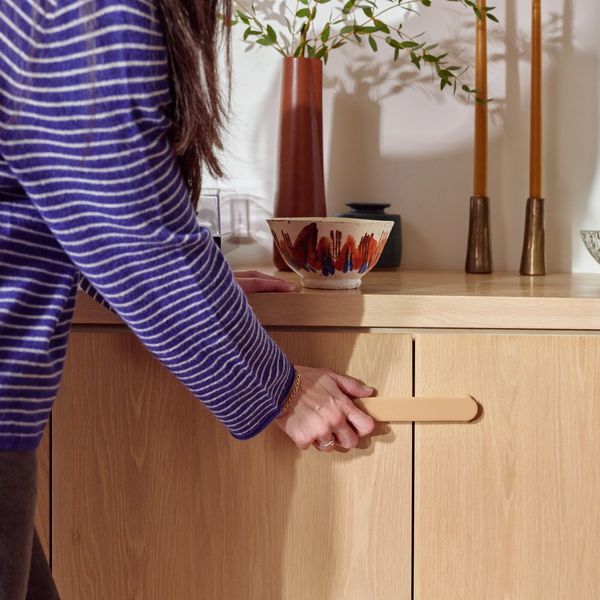
During a recent apartment move, I swapped my old magnetic cabinet locks for these multipurpose strap locks from a newer babyproofing brand called Pom. It’s the first I have encountered that specifically designs babyproofing products that look nice. Now that he’s 3, my son doesn’t try to open every cabinet anymore, so I’m using these straps only under my kitchen sink where I keep cleaning supplies. But because they’re made of a flexible soft silicone material, they can be helpful in a variety of situations — to hold a garbage can closed, to secure refrigerator or dishwasher doors, or to wrap around the corner of a dresser drawer. They are easy for my husband and me to open quickly by pushing the button at the top of either end, and they don’t have the usual clunky look. Pom also makes nice-looking outlet covers and corner guards.
New! You can now save this product for later.
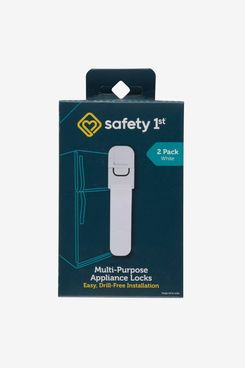
These multipurpose babyproofing straps from Safety 1st are similiar to the ones from Pom, above. Choi likes that they are flexible enough to be used around corners and are easy for adults to lock and unlock. And when it comes to appliances like ovens or washing machines, she shares a tip: “Depending on how old your oven is, there is sometimes a door-lock button on the control panel. It’s not always well labeled but should have a little lock symbol on it. The same goes for washing machines.”
New! You can now save this product for later.
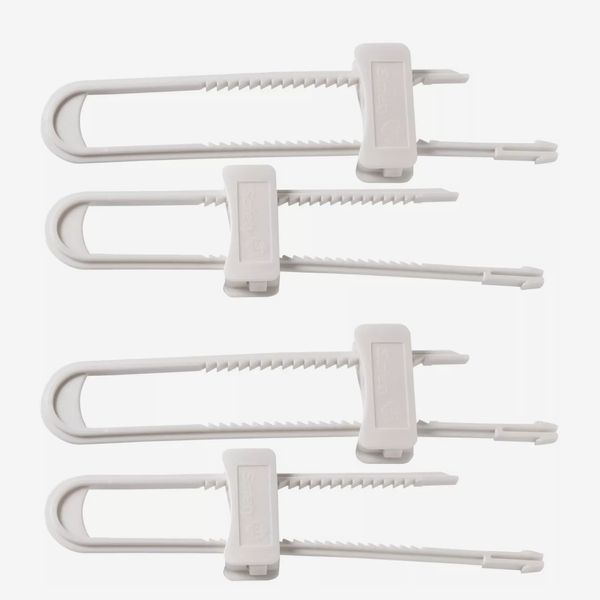
Safety 1st Cabinet Slide Locks
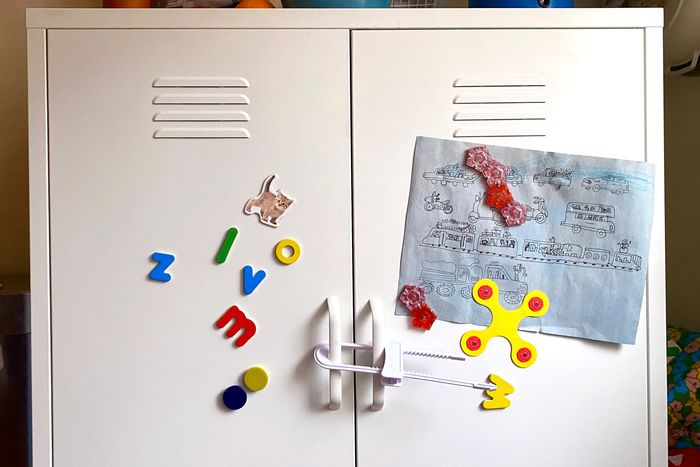
For traveling to see grandparents or to an Airbnb, Choi recommends packing these sliding locks that loop around two door handles or knobs and then “zip” shut. “I’d keep those in a diaper bag so if you end up at grandma’s place and she’s got no locks on her kitchen cabinets, you could just pop one on,” she says. I also use these locks at home on furniture I want to protect from the adhesive or hardware necessary to install many babyproofing devices. Although they won’t work in every scenario and aren’t the nicest-looking option, they are versatile to have around.
New! You can now save this product for later.
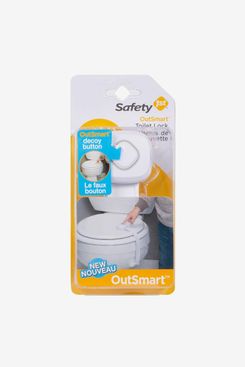
It may seem far-fetched or easy to avoid, but Choi emphasizes that toilet drowning is a real risk and that it can happen in as little as 30 seconds. “Because children carry 30 percent of their body weight in their head until they are 1, and 25 percent of their body weight in their head until they are 2, they’re basically little bobbleheads,” she explains. “So if they fall into the toilet and don’t have their feet on the ground, they can’t leverage themselves out.” This is the lock I kept on my toilet from the time my son was pulling up and cruising until he was about 2 years old. I like that it has a decoy button to confuse curious toddlers.
Outlet covers
New! You can now save this product for later.
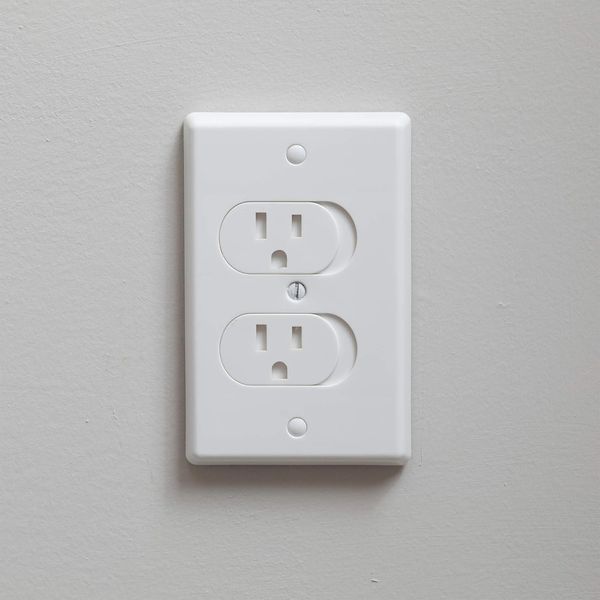
Covering electrical outlets is a more obvious part of babyproofing, but not all outlet covers are created equal. You want something that doesn’t draw more attention to the outlet, is hard for children to remove, and isn’t so small as to pose a choking risk. Sanchez likes these self-closing covers that make it nearly impossible to forget to put the cover back and can’t be misplaced when the outlet is in use. They install in place of the regular wall plate and automatically slide closed over the socket holes when something gets unplugged.
New! You can now save this product for later.
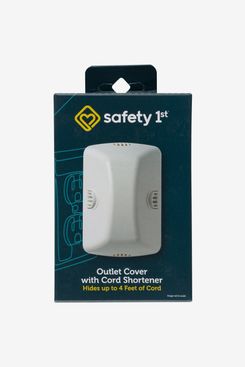
Or you could get one of these boxes to cover any outlets that are in constant use, along with the plugs for whatever’s plugged into them. I am about to transition my son from a crib to a toddler bed and will need to do a new round of babyproofing in his bedroom, paying special attention to cords and outlets. This combination outlet cover and cord shortener takes care of both hazards at once.
New! You can now save this product for later.
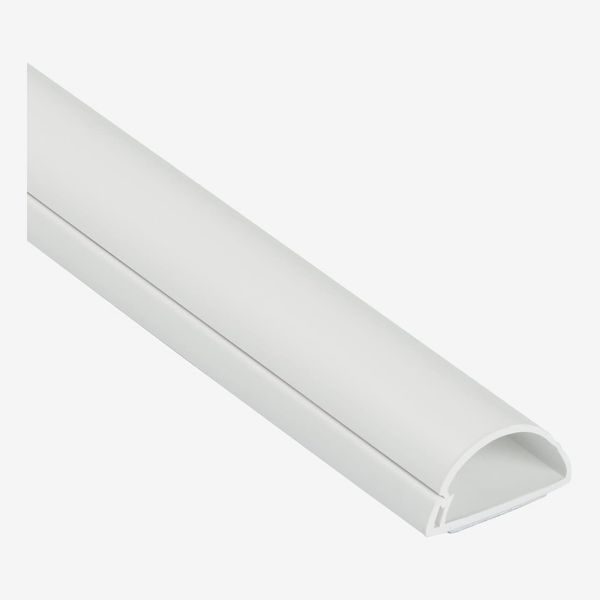
Norment suggests using long cord channels like this one to cover loose cords from lamps, humidifiers, and baby monitors. He particularly likes the ones with adhesive on the back as they are the easiest to install and come in lots of different configurations, colors, and lengths. He also keeps a large assortment of zip ties on hand because they are impossible for a toddler to undo and can be used in a pinch to bundle up cables and cords before hiding the bundles behind furniture.
Corner guards
New! You can now save this product for later.
Corner Protector for Baby
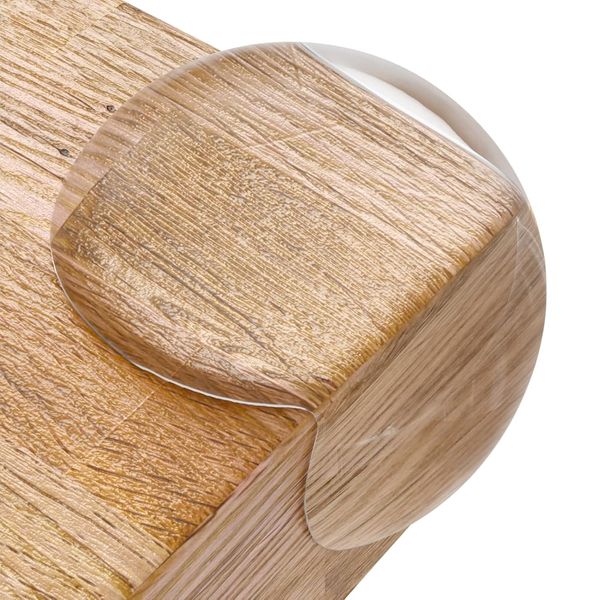
Corner guards can save you a trip to the emergency room during the learning-to-walk phase. They’re also helpful for energetic toddlers who like to climb and whose heads are just reaching counter height. If possible, Sanchez advises, choose furniture without sharp corners, especially on coffee tables, as they can pose significant risk to children’s eyes. He also suggests avoiding metal, glass, marble, and ceramic tabletops or placing furniture made from those materials in storage for a while until your baby masters moving without bumping into things. These corner protectors are the ones writer Bess Kalb uses at home to protect her more adventurous second child from sharp corners. They are made of a soft plastic material that is safer than foam because kids can’t bite through it.
New! You can now save this product for later.
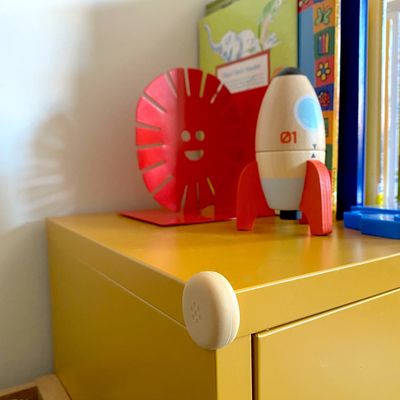
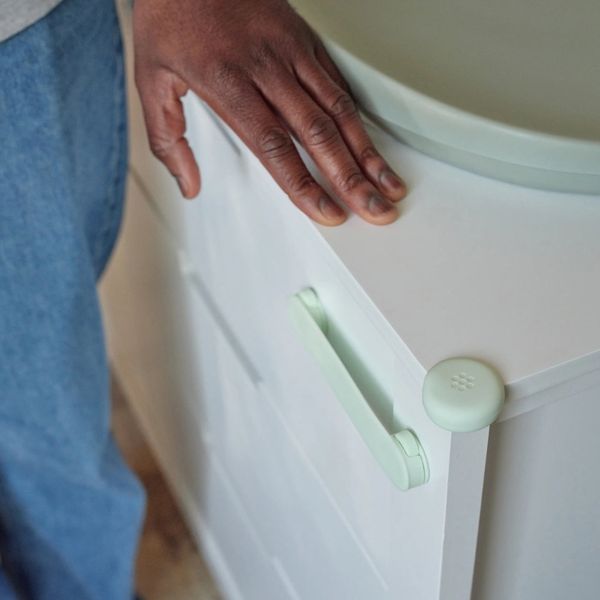
These corner protectors from Pom serve exactly the same function as the clear plastic ones above, but they look even nicer doing it and can be used on the top or side of a corner. They’re also a safer material (silicone versus PVC) for babies and toddlers who may try to chew on them. I have the Oak color, which matches a mustard-yellow cabinet very well but also looks nice on light-colored wood. They also come in black, white, and minty green.
New! You can now save this product for later.
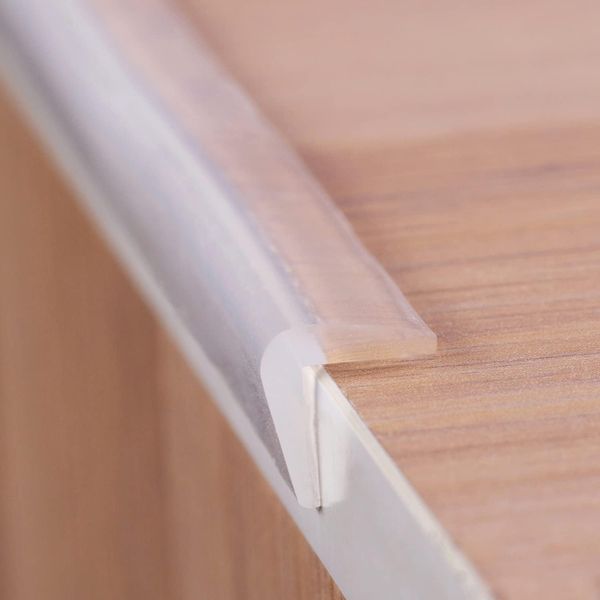
For table and counter edges, Choi recommends silicone guards instead of the commonly used foam bumpers, which kids can easily tear or take a bite out of. This type of edge guard can also be useful along the top of cribs to keep babies from chewing on the wooden rails while teething.
Pinch guards
New! You can now save this product for later.
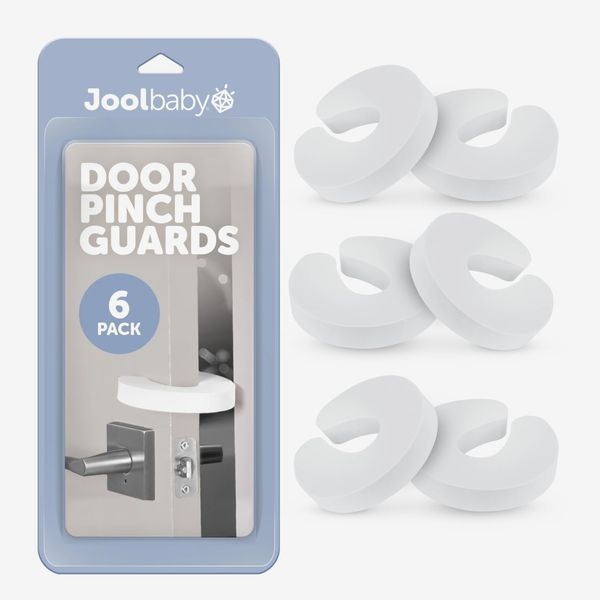
Jool Baby Door Pinch Guards
Now that my son is stronger and more coordinated, he has discovered a love of slamming doors. So when I saw his preschool classroom has these on every bathroom door, I went home and bought a set of my own. They’re not attractive, but they do keep me from worrying about his fingers getting smashed.
New! You can now save this product for later.
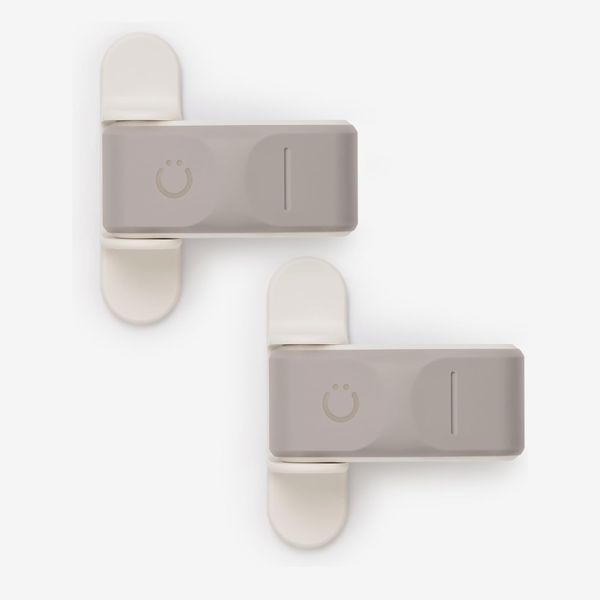
This set of nicer-looking pinch guards from Ubbi also keeps little fingers safe from slamming doors, and toddlers from accidentally locking themselves in a room. They also conveniently flip open and close so you can decide when to use them without having to stash them somewhere when they’re not in use.
The Strategist is designed to surface useful, expert recommendations for things to buy across the vast e-commerce landscape. Every product is independently selected by our team of editors, whom you can read about here. We update links when possible, but note that deals can expire and all prices are subject to change.