The 7 Kitchen Tools I Bought After Interviewing 100 Chefs
Save this article to read it later.
Find this story in your account’s ‘Saved for Later’ section.
On the most basic level, restaurants offer the undeniable convenience of not having to worry about meal planning, grocery shopping, or an end-of-night pile of dirty dishes. But at their best, they create an experience where, for a couple of hours, your only job is to eat delicious food and enjoy the company of whomever you’re with. There’s no thinking about what went into a stunning dish or the immaculate vibes — it just happens. But of course that’s not true: The tools the pros use can play important supporting roles.
In writing Eater’s debut cookbook, Eater: 100 Essential Restaurant Recipes, I spoke with more than 100 chefs, bartenders, sommeliers, restaurateurs, and other industry insiders about how to bring restaurant-level expertise into readers’ home kitchens. Accessibility was our top priority, which is why whenever someone mentioned a unitasker or niche tool, we talked about why it might be worth investing in for the average cook.
With that in mind, here are seven expert-endorsed specialty items that will bring a more professional approach — in efficiency, consistency, and style — to the way you cook, serve, and dine at home.
New! You can now save this product for later.
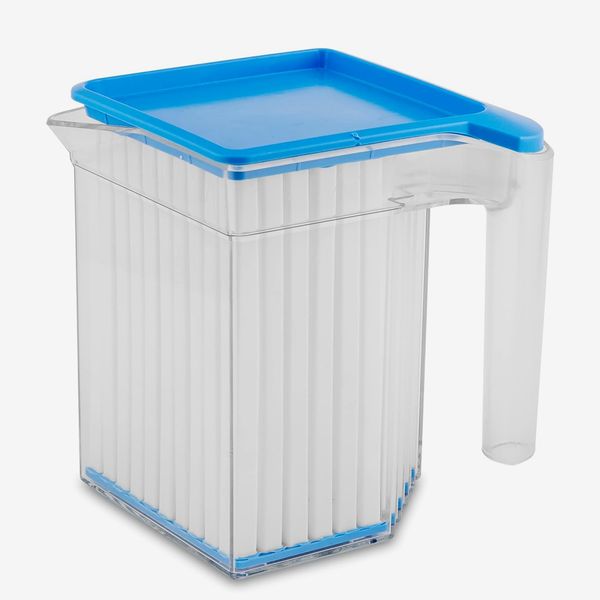
Unlike other home cold-brew methods that slowly extract over 24 hours, the Coldwave takes piping hot, freshly brewed hot coffee and chills it in just 90 seconds. This is, of course, amazingly convenient, but Yez Plz Coffee founder Sumi Ali, who recommended the pitcher, says it actually makes a better-tasting cup, too. “Cold brew has great body and natural sweetness,” he says. “However, it takes the uniqueness out of some coffees. But if you brew it hot and then use a Coldwave chiller, it really shows off the coffee you have.” You can use the pitcher to quickly chill room-temp wines and beers as well as coffee or tea.
New! You can now save this product for later.
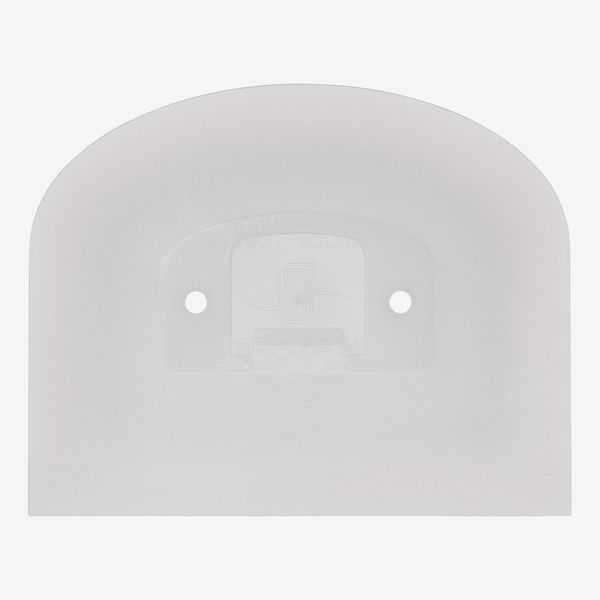
Miller Union chef Steven Satterfield and Downtime Bakery baker (and former Eater editor) Dayna Evans both put a scraper on their lists of pastry musts in the cookbook for its ability to level off measured flour, portion dough, and scrape sticky remnants off the counter. But I’d recommend it because a bench scraper is super-handy for nonbakers, too. Instead of using the flat part of your knife to pick up ingredients like diced carrots or minced garlic from your cutting board, use this. It’s more effective because of the larger surface area, and it spares you from dulling or accidentally damaging your blade (or fingers). I use mine to get the last bits of sauces and dressings out of mixing bowls, too, and I have my toddler use it to practice slicing softer foods like bananas.

New! You can now save this product for later.
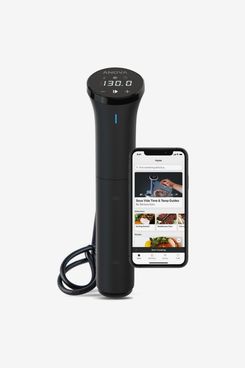
One of the most famously restaurant-y techniques is also one of the most seemingly intimidating: sous-vide cooking, or submerging food in a sealed plastic bag into temperature-controlled water so it heats through with unmatched precision. It’s actually easier at home than you might think. This model from Anova, which came up most among the chefs I talked to, is easy to use, has an intuitive companion app, and is good value considering how expensive these kinds of tools can get. (Breville’s Joule, which is probably the most known circulator among home cooks, is more than double the price.)
Petite Peso chef Ria Dolly Barbosa relies on hers for batch-poaching eggs; you can do the same to make your next Sunday brunch way less stressful (and without the risk that half might break or turn out overcooked). Recipe developer Louiie Victa, who worked on adapting and testing recipes for the Eater cookbook, has worked with Anova too and recommends it for its reliability. An at-home sous-vide setup will take the guesswork out of cooking meats to the proper temperature and make meal-prepping proteins a breeze (you can keep par-cooked meat in the bags longer than it would otherwise last in the fridge).
New! You can now save this product for later.
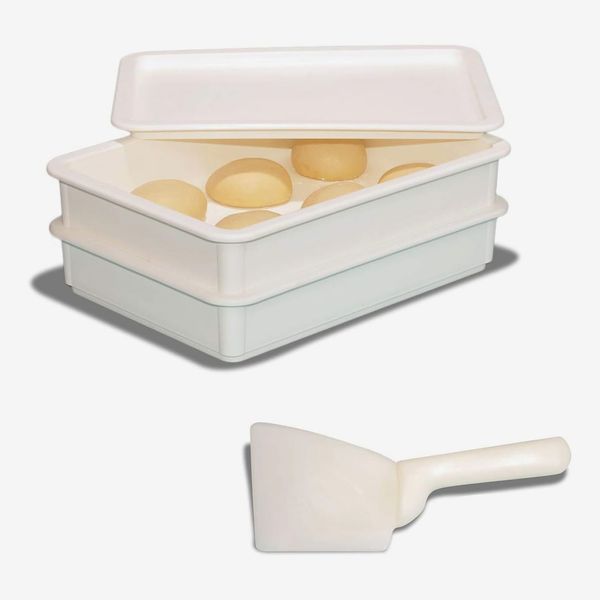
In the cookbook, some of the country’s best pizza-makers outlined the dough recipes, toppings, and gear you need to bring pizzeria style home. Some of the products are considerably expensive (like Gozney’s dedicated pizza oven) and some are better known (like a pizza stone to help direct heat in your kitchen oven). But Los Angeles pizzaiolo Daniele Uditi highlighted an unsung hero: the DoughMate proofing box. It’s a staple of professional kitchens that will set you up for success because the lids maintain an air-tight seal so your dough won’t dry out (imperative for stretching without ripping tons of holes). There’s also enough space to store multiple portions without letting them touch, ideal for a pizza party.
New! You can now save this product for later.
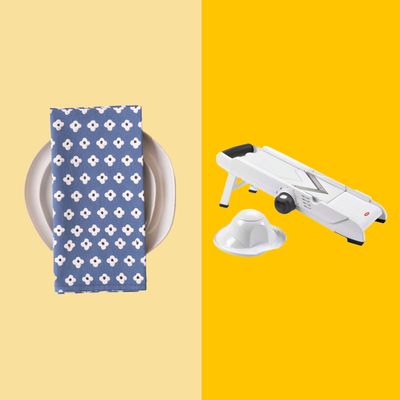
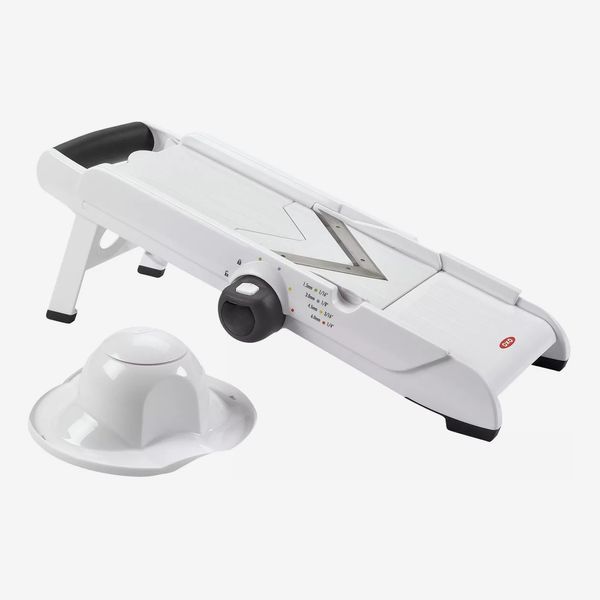
Uniform cuts make a dish look special (like the layers of paper-thin salt-roasted beets in Amanda Cohen’s beet carpaccio recipe that’s a plausible visual dupe for beef). But they also give a consistency to finicky ingredients (José Andrés uses one to slice garlic in his gambas al ajillo recipe so all the pieces cook evenly and at the same time). Still, mandolines can be intimidating for good reason: They’re sharp as all get out, putting a timid cook’s fingertips in peril. I like OXO best for beginners. Unlike a typical mandoline where you hold the bladed component with one hand and your ingredient in the other, this one can stand on its own and has sturdy rubber feet so it won’t slip around as you slice. It also comes with a holder to keep your fingertips entirely out of the process. The holder’s teeth sink well into food, even firm or slippery vegetables like potatoes. The rim is wide enough to protect your fingers and the handle is large enough that it’s comfortable to hold.
New! You can now save this product for later.
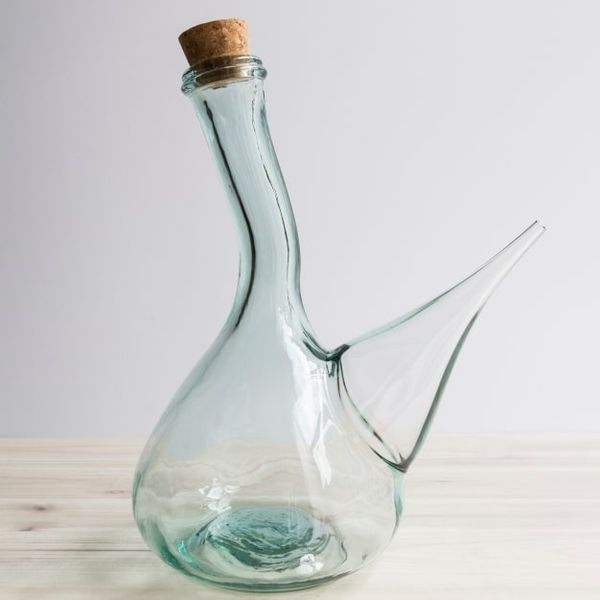
Miguel de Leon, wine director at New York City’s Pinch Chinese, uses a porrón at his restaurant and makes a compelling case for getting one at home, too: It makes any dinner party infinitely more fun. The Spanish drinking vessel, part pitcher and part straw, is made for sharing. Each drinker pours wine directly into their mouths — but no lips touch the spout. This can get a bit intense, which is why it works best with lighter varieties like piquet, txakoli, cava, or cider. (For a boozier party, you can do chilled red or even cocktails.) Nobody will be good at it right away — but that’s part of what makes it so entertaining.
New! You can now save this product for later.
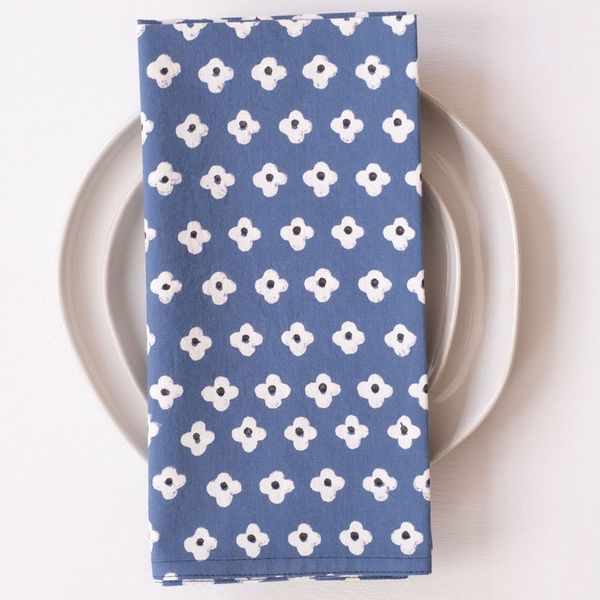
When I asked the pros how to make a home kitchen feel more like a restaurant, I heard one thing over and over again: Use the good stuff. The good ingredients. The good tools. The good linens. I picked up these gorgeous block-printed napkins on a restaurant-scouting trip to Louisville a few years ago but was only pulling them out for special occasions. In an interview for the book, Lil Deb’s Oasis chef Halo Perez-Gallardo told me something so simple about using even the most beautiful napkins that totally rewired my brain: “They’re meant to get dirty.” In that spirit, I now use my Graymarket napkins every night — and my table has never looked better.
Buy Eater’s cookbook

New! You can now save this product for later.
The Strategist is designed to surface the most useful, expert recommendations for things to buy across the vast e-commerce landscape. Some of our latest conquests include the best acne treatments, rolling luggage, pillows for side sleepers, natural anxiety remedies, and bath towels. We update links when possible, but note that deals can expire and all prices are subject to change.