I Tried the (Almost) Plastic-Free $800 Coffee Maker
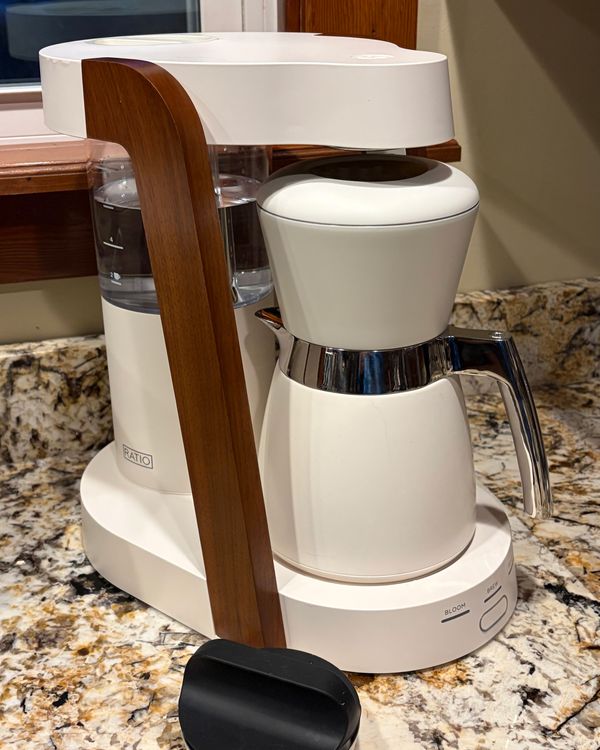
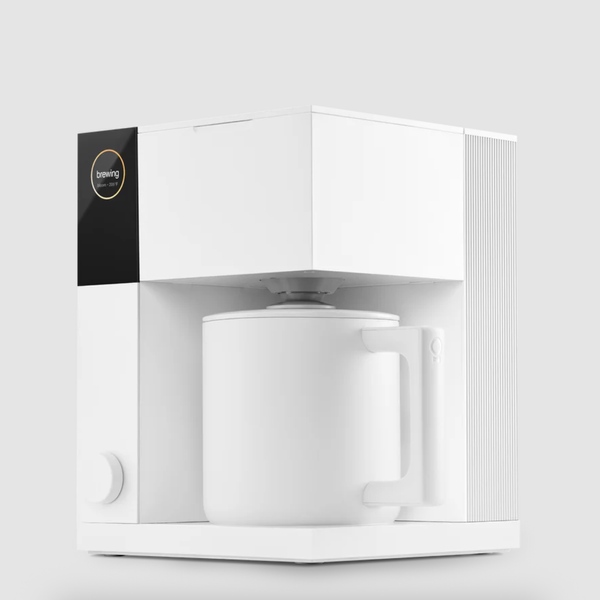
The Ratio Eight Series 2 is an exquisitely crafted appliance designed to deliver an uncompromising experience of a particular kind of morning coffee routine. While other machines prioritize convenience or brew quality, the Ratio emphasizes the ritual and craft of the coffee-making process. And if you place a great value on avoiding plastic exposure, it may even be worth the $800 asking price — as long as you don’t try to compare it directly with other high-end coffee makers. While most drip machines build upon the venerable Mr. Coffee automatic drip machine, the Ratio uses manual pour-over as its starting point, resulting in some unique and occasionally perplexing quirks.
New! You can now save this product for later.
It’s so close to being plastic free
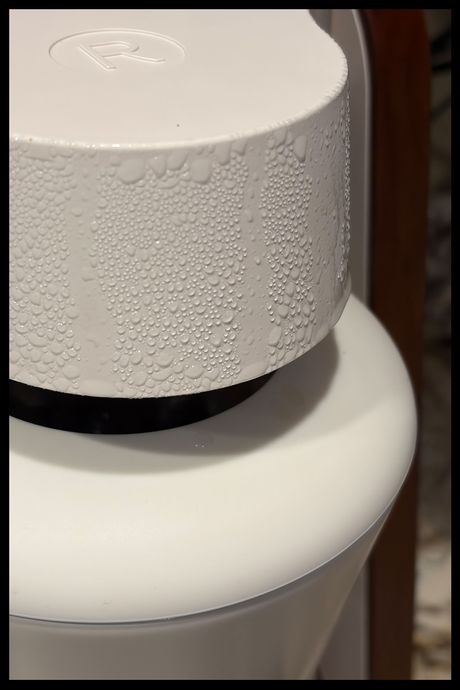
The good news is that every part of the machine that comes into contact with hot water or brewed coffee is made of glass, stainless steel, or silicone. The bad news is that the cold-water tank is made of Tritan, a well-regarded BPA-free polymer that is, nonetheless, still a plastic. While a previous version of the Ratio Eight offered a handblown borosilicate glass tank as an add-on, customer support explained that it had to be discontinued in 2023 owing to a combination of manufacturing and shipping difficulties as well as long-term reliability concerns. The external body panels are also made of plastic.
If avoiding all plastic is a top priority, a manual-brewing method involving a kettle is still your best bet — and I have plenty of recommendations for methods and gear in my plastic-free coffee-brewing guide.
It’s like a pour-over, for better or worse
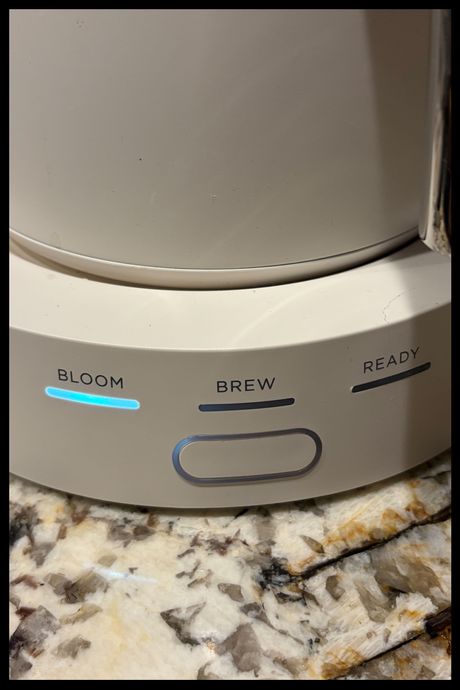
The Ratio Eight has two preprogrammed recipes that mimic the pauses and the pulsing pattern of a competitive barista making a pour-over. Pressing the touch-sensitive “brew” button starts the large-batch recipe, intended for batches of five cups or more. (Confusingly, the water tank is etched with only even-numbered cup measurements.) Holding the button for three seconds starts a small batch that uses less water per pulse. I found it satisfying to watch the stainless-steel showerhead dripping evenly from every hole to saturate the entire bed of grinds. After a brief warm-up period, I measured the water temperature exiting the holes at 198°F, which is right where it should be. The whole process takes about six minutes from start to finish, again in line with expectations.
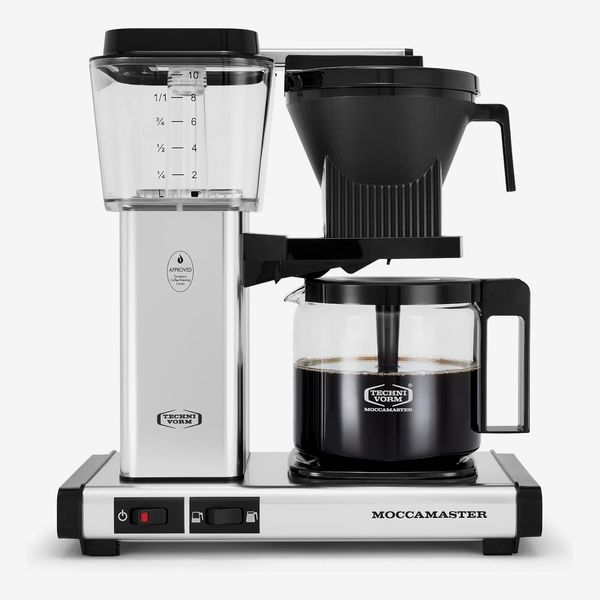
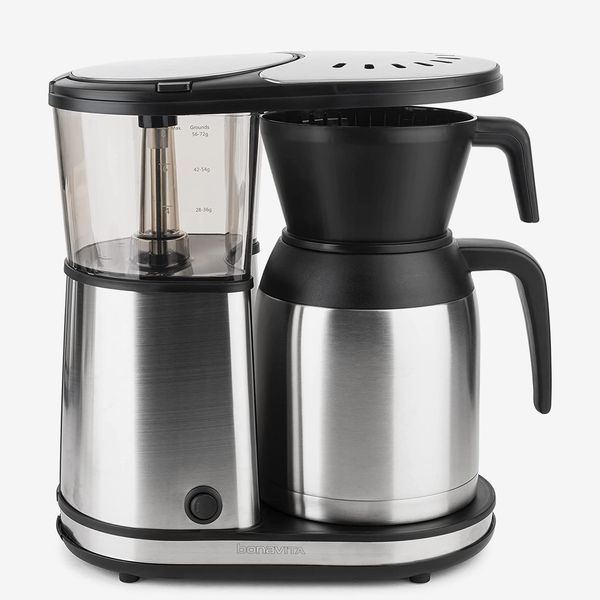
The resulting coffee was consistently tasty with the clarity and depth of flavor you would expect from a well-prepared pour-over or any other high-end coffee maker. Still, it was not perceptibly superior to that of any Specialty Coffee Association Gold Cup–certified machine, such as the Bonavita or Technivorm featured in our coffee-maker guide — either of which is significantly more affordable, if you don’t mind a bit of plastic being involved in the brewing process.
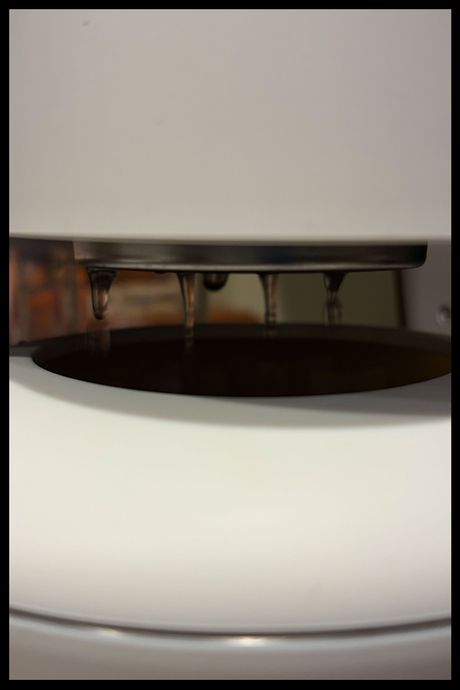
Much as in a manual pour-over setup, the Ratio’s double-walled stainless-steel brew basket rests directly on the carafe, and a silicone heat shield sits atop its rim. (The latter is not strictly necessary, but it improves flavor extraction by keeping the temperature higher and more stable.) Both must be removed and replaced with the lid before you can serve the coffee. This means the still-dripping brew basket either has to go directly into the sink or onto a drip-catching receptacle. Ratio includes a small stainless-steel bowl for this purpose, but it adds to the unit’s already large footprint. Similarly, the lid to the cold-water reservoir sits on top and must be removed and set aside to fill it.
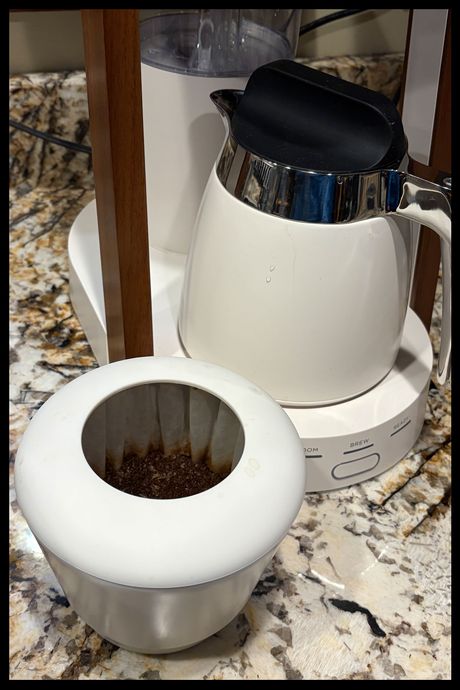
Ratio founder Mark Hellweg explained that these quirks are by design and meant to evoke the ritualistic process of making coffee by hand. Similarly, Hellweg said the Eight’s lack of a programmable timer function is intended to encourage people to use freshly ground coffee. As a bit of a coffee snob myself, I’m all for prioritizing freshness where possible, but it would still be nice to have the option to program the machine to brew the next morning when I need to catch an early flight.
Stick with black and get the glass carafe
If you’re seriously considering this machine, I would recommend the black version over the white. I initially tested a preproduction black unit, and it hid stains better. I also think it complements the reddish hardwood trim.
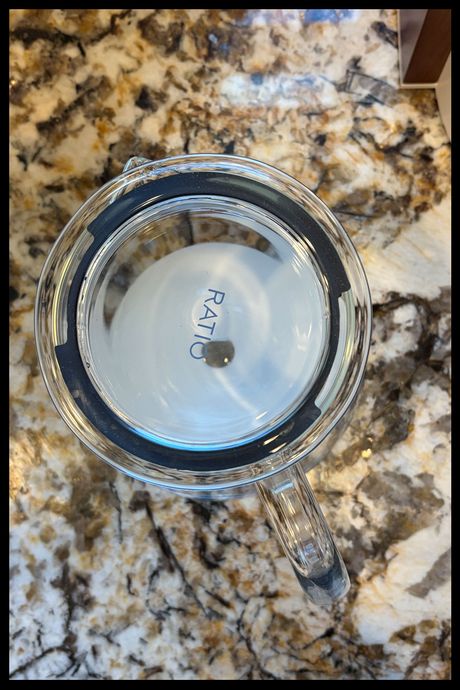
I would also avoid the $100 thermal-carafe upgrade. There’s an ambiguous dividing line between what constitutes a pleasing heft and a cumbersome weight, but at more than 3.6 pounds when empty, this thing falls squarely in the latter category. It weighs as much as my OXO carafe with seven cups of coffee inside and is not nearly as effective at keeping coffee hot. The half-pot I brewed at 7:30 a.m. was barely warmer than room temperature when I returned to it before noon. You would be much better off settling for the glass version, which has a clever integrated silicone pad on the bottom, and wrapping a tea towel around it. Or you can decant leftovers into a travel mug or an insulated carafe, such as this stainless-steel one.
Other coffee makers we like
More From The Strategist
- Hark, the Advent Calendars Arrived (Very) Early This Year
- The Best Things Strategist Editors Have Bought This Year (So Far)
- 63 Things You Should Never Buy Full Price
- The Strategist Fall 100
The Strategist is designed to surface useful, expert recommendations for things to buy across the vast e-commerce landscape. Every product is independently selected by our team of editors, whom you can read about here. We update links when possible, but note that deals can expire and all prices are subject to change.