What’s the Difference Between a Drugstore Shampoo and a $40 Shampoo?

The shampoo aisle can be confusing. Especially when shampoos can range in price from under $10 at the drugstore to north of $50 at luxury retailers. “Whether a shampoo works well depends on its formulation, suitability for your hair type, and how it is used,” explains president of hair-care brand Philip Kingsley and trichologist Anabel Kingsley. To find out more, I talked with Kingsley and two other experts to find out when expensive shampoo is worth the splurge and when you can opt for the affordable option.
Regardless of price, your shampoo should be a balanced blend of surfactants and conditioning agents.
According to our experts, what sets a shampoo apart is everything to do with formulation. “That includes the type of surfactants used, the supporting ingredients in the formula, the level of conditioning built into the shampoo, and the overall feel and performance on the hair,” explains Tonya Lane, a cosmetic chemist specializing in natural hair care.
Lane suggests reading the label to look for a “balanced” cleansing system, meaning there is a blend of surfactants, rather than just one. Lane specifically called out sodium lauroyl methyl isethionate, sodium methyl cocoyl isethionate, sodium C14-16 olefin sulfonate, and cocamidopropyl hydroxysultaine as good cleansers to look for.
To ensure the formula is balanced, you want to look for a primary cleanser, for example sodium lauroyl methyl isethionate or olefin sulfonate, to be paired with a secondary surfactant like cocamidopropyl betaine or cocamidopropyl hydroxysultaine. The primary surfactant’s job is to break down oil and dirt so they can be rinsed away. While extremely effective at cleansing, these ingredients on their own can be quite harsh and can irritate the scalp or cause dryness and frizz. That’s where secondary surfactants come in. They tend to be more gentle and work to mildly cleanse while also adding softness, lather, and conditioning, without stripping the hair or scalp. It’s the combination of the different surfactants working together that ensures the formula is good.
Formulas should also include hydrating ingredients
Formulas should also include hydrating ingredients and lightweight conditioning agents, regardless of price point. “I like to see humectants such as glycerin, sodium hyaluronate, or aloe-vera juice, along with conditioning agents like polyquaternium-7, polyquaternium-10, or guar hydroxypropyltrimonium chloride to help support softness and reduce friction,” she adds.
“Consumers are much less forgiving of a $40 shampoo versus a $7 shampoo, so more expensive products must work well or they won’t be repurchased,” says Kingsley, adding that higher-end brands will put a lot of effort into their formulas for this reason. This does not mean a budget buy won’t be effective, but you may have to try a larger variety to find one you really like, she explains.
But ingredients that target more specific hair concerns are more expensive.
But if you want a shampoo that does more than just clean, this is where you’ll want to invest in a more expensive product. “When a brand is formulating products with a higher price point, they do have the luxury of putting actives in at a higher percentage — again, due to cost,” says Kingsley. An active ingredient, in this case, is any ingredient with additional benefits aside from basic cleansing, like protein to add strength and reduce breakage. This is important because certain ingredients should be present at certain concentrations to perform as advertised. However, the tricky part is that brands are not actually required to list the percentages. So while the more expensive brands are incentivized to up the concentrations to correct levels for customer satisfaction, says Kingsley, it often comes down to the consumer having to trust a brand’s overall integrity. “With all that said, some premium brands also use a lower than recommended percentage to maintain a higher margin.”
Cheaper shampoos will generally have simpler packaging
High-end shampoos often provide a more luxurious experience: better packaging, nicer fragrances, and improved feel. “While this doesn’t necessarily make the product work any better,” says Kingsley, “it does improve user experience — and since shampoo is a product you use multiple times a week, this is important!” With that said, if you’re less concerned with a luxurious in-shower experience and prefer to spend that money on other parts of your beauty routine, you can probably get away with a budget buy.
A shampoo doesn’t have to be pricey to work well
“The main function of a shampoo is to clean your scalp and hair, and both expensive and affordable shampoos can do this,” says Kingsley.
Ultimately, selecting the right shampoo comes down to your hair’s specific needs more than price point. “Most people feel they have a problem to fix with their hair–it’s too thin, it’s too fizzy, it’s too dull — but the problem lies with marketing, because the consumer is often confused about what the right shampoo is for them,” explains trichologist Penny James. Kingsley agrees: “Your holy grail product might be hated by a friend who has a different hair type or concern.” It doesn’t matter how much money you spend, if you’re selecting the wrong shampoo type for your hair, you’ll probably end up disappointed. For example, if you have fine, straight, flat hair, an effective shampoo will cleanse thoroughly, add volume, and not leave a heavy residue. That same shampoo used on coarse, coiled hair, could leave it feeling dry, tangled, and difficult to manage, she explains. So effectiveness is not just about the ingredient list on the label, but also whether the shampoo matches your specific hair type and its needs. To find your perfect match, Kingsley recommends reading credible reviews, asking people with a similar hair type for their recommendations, and buying from brands you trust.
Bottom line: A shampoo that gently cleanses and hydrates is the goal. And with expensive shampoos, you’re paying for the extras.
To tell if an expensive shampoo is “worth” it, Lane suggests noticing whether the formula delivers noticeable performance beyond the marketing. “Does it cleanse effectively without stripping the hair? Does it leave the hair feeling balanced, soft, and manageable? Does it provide a more refined experience or include functional ingredients that justify the higher cost?” she asks. And to tell if an affordable shampoo is punching above its price point, she says to focus on how well it cleanses, how your hair and scalp feel after rinsing, and whether the results are consistent over time: “If it leaves the hair clean but not stripped, supports softness, and performs like a more premium formula, that is a strong sign it is overdelivering for the price.”
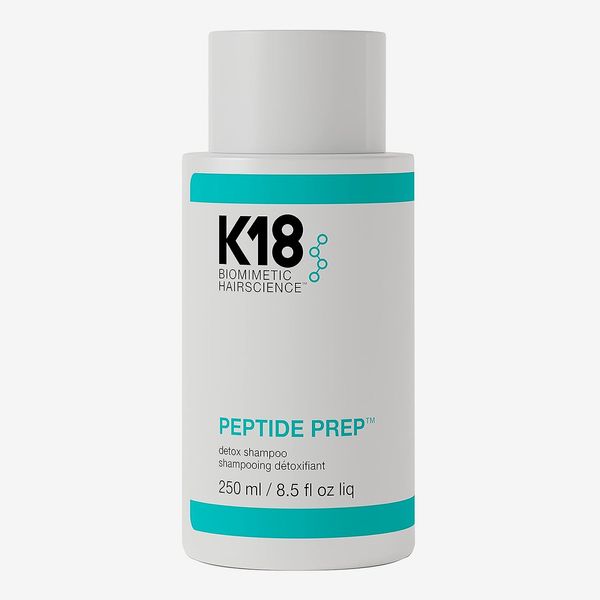
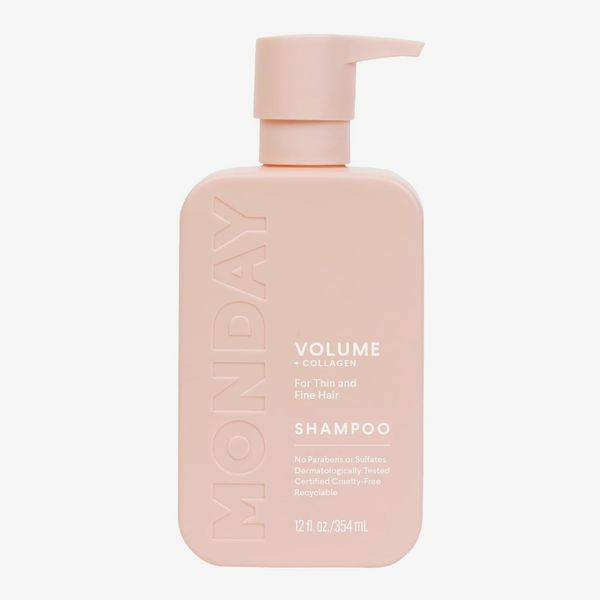
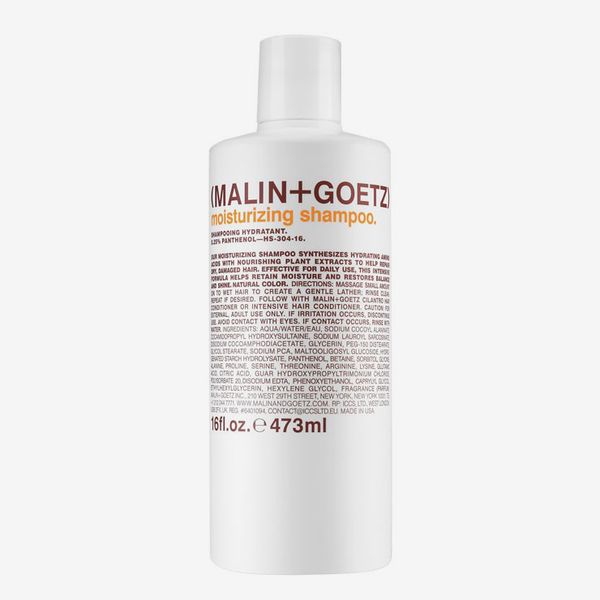
Some shampoos we stand behind
More From The Strategist
- Hark, the Advent Calendars Arrived (Very) Early This Year
- The Best Things Strategist Editors Have Bought This Year (So Far)
- 63 Things You Should Never Buy Full Price
- The Strategist Fall 100
The Strategist is designed to surface useful, expert recommendations for things to buy across the vast e-commerce landscape. Every product is independently selected by our team of editors, whom you can read about here. We update links when possible, but note that deals can expire and all prices are subject to change.