How I’m Undoing This Summer’s Sun Damage to My Hair
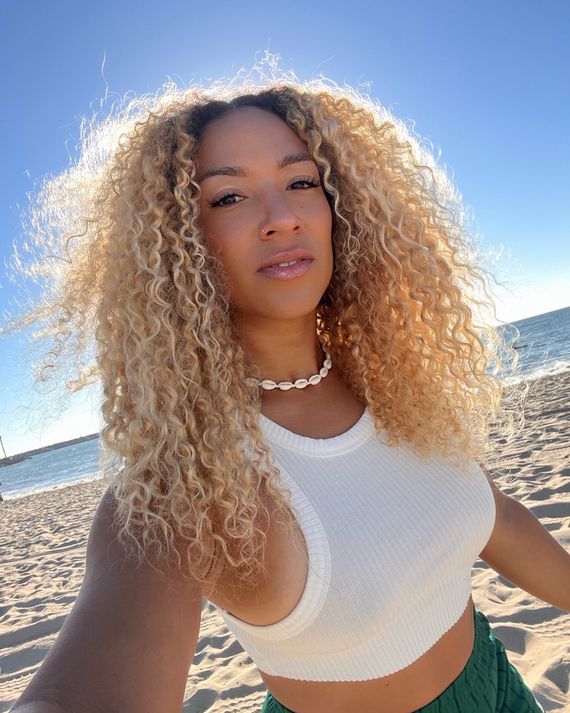
When I moved to Los Angeles, I knew I’d be out in the sun more, but I didn’t anticipate all the ways it would affect my beauty routine. I now have UPF tops in my wardrobe; SPF is an essential in my lip balms; and I’ve become a reluctant hat person. My hair has gotten more brittle, frizzier, and somewhat lighter as a reaction to getting much more sun. I assumed this was a result from being outdoors more, and when I started reporting on this story, my hunch was confirmed. “The biggest sign of UV damage comes from your hair starting to feel rough and dry,” cosmetic chemist Valerie George told me. “You may notice more breakage or that your hair takes longer to blow-dry because it gets wet more easily.”
To get a better sense of why this was happening and what to do about it, I spoke to George and two other hair experts: curly-hair expert Cataanda James and Oma N. Agbai, a board-certified dermatologist and the founding director of Multicultural Dermatology and Hair Restoration at UC Davis. I also spoke to two surfers who’ve had similar hair-damage journeys about what they’ve changed to keep their locks healthy.
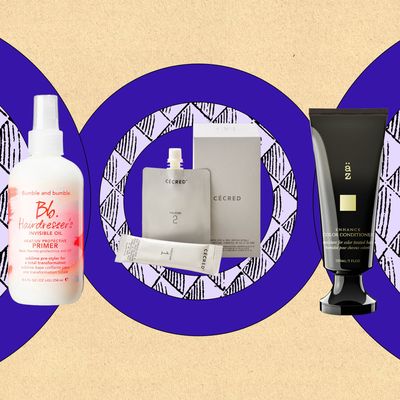
Our top picks to protect and fix your hair
How does the sun affect hair color?
The sun exposes hair to both UV and visible light, which actually affect strands in different ways. George explained it to me with a chocolate-chip-cookie analogy: “The actual dough part that’s baked is your hair’s protein, which is keratin. The chocolate chips are your hair’s natural pigment, which is your melanin.” Visible light only damages pigment. It’s as if the chocolate chips just disappeared. UV, on the other hand, damages the keratin (the dough) that ends up affecting the pigment (chocolate chips). “Think of having a really bad dough quality — it’s not going to hold the chocolate chips in there, and they’re just going to fall out,” George says. The amount of damage your hair gets depends on how much pigment your hair naturally has. The melanin pigment provides some UV protection. “The darker your hair is, the less you immediately have to worry about sun damage; whereas if your hair is lighter — meaning more blonde — you don’t have as much pigment to be protective,” she says. That’s not to say darker hair doesn’t get damaged from the sun. It still does and usually looks like a warm, orange-red undertone caused by bleaching of the sun.
What about gray hair?
Grey hair actually turns yellow with too much UV exposure. George explains this happens because there’s no melanin in the hair to interact with. Instead, it starts to break down the amino acids in your hair (what makes up keratin). Some of these amino acids, like tryptophan, degrade into impurities called kynureninens, which are yellow. “This actually happens in all hair colors, but it’s noticeable in gray hair because it’s colorless, so we tend to see it more,” she says.
How does the sun affect different hair textures?
Because UV damages keratin — the structural protein that gives your hair strength — it also changes how hair feels. “As keratin degrades, hair becomes rougher, drier, less elastic, and more susceptible to split ends, frizz, and breakage,” says Agbai. The way that the damage appears is different depending on your hair type. Straight hair usually becomes more brittle, less shiny, and prone to split ends. Wavy hair can become frizzier and lose definition. Curly and coily hair is particularly prone to dryness, since the natural scalp oils already have a harder time traveling down the hair shaft. UV exposure often leads to increased frizz, reduced curl definition, and more breakage. “Think of a straight spaghetti noodle versus one that’s already folded in half that’s dry: It’s much easier to snap that bent spaghetti noodle than to snap a straight one, because you get to bend the straight one a little bit further,” explains George. “Curly hair is the same way; it’s just more prone to physical stress, so it can break faster.”
What about chemically processed hair?
Hair that’s been chemically processed is more susceptible to damage. The strands are already damaged and have broken bonds, so the effects will show up faster and more, because the hair has been compromised. “Healthy hair has a fat layer — a lipid layer — on the outside of it, and this provides some inherent protection,” says George. “Hair that’s been permed, lightened, or colored — a lot of that layer is missing, so they’ll have more exposure to their hair fiber.”
How to protect your hair from the sun
Cover your hair with breathable fabrics like cotton
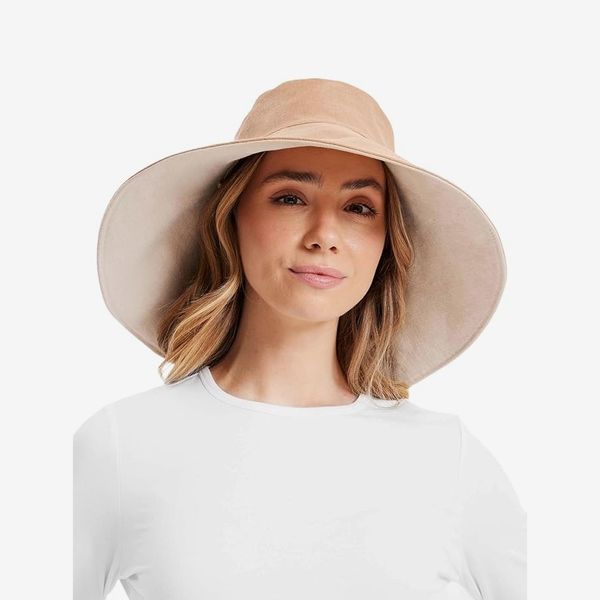
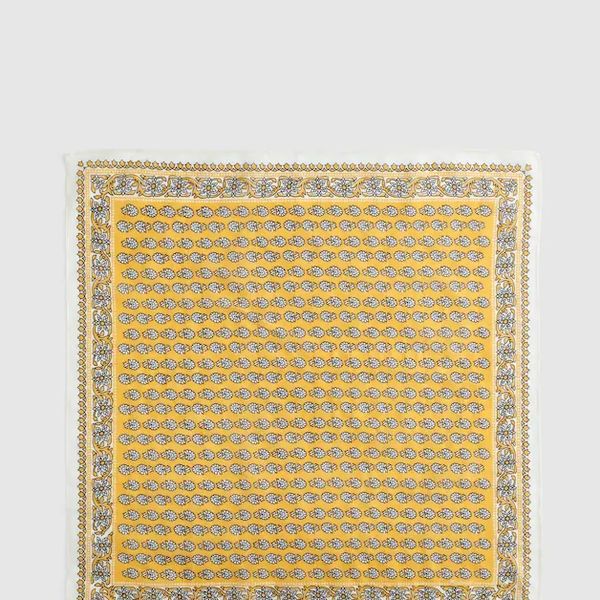
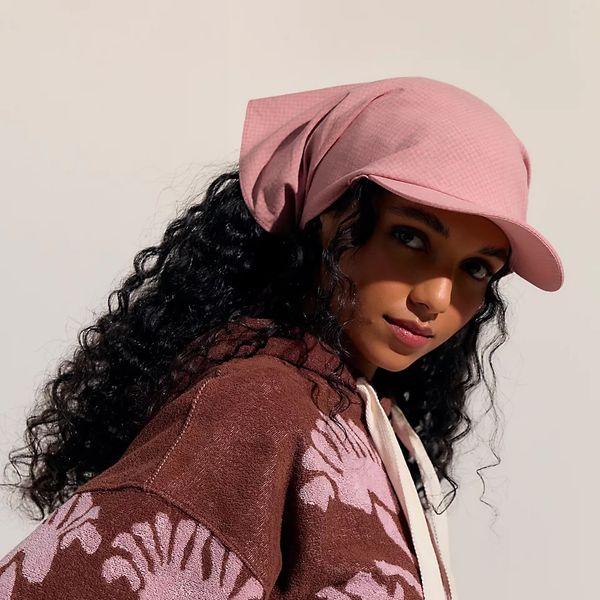
Similar to how you’d protect your skin from UV damage, a physical barrier between your hair and the sun offers plenty of protection. The experts I spoke to recommended wearing head wraps made from breathable materials like cotton or linen or a hat made with UVB protection or tightly woven straw, especially in the summer months and in climates like the desert or tropical areas where the sun is more intense.
New! You can now save this product for later.
This wide-brim option offers maximum coverage and is made with breathable materials.
New! You can now save this product for later.
A 100 percent cotton bandanna, available in lots of fun patterns.
New! You can now save this product for later.
A hat and bandanna combo, also made from 100 percent cotton.
Prep with a protein treatment
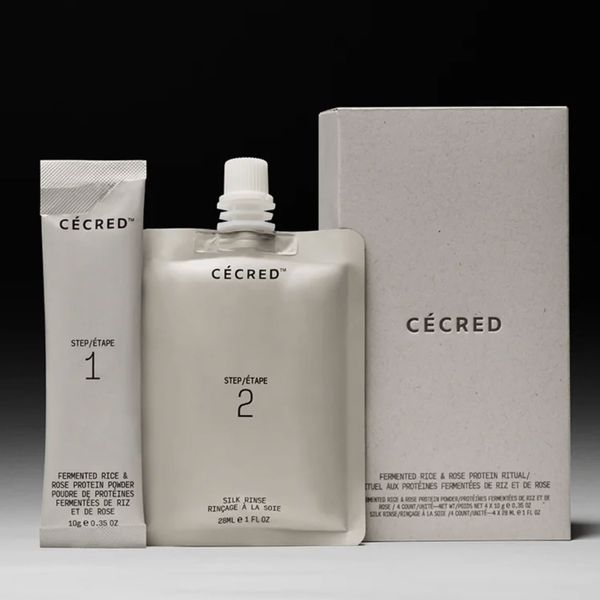
If you know you’re going to be in the sun (like before a vacation), James recommends applying a protein treatment to your hair and following up with a moisture conditioner to prep. “The protein treatment will strengthen and help fill any holes and rebuild broken bonds within the hair structure for maximum protection and prevention of further damage,” she says. “The conditioner will replenish hydration and promote moisture retention to combat the harmful effects of sun exposure.” She recommends Cecréd Fermented Rice & Rose Protein Ritual for all hair types. “I’ve seen instant improvements in the hair after the first use,” she says. “Just as I incorporate this into my routine to prep the hair for chemical treatments and a silk press or heat style on natural hair, I recommend using this before excessive sun exposure to strengthen the hair and provide defense against UVB rays and free radicals.”
New! You can now save this product for later.
Lock in moisture with a leave-in
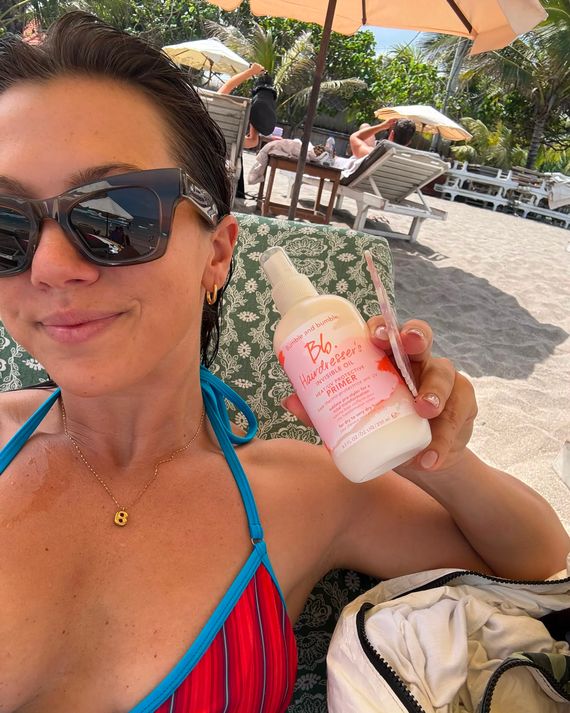
Leave-in conditioner also helps add a protective barrier to your hair. It’s best to apply it on already wet hair, since the strands are better at absorbing product when damp. Two of the surfers I spoke to had leave-ins they swear keep their hair moisturized, even when dealing with constant UV and saltwater exposure. INTRSXTN Surf founder Jessa Williams, who has type 3C hair that’s been dyed, has used Pattern’s for years. “I apply it immediately before I even leave the surf break,” she says. “I wet my hair with fresh water, put in leave-in conditioner, and then comb it through right there in the parking lot every time.” Noserider Surf Club founder Emma Bukowski, whose straight hair has gone through lots of breakage since picking up surfing, calls the Bumble and Bumble Heat/UV Protection Leave-In Conditioner a “game changer” for her hair health. “I can’t believe how long and healthy it is even though I trash it in the surf and sun,” she says. “I used to only use this after showering, but now I seriously have a bottle of it in every tote bag I own. Before I go into the ocean, I always rinse my hair with clean water and put this spray in.”
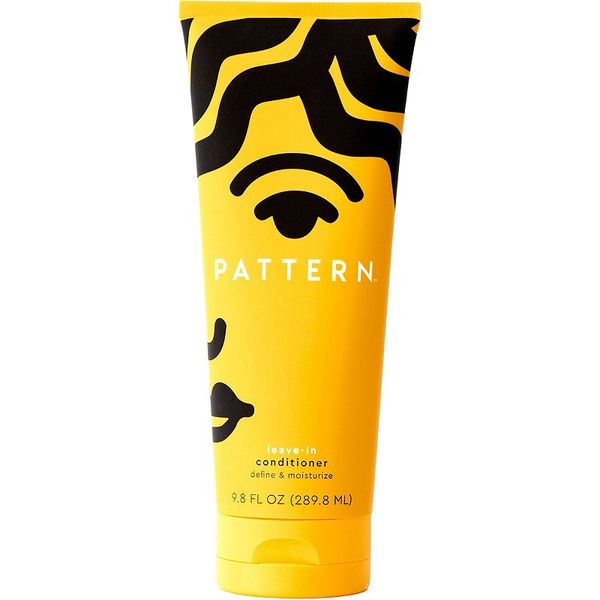
New! You can now save this product for later.
Williams’s go-to for everyday and post-surf.
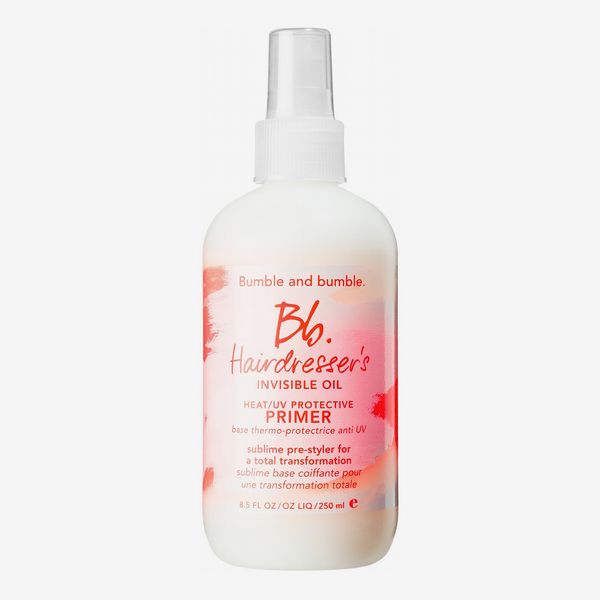
New! You can now save this product for later.
Bukowski’s leave-in with UV protection.
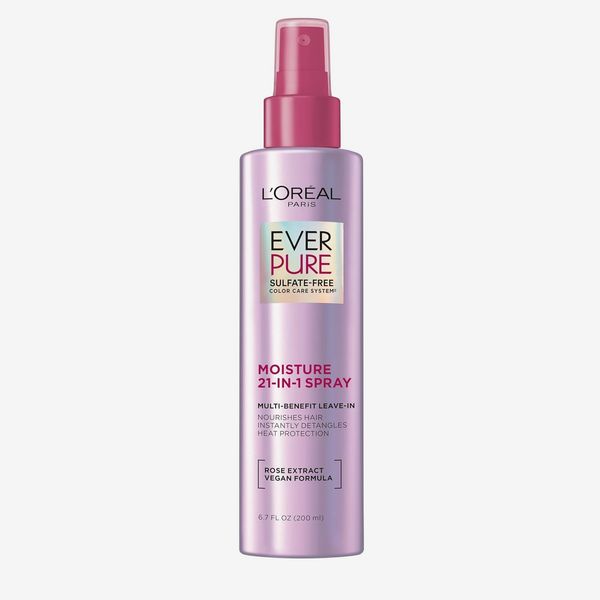
New! You can now save this product for later.
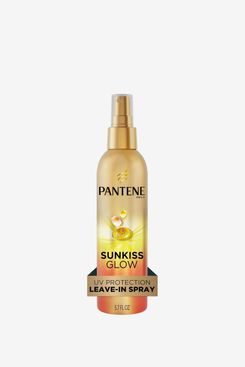
Our favorite drugstore pick with added UV protection.
Add UV protection to your routine
Also look for products that have UV protection. George recommends incorporating it into your routine with something you already use, like a leave-in, serum, styling spray, or oil. There are some products that market a “hair protection factor,” but George says this isn’t something to stress over. “Because hair doesn’t burn — it’s biologically dead — there’s no SPF-type rating for hair. Your hair either has protection or it doesn’t; it’s pretty black and white.” Instead, James recommends using hair-care products that offer protection and natural sunscreen to the scalp and hair. “Some of the most protective formulas include natural ingredients like green tea, aloe, mango extract, argan oil, coconut oil, sunflower seed oil, and antioxidants that protect your hair from free radicals like vitamins E and C,” she says.
New! You can now save this product for later.
How to fix your sun-damaged hair
Hydrate, hydrate, hydrate
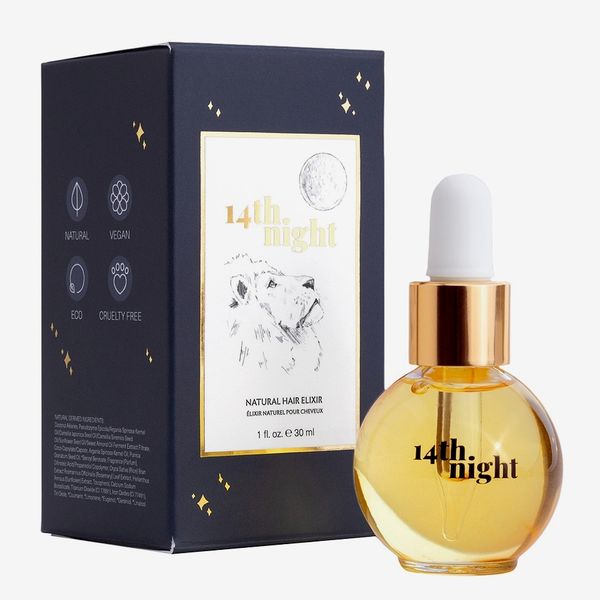
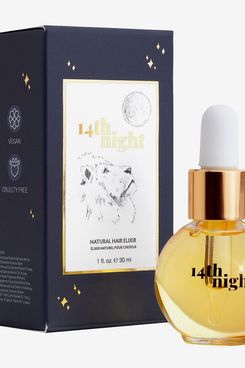
“Going back to the chocolate-chip-cookie analogy, where you have this broken cookie, you can’t put it back together,” says George. “Once it’s done, it’s done.” There is some good news, though: There are a lot of ways to make your hair feel better even if it’s compromised. Focus on restoring moisturizing and strengthening the hair fiber with deep-conditioning treatments and leave-in conditioners, like the ones mentioned above. They’re all meant to add and lock in hydration. Agbai adds that applying lightweight oils or serums to the mid-lengths and ends can also improve hydration and reduce breakage. One I’ve been using since my hair has been damaged is 14th Night’s The Hair Elixir. It’s lightweight but adds a healthy dose of moisture and shine to my hair without ever feeling greasy.
New! You can now save this product for later.
Protein-treat processed hair
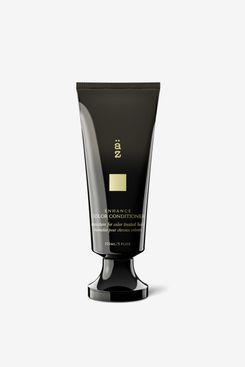
On top of moisture, Agbai says to add bond-building products for chemically treated hair. The Cecred product mentioned above is meant to help with breakage and damaged strands. James also likes Äz Craft Luxury Hair Care Enhance Color Conditioner for softening hair, adding shine, and extending your hair color. Plus it provides UV protection.
New! You can now save this product for later.
Be gentle and patient
It’s best to lay off of heat styling for at least two to four weeks to let the moisture restore. Bukow adds that leaving her hair down or in a low braid or bun (always with a silk scrunchie) helps keep her hair from breaking, despite always being in the sun and salt water. Finally, George had some grounding advice for folks (myself included): “At the end of the day, your hair is not a living organism. Don’t sweat it — you’ll get new hair, it’ll grow. Get a trim, use conditioning treatments. If you’re a sun goddess, put your hair under a hat and be kind to it.”
More From The Strategist
- Hark, the Advent Calendars Arrived (Very) Early This Year
- The Best Things Strategist Editors Have Bought This Year (So Far)
- 63 Things You Should Never Buy Full Price
- The Strategist Fall 100
The Strategist is designed to surface useful, expert recommendations for things to buy across the vast e-commerce landscape. Every product is independently selected by our team of editors, whom you can read about here. We update links when possible, but note that deals can expire and all prices are subject to change.