How to (Safely) Take Down a Protective Style and Detangle Natural Hair

Editor’s note: This article first appeared on the Strategist in May 2020, but the products are still some of our writer Tembe Denton-Hurst’s favorites for taking down a protective style (even if we’ve started visiting the salon again). So we’re republishing it today as part of Natural-Hair Week.
For those who entered quarantine wearing a long-term protective style like braids or faux-locs, it has likely gotten to the point where there is no choice but to take them out. Protective styles can last anywhere from two weeks to three months — any longer than that and you risk damaging your hair. Taking your hair down from a protective style can be daunting, especially if you’re used to following it up with a restorative trip to the salon. And with limited access to things like trims, professional hot-oil treatments, and salon-level deep conditioning, you’re likely wondering how to go about the process properly.
While it’s not exactly complicated, it is very important to do it correctly, so you don’t damage your hair by ripping or pulling. “You have to be the most mindful during the detangling process,” says celebrity hairstylist Kim Kimble, who has styled everyone from Beyoncé to Zendaya. “Shedded hair is trapped in the protective styles, and dreadlocks, tangles, and knots can form.” On average, hair sheds about 58 strands a day, says Kimble, and all that hair is trapped within the twists, braids, and locs, so you can expect to lose a fair amount of hair, especially if you’ve been wearing the style for a month or more. So the important thing is making sure you don’t pull out more. “Never start at the roots,” cautions Kimble — doing so, she says, could lead to breakage and significant hair loss. Instead, she recommends starting from the bottom and working your way up.
For everything you need to know about removing a protective style, we tapped three natural stylists who shared their favorite products and methods for safely taking down your hair.
New! You can now save this product for later.
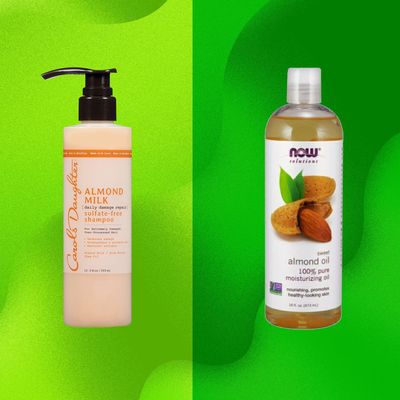
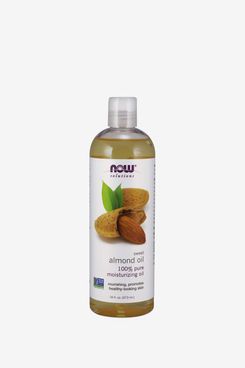
Before you start trying to unravel your hair, Kimble recommends applying an oil to your roots. “I like to use all-natural oils from health-food stores,” she says. “Your hair will probably be tangled and have debris, so it’s important to start to break that up.” This will help to moisturize your hair and reduce breakage during removal. She likes sweet almond oil in particular, which she says helps to detangle and loosen up any knots or tangles. You can also use this on the ends and the entire length of your hair throughout the process of removal.
New! You can now save this product for later.
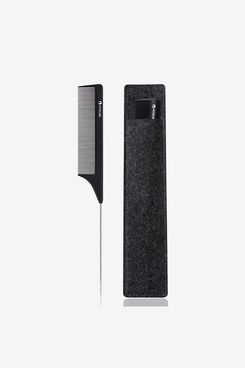
Both Kimble and Nigella Miller of Hair by Nigella recommend keeping a rat-tail comb on hand to unravel any tightly braided or twisted curls. This one has a metal tail, which is both heat resistant and makes separation easier.
New! You can now save this product for later.
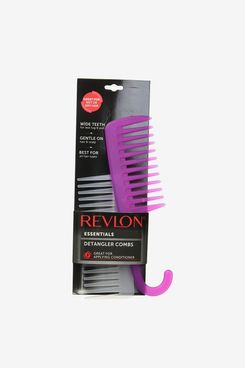
After you oil your roots, wet your hair with water or a leave-in conditioner, which will make the process gentler and make hair easier to manage. From there, comb out your hair with a wide-toothed comb like this one. The teeth, which are wider apart than a rat-tail comb, make it easy to separate tightly coiled or curly strands of hair without pulling or ripping your hair. If your hair is particularly knotty, Robin Groover of Too Groovy Salon suggests finger detangling first, using your hands to comb through the sections before going in with the comb. Miller recommends detangling in medium-size sections rather than trying to comb through your hair in large chunks. Kimble also recommends holding on to the root of your hair while you work your way up, which will minimize tension, hurt less, and result in less shedding overall. Once that’s done, Groover recommends brushing through with a hard rubber brush like a Denman or paddle brush, to get out the remaining shed hair. You’ll want to make sure you take time with this step, and actually detangle your hair completely, otherwise you could end up tangling it even more.
New! You can now save this product for later.
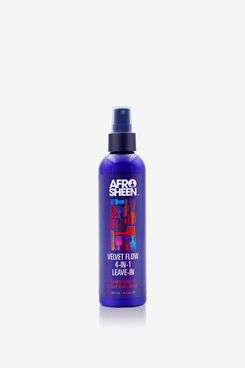
If you choose to go the leave-in-conditioner route (instead of just water),Miller recommends Afro Sheen’s Velvet Flow 4-in-1 Leave-In, which will add slip and refresh your curls. “It’s perfect for the process of combing out all the dead hair,” she says. It’s packed with moisturizing and conditioning ingredients like shea butter and coconut oil (this helps with detangling) and can also be used post-detangling, too, as a regular leave-in conditioner.
New! You can now save this product for later.
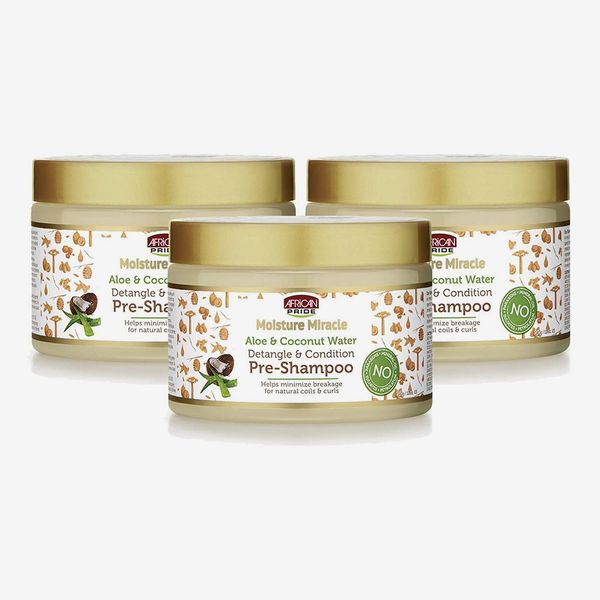
Groover likes to detangle using a pre-poo treatment rather than a leave-in, which is formulated to detangle and condition prior to shampooing. She likes this one in particular from African Pride, which uses a blend of aloe vera and coconut water to get the job done, and has lots of slip so you can easily separate curls. “It’s perfect for removing tangles and preventing breakage,” she says.
New! You can now save this product for later.
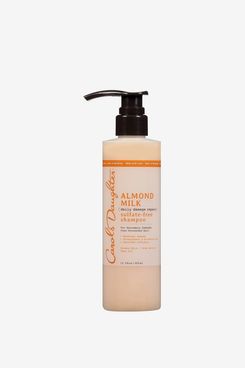
Once your hair is totally detangled, you can move onto shampooing (Groover suggests shampooing three times, to ensure it’s super clean and there’s no leftover dirt or buildup). Kimble recommends using a detangling shampoo specifically for overprocessed hair, which will have nourishing ingredients to both cleanse and moisturize. This one from Carol’s Daughter is a good option — it cleanses gently using butters and oils and restores moisture to your hair. If you need even more moisture, Kimble says it’s okay to add a little conditioner to your shampoo, so as to help avoid more tangles.
New! You can now save this product for later.
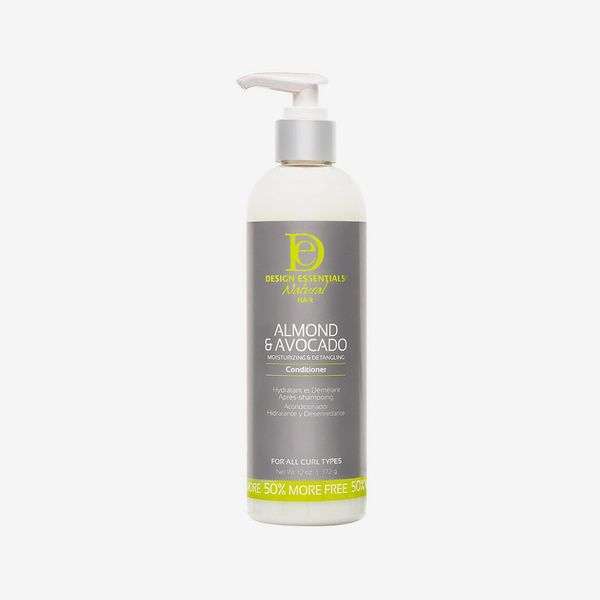
You’ll then want to use a detangling conditioner like this one from Design Essentials, which is sulfate and paraben-free (meaning it won’t strip your hair or coat your hair in silicones), and uses ingredients like almond oil and avocado to help moisturize and make hair soft and manageable.
New! You can now save this product for later.
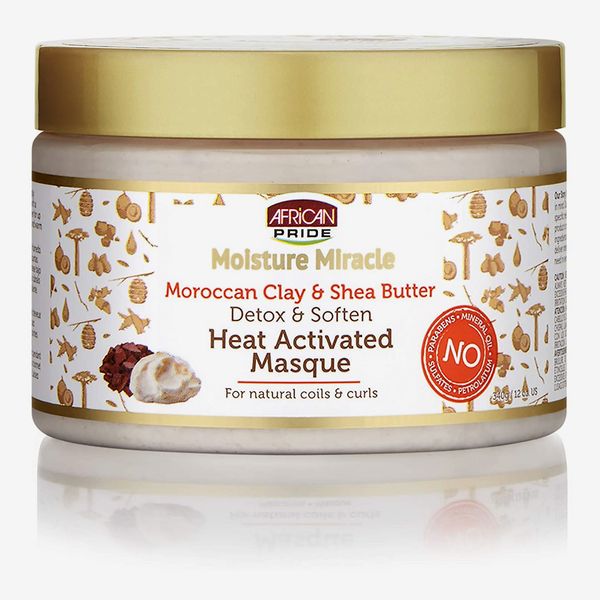
After cleansing and conditioning, a good deep conditioner or hair mask is a must. This will restore moisture, and help to repair the hair post–protective style. Groover recommends this mask from African Pride, which she calls “the perfect post-protective-style deep conditioner.” It uses a combination of Moroccan clay (for detoxing the scalp) and shea butter (for moisturizing and protecting the hair) to hydrate and soften your hair. This mask in particular is heat-activated, meaning it works best with an additional heat source, so to get the best results, cover your hair with a plastic cap and sit under a hooded dryer, or cover the plastic cap with a warm towel.
New! You can now save this product for later.
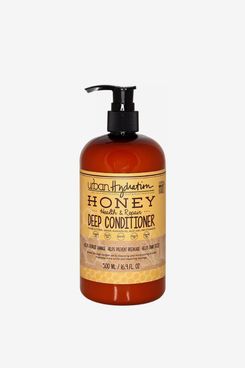
Miller recommends this deep conditioner from Urban Hydration. “It glides through tangles, moisturizes, and restores softness,” she says. This one uses honey and argan oil to impart moisture, along with sweet vanilla-bean extract to help with any damage or breakage.
New! You can now save this product for later.
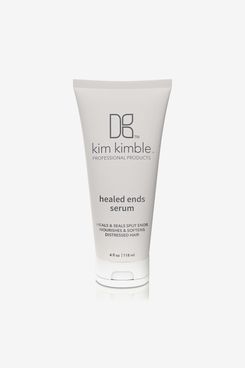
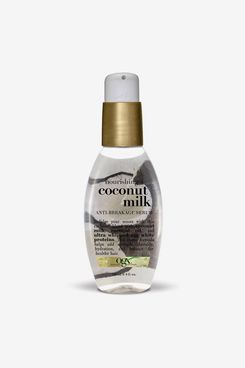
Post–deep conditioning it’s important to further seal in moisture and use a leave-in and use an anti-breakage serum like this one, which uses polymers to fuse dry, frizzy split ends. This is helpful for preventing further split ends, and especially good for this moment, when you can’t get a trim like you normally would after taking down a protective style.
New! You can now save this product for later.
Miller recommends finishing the process by using an anti-breakage serum from OGX. “It helps wrap a layer of protection around each strand,” she says. This one is formulated with a mix of silk keratin and coconut oil, and also helps with split ends.
The Strategist is designed to surface the most useful, expert recommendations for things to buy across the vast e-commerce landscape. Some of our latest conquests include the best acne treatments, rolling luggage, pillows for side sleepers, natural anxiety remedies, and bath towels. We update links when possible, but note that deals can expire and all prices are subject to change.